
Produktbeschreibung
Key attributes
Other attributes
Garantie
1.5 years
Applicable Industries
Building Material Shops, Manufacturing Plant, Energy & Mining
Weight (KG)
1
Showroom Location
None
Video outgoing-inspection
Bereitgestellt
Machinery Test Report
Bereitgestellt
Marketing Type
New Product 2571
Warranty of core components
1 Jahr
Core Components
Gear
Material
stainless steel 304, stainless steel 316, 42CrMo, 17CrNiMo, 45steel, 40Cr
Herkunftsort
ZheJiang , China
Condition
Neu
Markenname
HangZhou
China shaft manufacturer custom chrome steel shaft eccentric shaft
Produktname
Customized forging Steel large Inner tooth Gear Ring
Anwendung
Industry/Gearbox/ Transmission Parts
Size
Customer’s Drawing
Processing
Hobbing/Milling/Shapping
Standard
DIN/GB/AISI
Oberflächenbehandlung
Polishing/Grinding/ Painting/Anti Rust Oil
Heat Teatment
QT/Hardening/Carburizing
Blank
Forging or Casting as per drawing.
Quality Control
Nondestructive Testing (UT/MT/RT/PT)
Certificate
ISO9001
Packaging and delivery
Packaging Details
1.Wooden box with fumigation
2.Wooden Fram with waterproof cloth
Port
ZheJiang or HangZhou Port
attribute-list
Supply Ability
50000 Piece/Pieces per Year
Lead time
| Quantity (pieces) | 1 – 10 | > 10 |
| Lead time (days) | 45 | To be negotiated |
Produktionsprozess
Wir können Zahnräder in verschiedenen Ausführungen herstellen und bieten darüber hinaus auch Zahnradrohlinge an.
Wir verfügen über einen kompletten Satz an Produktionsprozessen und Prüfinstrumenten für Schmieden, Wärmebehandlung und Bearbeitung.
Wir verfügen über fünf Mittelfrequenzöfen und fünf Elektroschlacke-Schwergutöfen, die 1 bis 18 Tonnen verschiedener legierter Stahlsorten produzieren können, mit einer Jahreskapazität von 10.000 Tonnen. Die Hauptmerkmale des Elektroschlacke-Umschmelzens sind die flexible Herstellung verschiedener Spezialstähle in unterschiedlichen Größen und Chargen mit reiner Zusammensetzung und gleichmäßiger, dichter Kristallstruktur.
Die Erdgas-Digitalanzeige-Computer-Temperaturregelung CZPT kann die Heiztemperatur von Rohstoffen genau steuern.
Die 800-Tonnen-Schnellschmiedemaschine ermöglicht die zügige Herstellung von Produkten, während die 3150-Tonnen- und 5000-Tonnen-Ölpressen hochbelastbare Achsen schmieden können. Sie gewährleisten das für das Produkt erforderliche Schmiedeverhältnis und eine gute metallografische Struktur.
More than 20 digital display resistance furnaces can be used fot normalizing, quenching and tempering products, at the same time, there are induction quenching and carburization process, so as to ensure the mechanical performance requirements of the gear
We have a number of , HOFLER and other gear rolling machine, inner tooth ring milling machine, gear insertion machine, gear grinding machine and car milling composite center and other gear processing equipment.
TS regards Quality as the essential part of our business success. Based on your requirements, we have raw material in-coming inspection, process control and pre-shipment inspection. With advanced test equipments such as spectrometer, CMM, tensile strength tester, microscope, hardness tester, etc, TS is able to apply sufficient chemical and physical inspection. According to your request, we are also capable to do X-Ray, Magnetic Testing, Ultrasonic Testing and liquid Penetrant Examination.
PRODUCT PACKAGING
OUR WORKSHOPS
COOPERATIVE BRAND
Product Packaging
Product PackaPRging
| Material: | Stahl |
|---|---|
| Load: | Antriebswelle |
| Appearance Shape: | Stahl |
| Anpassung: |
Verfügbar
| Kundenspezifische Anfrage |
|---|
.shipping-cost-tm .tm-status-off{background: none;padding:0;color: #1470cc}
| Versandkosten:
Geschätzte Frachtkosten pro Einheit. |
über Versandkosten und voraussichtliche Lieferzeit. |
|---|
| Zahlungsmethode: |
|
|---|---|
|
Erste Zahlung Vollständige Zahlung |
| Währung: | US$ |
|---|
| Rückgabe & Erstattung: | Sie können bis zu 30 Tage nach Erhalt der Produkte eine Rückerstattung beantragen. |
|---|
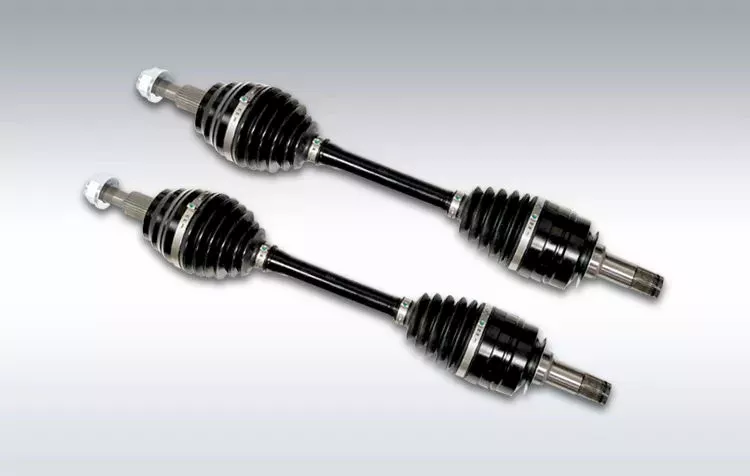
How do manufacturers ensure the compatibility of drive shafts with different equipment?
Manufacturers employ various strategies and processes to ensure the compatibility of drive shafts with different equipment. Compatibility refers to the ability of a drive shaft to effectively integrate and function within a specific piece of equipment or machinery. Manufacturers take into account several factors to ensure compatibility, including dimensional requirements, torque capacity, operating conditions, and specific application needs. Here’s a detailed explanation of how manufacturers ensure the compatibility of drive shafts:
1. Application Analysis:
Manufacturers begin by conducting a thorough analysis of the intended application and equipment requirements. This analysis involves understanding the specific torque and speed demands, operating conditions (such as temperature, vibration levels, and environmental factors), and any unique characteristics or constraints of the equipment. By gaining a comprehensive understanding of the application, manufacturers can tailor the design and specifications of the drive shaft to ensure compatibility.
2. Customization and Design:
Manufacturers often offer customization options to adapt drive shafts to different equipment. This customization involves tailoring the dimensions, materials, joint configurations, and other parameters to match the specific requirements of the equipment. By working closely with the equipment manufacturer or end-user, manufacturers can design drive shafts that align with the equipment’s mechanical interfaces, mounting points, available space, and other constraints. Customization ensures that the drive shaft fits seamlessly into the equipment, promoting compatibility and optimal performance.
3. Torque and Power Capacity:
Drive shaft manufacturers carefully determine the torque and power capacity of their products to ensure compatibility with different equipment. They consider factors such as the maximum torque requirements of the equipment, the expected operating conditions, and the safety margins necessary to withstand transient loads. By engineering drive shafts with appropriate torque ratings and power capacities, manufacturers ensure that the shaft can handle the demands of the equipment without experiencing premature failure or performance issues.
4. Material Selection:
Manufacturers choose materials for drive shafts based on the specific needs of different equipment. Factors such as torque capacity, operating temperature, corrosion resistance, and weight requirements influence material selection. Drive shafts may be made from various materials, including steel, aluminum alloys, or specialized composites, to provide the necessary strength, durability, and performance characteristics. The selected materials ensure compatibility with the equipment’s operating conditions, load requirements, and other environmental factors.
5. Joint Configurations:
Drive shafts incorporate joint configurations, such as universal joints (U-joints) or constant velocity (CV) joints, to accommodate different equipment needs. Manufacturers select and design the appropriate joint configuration based on factors such as operating angles, misalignment tolerances, and the desired level of smooth power transmission. The choice of joint configuration ensures that the drive shaft can effectively transmit power and accommodate the range of motion required by the equipment, promoting compatibility and reliable operation.
6. Quality Control and Testing:
Manufacturers implement stringent quality control processes and testing procedures to verify the compatibility of drive shafts with different equipment. These processes involve conducting dimensional inspections, material testing, torque and stress analysis, and performance testing under simulated operating conditions. By subjecting drive shafts to rigorous quality control measures, manufacturers can ensure that they meet the required specifications and performance criteria, guaranteeing compatibility with the intended equipment.
7. Einhaltung von Standards:
Manufacturers ensure that their drive shafts comply with relevant industry standards and regulations. Compliance with standards, such as ISO (International Organization for Standardization) or specific industry standards, provides assurance of quality, safety, and compatibility. Adhering to these standards helps manufacturers meet the expectations and requirements of equipment manufacturers and end-users, ensuring that the drive shafts are compatible and can be seamlessly integrated into different equipment.
8. Collaboration and Feedback:
Manufacturers often collaborate closely with equipment manufacturers, OEMs (Original Equipment Manufacturers), or end-users to gather feedback and incorporate their specific requirements into the drive shaft design and manufacturing processes. This collaborative approach ensures that the drive shafts are compatible with the intended equipment and meet the expectations of the end-users. By actively seeking input and feedback, manufacturers can continuously improve their products’ compatibility and performance.
In summary, manufacturers ensure the compatibility of drive shafts with different equipment through a combination of application analysis, customization, torque and power capacity considerations, material selection, joint configurations, quality control and testing, compliance with standards, and collaboration with equipment manufacturers and end-users. These efforts enable manufacturers to design and produce drive shafts that seamlessly integrate with various equipment, ensuring optimal performance, reliability, and compatibility in different applications.
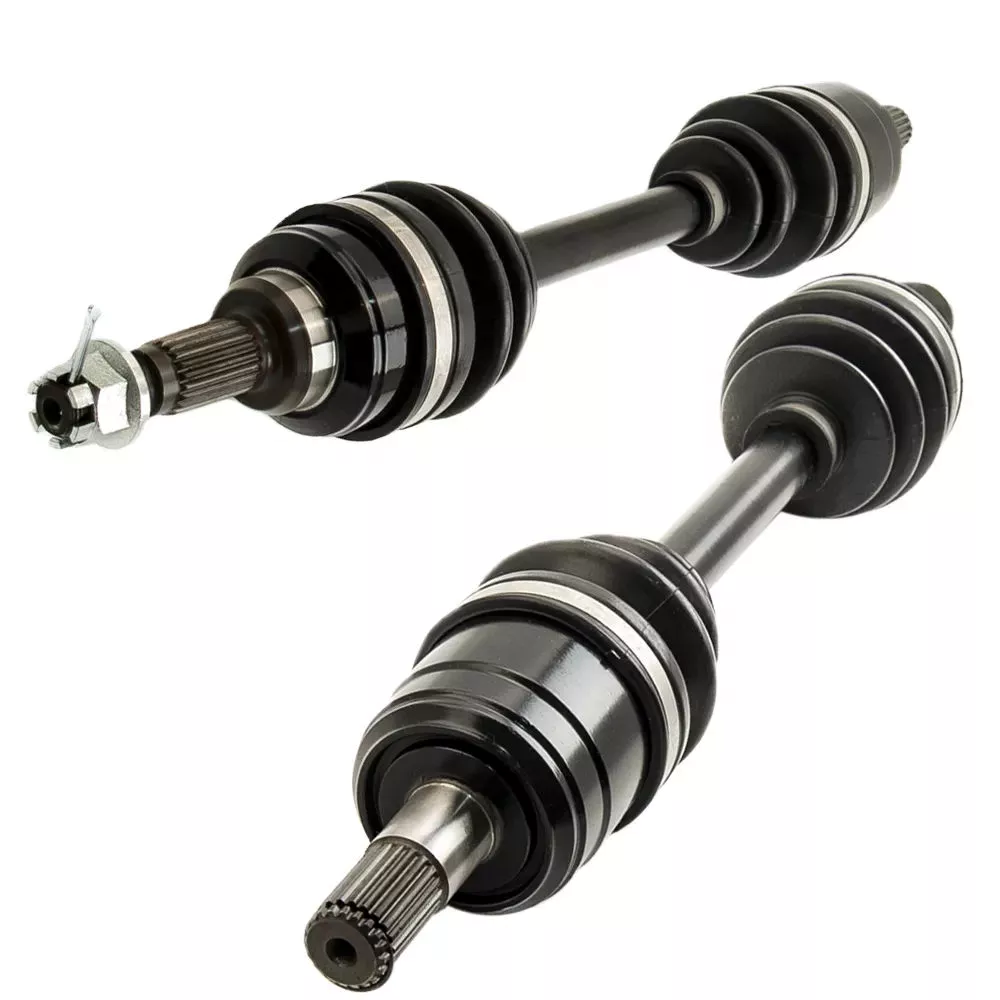
Wie verhalten sich Antriebswellen gegenüber Last- und Vibrationsschwankungen im Betrieb?
Antriebswellen sind so konstruiert, dass sie Last- und Vibrationsschwankungen im Betrieb durch verschiedene Mechanismen und Merkmale ausgleichen. Diese Mechanismen tragen zu einer gleichmäßigen Kraftübertragung bei, minimieren Vibrationen und erhalten die strukturelle Integrität der Antriebswelle. Im Folgenden finden Sie eine detaillierte Erklärung, wie Antriebswellen Last- und Vibrationsschwankungen bewältigen:
1. Materialauswahl und Design:
Antriebswellen werden typischerweise aus hochfesten und steifen Werkstoffen wie Stahllegierungen oder Verbundwerkstoffen gefertigt. Bei der Materialauswahl und Konstruktion werden die zu erwartenden Belastungen und Betriebsbedingungen berücksichtigt. Durch die Verwendung geeigneter Werkstoffe und eine optimierte Konstruktion können Antriebswellen den zu erwartenden Lastschwankungen standhalten, ohne sich übermäßig zu verformen oder durchzubiegen.
2. Drehmomentkapazität:
Antriebswellen sind für ein bestimmtes Drehmoment ausgelegt, das den zu erwartenden Lasten entspricht. Dieses Drehmoment berücksichtigt Faktoren wie die Leistung der Antriebsquelle und die Drehmomentanforderungen der angetriebenen Komponenten. Durch die Wahl einer Antriebswelle mit ausreichendem Drehmoment können Lastschwankungen ausgeglichen werden, ohne die Belastungsgrenzen der Antriebswelle zu überschreiten und dadurch Schäden oder Ausfälle zu riskieren.
3. Dynamischer Ausgleich:
Im Fertigungsprozess können Antriebswellen dynamisch ausgewuchtet werden. Unwuchten in der Antriebswelle können im Betrieb zu Vibrationen führen. Durch das Auswuchten werden Gewichte gezielt hinzugefügt oder entfernt, um einen gleichmäßigen Lauf der Antriebswelle zu gewährleisten und Vibrationen zu minimieren. Das dynamische Auswuchten trägt dazu bei, die Auswirkungen von Lastschwankungen auszugleichen und das Risiko übermäßiger Vibrationen in der Antriebswelle zu reduzieren.
4. Dämpfer und Schwingungsdämpfung:
Antriebswellen können mit Dämpfern oder Schwingungsdämpfungsmechanismen ausgestattet werden, um Vibrationen weiter zu minimieren. Diese Vorrichtungen sind typischerweise so konstruiert, dass sie Vibrationen absorbieren oder ableiten, die durch Laständerungen oder andere Faktoren entstehen können. Als Dämpfer können beispielsweise Drehdämpfer, Gummiisolatoren oder andere schwingungsdämpfende Elemente eingesetzt werden, die strategisch entlang der Antriebswelle platziert sind. Durch die Kontrolle und Dämpfung von Vibrationen gewährleisten Antriebswellen einen ruhigen Lauf und verbessern die Gesamtleistung des Systems.
5. CV-Gelenke:
Gleichlaufgelenke (CV-Gelenke) werden häufig in Antriebswellen eingesetzt, um Schwankungen der Betriebswinkel auszugleichen und eine konstante Drehzahl zu gewährleisten. Sie ermöglichen die Kraftübertragung der Antriebswelle auch dann, wenn Antriebs- und Abtriebskomponente unterschiedliche Winkel aufweisen. Durch den Ausgleich von Betriebswinkelschwankungen tragen CV-Gelenke dazu bei, die Auswirkungen von Laständerungen zu minimieren und potenzielle Vibrationen zu reduzieren, die durch Änderungen der Antriebsstranggeometrie entstehen können.
6. Schmierung und Wartung:
Eine ordnungsgemäße Schmierung und regelmäßige Wartung sind unerlässlich, damit Antriebswellen Last- und Vibrationsschwankungen effektiv bewältigen können. Die Schmierung reduziert die Reibung zwischen beweglichen Teilen und minimiert so Verschleiß und Wärmeentwicklung. Regelmäßige Wartung, einschließlich Inspektion und Schmierung der Gelenke, gewährleistet den optimalen Zustand der Antriebswelle und verringert das Risiko von Ausfällen oder Leistungseinbußen durch Lastschwankungen.
7. Strukturelle Steifigkeit:
Antriebswellen sind so konstruiert, dass sie über eine ausreichende strukturelle Steifigkeit verfügen, um Biege- und Torsionskräften standzuhalten. Diese Steifigkeit trägt dazu bei, die Integrität der Antriebswelle auch bei Lastwechseln zu gewährleisten. Durch die Minimierung der Durchbiegung und die Aufrechterhaltung der strukturellen Integrität kann die Antriebswelle Kraft effektiv übertragen und Laständerungen ohne Leistungseinbußen oder übermäßige Vibrationen ausgleichen.
8. Steuerungssysteme und Rückkopplung:
In manchen Anwendungen sind Antriebswellen mit Steuerungssystemen ausgestattet, die Parameter wie Drehmoment, Drehzahl und Vibration aktiv überwachen und anpassen. Diese Systeme nutzen Sensoren und Rückkopplungsmechanismen, um Last- oder Vibrationsänderungen zu erkennen und in Echtzeit Anpassungen vorzunehmen, um die Leistung zu optimieren. Durch die aktive Steuerung von Last- und Vibrationsänderungen können sich Antriebswellen an wechselnde Betriebsbedingungen anpassen und einen reibungslosen Betrieb gewährleisten.
Zusammenfassend lässt sich sagen, dass Antriebswellen Last- und Vibrationsschwankungen im Betrieb durch sorgfältige Materialauswahl und Konstruktion, Berücksichtigung der Drehmomentkapazität, dynamisches Auswuchten, Integration von Dämpfern und Schwingungsdämpfungsmechanismen, Verwendung von Gleichlaufgelenken, sachgemäße Schmierung und Wartung, strukturelle Steifigkeit und in einigen Fällen durch Steuerungssysteme und Rückkopplungsmechanismen ausgleichen. Durch die Integration dieser Merkmale und Mechanismen gewährleisten Antriebswellen eine zuverlässige und effiziente Kraftübertragung und minimieren gleichzeitig die Auswirkungen von Lastschwankungen und Vibrationen auf die Gesamtleistung des Systems.

What benefits do drive shafts offer for different types of vehicles and equipment?
Drive shafts offer several benefits for different types of vehicles and equipment. They play a crucial role in power transmission and contribute to the overall performance, efficiency, and functionality of various systems. Here’s a detailed explanation of the benefits that drive shafts provide:
1. Efficient Power Transmission:
Drive shafts enable efficient power transmission from the engine or power source to the wheels or driven components. By connecting the engine or motor to the driven system, drive shafts efficiently transfer rotational power, allowing vehicles and equipment to perform their intended functions. This efficient power transmission ensures that the power generated by the engine is effectively utilized, optimizing the overall performance and productivity of the system.
2. Vielseitigkeit:
Drive shafts offer versatility in their applications. They are used in various types of vehicles, including cars, trucks, motorcycles, and off-road vehicles. Additionally, drive shafts are employed in a wide range of equipment and machinery, such as agricultural machinery, construction equipment, industrial machinery, and marine vessels. The ability to adapt to different types of vehicles and equipment makes drive shafts a versatile component for power transmission.
3. Torque Handling:
Drive shafts are designed to handle high levels of torque. Torque is the rotational force generated by the engine or power source. Drive shafts are engineered to efficiently transmit this torque without excessive twisting or bending. By effectively handling torque, drive shafts ensure that the power generated by the engine is reliably transferred to the wheels or driven components, enabling vehicles and equipment to overcome resistance, such as heavy loads or challenging terrains.
4. Flexibility and Compensation:
Drive shafts provide flexibility and compensation for angular movement and misalignment. In vehicles, drive shafts accommodate the movement of the suspension system, allowing the wheels to move up and down independently. This flexibility ensures a constant power transfer even when the vehicle encounters uneven terrain. Similarly, in machinery, drive shafts compensate for misalignment between the engine or motor and the driven components, ensuring smooth power transmission and preventing excessive stress on the drivetrain.
5. Gewichtsreduktion:
Drive shafts contribute to weight reduction in vehicles and equipment. Compared to other forms of power transmission, such as belt drives or chain drives, drive shafts are typically lighter in weight. This reduction in weight helps improve fuel efficiency in vehicles and reduces the overall weight of equipment, leading to enhanced maneuverability and increased payload capacity. Additionally, lighter drive shafts contribute to a better power-to-weight ratio, resulting in improved performance and acceleration.
6. Durability and Longevity:
Drive shafts are designed to be durable and long-lasting. They are constructed using materials such as steel or aluminum, which offer high strength and resistance to wear and fatigue. Drive shafts undergo rigorous testing and quality control measures to ensure their reliability and longevity. Proper maintenance, including lubrication and regular inspections, further enhances their durability. The robust construction and long lifespan of drive shafts contribute to the overall reliability and cost-effectiveness of vehicles and equipment.
7. Safety:
Drive shafts incorporate safety features to protect operators and bystanders. In vehicles, drive shafts are often enclosed within a protective tube or housing, preventing contact with moving parts and reducing the risk of injury in the event of a failure. Similarly, in machinery, safety shields or guards are commonly installed around exposed drive shafts to minimize the potential hazards associated with rotating components. These safety measures ensure the well-being of individuals operating or working in proximity to vehicles and equipment.
In summary, drive shafts offer several benefits for different types of vehicles and equipment. They enable efficient power transmission, provide versatility in various applications, handle torque effectively, offer flexibility and compensation, contribute to weight reduction, ensure durability and longevity, and incorporate safety features. By providing these advantages, drive shafts enhance the performance, efficiency, reliability, and safety of vehicles and equipment across a wide range of industries.


editor by CX 2023-11-17























