
Өнім сипаттамасы
Key attributes
Other attributes
Кепілдік
1.5 years
Applicable Industries
Building Material Shops, Manufacturing Plant, Energy & Mining
Weight (KG)
1
Showroom Location
None
Video outgoing-inspection
Provided
Machinery Test Report
Provided
Marketing Type
New Product 2571
Warranty of core components
1 жыл
Core Components
Gear
Материал
stainless steel 304, stainless steel 316, 42CrMo, 17CrNiMo, 45steel, 40Cr
Шыққан жері
ZheJiang , China
Condition
Жаңа
Бренд атауы
HangZhou
China shaft manufacturer custom chrome steel shaft eccentric shaft
Product Name
Customized forging Steel large Inner tooth Gear Ring
Қолданба
Industry/Gearbox/ Transmission Parts
Size
Customer’s Drawing
Processing
Hobbing/Milling/Shapping
Стандартты
DIN/GB/AISI
Surface treatment
Polishing/Grinding/ Painting/Anti Rust Oil
Heat Teatment
QT/Hardening/Carburizing
Blank
Forging or Casting as per drawing.
Quality Control
Nondestructive Testing (UT/MT/RT/PT)
Certificate
ISO9001
Packaging and delivery
Packaging Details
1.Wooden box with fumigation
2.Wooden Fram with waterproof cloth
Port
ZheJiang or HangZhou Port
attribute-list
Supply Ability
50000 Piece/Pieces per Year
Lead time
| Quantity (pieces) | 1 – 10 | > 10 |
| Lead time (days) | 45 | To be negotiated |
Production Process
We can produce various specifications of gear, meanwhile, we can also provide gear blanks.
We have a full set of production processes and testing instruments for forging, heat treatment and machining.
We have 5 medium frequency furnaces and 5 electric slag heavy furnaces, which can produce 1 ton-18 tons of various types of alloy steel, with an annual capacity of 10,000 tons. The main characteristics of electroslag remelting are that it can flexibly produce various types of special steel in size and batch, with pure composition, uniform and dense crystal organization.
Natural gas digital display computer temperature control heating CZPT can accurately control the heating temperature of raw materials.
800T fast forging machine can quickly forge products, 3150T and 5000T oil press can forge heavy-duty axle products. They can guarantee the forging ratio required by the product, and ensure a good metallographic structure.
More than 20 digital display resistance furnaces can be used fot normalizing, quenching and tempering products, at the same time, there are induction quenching and carburization process, so as to ensure the mechanical performance requirements of the gear
We have a number of , HOFLER and other gear rolling machine, inner tooth ring milling machine, gear insertion machine, gear grinding machine and car milling composite center and other gear processing equipment.
TS regards Quality as the essential part of our business success. Based on your requirements, we have raw material in-coming inspection, process control and pre-shipment inspection. With advanced test equipments such as spectrometer, CMM, tensile strength tester, microscope, hardness tester, etc, TS is able to apply sufficient chemical and physical inspection. According to your request, we are also capable to do X-Ray, Magnetic Testing, Ultrasonic Testing and liquid Penetrant Examination.
PRODUCT PACKAGING
OUR WORKSHOPS
COOPERATIVE BRAND
Product Packaging
Product PackaPRging
| Материал: | Steel |
|---|---|
| Load: | Жетек білігі |
| Appearance Shape: | Steel |
| Теңшеу: |
Қолжетімді
| Теңшелген сұраныс |
|---|
.shipping-cost-tm .tm-status-off{background: none;padding:0;color: #1470cc}
| Жеткізу құны:
Бір бірлікке шаққанда жүк тасымалының болжамды көлемі. |
жеткізу құны және жеткізудің болжамды уақыты туралы. |
|---|
| Төлем әдісі: |
|
|---|---|
|
Бастапқы төлем Толық төлем |
| Валюта: | US$ |
|---|
| Қайтару және қайтару: | Өнімдерді алғаннан кейін 30 күн ішінде ақшаны қайтарып алуға өтініш бере аласыз. |
|---|
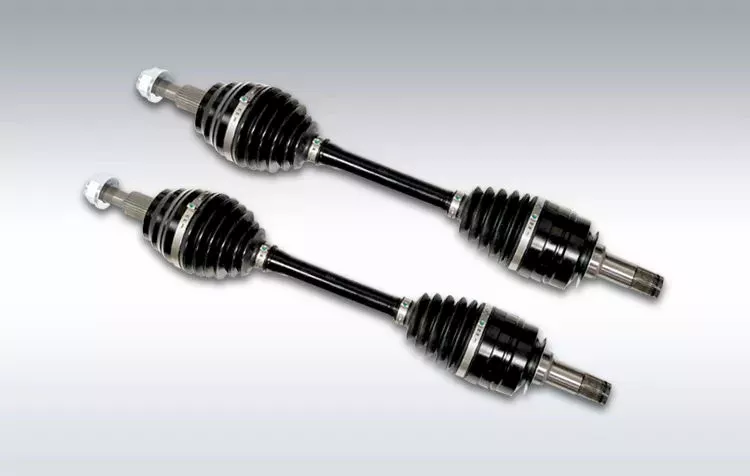
How do manufacturers ensure the compatibility of drive shafts with different equipment?
Manufacturers employ various strategies and processes to ensure the compatibility of drive shafts with different equipment. Compatibility refers to the ability of a drive shaft to effectively integrate and function within a specific piece of equipment or machinery. Manufacturers take into account several factors to ensure compatibility, including dimensional requirements, torque capacity, operating conditions, and specific application needs. Here’s a detailed explanation of how manufacturers ensure the compatibility of drive shafts:
1. Application Analysis:
Manufacturers begin by conducting a thorough analysis of the intended application and equipment requirements. This analysis involves understanding the specific torque and speed demands, operating conditions (such as temperature, vibration levels, and environmental factors), and any unique characteristics or constraints of the equipment. By gaining a comprehensive understanding of the application, manufacturers can tailor the design and specifications of the drive shaft to ensure compatibility.
2. Customization and Design:
Manufacturers often offer customization options to adapt drive shafts to different equipment. This customization involves tailoring the dimensions, materials, joint configurations, and other parameters to match the specific requirements of the equipment. By working closely with the equipment manufacturer or end-user, manufacturers can design drive shafts that align with the equipment’s mechanical interfaces, mounting points, available space, and other constraints. Customization ensures that the drive shaft fits seamlessly into the equipment, promoting compatibility and optimal performance.
3. Torque and Power Capacity:
Drive shaft manufacturers carefully determine the torque and power capacity of their products to ensure compatibility with different equipment. They consider factors such as the maximum torque requirements of the equipment, the expected operating conditions, and the safety margins necessary to withstand transient loads. By engineering drive shafts with appropriate torque ratings and power capacities, manufacturers ensure that the shaft can handle the demands of the equipment without experiencing premature failure or performance issues.
4. Material Selection:
Manufacturers choose materials for drive shafts based on the specific needs of different equipment. Factors such as torque capacity, operating temperature, corrosion resistance, and weight requirements influence material selection. Drive shafts may be made from various materials, including steel, aluminum alloys, or specialized composites, to provide the necessary strength, durability, and performance characteristics. The selected materials ensure compatibility with the equipment’s operating conditions, load requirements, and other environmental factors.
5. Joint Configurations:
Drive shafts incorporate joint configurations, such as universal joints (U-joints) or constant velocity (CV) joints, to accommodate different equipment needs. Manufacturers select and design the appropriate joint configuration based on factors such as operating angles, misalignment tolerances, and the desired level of smooth power transmission. The choice of joint configuration ensures that the drive shaft can effectively transmit power and accommodate the range of motion required by the equipment, promoting compatibility and reliable operation.
6. Quality Control and Testing:
Manufacturers implement stringent quality control processes and testing procedures to verify the compatibility of drive shafts with different equipment. These processes involve conducting dimensional inspections, material testing, torque and stress analysis, and performance testing under simulated operating conditions. By subjecting drive shafts to rigorous quality control measures, manufacturers can ensure that they meet the required specifications and performance criteria, guaranteeing compatibility with the intended equipment.
7. Стандарттарға сәйкестік:
Manufacturers ensure that their drive shafts comply with relevant industry standards and regulations. Compliance with standards, such as ISO (International Organization for Standardization) or specific industry standards, provides assurance of quality, safety, and compatibility. Adhering to these standards helps manufacturers meet the expectations and requirements of equipment manufacturers and end-users, ensuring that the drive shafts are compatible and can be seamlessly integrated into different equipment.
8. Collaboration and Feedback:
Manufacturers often collaborate closely with equipment manufacturers, OEMs (Original Equipment Manufacturers), or end-users to gather feedback and incorporate their specific requirements into the drive shaft design and manufacturing processes. This collaborative approach ensures that the drive shafts are compatible with the intended equipment and meet the expectations of the end-users. By actively seeking input and feedback, manufacturers can continuously improve their products’ compatibility and performance.
In summary, manufacturers ensure the compatibility of drive shafts with different equipment through a combination of application analysis, customization, torque and power capacity considerations, material selection, joint configurations, quality control and testing, compliance with standards, and collaboration with equipment manufacturers and end-users. These efforts enable manufacturers to design and produce drive shafts that seamlessly integrate with various equipment, ensuring optimal performance, reliability, and compatibility in different applications.
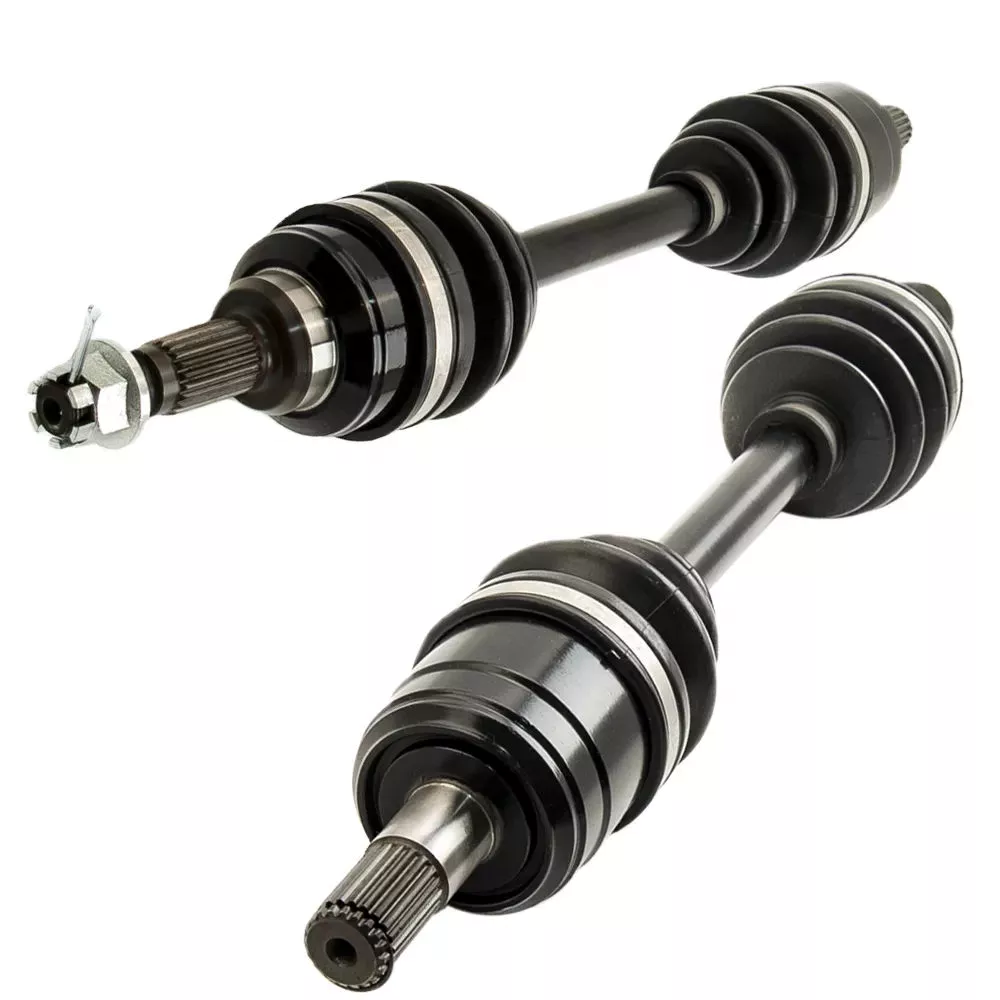
How do drive shafts handle variations in load and vibration during operation?
Drive shafts are designed to handle variations in load and vibration during operation by employing various mechanisms and features. These mechanisms help ensure smooth power transmission, minimize vibrations, and maintain the structural integrity of the drive shaft. Here’s a detailed explanation of how drive shafts handle load and vibration variations:
1. Material Selection and Design:
Drive shafts are typically made from materials with high strength and stiffness, such as steel alloys or composite materials. The material selection and design take into account the anticipated loads and operating conditions of the application. By using appropriate materials and optimizing the design, drive shafts can withstand the expected variations in load without experiencing excessive deflection or deformation.
2. Torque Capacity:
Drive shafts are designed with a specific torque capacity that corresponds to the expected loads. The torque capacity takes into account factors such as the power output of the driving source and the torque requirements of the driven components. By selecting a drive shaft with sufficient torque capacity, variations in load can be accommodated without exceeding the drive shaft’s limits and risking failure or damage.
3. Dynamic Balancing:
During the manufacturing process, drive shafts can undergo dynamic balancing. Imbalances in the drive shaft can result in vibrations during operation. Through the balancing process, weights are strategically added or removed to ensure that the drive shaft spins evenly and minimizes vibrations. Dynamic balancing helps to mitigate the effects of load variations and reduces the potential for excessive vibrations in the drive shaft.
4. Dampers and Vibration Control:
Drive shafts can incorporate dampers or vibration control mechanisms to further minimize vibrations. These devices are typically designed to absorb or dissipate vibrations that may arise from load variations or other factors. Dampers can be in the form of torsional dampers, rubber isolators, or other vibration-absorbing elements strategically placed along the drive shaft. By managing and attenuating vibrations, drive shafts ensure smooth operation and enhance overall system performance.
5. CV Joints:
Constant Velocity (CV) joints are often used in drive shafts to accommodate variations in operating angles and to maintain a constant speed. CV joints allow the drive shaft to transmit power even when the driving and driven components are at different angles. By accommodating variations in operating angles, CV joints help minimize the impact of load variations and reduce potential vibrations that may arise from changes in the driveline geometry.
6. Lubrication and Maintenance:
Proper lubrication and regular maintenance are essential for drive shafts to handle load and vibration variations effectively. Lubrication helps reduce friction between moving parts, minimizing wear and heat generation. Regular maintenance, including inspection and lubrication of joints, ensures that the drive shaft remains in optimal condition, reducing the risk of failure or performance degradation due to load variations.
7. Structural Rigidity:
Drive shafts are designed to have sufficient structural rigidity to resist bending and torsional forces. This rigidity helps maintain the integrity of the drive shaft when subjected to load variations. By minimizing deflection and maintaining structural integrity, the drive shaft can effectively transmit power and handle variations in load without compromising performance or introducing excessive vibrations.
8. Control Systems and Feedback:
In some applications, drive shafts may be equipped with control systems that actively monitor and adjust parameters such as torque, speed, and vibration. These control systems use sensors and feedback mechanisms to detect variations in load or vibrations and make real-time adjustments to optimize performance. By actively managing load variations and vibrations, drive shafts can adapt to changing operating conditions and maintain smooth operation.
In summary, drive shafts handle variations in load and vibration during operation through careful material selection and design, torque capacity considerations, dynamic balancing, integration of dampers and vibration control mechanisms, utilization of CV joints, proper lubrication and maintenance, structural rigidity, and, in some cases, control systems and feedback mechanisms. By incorporating these features and mechanisms, drive shafts ensure reliable and efficient power transmission while minimizing the impact of load variations and vibrations on overall system performance.

Әртүрлі көлік түрлері мен жабдықтар үшін жетек біліктерінің қандай артықшылықтары бар?
Жетек біліктері әртүрлі көлік түрлері мен жабдықтар үшін бірнеше артықшылықтар ұсынады. Олар қуат беруде маңызды рөл атқарады және әртүрлі жүйелердің жалпы өнімділігіне, тиімділігіне және функционалдығына ықпал етеді. Жетек біліктерінің артықшылықтары туралы егжей-тегжейлі түсініктеме берілген:
1. Тиімді қуат беру:
Жетек біліктері қозғалтқыштан немесе қуат көзінен дөңгелектерге немесе жетектегі компоненттерге тиімді қуат беруді қамтамасыз етеді. Қозғалтқышты немесе қозғалтқышты жетектегі жүйеге қосу арқылы жетек біліктері айналмалы қуатты тиімді түрде береді, бұл көліктер мен жабдықтардың мақсатты функцияларын орындауына мүмкіндік береді. Бұл тиімді қуат беру қозғалтқыш шығаратын қуаттың тиімді пайдаланылуын қамтамасыз етеді, жүйенің жалпы өнімділігі мен өнімділігін оңтайландырады.
2. Әмбебаптылық:
Жетек біліктері қолданылуда жан-жақтылықты ұсынады. Олар жеңіл көліктерде, жүк көліктерінде, мотоциклдерде және жол талғамайтын көліктерде қолданылады. Сонымен қатар, жетек біліктері ауылшаруашылық техникасы, құрылыс техникасы, өнеркәсіптік техника және теңіз кемелері сияқты көптеген жабдықтар мен техникаларда қолданылады. Әртүрлі көлік түрлері мен жабдықтарға бейімделу қабілеті жетек біліктерін қуат беру үшін жан-жақты компонент етеді.
3. Айналдыру моментін басқару:
Жетек біліктері жоғары деңгейдегі айналу моментін басқаруға арналған. Айналдыру моменті - қозғалтқыш немесе қуат көзінен пайда болатын айналу күші. Жетек біліктері бұл айналу моментін шамадан тыс бұралмай немесе майыспай тиімді беру үшін жасалған. Айналдыру моментін тиімді басқару арқылы жетек біліктері қозғалтқыш шығаратын қуаттың доңғалақтарға немесе жетек компоненттеріне сенімді түрде берілуін қамтамасыз етеді, бұл көлік құралдары мен жабдықтарға ауыр жүктемелер немесе қиын жер бедері сияқты кедергілерді жеңуге мүмкіндік береді.
4. Икемділік және өтемақы:
Жетек біліктері бұрыштық қозғалыс пен тураланбау үшін икемділік пен компенсацияны қамтамасыз етеді. Көлік құралдарында жетек біліктері аспа жүйесінің қозғалысын бейімдейді, бұл дөңгелектердің өздігінен жоғары және төмен қозғалуына мүмкіндік береді. Бұл икемділік көлік тегіс емес жер бедеріне тап болған кезде де тұрақты қуат берілуін қамтамасыз етеді. Сол сияқты, машиналарда жетек біліктері қозғалтқыш немесе қозғалтқыш пен жетек компоненттері арасындағы тураланбауды өтейді, қуаттың бірқалыпты берілуін қамтамасыз етеді және жетек жүйесіне шамадан тыс жүктеменің алдын алады.
5. Салмақты азайту:
Жетек біліктері көліктер мен жабдықтардың салмағын азайтуға ықпал етеді. Белдік жетегі немесе шынжырлы жетегі сияқты басқа қуат беру түрлерімен салыстырғанда, жетек біліктерінің салмағы әдетте жеңіл болады. Салмақтың бұлай төмендеуі көліктердегі отын тиімділігін арттыруға көмектеседі және жабдықтың жалпы салмағын азайтады, бұл маневрдің жақсаруына және пайдалы жүктеме сыйымдылығының артуына әкеледі. Сонымен қатар, жеңіл жетек біліктері қуат пен салмақ арақатынасын жақсартуға ықпал етеді, бұл өнімділік пен үдеуді жақсартады.
6. Беріктігі және ұзақ қызмет ету мерзімі:
Жетек біліктері берік және ұзақ мерзімді болу үшін жасалған. Олар болат немесе алюминий сияқты жоғары беріктік пен тозуға және шаршауға төзімділікті қамтамасыз ететін материалдардан жасалған. Жетек біліктері сенімділігі мен ұзақ мерзімділігін қамтамасыз ету үшін қатаң сынақтан және сапаны бақылау шараларынан өтеді. Майлауды және үнемі тексерулерді қоса алғанда, тиісті техникалық қызмет көрсету олардың беріктігін одан әрі арттырады. Жетек біліктерінің берік конструкциясы және ұзақ қызмет ету мерзімі көліктер мен жабдықтардың жалпы сенімділігі мен үнемділігіне ықпал етеді.
7. Қауіпсіздік:
Жетек біліктері операторлар мен айналадағыларды қорғау үшін қауіпсіздік мүмкіндіктерін қамтиды. Көлік құралдарында жетек біліктері көбінесе қорғаныш түтікшесіне немесе корпусына салынған, бұл қозғалатын бөлшектермен жанасуды болдырмайды және істен шыққан жағдайда жарақат алу қаупін азайтады. Сол сияқты, машиналарда айналатын компоненттермен байланысты ықтимал қауіптерді азайту үшін ашық жетек біліктерінің айналасына қауіпсіздік қалқандары немесе күзетшілер орнатылады. Бұл қауіпсіздік шаралары көліктер мен жабдықтарға жақын жерде жұмыс істейтін немесе жұмыс істейтін адамдардың әл-ауқатын қамтамасыз етеді.
Қорытындылай келе, жетек біліктері әртүрлі көлік түрлері мен жабдықтары үшін бірнеше артықшылықтар ұсынады. Олар тиімді қуат беруді қамтамасыз етеді, әртүрлі қолданбаларда жан-жақтылықты қамтамасыз етеді, айналу моментін тиімді басқарады, икемділік пен өтемақы ұсынады, салмақты азайтуға ықпал етеді, беріктік пен ұзақ мерзімділікті қамтамасыз етеді және қауіпсіздік мүмкіндіктерін қамтиды. Осы артықшылықтарды қамтамасыз ету арқылы жетек біліктері әртүрлі салалардағы көліктер мен жабдықтардың өнімділігін, тиімділігін, сенімділігін және қауіпсіздігін арттырады.


editor by CX 2023-11-17























