
Ürün Açıklaması
| Product Name | Pins (Female thread guide pins, Male thread guide pins, Self-clinching guide pins, Self-clinching pilot pins, Thin panel guide pins) |
| Design/Size | According to customer’s drawing or sample |
| Yüzey İşlemi | Zinc Plated (Yellow,Clear,Blue,Black), Anodize(Black, Gold, Natural), Copper Red, Copper Yellow, Sandblast and Anodize, Nickel Flash, Chrome Flash, Nickel Electroless, Tin Flash, Passivaton, Electro Painting etc. |
| Başvuru | Healthcare, automotive, electronics, communications, telecommunications, shipbuilding, aviation & traditional manufacturing |
| Customized Products Lead time |
3-7 working days for samples generally, mass production as per detail qty after samples approval |
| Test Equipment | Automatic screening machine, Nut sorter, 2D Projector,Vicker Hardness Tester, Calipers, Pin Gauge,Salt Spray Test Machine,ROHS & Film thickness test machine, Push/Tensile machine, Installation Machine, Torquemeter, Magnifier |
| Shipping | By sea, by air, International Express(DHL,FedEx,TNT,UPS) |
| Paketleme | Inner-Plastic bag+Outer-Standard Carton Box or according to customers’ requirements |
| For more information visit: dgchangjun | |
Product Image
Our Services
1. Professional Manufacturer: All of our Fastener are designed and manufactured according to Buyers’ pecification and performance.
2. Quality is guaranteed: Durability testing and critical technical design to enhance fasteners Lifetime.
3. Cost effective: Competitive prices with professional factory supply perfect fastening solution with more than 15 years experiences to solve your problem, wide range of parts selection.
4. Customized Ideal Fasteners: Customized services according to the samples and drawings Offered
About Us
HangZhou Changjun Industrial Co.,Ltd was founded in 2006, and is located in HangZhou City,ZheJiang , Province, China.It is a professional high-precision hardware processing factory integrating R&D,production and sales,provide customers a variety of high quality fasteners.
Changjun provides the customers with one-stop OEM/ODM solution for hardware fields.
Our service includes high-precision machining, drawing design for new sample, non-standard special-shaped turning parts,personalized product customization and so on.
As far, our featured fastener products cover Medical parts,Auto parts,Communication parts,IT parts,Optical parts,Automation parts etc.
Changjun has strong technical strength, rich engineering experience and advanced machining equipment. We have 25 set CNC series machines including CNC machining center,CNC lathe,CNC Automatic Core Walking Machine,And also have 62 precision automatic lathe.
We have a perfect modern testing system.Our testing laboratory have more than 18 kinds of testing instrument and equipment,fully guaranteeing product quality and performance and quick service.
After year of development,Changjun has a lot of core invention patents and various certificates of honor,certified by
ISO9001:2015,ISO14001:2015,ISO13485:2016,IATF16949:2016.
The perfect and mature quality management system ensures the quality of products and enhance the competitiveness of the company in the CNC precision processing industry.Step by Step as always!Better service to customers, make Changjun from excellent to excellent.
Sertifika
Customer Visit
SSS
Q1:Can I get a sample before mass production?
A1: We can provide free sample if we have this in stock, as long as you afford the freight. If no stock,we can produce for you after get sample fee. lead time: 5-7 working days.
Q2:What is the lead time of the mass production?
A2: Normally 7-15 working days, it depends on the quantity.
Q3:How to guarantee the Quality of Industrial Parts?
A3: We have been in fastener field over 10 years with full experience. And there are 5 checks in the whole processing, We have IQC (incoming quality control), IPQCS (in process quality control section), FQC (final quality control) , OQC (out-going quality control) and full inspection to control each process of industrial parts production.
Q4:What are our machining equipment?
A4:CNC milling machines, CNC turning machines, stamping machines,grinding machines,automatic lathe machines, tapping machines, grinding machines,screw machines, cutting machines and so on.
Q5:Will my drawing be safe after you get it?
A5: Yes, we will not release your design to third party unless with your permission.
| Malzeme: | Paslanmaz çelik |
|---|---|
| Özelleştirilmiş: | Özelleştirilmiş |
| International Standard: | DIN, ANSI, GB, JIS, Bsw, GOST |
| Kalite Kontrol: | 100% Inspection Berore Shipment |
| Sertifika: | ISO9001, ISO14001, ISO13485, SGS, IATF16949 |
| Renk: | Yellow, Red, Silver, Gold, Blue, Black, Natural |
| Örnekler: |
US$ 1/Piece
1 Adet (Minimum Sipariş) | |
|---|
| Özelleştirme: |
Mevcut
| Özelleştirilmiş Talep |
|---|
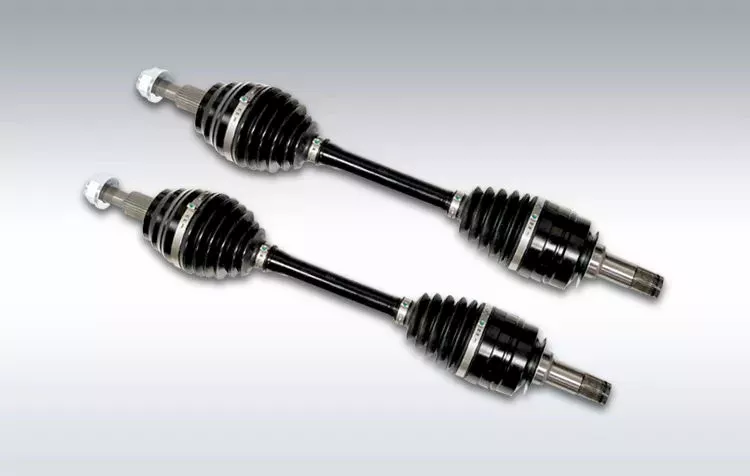
How do manufacturers ensure the compatibility of drive shafts with different equipment?
Manufacturers employ various strategies and processes to ensure the compatibility of drive shafts with different equipment. Compatibility refers to the ability of a drive shaft to effectively integrate and function within a specific piece of equipment or machinery. Manufacturers take into account several factors to ensure compatibility, including dimensional requirements, torque capacity, operating conditions, and specific application needs. Here’s a detailed explanation of how manufacturers ensure the compatibility of drive shafts:
1. Application Analysis:
Manufacturers begin by conducting a thorough analysis of the intended application and equipment requirements. This analysis involves understanding the specific torque and speed demands, operating conditions (such as temperature, vibration levels, and environmental factors), and any unique characteristics or constraints of the equipment. By gaining a comprehensive understanding of the application, manufacturers can tailor the design and specifications of the drive shaft to ensure compatibility.
2. Customization and Design:
Manufacturers often offer customization options to adapt drive shafts to different equipment. This customization involves tailoring the dimensions, materials, joint configurations, and other parameters to match the specific requirements of the equipment. By working closely with the equipment manufacturer or end-user, manufacturers can design drive shafts that align with the equipment’s mechanical interfaces, mounting points, available space, and other constraints. Customization ensures that the drive shaft fits seamlessly into the equipment, promoting compatibility and optimal performance.
3. Torque and Power Capacity:
Drive shaft manufacturers carefully determine the torque and power capacity of their products to ensure compatibility with different equipment. They consider factors such as the maximum torque requirements of the equipment, the expected operating conditions, and the safety margins necessary to withstand transient loads. By engineering drive shafts with appropriate torque ratings and power capacities, manufacturers ensure that the shaft can handle the demands of the equipment without experiencing premature failure or performance issues.
4. Material Selection:
Manufacturers choose materials for drive shafts based on the specific needs of different equipment. Factors such as torque capacity, operating temperature, corrosion resistance, and weight requirements influence material selection. Drive shafts may be made from various materials, including steel, aluminum alloys, or specialized composites, to provide the necessary strength, durability, and performance characteristics. The selected materials ensure compatibility with the equipment’s operating conditions, load requirements, and other environmental factors.
5. Joint Configurations:
Drive shafts incorporate joint configurations, such as universal joints (U-joints) or constant velocity (CV) joints, to accommodate different equipment needs. Manufacturers select and design the appropriate joint configuration based on factors such as operating angles, misalignment tolerances, and the desired level of smooth power transmission. The choice of joint configuration ensures that the drive shaft can effectively transmit power and accommodate the range of motion required by the equipment, promoting compatibility and reliable operation.
6. Quality Control and Testing:
Manufacturers implement stringent quality control processes and testing procedures to verify the compatibility of drive shafts with different equipment. These processes involve conducting dimensional inspections, material testing, torque and stress analysis, and performance testing under simulated operating conditions. By subjecting drive shafts to rigorous quality control measures, manufacturers can ensure that they meet the required specifications and performance criteria, guaranteeing compatibility with the intended equipment.
7. Compliance with Standards:
Manufacturers ensure that their drive shafts comply with relevant industry standards and regulations. Compliance with standards, such as ISO (International Organization for Standardization) or specific industry standards, provides assurance of quality, safety, and compatibility. Adhering to these standards helps manufacturers meet the expectations and requirements of equipment manufacturers and end-users, ensuring that the drive shafts are compatible and can be seamlessly integrated into different equipment.
8. Collaboration and Feedback:
Manufacturers often collaborate closely with equipment manufacturers, OEMs (Original Equipment Manufacturers), or end-users to gather feedback and incorporate their specific requirements into the drive shaft design and manufacturing processes. This collaborative approach ensures that the drive shafts are compatible with the intended equipment and meet the expectations of the end-users. By actively seeking input and feedback, manufacturers can continuously improve their products’ compatibility and performance.
In summary, manufacturers ensure the compatibility of drive shafts with different equipment through a combination of application analysis, customization, torque and power capacity considerations, material selection, joint configurations, quality control and testing, compliance with standards, and collaboration with equipment manufacturers and end-users. These efforts enable manufacturers to design and produce drive shafts that seamlessly integrate with various equipment, ensuring optimal performance, reliability, and compatibility in different applications.
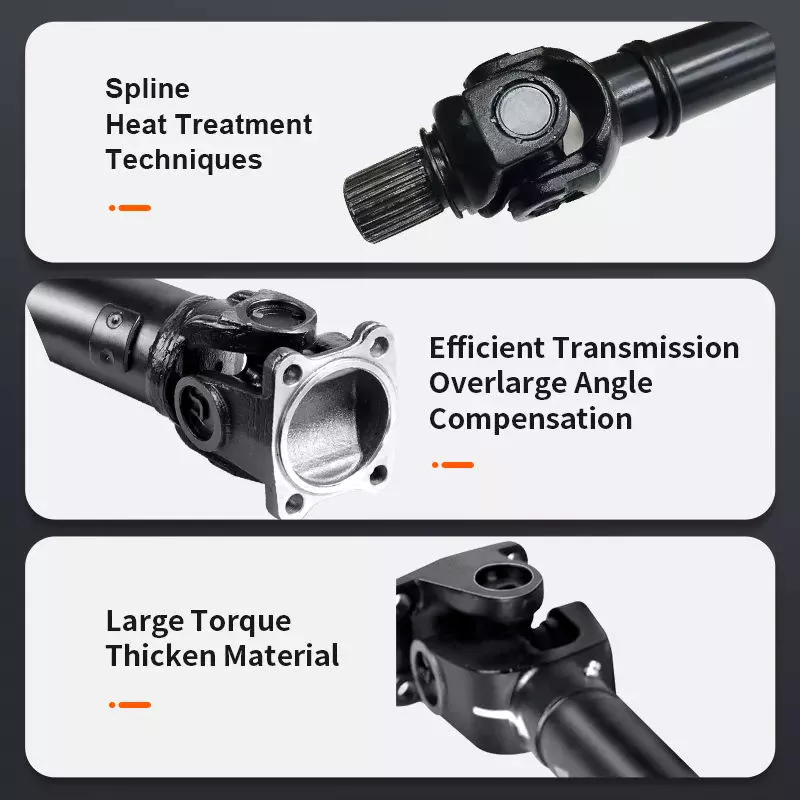
Tahrik milleri, araç tahrik ve güç iletiminin verimliliğine nasıl katkıda bulunur?
Tahrik milleri, araç tahrik ve güç aktarım sistemlerinin verimliliğinde çok önemli bir rol oynar. Motor veya güç kaynağından tekerleklere veya tahrik edilen bileşenlere güç aktarmaktan sorumludurlar. İşte tahrik millerinin araç tahrik ve güç aktarım verimliliğine nasıl katkıda bulunduğuna dair ayrıntılı bir açıklama:
1. Güç Aktarımı:
Tahrik milleri, gücü motordan veya güç kaynağından tekerleklere veya tahrik edilen bileşenlere iletir. Dönme enerjisini verimli bir şekilde aktararak, tahrik milleri aracın ileri hareket etmesini veya makineleri çalıştırmasını sağlar. Tahrik millerinin tasarımı ve yapısı, aktarım işlemi sırasında minimum güç kaybı sağlayarak güç iletim verimliliğini en üst düzeye çıkarır.
2. Tork Dönüşümü:
Tahrik milleri, motordan veya güç kaynağından gelen torku tekerleklere veya tahrik edilen bileşenlere iletebilir. Tork dönüşümü, motorun güç özelliklerini aracın veya makinenin gereksinimleriyle eşleştirmek için gereklidir. Uygun tork dönüşüm kapasitesine sahip tahrik milleri, tekerleklere iletilen gücün verimli tahrik ve performans için optimize edilmesini sağlar.
3. Sabit Hız (CV) Eklemleri:
Birçok tahrik mili, tahrik eden ve tahrik edilen bileşenler farklı açılarda olsa bile sabit bir hız ve verimli güç aktarımı sağlamaya yardımcı olan Sabit Hız (CV) mafsalları içerir. CV mafsalları, düzgün güç aktarımına olanak tanır ve değişen çalışma açılarından kaynaklanabilecek titreşim veya güç kayıplarını en aza indirir. Sabit hızı koruyarak, tahrik milleri verimli güç aktarımına ve genel araç performansının iyileştirilmesine katkıda bulunur.
4. Hafif Yapı:
Verimli tahrik milleri genellikle alüminyum veya kompozit malzemeler gibi hafif malzemelerden tasarlanır. Hafif yapı, tahrik milinin dönme kütlesini azaltır; bu da daha düşük atalet ve daha yüksek verimlilik sağlar. Azaltılmış dönme kütlesi, motorun daha hızlı hızlanmasını ve yavaşlamasını sağlayarak daha iyi yakıt verimliliği ve genel araç performansı sunar.
5. Sürtünmenin En Aza İndirilmesi:
Verimli tahrik milleri, güç iletimi sırasında sürtünme kayıplarını en aza indirgemek üzere tasarlanmıştır. Yüksek kaliteli rulmanlar, düşük sürtünmeli contalar ve uygun yağlama gibi özellikler içererek sürtünmeden kaynaklanan enerji kayıplarını azaltırlar. Sürtünmeyi en aza indirerek, tahrik milleri güç iletim verimliliğini artırır ve tahrik veya diğer makinelerin çalıştırılması için mevcut gücü en üst düzeye çıkarır.
6. Dengeli ve Titreşimsiz Çalışma:
Tahrik milleri, sorunsuz ve titreşimsiz çalışma sağlamak için üretim sürecinde dinamik dengelemeye tabi tutulur. Tahrik milindeki dengesizlikler, güç kayıplarına, artan aşınmaya ve genel verimliliği azaltan titreşimlere yol açabilir. Tahrik milinin dengelenmesiyle, düzgün bir şekilde dönmesi sağlanarak titreşimler en aza indirilir ve güç aktarım verimliliği optimize edilir.
7. Bakım ve Düzenli Kontrol:
Tahrik millerinin verimliliğini korumak için uygun bakım ve düzenli kontrol şarttır. Düzenli yağlama, bağlantı noktalarının ve bileşenlerin kontrolü ve aşınmış veya hasar görmüş parçaların derhal onarılması veya değiştirilmesi, optimum güç aktarım verimliliğini sağlamaya yardımcı olur. İyi bakımlı tahrik milleri minimum sürtünme, daha düşük güç kayıpları ve daha yüksek genel verimlilikle çalışır.
8. Verimli İletim Sistemleriyle Entegrasyon:
Tahrik milleri, manuel, otomatik veya sürekli değişken şanzımanlar gibi verimli aktarma sistemleriyle birlikte çalışır. Bu şanzımanlar, sürüş koşullarına ve araç hızına bağlı olarak güç dağıtımını ve vites oranlarını optimize etmeye yardımcı olur. Verimli aktarma sistemleriyle entegre olarak, tahrik milleri aracın genel tahrik ve güç aktarım sisteminin verimliliğine katkıda bulunur.
9. Aerodinamik Hususlar:
Bazı durumlarda, tahrik milleri aerodinamik hususlar göz önünde bulundurularak tasarlanır. Genellikle yüksek performanslı veya elektrikli araçlarda kullanılan aerodinamik tahrik milleri, genel araç verimliliğini artırmak için sürtünmeyi ve hava direncini en aza indirir. Aerodinamik sürtünmeyi azaltarak, tahrik milleri aracın verimli tahrikine ve güç aktarımına katkıda bulunur.
10. Optimize Edilmiş Uzunluk ve Tasarım:
Tahrik milleri, enerji kayıplarını en aza indirgemek için optimum uzunluk ve tasarımlara sahip olacak şekilde tasarlanmıştır. Aşırı uzun tahrik mili veya uygunsuz tasarım, ek dönme kütlesi oluşturabilir, eğilme gerilimlerini artırabilir ve enerji kayıplarına yol açabilir. Uzunluk ve tasarımın optimize edilmesiyle tahrik milleri, güç aktarım verimliliğini en üst düzeye çıkarır ve genel araç verimliliğinin artmasına katkıda bulunur.
Genel olarak, tahrik milleri, etkili güç aktarımı, tork dönüşümü, CV mafsallarının kullanımı, hafif yapı, minimum sürtünme, dengeli çalışma, düzenli bakım, verimli şanzıman sistemleriyle entegrasyon, aerodinamik hususlar ve optimize edilmiş uzunluk ve tasarım yoluyla araç tahrik ve güç iletiminin verimliliğine katkıda bulunur. Verimli güç iletimini sağlayarak ve enerji kayıplarını en aza indirerek, tahrik milleri, araçların ve makinelerin genel verimliliğini ve performansını artırmada önemli bir rol oynar.

What is a drive shaft and how does it function in vehicles and machinery?
A drive shaft, also known as a propeller shaft or prop shaft, is a mechanical component that plays a critical role in transmitting rotational power from the engine to the wheels or other driven components in vehicles and machinery. It is commonly used in various types of vehicles, including cars, trucks, motorcycles, and agricultural or industrial machinery. Here’s a detailed explanation of what a drive shaft is and how it functions:
1. Definition and Construction: A drive shaft is a cylindrical metal tube that connects the engine or power source to the wheels or driven components. It is typically made of steel or aluminum and consists of one or more tubular sections with universal joints (U-joints) at each end. These U-joints allow for angular movement and compensation of misalignment between the engine/transmission and the driven wheels or components.
2. Power Transmission: The primary function of a drive shaft is to transmit rotational power from the engine or power source to the wheels or driven components. In vehicles, the drive shaft connects the transmission or gearbox output shaft to the differential, which then transfers power to the wheels. In machinery, the drive shaft transfers power from the engine or motor to various driven components such as pumps, generators, or other mechanical systems.
3. Torque and Speed: The drive shaft is responsible for transmitting both torque and rotational speed. Torque is the rotational force generated by the engine or power source, while rotational speed is the number of revolutions per minute (RPM). The drive shaft must be capable of transmitting the required torque without excessive twisting or bending and maintaining the desired rotational speed for efficient operation of the driven components.
4. Esnek Kaplin: The U-joints on the drive shaft provide a flexible coupling that allows for angular movement and compensation of misalignment between the engine/transmission and the driven wheels or components. As the suspension system of a vehicle moves or the machinery operates on uneven terrain, the drive shaft can adjust its length and angle to accommodate these movements, ensuring smooth power transmission and preventing damage to the drivetrain components.
5. Length and Balance: The length of the drive shaft is determined by the distance between the engine or power source and the driven wheels or components. It should be appropriately sized to ensure proper power transmission and avoid excessive vibrations or bending. Additionally, the drive shaft is carefully balanced to minimize vibrations and rotational imbalances, which can cause discomfort, reduce efficiency, and lead to premature wear of drivetrain components.
6. Safety Considerations: Drive shafts in vehicles and machinery require proper safety measures. In vehicles, drive shafts are often enclosed within a protective tube or housing to prevent contact with moving parts and reduce the risk of injury in the event of a malfunction or failure. Additionally, safety shields or guards are commonly installed around exposed drive shafts in machinery to protect operators from potential hazards associated with rotating components.
7. Maintenance and Inspection: Regular maintenance and inspection of drive shafts are essential to ensure their proper functioning and longevity. This includes checking for signs of wear, damage, or excessive play in the U-joints, inspecting the drive shaft for any cracks or deformations, and lubricating the U-joints as recommended by the manufacturer. Proper maintenance helps prevent failures, ensures optimal performance, and prolongs the service life of the drive shaft.
In summary, a drive shaft is a mechanical component that transmits rotational power from the engine or power source to the wheels or driven components in vehicles and machinery. It functions by providing a rigid connection between the engine/transmission and the driven wheels or components, while also allowing for angular movement and compensation of misalignment through the use of U-joints. The drive shaft plays a crucial role in power transmission, torque and speed delivery, flexible coupling, length and balance considerations, safety, and maintenance requirements. Its proper functioning is essential for the smooth and efficient operation of vehicles and machinery.


editor by CX 2023-10-09























