
제품 설명
| 제품명 | Pins (Female thread guide pins, Male thread guide pins, Self-clinching guide pins, Self-clinching pilot pins, Thin panel guide pins) |
| Design/Size | According to customer’s drawing or sample |
| 표면 처리 | Zinc Plated (Yellow,Clear,Blue,Black), Anodize(Black, Gold, Natural), Copper Red, Copper Yellow, Sandblast and Anodize, Nickel Flash, Chrome Flash, Nickel Electroless, Tin Flash, Passivaton, Electro Painting etc. |
| 애플리케이션 | Healthcare, automotive, electronics, communications, telecommunications, shipbuilding, aviation & traditional manufacturing |
| Customized Products Lead time |
3-7 working days for samples generally, mass production as per detail qty after samples approval |
| Test Equipment | Automatic screening machine, Nut sorter, 2D Projector,Vicker Hardness Tester, Calipers, Pin Gauge,Salt Spray Test Machine,ROHS & Film thickness test machine, Push/Tensile machine, Installation Machine, Torquemeter, Magnifier |
| Shipping | By sea, by air, International Express(DHL,FedEx,TNT,UPS) |
| 포장 | Inner-Plastic bag+Outer-Standard Carton Box or according to customers’ requirements |
| For more information visit: dgchangjun | |
Product Image
Our Services
1. Professional Manufacturer: All of our Fastener are designed and manufactured according to Buyers’ pecification and performance.
2. Quality is guaranteed: Durability testing and critical technical design to enhance fasteners Lifetime.
3. Cost effective: Competitive prices with professional factory supply perfect fastening solution with more than 15 years experiences to solve your problem, wide range of parts selection.
4. Customized Ideal Fasteners: Customized services according to the samples and drawings Offered
About Us
HangZhou Changjun Industrial Co.,Ltd was founded in 2006, and is located in HangZhou City,ZheJiang , Province, China.It is a professional high-precision hardware processing factory integrating R&D,production and sales,provide customers a variety of high quality fasteners.
Changjun provides the customers with one-stop OEM/ODM solution for hardware fields.
Our service includes high-precision machining, drawing design for new sample, non-standard special-shaped turning parts,personalized product customization and so on.
As far, our featured fastener products cover Medical parts,Auto parts,Communication parts,IT parts,Optical parts,Automation parts etc.
Changjun has strong technical strength, rich engineering experience and advanced machining equipment. We have 25 set CNC series machines including CNC machining center,CNC lathe,CNC Automatic Core Walking Machine,And also have 62 precision automatic lathe.
We have a perfect modern testing system.Our testing laboratory have more than 18 kinds of testing instrument and equipment,fully guaranteeing product quality and performance and quick service.
After year of development,Changjun has a lot of core invention patents and various certificates of honor,certified by
ISO9001:2015,ISO14001:2015,ISO13485:2016,IATF16949:2016.
The perfect and mature quality management system ensures the quality of products and enhance the competitiveness of the company in the CNC precision processing industry.Step by Step as always!Better service to customers, make Changjun from excellent to excellent.
자격증
Customer Visit
자주 묻는 질문
Q1:Can I get a sample before mass production?
A1: We can provide free sample if we have this in stock, as long as you afford the freight. If no stock,we can produce for you after get sample fee. lead time: 5-7 working days.
질문 2:What is the lead time of the mass production?
A2: Normally 7-15 working days, it depends on the quantity.
Q3:How to guarantee the Quality of Industrial Parts?
A3: We have been in fastener field over 10 years with full experience. And there are 5 checks in the whole processing, We have IQC (incoming quality control), IPQCS (in process quality control section), FQC (final quality control) , OQC (out-going quality control) and full inspection to control each process of industrial parts production.
Q4:What are our machining equipment?
A4:CNC milling machines, CNC turning machines, stamping machines,grinding machines,automatic lathe machines, tapping machines, grinding machines,screw machines, cutting machines and so on.
Q5:Will my drawing be safe after you get it?
A5: Yes, we will not release your design to third party unless with your permission.
| 재료: | Stainless Steel |
|---|---|
| Customized: | Customized |
| International Standard: | DIN, ANSI, GB, JIS, Bsw, GOST |
| Quality Control: | 100% Inspection Berore Shipment |
| 자격증: | ISO9001, ISO14001, ISO13485, SGS, IATF16949 |
| 색상: | Yellow, Red, Silver, Gold, Blue, Black, Natural |
| 샘플: |
US$ 1/Piece
1개 (최소 주문 수량) | |
|---|
| 맞춤 설정: |
사용 가능
| 맞춤형 요청 |
|---|
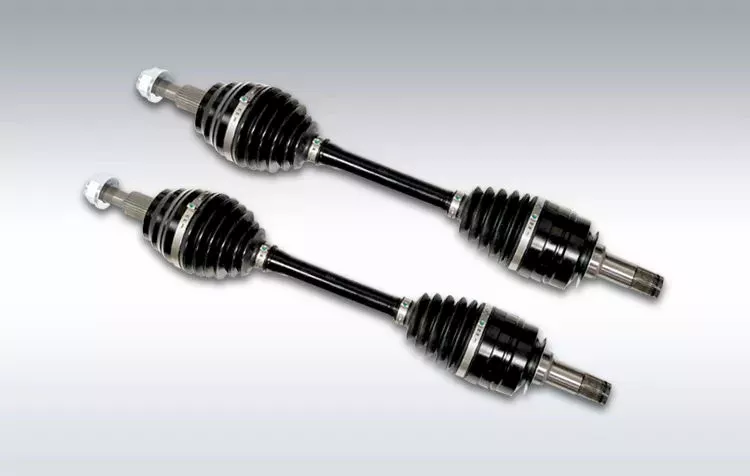
How do manufacturers ensure the compatibility of drive shafts with different equipment?
Manufacturers employ various strategies and processes to ensure the compatibility of drive shafts with different equipment. Compatibility refers to the ability of a drive shaft to effectively integrate and function within a specific piece of equipment or machinery. Manufacturers take into account several factors to ensure compatibility, including dimensional requirements, torque capacity, operating conditions, and specific application needs. Here’s a detailed explanation of how manufacturers ensure the compatibility of drive shafts:
1. Application Analysis:
Manufacturers begin by conducting a thorough analysis of the intended application and equipment requirements. This analysis involves understanding the specific torque and speed demands, operating conditions (such as temperature, vibration levels, and environmental factors), and any unique characteristics or constraints of the equipment. By gaining a comprehensive understanding of the application, manufacturers can tailor the design and specifications of the drive shaft to ensure compatibility.
2. Customization and Design:
Manufacturers often offer customization options to adapt drive shafts to different equipment. This customization involves tailoring the dimensions, materials, joint configurations, and other parameters to match the specific requirements of the equipment. By working closely with the equipment manufacturer or end-user, manufacturers can design drive shafts that align with the equipment’s mechanical interfaces, mounting points, available space, and other constraints. Customization ensures that the drive shaft fits seamlessly into the equipment, promoting compatibility and optimal performance.
3. Torque and Power Capacity:
Drive shaft manufacturers carefully determine the torque and power capacity of their products to ensure compatibility with different equipment. They consider factors such as the maximum torque requirements of the equipment, the expected operating conditions, and the safety margins necessary to withstand transient loads. By engineering drive shafts with appropriate torque ratings and power capacities, manufacturers ensure that the shaft can handle the demands of the equipment without experiencing premature failure or performance issues.
4. Material Selection:
Manufacturers choose materials for drive shafts based on the specific needs of different equipment. Factors such as torque capacity, operating temperature, corrosion resistance, and weight requirements influence material selection. Drive shafts may be made from various materials, including steel, aluminum alloys, or specialized composites, to provide the necessary strength, durability, and performance characteristics. The selected materials ensure compatibility with the equipment’s operating conditions, load requirements, and other environmental factors.
5. Joint Configurations:
Drive shafts incorporate joint configurations, such as universal joints (U-joints) or constant velocity (CV) joints, to accommodate different equipment needs. Manufacturers select and design the appropriate joint configuration based on factors such as operating angles, misalignment tolerances, and the desired level of smooth power transmission. The choice of joint configuration ensures that the drive shaft can effectively transmit power and accommodate the range of motion required by the equipment, promoting compatibility and reliable operation.
6. Quality Control and Testing:
Manufacturers implement stringent quality control processes and testing procedures to verify the compatibility of drive shafts with different equipment. These processes involve conducting dimensional inspections, material testing, torque and stress analysis, and performance testing under simulated operating conditions. By subjecting drive shafts to rigorous quality control measures, manufacturers can ensure that they meet the required specifications and performance criteria, guaranteeing compatibility with the intended equipment.
7. Compliance with Standards:
Manufacturers ensure that their drive shafts comply with relevant industry standards and regulations. Compliance with standards, such as ISO (International Organization for Standardization) or specific industry standards, provides assurance of quality, safety, and compatibility. Adhering to these standards helps manufacturers meet the expectations and requirements of equipment manufacturers and end-users, ensuring that the drive shafts are compatible and can be seamlessly integrated into different equipment.
8. Collaboration and Feedback:
Manufacturers often collaborate closely with equipment manufacturers, OEMs (Original Equipment Manufacturers), or end-users to gather feedback and incorporate their specific requirements into the drive shaft design and manufacturing processes. This collaborative approach ensures that the drive shafts are compatible with the intended equipment and meet the expectations of the end-users. By actively seeking input and feedback, manufacturers can continuously improve their products’ compatibility and performance.
In summary, manufacturers ensure the compatibility of drive shafts with different equipment through a combination of application analysis, customization, torque and power capacity considerations, material selection, joint configurations, quality control and testing, compliance with standards, and collaboration with equipment manufacturers and end-users. These efforts enable manufacturers to design and produce drive shafts that seamlessly integrate with various equipment, ensuring optimal performance, reliability, and compatibility in different applications.

How do drive shafts contribute to the efficiency of vehicle propulsion and power transmission?
Drive shafts play a crucial role in the efficiency of vehicle propulsion and power transmission systems. They are responsible for transferring power from the engine or power source to the wheels or driven components. Here’s a detailed explanation of how drive shafts contribute to the efficiency of vehicle propulsion and power transmission:
1. 전력 전송:
Drive shafts transmit power from the engine or power source to the wheels or driven components. By efficiently transferring rotational energy, drive shafts enable the vehicle to move forward or drive the machinery. The design and construction of drive shafts ensure minimal power loss during the transfer process, maximizing the efficiency of power transmission.
2. Torque Conversion:
Drive shafts can convert torque from the engine or power source to the wheels or driven components. Torque conversion is necessary to match the power characteristics of the engine with the requirements of the vehicle or machinery. Drive shafts with appropriate torque conversion capabilities ensure that the power delivered to the wheels is optimized for efficient propulsion and performance.
3. Constant Velocity (CV) Joints:
Many drive shafts incorporate Constant Velocity (CV) joints, which help maintain a constant speed and efficient power transmission, even when the driving and driven components are at different angles. CV joints allow for smooth power transfer and minimize vibration or power losses that may occur due to changing operating angles. By maintaining constant velocity, drive shafts contribute to efficient power transmission and improved overall vehicle performance.
4. Lightweight Construction:
Efficient drive shafts are often designed with lightweight materials, such as aluminum or composite materials. Lightweight construction reduces the rotational mass of the drive shaft, which results in lower inertia and improved efficiency. Reduced rotational mass enables the engine to accelerate and decelerate more quickly, allowing for better fuel efficiency and overall vehicle performance.
5. Minimized Friction:
Efficient drive shafts are engineered to minimize frictional losses during power transmission. They incorporate features such as high-quality bearings, low-friction seals, and proper lubrication to reduce energy losses caused by friction. By minimizing friction, drive shafts enhance power transmission efficiency and maximize the available power for propulsion or operating other machinery.
6. Balanced and Vibration-Free Operation:
Drive shafts undergo dynamic balancing during the manufacturing process to ensure smooth and vibration-free operation. Imbalances in the drive shaft can lead to power losses, increased wear, and vibrations that reduce overall efficiency. By balancing the drive shaft, it can spin evenly, minimizing vibrations and optimizing power transmission efficiency.
7. Maintenance and Regular Inspection:
Proper maintenance and regular inspection of drive shafts are essential for maintaining their efficiency. Regular lubrication, inspection of joints and components, and prompt repair or replacement of worn or damaged parts help ensure optimal power transmission efficiency. Well-maintained drive shafts operate with minimal friction, reduced power losses, and improved overall efficiency.
8. Integration with Efficient Transmission Systems:
Drive shafts work in conjunction with efficient transmission systems, such as manual, automatic, or continuously variable transmissions. These transmissions help optimize power delivery and gear ratios based on driving conditions and vehicle speed. By integrating with efficient transmission systems, drive shafts contribute to the overall efficiency of the vehicle propulsion and power transmission system.
9. Aerodynamic Considerations:
In some cases, drive shafts are designed with aerodynamic considerations in mind. Streamlined drive shafts, often used in high-performance or electric vehicles, minimize drag and air resistance to improve overall vehicle efficiency. By reducing aerodynamic drag, drive shafts contribute to the efficient propulsion and power transmission of the vehicle.
10. Optimized Length and Design:
Drive shafts are designed to have optimal lengths and designs to minimize energy losses. Excessive drive shaft length or improper design can introduce additional rotational mass, increase bending stresses, and result in energy losses. By optimizing the length and design, drive shafts maximize power transmission efficiency and contribute to improved overall vehicle efficiency.
Overall, drive shafts contribute to the efficiency of vehicle propulsion and power transmission through effective power transfer, torque conversion, utilization of CV joints, lightweight construction, minimized friction, balanced operation, regular maintenance, integration with efficient transmission systems, aerodynamic considerations, and optimized length and design. By ensuring efficient power delivery and minimizing energy losses, drive shafts play a significant role in enhancing the overall efficiency and performance of vehicles and machinery.

구동축이란 무엇이며 차량 및 기계에서 어떤 역할을 합니까?
구동축(프로펠러 샤프트 또는 프로펠러 샤프트라고도 함)은 차량 및 기계에서 엔진의 회전력을 바퀴 또는 기타 구동 부품으로 전달하는 데 중요한 역할을 하는 기계 부품입니다. 자동차, 트럭, 오토바이, 농업용 또는 산업용 기계를 포함한 다양한 종류의 차량에 일반적으로 사용됩니다. 구동축이 무엇이며 어떻게 작동하는지에 대한 자세한 설명은 다음과 같습니다.
1. 정의 및 구성: 구동축은 엔진이나 동력원을 바퀴나 구동 부품을 연결하는 원통형 금속 튜브입니다. 일반적으로 강철이나 알루미늄으로 만들어지며, 하나 이상의 관형 부분으로 구성되고 각 끝에는 유니버설 조인트(U자형 조인트)가 있습니다. 이 유니버설 조인트는 엔진/변속기와 구동 바퀴 또는 부품 사이의 각도 움직임을 허용하고 정렬 불량을 보정합니다.
2. 동력 전달: 구동축의 주요 기능은 엔진이나 동력원에서 바퀴 또는 구동 부품으로 회전력을 전달하는 것입니다. 차량에서 구동축은 변속기 또는 기어박스의 출력축을 차동장치에 연결하고, 차동장치는 다시 바퀴로 동력을 전달합니다. 기계류에서는 구동축이 엔진이나 모터에서 펌프, 발전기 또는 기타 기계 시스템과 같은 다양한 구동 부품으로 동력을 전달합니다.
3. 토크 및 속도: 구동축은 토크와 회전 속도를 모두 전달하는 역할을 합니다. 토크는 엔진이나 동력원에서 발생하는 회전력이고, 회전 속도는 분당 회전수(RPM)입니다. 구동축은 과도한 비틀림이나 굽힘 없이 필요한 토크를 전달하고, 구동 부품의 효율적인 작동을 위해 원하는 회전 속도를 유지할 수 있어야 합니다.
4. 유연한 결합: 구동축의 유니버설 조인트는 엔진/변속기와 구동 휠 또는 구성 요소 사이의 각도 움직임과 정렬 불량을 보정할 수 있는 유연한 연결 장치 역할을 합니다. 차량의 서스펜션 시스템이 움직이거나 기계가 고르지 않은 지형에서 작동할 때, 구동축은 이러한 움직임에 맞춰 길이와 각도를 조절할 수 있어 원활한 동력 전달을 보장하고 구동계 구성 요소의 손상을 방지합니다.
5. 길이와 균형: 구동축의 길이는 엔진 또는 동력원과 구동 휠 또는 부품 사이의 거리에 따라 결정됩니다. 적절한 동력 전달을 보장하고 과도한 진동이나 굽힘을 방지하기 위해 구동축의 크기는 적절해야 합니다. 또한, 구동축은 진동과 회전 불균형을 최소화하기 위해 정밀하게 균형을 맞춰야 합니다. 진동과 불균형은 불편함을 유발하고 효율을 저하시키며 구동계 부품의 조기 마모로 이어질 수 있습니다.
6. 안전 고려 사항: 차량 및 기계의 구동축에는 적절한 안전 조치가 필요합니다. 차량의 경우, 구동축은 움직이는 부품과의 접촉을 방지하고 오작동이나 고장 발생 시 부상 위험을 줄이기 위해 보호 튜브 또는 하우징으로 둘러싸여 있는 경우가 많습니다. 또한, 기계의 노출된 구동축 주변에는 회전 부품과 관련된 잠재적 위험으로부터 작업자를 보호하기 위해 안전 덮개 또는 가드가 설치되는 것이 일반적입니다.
7. 유지보수 및 점검: 구동축의 정상적인 작동과 수명 연장을 위해서는 정기적인 유지보수 및 점검이 필수적입니다. 여기에는 유니버설 조인트의 마모, 손상 또는 과도한 유격 여부 확인, 구동축의 균열이나 변형 검사, 그리고 제조사 권장 사항에 따른 유니버설 조인트 윤활이 포함됩니다. 적절한 유지보수는 고장을 예방하고 최적의 성능을 보장하며 구동축의 수명을 연장하는 데 도움이 됩니다.
요약하자면, 구동축은 차량 및 기계에서 엔진 또는 동력원으로부터 바퀴 또는 구동 부품으로 회전력을 전달하는 기계 부품입니다. 구동축은 엔진/변속기와 구동 바퀴 또는 부품 사이를 견고하게 연결하는 동시에 유니버설 조인트를 사용하여 각도 운동을 허용하고 정렬 불량을 보정하는 기능을 합니다. 구동축은 동력 전달, 토크 및 속도 전달, 유연한 연결, 길이 및 균형 고려 사항, 안전 및 유지 보수 요구 사항 측면에서 중요한 역할을 합니다. 구동축이 제대로 작동하는 것은 차량 및 기계의 원활하고 효율적인 작동에 필수적입니다.


editor by CX 2023-10-09























