
คำอธิบายผลิตภัณฑ์
คำอธิบายผลิตภัณฑ์
1.We are manufacturer of cv drive shaft,cv axle, cv joint and cv boot, we have more than 20-years experience in producing and selling auto parts.
2.We have strict quality control, the quality of our products is very good.
3.We are professional in different market around the world.
4.The reviews our customers given us are very positive, we have confidence in our products.
5.OEM/ODM is available, meet your requirements well.
6.Large warehouse, huge stocks!!! friendly for those customers who want some quantity.
7.Ship products out very fastly, we have stock.
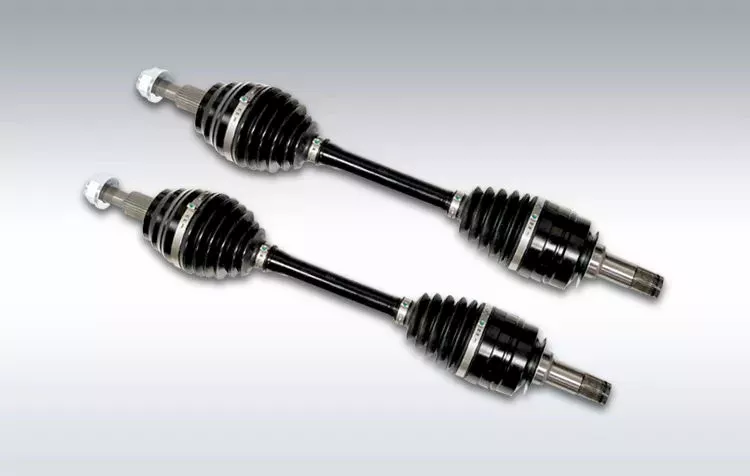
| ชื่อผลิตภัณฑ์ | Drive shaft | วัสดุ | 42CrMo alloy steel |
| Car fitment |
Chevrolet |
การรับประกัน | 12 months |
| Model | Epica 2.0 | Place of origin | ZHangZhoug, China |
| year | 2007-2009 | MOQ | 4 PCS |
| OE number | C-GM053-8H | Delivery time | 1-7 days |
| OEM/ODM | ใช่ | ยี่ห้อ | GJF |
| Packing size | 72*23.5*23.5 | Payment | L/C,T/T,western Union,Cash,PayPal |
| Sample service | Depends on the situation of stock | น้ำหนัก | 8.2088KG |
ภาพถ่ายโดยละเอียด
Customer Review
บรรจุภัณฑ์และการจัดส่ง
คำถามที่พบบ่อย
/* 22 มกราคม 2571 19:08:37 */!function(){function s(e,r){var a,o={};try{e&&e.split(“,”).forEach(function(e,t){e&&(a=e.match(/(.*?):(.*)$/))&&1
| บริการหลังการขาย: | 12 Months |
|---|---|
| เงื่อนไข: | ใหม่ |
| Axle Number: | 1 |
| แอปพลิเคชัน: | Car |
| การรับรอง: | ASTM, CE, DIN, ISO |
| วัสดุ: | Alloy |
| ตัวอย่าง: |
US$ 32/Piece
1 ชิ้น (สั่งขั้นต่ำ) | |
|---|
| การปรับแต่ง: |
มีอยู่
| คำขอที่กำหนดเอง |
|---|
How do manufacturers ensure the compatibility of drive shafts with different equipment?
Manufacturers employ various strategies and processes to ensure the compatibility of drive shafts with different equipment. Compatibility refers to the ability of a drive shaft to effectively integrate and function within a specific piece of equipment or machinery. Manufacturers take into account several factors to ensure compatibility, including dimensional requirements, torque capacity, operating conditions, and specific application needs. Here’s a detailed explanation of how manufacturers ensure the compatibility of drive shafts:
1. Application Analysis:
Manufacturers begin by conducting a thorough analysis of the intended application and equipment requirements. This analysis involves understanding the specific torque and speed demands, operating conditions (such as temperature, vibration levels, and environmental factors), and any unique characteristics or constraints of the equipment. By gaining a comprehensive understanding of the application, manufacturers can tailor the design and specifications of the drive shaft to ensure compatibility.
2. Customization and Design:
Manufacturers often offer customization options to adapt drive shafts to different equipment. This customization involves tailoring the dimensions, materials, joint configurations, and other parameters to match the specific requirements of the equipment. By working closely with the equipment manufacturer or end-user, manufacturers can design drive shafts that align with the equipment’s mechanical interfaces, mounting points, available space, and other constraints. Customization ensures that the drive shaft fits seamlessly into the equipment, promoting compatibility and optimal performance.
3. Torque and Power Capacity:
Drive shaft manufacturers carefully determine the torque and power capacity of their products to ensure compatibility with different equipment. They consider factors such as the maximum torque requirements of the equipment, the expected operating conditions, and the safety margins necessary to withstand transient loads. By engineering drive shafts with appropriate torque ratings and power capacities, manufacturers ensure that the shaft can handle the demands of the equipment without experiencing premature failure or performance issues.
4. Material Selection:
Manufacturers choose materials for drive shafts based on the specific needs of different equipment. Factors such as torque capacity, operating temperature, corrosion resistance, and weight requirements influence material selection. Drive shafts may be made from various materials, including steel, aluminum alloys, or specialized composites, to provide the necessary strength, durability, and performance characteristics. The selected materials ensure compatibility with the equipment’s operating conditions, load requirements, and other environmental factors.
5. Joint Configurations:
Drive shafts incorporate joint configurations, such as universal joints (U-joints) or constant velocity (CV) joints, to accommodate different equipment needs. Manufacturers select and design the appropriate joint configuration based on factors such as operating angles, misalignment tolerances, and the desired level of smooth power transmission. The choice of joint configuration ensures that the drive shaft can effectively transmit power and accommodate the range of motion required by the equipment, promoting compatibility and reliable operation.
6. Quality Control and Testing:
Manufacturers implement stringent quality control processes and testing procedures to verify the compatibility of drive shafts with different equipment. These processes involve conducting dimensional inspections, material testing, torque and stress analysis, and performance testing under simulated operating conditions. By subjecting drive shafts to rigorous quality control measures, manufacturers can ensure that they meet the required specifications and performance criteria, guaranteeing compatibility with the intended equipment.
7. การปฏิบัติตามมาตรฐาน:
Manufacturers ensure that their drive shafts comply with relevant industry standards and regulations. Compliance with standards, such as ISO (International Organization for Standardization) or specific industry standards, provides assurance of quality, safety, and compatibility. Adhering to these standards helps manufacturers meet the expectations and requirements of equipment manufacturers and end-users, ensuring that the drive shafts are compatible and can be seamlessly integrated into different equipment.
8. Collaboration and Feedback:
Manufacturers often collaborate closely with equipment manufacturers, OEMs (Original Equipment Manufacturers), or end-users to gather feedback and incorporate their specific requirements into the drive shaft design and manufacturing processes. This collaborative approach ensures that the drive shafts are compatible with the intended equipment and meet the expectations of the end-users. By actively seeking input and feedback, manufacturers can continuously improve their products’ compatibility and performance.
In summary, manufacturers ensure the compatibility of drive shafts with different equipment through a combination of application analysis, customization, torque and power capacity considerations, material selection, joint configurations, quality control and testing, compliance with standards, and collaboration with equipment manufacturers and end-users. These efforts enable manufacturers to design and produce drive shafts that seamlessly integrate with various equipment, ensuring optimal performance, reliability, and compatibility in different applications.

คุณสามารถยกตัวอย่างยานพาหนะและเครื่องจักรในโลกแห่งความเป็นจริงที่ใช้เพลาขับได้หรือไม่?
เพลาขับเป็นชิ้นส่วนที่ใช้กันอย่างแพร่หลายในยานพาหนะและเครื่องจักรต่างๆ เพื่อส่งกำลังจากเครื่องยนต์หรือแหล่งพลังงานไปยังล้อหรือชิ้นส่วนที่ถูกขับเคลื่อน ต่อไปนี้เป็นตัวอย่างยานพาหนะและเครื่องจักรในโลกแห่งความเป็นจริงที่ใช้เพลาขับ:
1. รถยนต์:
เพลาขับเป็นชิ้นส่วนที่พบได้ทั่วไปในรถยนต์ โดยเฉพาะรถยนต์ขับเคลื่อนล้อหลังหรือขับเคลื่อนสี่ล้อ ในรถยนต์เหล่านี้ เพลาขับจะส่งกำลังจากเกียร์หรือชุดเกียร์ไปยังเฟืองท้ายด้านหลังหรือด้านหน้าตามลำดับ ซึ่งจะช่วยกระจายกำลังจากเครื่องยนต์ไปยังล้อ ทำให้รถเคลื่อนที่ไปข้างหน้า
2. รถบรรทุกและรถยนต์เพื่อการพาณิชย์:
เพลาขับเป็นส่วนประกอบที่สำคัญในรถบรรทุกและรถยนต์เพื่อการพาณิชย์ ทำหน้าที่ส่งกำลังจากเกียร์หรือชุดเกียร์ทดกำลังไปยังเพลาล้อหลัง หรือหลายเพลาในกรณีของรถบรรทุกขนาดใหญ่ เพลาขับในรถยนต์เพื่อการพาณิชย์ได้รับการออกแบบให้รับแรงบิดได้สูงกว่า และมักมีขนาดใหญ่และแข็งแรงกว่าเพลาขับที่ใช้ในรถยนต์นั่งส่วนบุคคล
3. อุปกรณ์ก่อสร้างและเคลื่อนย้ายดิน:
เครื่องจักรสำหรับงานก่อสร้างและงานดินประเภทต่างๆ เช่น รถขุด รถตัก รถดันดิน และรถเกรด ล้วนใช้เพลาขับในการส่งกำลัง เครื่องจักรเหล่านี้มักมีระบบส่งกำลังที่ซับซ้อน ซึ่งใช้เพลาขับในการถ่ายทอดกำลังจากเครื่องยนต์ไปยังล้อหรือตีนตะขาบ ทำให้สามารถทำงานหนักในสถานที่ก่อสร้างหรือในเหมืองแร่ได้
4. เครื่องจักรกลการเกษตร:
เครื่องจักรกลการเกษตร เช่น รถแทรกเตอร์ รถเกี่ยวข้าว และเครื่องเก็บเกี่ยว ใช้เพลาขับในการส่งกำลังจากเครื่องยนต์ไปยังล้อหรือชิ้นส่วนที่ถูกขับเคลื่อน เพลาขับในเครื่องจักรกลการเกษตรมักต้องรับภาระหนักและอาจมีคุณสมบัติเพิ่มเติม เช่น ส่วนที่ยืดหดได้ เพื่อรองรับระยะห่างที่แตกต่างกันระหว่างชิ้นส่วนต่างๆ
5. เครื่องจักรกลอุตสาหกรรม:
เครื่องจักรกลอุตสาหกรรม เช่น อุปกรณ์การผลิต เครื่องกำเนิดไฟฟ้า ปั๊ม และคอมเพรสเซอร์ มักจะมีเพลาขับอยู่ในระบบส่งกำลัง เพลาขับเหล่านี้จะส่งกำลังจากมอเตอร์ไฟฟ้า เครื่องยนต์ หรือแหล่งพลังงานอื่นๆ ไปยังชิ้นส่วนต่างๆ ที่ต้องการขับเคลื่อน ทำให้เครื่องจักรสามารถทำงานเฉพาะอย่างในสภาพแวดล้อมทางอุตสาหกรรมได้
6. เรือเดินทะเล:
ในงานด้านการเดินเรือ เพลาขับมักใช้ในการส่งกำลังจากเครื่องยนต์ไปยังใบพัดในเรือ เรือเดินสมุทร และยานพาหนะทางน้ำอื่นๆ เพลาขับสำหรับงานเดินเรือโดยทั่วไปจะยาวกว่าและได้รับการออกแบบให้ทนทานต่อความท้าทายเฉพาะของสภาพแวดล้อมทางน้ำ รวมถึงความต้านทานต่อการกัดกร่อนและกลไกการซีลที่เหมาะสม
7. รถบ้าน (RV) และรถมอเตอร์โฮม:
รถบ้านและรถมอเตอร์โฮมมักใช้เพลาขับเป็นส่วนหนึ่งของระบบส่งกำลัง เพลาขับเหล่านี้ส่งกำลังจากเกียร์ไปยังเพลาล้อหลัง ทำให้รถเคลื่อนที่และให้แรงขับเคลื่อน เพลาขับในรถบ้านอาจมีคุณสมบัติเพิ่มเติม เช่น ตัวลดแรงสั่นสะเทือนหรือส่วนประกอบลดการสั่นสะเทือนเพื่อเพิ่มความสะดวกสบายระหว่างการเดินทาง
8. ยานพาหนะออฟโรดและรถแข่ง:
รถยนต์ออฟโรด เช่น รถ SUV รถกระบะ และรถเอทีวี (ATV) รวมถึงรถแข่ง มักใช้เพลาขับ เพลาขับเหล่านี้ได้รับการออกแบบมาให้ทนทานต่อสภาพการใช้งานหนักในสภาพถนนออฟโรดหรือการแข่งขันสมรรถนะสูง ส่งกำลังไปยังล้อได้อย่างมีประสิทธิภาพ และรับประกันการยึดเกาะและสมรรถนะที่ดีที่สุด
9. รถไฟและอุปกรณ์ที่เกี่ยวข้อง:
ในระบบรถไฟ เพลาขับถูกนำมาใช้ในหัวรถจักรและรถไฟบางประเภท ทำหน้าที่ส่งกำลังจากเครื่องยนต์ของหัวรถจักรไปยังล้อหรือระบบขับเคลื่อน ทำให้รถไฟสามารถเคลื่อนที่ไปตามรางได้ โดยทั่วไปแล้ว เพลาขับของรถไฟจะยาวกว่ามาก และอาจมีคุณสมบัติเพิ่มเติมเพื่อรองรับลักษณะการเชื่อมต่อหรือความยืดหยุ่นของรถไฟบางประเภท
10. กังหันลม:
กังหันลมขนาดใหญ่ที่ใช้ในการผลิตไฟฟ้าจะมีเพลาขับเป็นส่วนหนึ่งของระบบส่งกำลัง เพลาขับจะถ่ายโอนพลังงานการหมุนจากใบพัดของกังหันไปยังเครื่องกำเนิดไฟฟ้า ซึ่งจะถูกแปลงเป็นพลังงานไฟฟ้า เพลาขับในกังหันลมได้รับการออกแบบมาให้รับมือกับแรงบิดและแรงหมุนมหาศาลที่เกิดจากลมได้
ตัวอย่างเหล่านี้แสดงให้เห็นถึงยานพาหนะและเครื่องจักรหลากหลายประเภทที่ใช้เพลาขับในการส่งกำลังและขับเคลื่อนอย่างมีประสิทธิภาพ เพลาขับเป็นส่วนประกอบที่สำคัญในอุตสาหกรรมต่างๆ ช่วยให้สามารถถ่ายทอดกำลังจากแหล่งกำเนิดไปยังส่วนประกอบที่ถูกขับเคลื่อน ซึ่งท้ายที่สุดแล้วจะช่วยให้เกิดการเคลื่อนไหว การทำงาน หรือการปฏิบัติงานเฉพาะอย่างได้

What is a drive shaft and how does it function in vehicles and machinery?
A drive shaft, also known as a propeller shaft or prop shaft, is a mechanical component that plays a critical role in transmitting rotational power from the engine to the wheels or other driven components in vehicles and machinery. It is commonly used in various types of vehicles, including cars, trucks, motorcycles, and agricultural or industrial machinery. Here’s a detailed explanation of what a drive shaft is and how it functions:
1. Definition and Construction: A drive shaft is a cylindrical metal tube that connects the engine or power source to the wheels or driven components. It is typically made of steel or aluminum and consists of one or more tubular sections with universal joints (U-joints) at each end. These U-joints allow for angular movement and compensation of misalignment between the engine/transmission and the driven wheels or components.
2. Power Transmission: The primary function of a drive shaft is to transmit rotational power from the engine or power source to the wheels or driven components. In vehicles, the drive shaft connects the transmission or gearbox output shaft to the differential, which then transfers power to the wheels. In machinery, the drive shaft transfers power from the engine or motor to various driven components such as pumps, generators, or other mechanical systems.
3. Torque and Speed: The drive shaft is responsible for transmitting both torque and rotational speed. Torque is the rotational force generated by the engine or power source, while rotational speed is the number of revolutions per minute (RPM). The drive shaft must be capable of transmitting the required torque without excessive twisting or bending and maintaining the desired rotational speed for efficient operation of the driven components.
4. ข้อต่อแบบยืดหยุ่น: The U-joints on the drive shaft provide a flexible coupling that allows for angular movement and compensation of misalignment between the engine/transmission and the driven wheels or components. As the suspension system of a vehicle moves or the machinery operates on uneven terrain, the drive shaft can adjust its length and angle to accommodate these movements, ensuring smooth power transmission and preventing damage to the drivetrain components.
5. Length and Balance: The length of the drive shaft is determined by the distance between the engine or power source and the driven wheels or components. It should be appropriately sized to ensure proper power transmission and avoid excessive vibrations or bending. Additionally, the drive shaft is carefully balanced to minimize vibrations and rotational imbalances, which can cause discomfort, reduce efficiency, and lead to premature wear of drivetrain components.
6. Safety Considerations: Drive shafts in vehicles and machinery require proper safety measures. In vehicles, drive shafts are often enclosed within a protective tube or housing to prevent contact with moving parts and reduce the risk of injury in the event of a malfunction or failure. Additionally, safety shields or guards are commonly installed around exposed drive shafts in machinery to protect operators from potential hazards associated with rotating components.
7. Maintenance and Inspection: Regular maintenance and inspection of drive shafts are essential to ensure their proper functioning and longevity. This includes checking for signs of wear, damage, or excessive play in the U-joints, inspecting the drive shaft for any cracks or deformations, and lubricating the U-joints as recommended by the manufacturer. Proper maintenance helps prevent failures, ensures optimal performance, and prolongs the service life of the drive shaft.
In summary, a drive shaft is a mechanical component that transmits rotational power from the engine or power source to the wheels or driven components in vehicles and machinery. It functions by providing a rigid connection between the engine/transmission and the driven wheels or components, while also allowing for angular movement and compensation of misalignment through the use of U-joints. The drive shaft plays a crucial role in power transmission, torque and speed delivery, flexible coupling, length and balance considerations, safety, and maintenance requirements. Its proper functioning is essential for the smooth and efficient operation of vehicles and machinery.


editor by CX 2024-04-25























