
คำอธิบายผลิตภัณฑ์
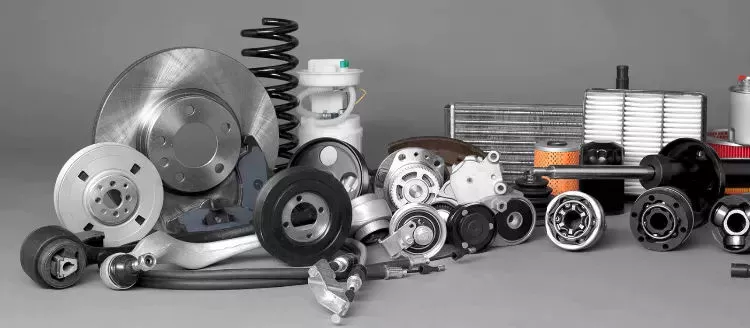
CV Axles are engineered to provide OE fit, form, and function – premium materials, coupled with precise machining and balancing, ensure smooth, vibration free performance in all driving conditions.
Since boot failure is the main cause of CV axle failure, our axles use only premium grade neoprene boots that ensure robust abrasion and extreme temperature resistance, preserving boot integrity.
Assembled with a specially formulated, high-temperature Moly grease that resists friction and wear, contributing to a lifetime of smooth, dependable performance.
All axles are thoroughly inspected for quality and workmanship, and because we believe in the exceptional quality of our components, every axle comes with warranty.
บรรจุุภัณฑ์
คำถามที่พบบ่อย
1. Is the product fit to your car model?
Please check if the parts are suitable for your model before purchase.
Or please tell us your Car Model and OE Number, and tell us the product name.
2. What you can supply to me?
We could supply all kinds of auto spare parts and accessories. Besides ,we provide OEM service, shipping service and QC service as well to make sure you get ONE-STOP purchase process from us.
3. Can you customize the products as per our request?
Yes, we do OEM and ODM. We could make the product suggestion based on your idea and budget.
4. How to get a sample from you?
All samples will be free if unit cost under 20USD,but the freight should be on your side. If you have express account like DHL,UPS etc we will send you directly, if you don’t have you can send express cost to our paypal account, any sample cost could be returned when you make order.
5. What’s your payment term?
We usually doing 30% deposit and 70% balance against copy of B/L by T/T, We also accept L/C ,D/P if total amount over $30000.
Welcome to your inqury now and built a long cooperatitive relationship with our professional service. /* January 22, 2571 19:08:37 */!function(){function s(e,r){var a,o={};try{e&&e.split(“,”).forEach(function(e,t){e&&(a=e.match(/(.*?):(.*)$/))&&1
| บริการหลังการขาย: | Support Viedo |
|---|---|
| เงื่อนไข: | ใหม่ |
| สี: | สีดำ |
| การรับรอง: | CE, DIN, ISO |
| พิมพ์: | C.V. Joint |
| แบรนด์แอปพลิเคชัน: | Nissan, Iveco, Toyota, Ford, Honda |
| ตัวอย่าง: |
US$ 1/Piece
1 ชิ้น (สั่งขั้นต่ำ) | |
|---|
| การปรับแต่ง: |
มีอยู่
| คำขอที่กำหนดเอง |
|---|
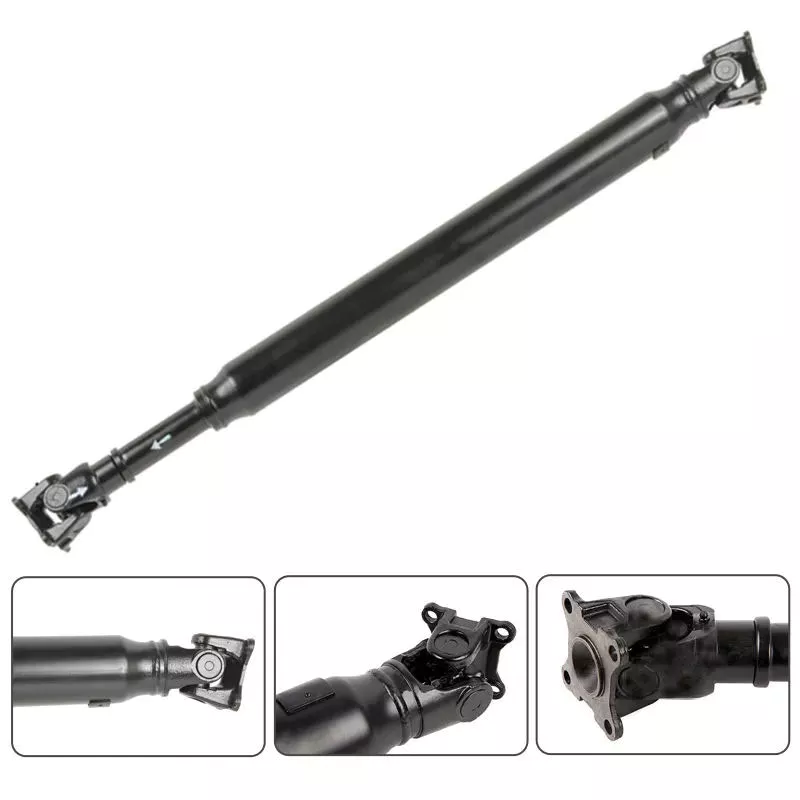
Can drive shafts be adapted for use in both automotive and industrial settings?
Yes, drive shafts can be adapted for use in both automotive and industrial settings. While there may be some differences in design and specifications based on the specific application requirements, the fundamental principles and functions of drive shafts remain applicable in both contexts. Here’s a detailed explanation:
1. Power Transmission:
Drive shafts serve the primary purpose of transmitting rotational power from a power source, such as an engine or motor, to driven components, which can be wheels, machinery, or other mechanical systems. This fundamental function applies to both automotive and industrial settings. Whether it’s delivering power to the wheels of a vehicle or transferring torque to industrial machinery, the basic principle of power transmission remains the same for drive shafts in both contexts.
2. ข้อควรพิจารณาในการออกแบบ:
While there may be variations in design based on specific applications, the core design considerations for drive shafts are similar in both automotive and industrial settings. Factors such as torque requirements, operating speeds, length, and material selection are taken into account in both cases. Automotive drive shafts are typically designed to accommodate the dynamic nature of vehicle operation, including variations in speed, angles, and suspension movement. Industrial drive shafts, on the other hand, may be designed for specific machinery and equipment, taking into consideration factors such as load capacity, operating conditions, and alignment requirements. However, the underlying principles of ensuring proper dimensions, strength, and balance are essential in both automotive and industrial drive shaft designs.
3. Material Selection:
The material selection for drive shafts is influenced by the specific requirements of the application, whether in automotive or industrial settings. In automotive applications, drive shafts are commonly made from materials such as steel or aluminum alloys, chosen for their strength, durability, and ability to withstand varying operating conditions. In industrial settings, drive shafts may be made from a broader range of materials, including steel, stainless steel, or even specialized alloys, depending on factors such as load capacity, corrosion resistance, or temperature tolerance. The material selection is tailored to meet the specific needs of the application while ensuring efficient power transfer and durability.
4. Joint Configurations:
Both automotive and industrial drive shafts may incorporate various joint configurations to accommodate the specific requirements of the application. Universal joints (U-joints) are commonly used in both contexts to allow for angular movement and compensate for misalignment between the drive shaft and driven components. Constant velocity (CV) joints are also utilized, particularly in automotive drive shafts, to maintain a constant velocity of rotation and accommodate varying operating angles. These joint configurations are adapted and optimized based on the specific needs of automotive or industrial applications.
5. Maintenance and Service:
While maintenance practices may vary between automotive and industrial settings, the importance of regular inspection, lubrication, and balancing remains crucial in both cases. Both automotive and industrial drive shafts benefit from periodic maintenance to ensure optimal performance, identify potential issues, and prolong the lifespan of the drive shafts. Lubrication of joints, inspection for wear or damage, and balancing procedures are common maintenance tasks for drive shafts in both automotive and industrial applications.
6. Customization and Adaptation:
Drive shafts can be customized and adapted to meet the specific requirements of various automotive and industrial applications. Manufacturers often offer drive shafts with different lengths, diameters, and joint configurations to accommodate a wide range of vehicles or machinery. This flexibility allows for the adaptation of drive shafts to suit the specific torque, speed, and dimensional requirements of different applications, whether in automotive or industrial settings.
In summary, drive shafts can be adapted for use in both automotive and industrial settings by considering the specific requirements of each application. While there may be variations in design, materials, joint configurations, and maintenance practices, the fundamental principles of power transmission, design considerations, and customization options remain applicable in both contexts. Drive shafts play a crucial role in both automotive and industrial applications, enabling efficient power transfer and reliable operation in a wide range of mechanical systems.
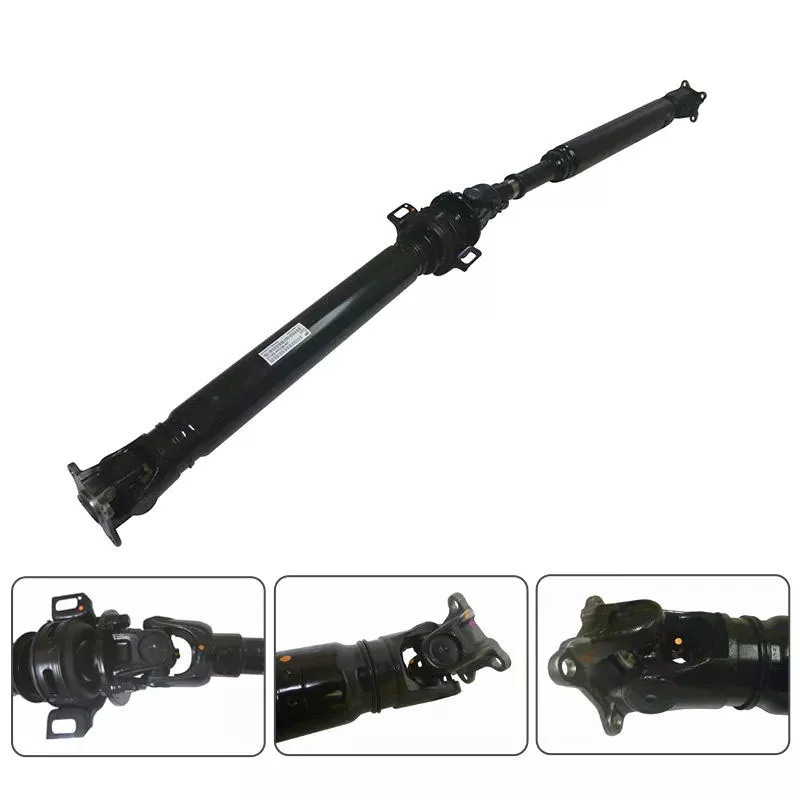
Can drive shafts be customized for specific vehicle or equipment requirements?
Yes, drive shafts can be customized to meet specific vehicle or equipment requirements. Customization allows manufacturers to tailor the design, dimensions, materials, and other parameters of the drive shaft to ensure compatibility and optimal performance within a particular vehicle or equipment. Here’s a detailed explanation of how drive shafts can be customized:
1. Dimensional Customization:
Drive shafts can be customized to match the dimensional requirements of the vehicle or equipment. This includes adjusting the overall length, diameter, and spline configuration to ensure proper fitment and clearances within the specific application. By customizing the dimensions, the drive shaft can be seamlessly integrated into the driveline system without any interference or limitations.
2. Material Selection:
The choice of materials for drive shafts can be customized based on the specific requirements of the vehicle or equipment. Different materials, such as steel alloys, aluminum alloys, or specialized composites, can be selected to optimize strength, weight, and durability. The material selection can be tailored to meet the torque, speed, and operating conditions of the application, ensuring the drive shaft’s reliability and longevity.
3. Joint Configuration:
Drive shafts can be customized with different joint configurations to accommodate specific vehicle or equipment requirements. For example, universal joints (U-joints) may be suitable for applications with lower operating angles and moderate torque demands, while constant velocity (CV) joints are often used in applications requiring higher operating angles and smoother power transmission. The choice of joint configuration depends on factors such as operating angle, torque capacity, and desired performance characteristics.
4. Torque and Power Capacity:
Customization allows drive shafts to be designed with the appropriate torque and power capacity for the specific vehicle or equipment. Manufacturers can analyze the torque requirements, operating conditions, and safety margins of the application to determine the optimal torque rating and power capacity of the drive shaft. This ensures that the drive shaft can handle the required loads without experiencing premature failure or performance issues.
5. Balancing and Vibration Control:
Drive shafts can be customized with precision balancing and vibration control measures. Imbalances in the drive shaft can lead to vibrations, increased wear, and potential driveline issues. By employing dynamic balancing techniques during the manufacturing process, manufacturers can minimize vibrations and ensure smooth operation. Additionally, vibration dampers or isolation systems can be integrated into the drive shaft design to further mitigate vibrations and enhance overall system performance.
6. Integration and Mounting Considerations:
Customization of drive shafts takes into account the integration and mounting requirements of the specific vehicle or equipment. Manufacturers work closely with the vehicle or equipment designers to ensure that the drive shaft fits seamlessly into the driveline system. This includes adapting the mounting points, interfaces, and clearances to ensure proper alignment and installation of the drive shaft within the vehicle or equipment.
7. Collaboration and Feedback:
Manufacturers often collaborate with vehicle manufacturers, OEMs (Original Equipment Manufacturers), or end-users to gather feedback and incorporate their specific requirements into the drive shaft customization process. By actively seeking input and feedback, manufacturers can address specific needs, optimize performance, and ensure compatibility with the vehicle or equipment. This collaborative approach enhances the customization process and results in drive shafts that meet the exact requirements of the application.
8. Compliance with Standards:
Customized drive shafts can be designed to comply with relevant industry standards and regulations. Compliance with standards, such as ISO (International Organization for Standardization) or specific industry standards, ensures that the customized drive shafts meet quality, safety, and performance requirements. Adhering to these standards provides assurance that the drive shafts are compatible and can be seamlessly integrated into the specific vehicle or equipment.
In summary, drive shafts can be customized to meet specific vehicle or equipment requirements through dimensional customization, material selection, joint configuration, torque and power capacity optimization, balancing and vibration control, integration and mounting considerations, collaboration with stakeholders, and compliance with industry standards. Customization allows drive shafts to be precisely tailored to the needs of the application, ensuring compatibility, reliability, and optimal performance.
เพลาขับมีประโยชน์อย่างไรบ้างสำหรับยานพาหนะและอุปกรณ์ประเภทต่างๆ?
เพลาขับมีประโยชน์หลายประการสำหรับยานพาหนะและอุปกรณ์ประเภทต่างๆ มีบทบาทสำคัญในการส่งกำลังและช่วยเพิ่มประสิทธิภาพ ประสิทธิผล และการทำงานโดยรวมของระบบต่างๆ ต่อไปนี้คือคำอธิบายโดยละเอียดเกี่ยวกับประโยชน์ที่เพลาขับมอบให้:
1. การส่งกำลังไฟฟ้าอย่างมีประสิทธิภาพ:
เพลาขับช่วยให้การส่งกำลังจากเครื่องยนต์หรือแหล่งพลังงานไปยังล้อหรือชิ้นส่วนที่ถูกขับเคลื่อนเป็นไปอย่างมีประสิทธิภาพ โดยการเชื่อมต่อเครื่องยนต์หรือมอเตอร์เข้ากับระบบที่ถูกขับเคลื่อน เพลาขับจะถ่ายทอดกำลังการหมุนอย่างมีประสิทธิภาพ ทำให้ยานพาหนะและอุปกรณ์สามารถทำงานได้ตามที่ตั้งใจไว้ การส่งกำลังอย่างมีประสิทธิภาพนี้ทำให้มั่นใจได้ว่ากำลังที่สร้างขึ้นโดยเครื่องยนต์นั้นถูกนำไปใช้อย่างมีประสิทธิภาพ ส่งผลให้ประสิทธิภาพและผลผลิตโดยรวมของระบบดีขึ้น
2. ความอเนกประสงค์:
เพลาขับมีประโยชน์ใช้สอยหลากหลายในการใช้งาน ใช้ในยานพาหนะหลายประเภท เช่น รถยนต์ รถบรรทุก รถจักรยานยนต์ และรถออฟโรด นอกจากนี้ยังใช้ในอุปกรณ์และเครื่องจักรหลากหลายประเภท เช่น เครื่องจักรกลการเกษตร อุปกรณ์ก่อสร้าง เครื่องจักรกลอุตสาหกรรม และเรือเดินทะเล ความสามารถในการปรับให้เข้ากับยานพาหนะและอุปกรณ์ประเภทต่างๆ ทำให้เพลาขับเป็นชิ้นส่วนอเนกประสงค์สำหรับการส่งกำลัง
3. ความสามารถในการรับแรงบิด:
เพลาขับได้รับการออกแบบมาเพื่อรองรับแรงบิดสูง แรงบิดคือแรงหมุนที่เกิดจากเครื่องยนต์หรือแหล่งพลังงาน เพลาขับได้รับการออกแบบทางวิศวกรรมเพื่อส่งผ่านแรงบิดนี้อย่างมีประสิทธิภาพโดยไม่บิดงอมากเกินไป ด้วยการรับมือกับแรงบิดอย่างมีประสิทธิภาพ เพลาขับจึงมั่นใจได้ว่าพลังงานที่สร้างขึ้นจากเครื่องยนต์จะถูกส่งไปยังล้อหรือส่วนประกอบที่ขับเคลื่อนได้อย่างน่าเชื่อถือ ทำให้ยานพาหนะและอุปกรณ์สามารถเอาชนะแรงต้านทาน เช่น น้ำหนักบรรทุกมากหรือภูมิประเทศที่ท้าทายได้
4. ความยืดหยุ่นและค่าตอบแทน:
เพลาขับให้ความยืดหยุ่นและชดเชยการเคลื่อนที่เชิงมุมและการเยื้องศูนย์ ในรถยนต์ เพลาขับช่วยรองรับการเคลื่อนที่ของระบบช่วงล่าง ทำให้ล้อสามารถเคลื่อนที่ขึ้นลงได้อย่างอิสระ ความยืดหยุ่นนี้ช่วยให้การส่งกำลังคงที่แม้ในขณะที่รถวิ่งบนพื้นผิวที่ไม่เรียบ ในทำนองเดียวกัน ในเครื่องจักร เพลาขับจะชดเชยการเยื้องศูนย์ระหว่างเครื่องยนต์หรือมอเตอร์กับชิ้นส่วนที่ขับเคลื่อน ทำให้การส่งกำลังราบรื่นและป้องกันความเครียดที่มากเกินไปในระบบส่งกำลัง
5. การลดน้ำหนัก:
เพลาขับช่วยลดน้ำหนักของยานพาหนะและอุปกรณ์ เมื่อเทียบกับระบบส่งกำลังแบบอื่น เช่น สายพานหรือโซ่ เพลาขับมักจะมีน้ำหนักเบากว่า การลดน้ำหนักนี้ช่วยเพิ่มประสิทธิภาพการใช้เชื้อเพลิงในยานพาหนะและลดน้ำหนักโดยรวมของอุปกรณ์ ส่งผลให้คล่องตัวมากขึ้นและบรรทุกน้ำหนักได้มากขึ้น นอกจากนี้ เพลาขับที่เบากว่ายังช่วยให้มีอัตราส่วนกำลังต่อน้ำหนักที่ดีขึ้น ส่งผลให้สมรรถนะและการเร่งความเร็วดีขึ้นด้วย
6. ความทนทานและอายุการใช้งานที่ยาวนาน:
เพลาขับถูกออกแบบมาให้มีความทนทานและใช้งานได้ยาวนาน ผลิตจากวัสดุเช่นเหล็กหรืออลูมิเนียม ซึ่งมีความแข็งแรงสูงและทนต่อการสึกหรอและความล้า เพลาขับผ่านการทดสอบอย่างเข้มงวดและมาตรการควบคุมคุณภาพเพื่อให้มั่นใจในความน่าเชื่อถือและอายุการใช้งานที่ยาวนาน การบำรุงรักษาที่เหมาะสม รวมถึงการหล่อลื่นและการตรวจสอบอย่างสม่ำเสมอ จะช่วยเพิ่มความทนทานยิ่งขึ้น โครงสร้างที่แข็งแรงและอายุการใช้งานที่ยาวนานของเพลาขับ ส่งผลให้ยานพาหนะและอุปกรณ์มีความน่าเชื่อถือและคุ้มค่าโดยรวม
7. ความปลอดภัย:
เพลาขับมีคุณสมบัติด้านความปลอดภัยเพื่อปกป้องผู้ปฏิบัติงานและผู้ที่อยู่ใกล้เคียง ในยานพาหนะ เพลาขับมักจะถูกหุ้มด้วยท่อหรือปลอกป้องกัน เพื่อป้องกันการสัมผัสกับชิ้นส่วนที่เคลื่อนที่และลดความเสี่ยงต่อการบาดเจ็บในกรณีที่เกิดความผิดพลาด ในทำนองเดียวกัน ในเครื่องจักรกล มักมีการติดตั้งแผ่นป้องกันหรืออุปกรณ์ป้องกันรอบเพลาขับที่เปิดโล่ง เพื่อลดอันตรายที่อาจเกิดขึ้นจากชิ้นส่วนที่หมุนได้ มาตรการด้านความปลอดภัยเหล่านี้ช่วยให้มั่นใจได้ถึงความปลอดภัยของบุคคลที่ปฏิบัติงานหรือทำงานใกล้กับยานพาหนะและอุปกรณ์
โดยสรุปแล้ว เพลาขับมีข้อดีหลายประการสำหรับยานพาหนะและอุปกรณ์ประเภทต่างๆ ช่วยให้การส่งกำลังมีประสิทธิภาพ ใช้งานได้หลากหลาย จัดการแรงบิดได้อย่างมีประสิทธิภาพ มีความยืดหยุ่นและชดเชยได้ ช่วยลดน้ำหนัก รับประกันความทนทานและอายุการใช้งานที่ยาวนาน และมีคุณสมบัติด้านความปลอดภัย ด้วยข้อดีเหล่านี้ เพลาขับจึงช่วยเพิ่มประสิทธิภาพ ประสิทธิผล ความน่าเชื่อถือ และความปลอดภัยของยานพาหนะและอุปกรณ์ในอุตสาหกรรมต่างๆ อย่างกว้างขวาง


editor by CX 2024-04-10























