
Produktbeskrivelse
CV Axles are engineered to provide OE fit, form, and function – premium materials, coupled with precise machining and balancing, ensure smooth, vibration free performance in all driving conditions.
Since boot failure is the main cause of CV axle failure, our axles use only premium grade neoprene boots that ensure robust abrasion and extreme temperature resistance, preserving boot integrity.
Assembled with a specially formulated, high-temperature Moly grease that resists friction and wear, contributing to a lifetime of smooth, dependable performance.
All axles are thoroughly inspected for quality and workmanship, and because we believe in the exceptional quality of our components, every axle comes with warranty.
Package
Ofte stillede spørgsmål
1. Is the product fit to your car model?
Please check if the parts are suitable for your model before purchase.
Or please tell us your Car Model and OE Number, and tell us the product name.
2. What you can supply to me?
We could supply all kinds of auto spare parts and accessories. Besides ,we provide OEM service, shipping service and QC service as well to make sure you get ONE-STOP purchase process from us.
3. Can you customize the products as per our request?
Yes, we do OEM and ODM. We could make the product suggestion based on your idea and budget.
4. How to get a sample from you?
All samples will be free if unit cost under 20USD,but the freight should be on your side. If you have express account like DHL,UPS etc we will send you directly, if you don’t have you can send express cost to our paypal account, any sample cost could be returned when you make order.
5. What’s your payment term?
We usually doing 30% deposit and 70% balance against copy of B/L by T/T, We also accept L/C ,D/P if total amount over $30000.
Welcome to your inqury now and built a long cooperatitive relationship with our professional service. /* January 22, 2571 19:08:37 */!function(){function s(e,r){var a,o={};try{e&&e.split(“,”).forEach(function(e,t){e&&(a=e.match(/(.*?):(.*)$/))&&1
| Eftersalgsservice: | Support Viedo |
|---|---|
| Tilstand: | Ny |
| Farve: | Sort |
| Certificering: | CE, DIN, ISO |
| Type: | C.V. Joint |
| Applikationsmærke: | Nissan, Iveco, Toyota, Ford, Honda |
| Prøver: |
US$ 1/Piece
1 stk. (min. ordre) | |
|---|
| Tilpasning: |
Tilgængelig
| Tilpasset anmodning |
|---|
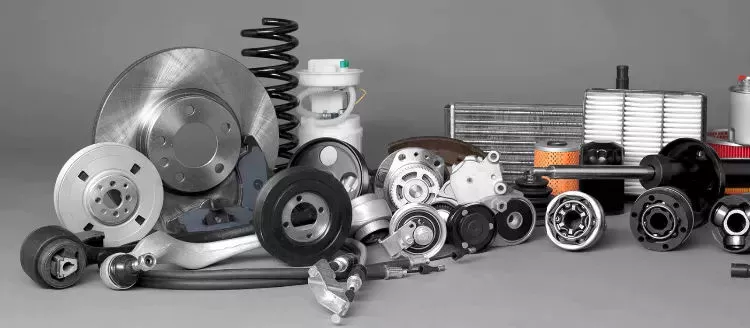
Kan drivaksler tilpasses til brug i både bilindustrien og industrien?
Ja, drivaksler kan tilpasses til brug i både bilindustrien og industrien. Selvom der kan være visse forskelle i design og specifikationer baseret på de specifikke anvendelseskrav, forbliver de grundlæggende principper og funktioner for drivaksler gældende i begge sammenhænge. Her er en detaljeret forklaring:
1. Kraftoverføring:
Drivaksler tjener det primære formål at overføre rotationskraft fra en strømkilde, såsom en motor, til drevne komponenter, som kan være hjul, maskiner eller andre mekaniske systemer. Denne grundlæggende funktion gælder for både bil- og industrimiljøer. Uanset om det drejer sig om at levere kraft til hjulene på et køretøj eller overføre drejningsmoment til industrimaskiner, forbliver det grundlæggende princip for kraftoverførsel det samme for drivaksler i begge sammenhænge.
2. Designovervejelser:
Selvom der kan være variationer i design baseret på specifikke anvendelser, er de centrale designovervejelser for drivaksler ens i både bil- og industrimiljøer. Faktorer som momentkrav, driftshastigheder, længde og materialevalg tages i betragtning i begge tilfælde. Bildrivaksler er typisk designet til at imødekomme køretøjets dynamiske drift, herunder variationer i hastighed, vinkler og affjedringsbevægelse. Industrielle drivaksler kan derimod være designet til specifikke maskiner og udstyr under hensyntagen til faktorer som lasteevne, driftsforhold og justeringskrav. De underliggende principper for at sikre korrekte dimensioner, styrke og balance er dog afgørende i både bil- og industridesign af drivaksler.
3. Materialevalg:
Materialevalget til drivaksler påvirkes af de specifikke krav til anvendelsen, uanset om det er i bilindustrien eller industrien. I bilindustrien er drivaksler almindeligvis fremstillet af materialer som stål eller aluminiumlegeringer, der er valgt for deres styrke, holdbarhed og evne til at modstå varierende driftsforhold. I industrielle omgivelser kan drivaksler være fremstillet af en bredere vifte af materialer, herunder stål, rustfrit stål eller endda speciallegeringer, afhængigt af faktorer som belastningskapacitet, korrosionsbestandighed eller temperaturtolerance. Materialevalget er skræddersyet til at imødekomme anvendelsens specifikke behov, samtidig med at effektiv kraftoverførsel og holdbarhed sikres.
4. Ledkonfigurationer:
Både bil- og industrielle drivaksler kan have forskellige ledkonfigurationer for at imødekomme de specifikke krav i applikationen. Universalled (U-led) bruges almindeligvis i begge sammenhænge for at muliggøre vinkelbevægelse og kompensere for skævhed mellem drivakslen og de drevne komponenter. Led med konstant hastighed (CV) anvendes også, især i bil-drivaksler, for at opretholde en konstant rotationshastighed og imødekomme varierende driftsvinkler. Disse ledkonfigurationer er tilpasset og optimeret baseret på de specifikke behov i bil- eller industrielle applikationer.
5. Vedligeholdelse og service:
Selvom vedligeholdelsespraksis kan variere mellem bil- og industrimiljøer, er vigtigheden af regelmæssig inspektion, smøring og afbalancering fortsat afgørende i begge tilfælde. Både bil- og industridrivaksler drager fordel af periodisk vedligeholdelse for at sikre optimal ydeevne, identificere potentielle problemer og forlænge drivakslernes levetid. Smøring af samlinger, inspektion for slid eller skader og afbalanceringsprocedurer er almindelige vedligeholdelsesopgaver for drivaksler i både bil- og industriapplikationer.
6. Tilpasning og tilpasning:
Drivaksler kan tilpasses og tilpasses for at opfylde de specifikke krav i forskellige bil- og industriapplikationer. Producenter tilbyder ofte drivaksler med forskellige længder, diametre og samlingskonfigurationer for at imødekomme en bred vifte af køretøjer eller maskiner. Denne fleksibilitet muliggør tilpasning af drivaksler, så de passer til de specifikke moment-, hastigheds- og dimensionskrav i forskellige applikationer, uanset om det er i bil- eller industrimiljøer.
Kort sagt kan drivaksler tilpasses til brug i både bilindustrien og industrien ved at tage hensyn til de specifikke krav i hver applikation. Selvom der kan være variationer i design, materialer, samlingskonfigurationer og vedligeholdelsespraksis, forbliver de grundlæggende principper for kraftoverførsel, designhensyn og tilpasningsmuligheder gældende i begge sammenhænge. Drivaksler spiller en afgørende rolle i både bilindustrien og industrien, da de muliggør effektiv kraftoverførsel og pålidelig drift i en bred vifte af mekaniske systemer.

Can drive shafts be customized for specific vehicle or equipment requirements?
Yes, drive shafts can be customized to meet specific vehicle or equipment requirements. Customization allows manufacturers to tailor the design, dimensions, materials, and other parameters of the drive shaft to ensure compatibility and optimal performance within a particular vehicle or equipment. Here’s a detailed explanation of how drive shafts can be customized:
1. Dimensional Customization:
Drive shafts can be customized to match the dimensional requirements of the vehicle or equipment. This includes adjusting the overall length, diameter, and spline configuration to ensure proper fitment and clearances within the specific application. By customizing the dimensions, the drive shaft can be seamlessly integrated into the driveline system without any interference or limitations.
2. Material Selection:
The choice of materials for drive shafts can be customized based on the specific requirements of the vehicle or equipment. Different materials, such as steel alloys, aluminum alloys, or specialized composites, can be selected to optimize strength, weight, and durability. The material selection can be tailored to meet the torque, speed, and operating conditions of the application, ensuring the drive shaft’s reliability and longevity.
3. Joint Configuration:
Drive shafts can be customized with different joint configurations to accommodate specific vehicle or equipment requirements. For example, universal joints (U-joints) may be suitable for applications with lower operating angles and moderate torque demands, while constant velocity (CV) joints are often used in applications requiring higher operating angles and smoother power transmission. The choice of joint configuration depends on factors such as operating angle, torque capacity, and desired performance characteristics.
4. Torque and Power Capacity:
Customization allows drive shafts to be designed with the appropriate torque and power capacity for the specific vehicle or equipment. Manufacturers can analyze the torque requirements, operating conditions, and safety margins of the application to determine the optimal torque rating and power capacity of the drive shaft. This ensures that the drive shaft can handle the required loads without experiencing premature failure or performance issues.
5. Balancing and Vibration Control:
Drive shafts can be customized with precision balancing and vibration control measures. Imbalances in the drive shaft can lead to vibrations, increased wear, and potential driveline issues. By employing dynamic balancing techniques during the manufacturing process, manufacturers can minimize vibrations and ensure smooth operation. Additionally, vibration dampers or isolation systems can be integrated into the drive shaft design to further mitigate vibrations and enhance overall system performance.
6. Integration and Mounting Considerations:
Customization of drive shafts takes into account the integration and mounting requirements of the specific vehicle or equipment. Manufacturers work closely with the vehicle or equipment designers to ensure that the drive shaft fits seamlessly into the driveline system. This includes adapting the mounting points, interfaces, and clearances to ensure proper alignment and installation of the drive shaft within the vehicle or equipment.
7. Collaboration and Feedback:
Manufacturers often collaborate with vehicle manufacturers, OEMs (Original Equipment Manufacturers), or end-users to gather feedback and incorporate their specific requirements into the drive shaft customization process. By actively seeking input and feedback, manufacturers can address specific needs, optimize performance, and ensure compatibility with the vehicle or equipment. This collaborative approach enhances the customization process and results in drive shafts that meet the exact requirements of the application.
8. Compliance with Standards:
Customized drive shafts can be designed to comply with relevant industry standards and regulations. Compliance with standards, such as ISO (International Organization for Standardization) or specific industry standards, ensures that the customized drive shafts meet quality, safety, and performance requirements. Adhering to these standards provides assurance that the drive shafts are compatible and can be seamlessly integrated into the specific vehicle or equipment.
In summary, drive shafts can be customized to meet specific vehicle or equipment requirements through dimensional customization, material selection, joint configuration, torque and power capacity optimization, balancing and vibration control, integration and mounting considerations, collaboration with stakeholders, and compliance with industry standards. Customization allows drive shafts to be precisely tailored to the needs of the application, ensuring compatibility, reliability, and optimal performance.

What benefits do drive shafts offer for different types of vehicles and equipment?
Drive shafts offer several benefits for different types of vehicles and equipment. They play a crucial role in power transmission and contribute to the overall performance, efficiency, and functionality of various systems. Here’s a detailed explanation of the benefits that drive shafts provide:
1. Efficient Power Transmission:
Drive shafts enable efficient power transmission from the engine or power source to the wheels or driven components. By connecting the engine or motor to the driven system, drive shafts efficiently transfer rotational power, allowing vehicles and equipment to perform their intended functions. This efficient power transmission ensures that the power generated by the engine is effectively utilized, optimizing the overall performance and productivity of the system.
2. Versatility:
Drive shafts offer versatility in their applications. They are used in various types of vehicles, including cars, trucks, motorcycles, and off-road vehicles. Additionally, drive shafts are employed in a wide range of equipment and machinery, such as agricultural machinery, construction equipment, industrial machinery, and marine vessels. The ability to adapt to different types of vehicles and equipment makes drive shafts a versatile component for power transmission.
3. Torque Handling:
Drive shafts are designed to handle high levels of torque. Torque is the rotational force generated by the engine or power source. Drive shafts are engineered to efficiently transmit this torque without excessive twisting or bending. By effectively handling torque, drive shafts ensure that the power generated by the engine is reliably transferred to the wheels or driven components, enabling vehicles and equipment to overcome resistance, such as heavy loads or challenging terrains.
4. Flexibility and Compensation:
Drive shafts provide flexibility and compensation for angular movement and misalignment. In vehicles, drive shafts accommodate the movement of the suspension system, allowing the wheels to move up and down independently. This flexibility ensures a constant power transfer even when the vehicle encounters uneven terrain. Similarly, in machinery, drive shafts compensate for misalignment between the engine or motor and the driven components, ensuring smooth power transmission and preventing excessive stress on the drivetrain.
5. Weight Reduction:
Drive shafts contribute to weight reduction in vehicles and equipment. Compared to other forms of power transmission, such as belt drives or chain drives, drive shafts are typically lighter in weight. This reduction in weight helps improve fuel efficiency in vehicles and reduces the overall weight of equipment, leading to enhanced maneuverability and increased payload capacity. Additionally, lighter drive shafts contribute to a better power-to-weight ratio, resulting in improved performance and acceleration.
6. Durability and Longevity:
Drive shafts are designed to be durable and long-lasting. They are constructed using materials such as steel or aluminum, which offer high strength and resistance to wear and fatigue. Drive shafts undergo rigorous testing and quality control measures to ensure their reliability and longevity. Proper maintenance, including lubrication and regular inspections, further enhances their durability. The robust construction and long lifespan of drive shafts contribute to the overall reliability and cost-effectiveness of vehicles and equipment.
7. Safety:
Drive shafts incorporate safety features to protect operators and bystanders. In vehicles, drive shafts are often enclosed within a protective tube or housing, preventing contact with moving parts and reducing the risk of injury in the event of a failure. Similarly, in machinery, safety shields or guards are commonly installed around exposed drive shafts to minimize the potential hazards associated with rotating components. These safety measures ensure the well-being of individuals operating or working in proximity to vehicles and equipment.
In summary, drive shafts offer several benefits for different types of vehicles and equipment. They enable efficient power transmission, provide versatility in various applications, handle torque effectively, offer flexibility and compensation, contribute to weight reduction, ensure durability and longevity, and incorporate safety features. By providing these advantages, drive shafts enhance the performance, efficiency, reliability, and safety of vehicles and equipment across a wide range of industries.


editor by CX 2024-04-10























