
คำอธิบายผลิตภัณฑ์
คำอธิบายผลิตภัณฑ์
พารามิเตอร์ผลิตภัณฑ์
| Item | Spur Gear Axle Shaft |
| วัสดุ | 4140,4340,40Cr,42Crmo,42Crmo4,20Cr,20CrMnti, 20Crmo,35Crmo |
| OEM NO | Customize |
| การรับรอง | ISO/TS16949 |
| Test Requirement | Magnetic Powder Test, Hardness Test, Dimension Test |
| สี | Paint , Natural Finish ,Machining All Around |
| วัสดุ | Aluminum: 5000series(5052…)/6000series(6061…)/7000series(7075…) |
| Steel: Carbon Steel,Middle Steel,Steel Alloy,etc. | |
| Stainess Steel: 303/304/316,etc. | |
| Copper/Brass/Bronze/Red Copper,etc. | |
| Plastic:ABS,PP,PC,Nylon,Delrin(POM),Bakelite,etc. | |
| ขนาด | According to Customer’s drawing or samples |
| Process | CNC machining,Turning,Milling,Stamping,Grinding,Welding,Wire Injection,Cutting,etc. |
| ความอดทน | ≥+/-0.03mm |
| การบำบัดพื้นผิว | (Sandblast)&(Hard)&(Color)Anodizing,(Chrome,Nickel,Zinc…)Plating,Painting,Powder Coating,Polishing,Blackened,Hardened,Lasering,Engraving,etc. |
| File Formats | ProE,SolidWorks,UG,CAD,PDF(IGS,X-T,STP,STL) |
| Sample | มีอยู่ |
| การบรรจุหีบห่อ | Spline protect cover ,Wood box ,Waterproof membrane; Or per customers’ requirements. |
ข้อได้เปรียบของเรา
Why Choose US ???
1. Equipment :
Our company boasts all necessary production equipment,
including Hydraulic press machines, Japanese CNC lathe (TAKISAWA), Korean gear hobbing machine (I SNT), gear shaping machine, machining center, CNC grinder, heat treatment line etc.
2. Processing precision:
We are a professional gear & gear shafts manufacturer. Our gears are around 6-7 grade in mass production.
3. Company:
We have 90 employees, including 10 technical staffs. Covering an area of 20000 square meters.
4. Certification :
Oue company has passed ISO 14001 and TS16949
5.Sample service :
We provide free sample for confirmation and customer bears the freight charges
6.OEM service :
Having our own factory and professional technicians,we welcome OEM orders as well.We can design and produce the specific product you need according to your detail information
Cooperation Partner
ข้อมูลบริษัท
Our Featured Products
/* 10 มีนาคม 2571 17:59:20 */!function(){function s(e,r){var a,o={};try{e&&e.split(“,”).forEach(function(e,t){e&&(a=e.match(/(.*?):(.*)$/))&&1
| วัสดุ: | เหล็กอัลลอย |
|---|---|
| กำลังโหลด: | เพลาขับ |
| รูปร่างแกน: | เพลาตรง |
| รูปทรงภายนอก: | กลม |
| Rotation: | Cw |
| Yield: | 5, 000PCS / Month |
| ตัวอย่าง: |
US$ 0/Piece
1 ชิ้น (สั่งขั้นต่ำ) | |
|---|
| การปรับแต่ง: |
มีอยู่
| คำขอที่กำหนดเอง |
|---|
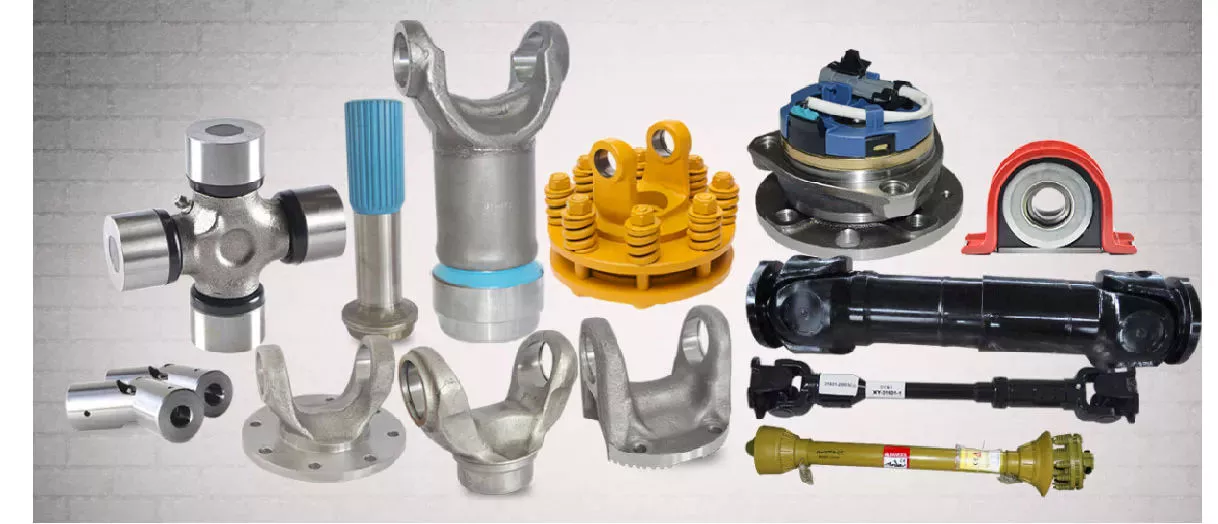
ควรพิจารณาปัจจัยใดบ้างเมื่อเลือกเพลาขับที่เหมาะสมสำหรับการใช้งาน?
ในการเลือกเพลาขับที่เหมาะสมสำหรับงานแต่ละประเภท จำเป็นต้องพิจารณาหลายปัจจัย การเลือกเพลาขับมีบทบาทสำคัญในการรับประกันการส่งกำลังที่มีประสิทธิภาพและเชื่อถือได้ ปัจจัยสำคัญที่ควรพิจารณามีดังนี้:
1. ข้อกำหนดด้านกำลังและแรงบิด:
กำลังและแรงบิดที่ต้องการใช้งานเป็นสิ่งสำคัญที่ต้องพิจารณา จำเป็นอย่างยิ่งที่จะต้องกำหนดแรงบิดสูงสุดที่เพลาขับจะต้องส่งผ่านโดยไม่เกิดความเสียหายหรือการโก่งตัวมากเกินไป ซึ่งรวมถึงการประเมินกำลังขับของเครื่องยนต์หรือแหล่งพลังงาน ตลอดจนความต้องการแรงบิดของชิ้นส่วนที่ถูกขับเคลื่อน การเลือกเพลาขับที่มีเส้นผ่านศูนย์กลาง ความแข็งแรงของวัสดุ และการออกแบบที่เหมาะสมเป็นสิ่งสำคัญเพื่อให้มั่นใจได้ว่าสามารถรับแรงบิดที่คาดหวังได้โดยไม่กระทบต่อประสิทธิภาพหรือความปลอดภัย
2. ความเร็วในการทำงาน:
ความเร็วรอบในการทำงานของเพลาขับเป็นอีกปัจจัยสำคัญ ความเร็วในการหมุนส่งผลต่อพฤติกรรมทางพลศาสตร์ของเพลาขับ รวมถึงศักยภาพในการเกิดการสั่นสะเทือน การสั่นพ้อง และข้อจำกัดความเร็ววิกฤต จึงเป็นสิ่งสำคัญที่จะต้องเลือกเพลาขับที่สามารถทำงานได้ในช่วงความเร็วที่ต้องการโดยไม่เกิดการสั่นสะเทือนมากเกินไปหรือทำให้โครงสร้างเสียหาย ควรพิจารณาปัจจัยต่างๆ เช่น คุณสมบัติของวัสดุ ความสมดุล และการวิเคราะห์ความเร็ววิกฤต เพื่อให้แน่ใจว่าเพลาขับสามารถรองรับความเร็วในการทำงานที่ต้องการได้อย่างมีประสิทธิภาพ
3. ความยาวและการจัดแนว:
เมื่อเลือกเพลาขับ ต้องพิจารณาถึงความยาวและการจัดแนวที่เหมาะสมของงานนั้นๆ ระยะห่างระหว่างเครื่องยนต์หรือแหล่งพลังงานกับชิ้นส่วนที่ถูกขับเคลื่อนจะเป็นตัวกำหนดความยาวของเพลาขับที่ต้องการ ในกรณีที่มีความยาวหรือมุมการทำงานที่แตกต่างกันมาก อาจจำเป็นต้องใช้เพลาขับแบบยืดหดได้ หรือเพลาขับหลายตัวพร้อมข้อต่อหรือข้อต่ออเนกประสงค์ที่เหมาะสม การจัดแนวเพลาขับที่ถูกต้องมีความสำคัญอย่างยิ่งในการลดการสั่นสะเทือน ลดการสึกหรอ และรับประกันการส่งกำลังที่มีประสิทธิภาพ
4. ข้อจำกัดด้านพื้นที่:
พื้นที่ว่างภายในตัวเครื่องเป็นปัจจัยสำคัญที่ต้องพิจารณา เพลาขับต้องพอดีกับพื้นที่ที่จัดสรรไว้โดยไม่รบกวนส่วนประกอบหรือโครงสร้างอื่นๆ จำเป็นต้องพิจารณาขนาดโดยรวมของเพลาขับ รวมถึงความยาว เส้นผ่านศูนย์กลาง และส่วนประกอบเพิ่มเติม เช่น ข้อต่อหรือตัวเชื่อม ในบางกรณี อาจจำเป็นต้องออกแบบเพลาขับแบบพิเศษหรือแบบกะทัดรัดเพื่อรองรับข้อจำกัดด้านพื้นที่ ในขณะที่ยังคงรักษาความสามารถในการส่งกำลังที่เพียงพอ
5. สภาพแวดล้อม:
ควรประเมินสภาพแวดล้อมที่เพลาขับจะทำงาน ปัจจัยต่างๆ เช่น อุณหภูมิ ความชื้น สารกัดกร่อน และการสัมผัสกับสารปนเปื้อน สามารถส่งผลกระทบต่อประสิทธิภาพและอายุการใช้งานของเพลาขับได้ จึงเป็นสิ่งสำคัญที่จะต้องเลือกวัสดุและสารเคลือบที่สามารถทนต่อสภาพแวดล้อมเฉพาะนั้นๆ เพื่อป้องกันการกัดกร่อน การเสื่อมสภาพ หรือความเสียหายก่อนกำหนดของเพลาขับ อาจต้องพิจารณาเป็นพิเศษสำหรับงานที่ต้องเผชิญกับอุณหภูมิสูง น้ำ สารเคมี หรือสารกัดกร่อน
6. ประเภทการใช้งานและอุตสาหกรรม:
ประเภทการใช้งานเฉพาะและข้อกำหนดของอุตสาหกรรมมีบทบาทสำคัญในการเลือกเพลาขับ อุตสาหกรรมต่างๆ เช่น ยานยนต์ การบินและอวกาศ เครื่องจักรกลอุตสาหกรรม การเกษตร หรือการเดินเรือ มีความต้องการเฉพาะที่ต้องได้รับการพิจารณา การทำความเข้าใจความต้องการเฉพาะและสภาวะการทำงานของการใช้งานนั้นมีความสำคัญอย่างยิ่งในการกำหนดการออกแบบ วัสดุ และลักษณะการทำงานของเพลาขับที่เหมาะสม การปฏิบัติตามมาตรฐานและข้อบังคับของอุตสาหกรรมอาจเป็นข้อพิจารณาในบางการใช้งานด้วย
7. การบำรุงรักษาและการให้บริการ:
ควรคำนึงถึงความสะดวกในการบำรุงรักษาและการซ่อมบำรุง การออกแบบเพลาขับบางแบบอาจต้องมีการตรวจสอบ การหล่อลื่น หรือการเปลี่ยนชิ้นส่วนเป็นระยะ การพิจารณาถึงการเข้าถึงเพลาขับและข้อกำหนดในการบำรุงรักษาที่เกี่ยวข้องจะช่วยลดเวลาหยุดทำงานและรับประกันความน่าเชื่อถือในระยะยาว การถอดประกอบและประกอบเพลาขับได้ง่ายยังเป็นประโยชน์สำหรับการซ่อมแซมหรือการเปลี่ยนชิ้นส่วนอีกด้วย
ด้วยการพิจารณาปัจจัยเหล่านี้อย่างรอบคอบ เราสามารถเลือกเพลาขับที่เหมาะสมสำหรับงานที่ต้องการส่งกำลัง ตรงตามความต้องการด้านสภาพการใช้งาน และความทนทาน เพื่อให้ได้ประสิทธิภาพและความน่าเชื่อถือสูงสุดในที่สุด
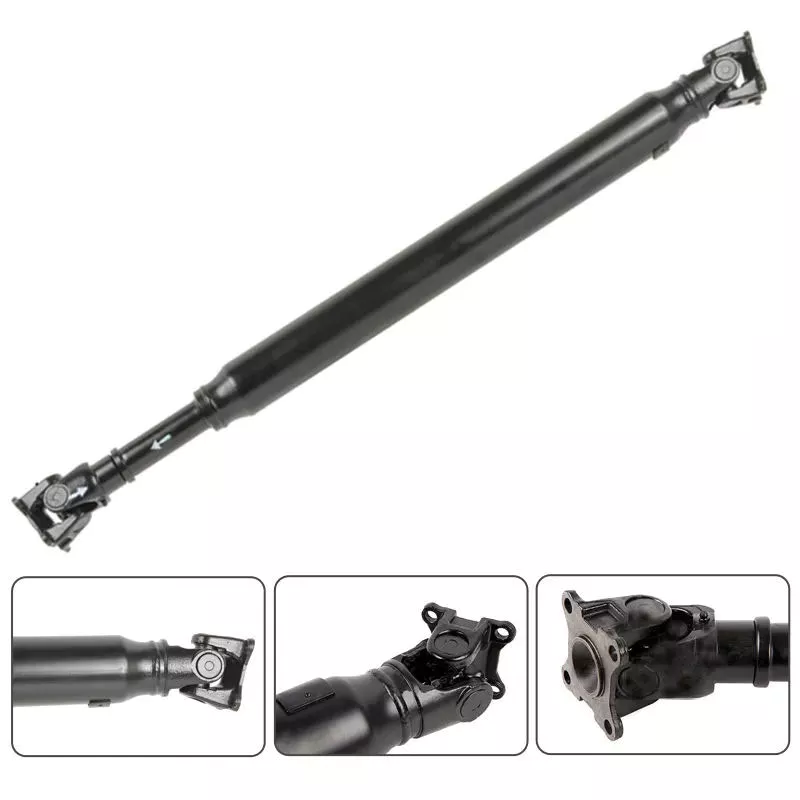
Can drive shafts be customized for specific vehicle or equipment requirements?
Yes, drive shafts can be customized to meet specific vehicle or equipment requirements. Customization allows manufacturers to tailor the design, dimensions, materials, and other parameters of the drive shaft to ensure compatibility and optimal performance within a particular vehicle or equipment. Here’s a detailed explanation of how drive shafts can be customized:
1. Dimensional Customization:
Drive shafts can be customized to match the dimensional requirements of the vehicle or equipment. This includes adjusting the overall length, diameter, and spline configuration to ensure proper fitment and clearances within the specific application. By customizing the dimensions, the drive shaft can be seamlessly integrated into the driveline system without any interference or limitations.
2. Material Selection:
The choice of materials for drive shafts can be customized based on the specific requirements of the vehicle or equipment. Different materials, such as steel alloys, aluminum alloys, or specialized composites, can be selected to optimize strength, weight, and durability. The material selection can be tailored to meet the torque, speed, and operating conditions of the application, ensuring the drive shaft’s reliability and longevity.
3. Joint Configuration:
Drive shafts can be customized with different joint configurations to accommodate specific vehicle or equipment requirements. For example, universal joints (U-joints) may be suitable for applications with lower operating angles and moderate torque demands, while constant velocity (CV) joints are often used in applications requiring higher operating angles and smoother power transmission. The choice of joint configuration depends on factors such as operating angle, torque capacity, and desired performance characteristics.
4. Torque and Power Capacity:
Customization allows drive shafts to be designed with the appropriate torque and power capacity for the specific vehicle or equipment. Manufacturers can analyze the torque requirements, operating conditions, and safety margins of the application to determine the optimal torque rating and power capacity of the drive shaft. This ensures that the drive shaft can handle the required loads without experiencing premature failure or performance issues.
5. Balancing and Vibration Control:
Drive shafts can be customized with precision balancing and vibration control measures. Imbalances in the drive shaft can lead to vibrations, increased wear, and potential driveline issues. By employing dynamic balancing techniques during the manufacturing process, manufacturers can minimize vibrations and ensure smooth operation. Additionally, vibration dampers or isolation systems can be integrated into the drive shaft design to further mitigate vibrations and enhance overall system performance.
6. Integration and Mounting Considerations:
Customization of drive shafts takes into account the integration and mounting requirements of the specific vehicle or equipment. Manufacturers work closely with the vehicle or equipment designers to ensure that the drive shaft fits seamlessly into the driveline system. This includes adapting the mounting points, interfaces, and clearances to ensure proper alignment and installation of the drive shaft within the vehicle or equipment.
7. Collaboration and Feedback:
Manufacturers often collaborate with vehicle manufacturers, OEMs (Original Equipment Manufacturers), or end-users to gather feedback and incorporate their specific requirements into the drive shaft customization process. By actively seeking input and feedback, manufacturers can address specific needs, optimize performance, and ensure compatibility with the vehicle or equipment. This collaborative approach enhances the customization process and results in drive shafts that meet the exact requirements of the application.
8. Compliance with Standards:
Customized drive shafts can be designed to comply with relevant industry standards and regulations. Compliance with standards, such as ISO (International Organization for Standardization) or specific industry standards, ensures that the customized drive shafts meet quality, safety, and performance requirements. Adhering to these standards provides assurance that the drive shafts are compatible and can be seamlessly integrated into the specific vehicle or equipment.
In summary, drive shafts can be customized to meet specific vehicle or equipment requirements through dimensional customization, material selection, joint configuration, torque and power capacity optimization, balancing and vibration control, integration and mounting considerations, collaboration with stakeholders, and compliance with industry standards. Customization allows drive shafts to be precisely tailored to the needs of the application, ensuring compatibility, reliability, and optimal performance.
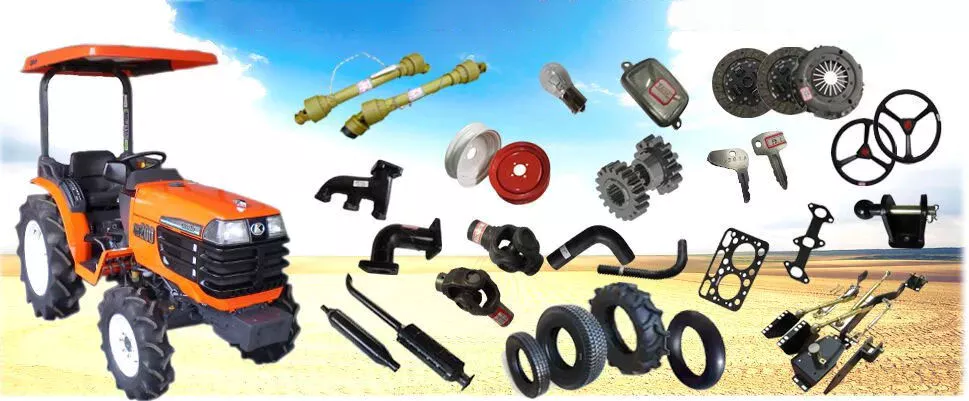
Are there variations in drive shaft designs for different types of machinery?
Yes, there are variations in drive shaft designs to cater to the specific requirements of different types of machinery. The design of a drive shaft is influenced by factors such as the application, power transmission needs, space limitations, operating conditions, and the type of driven components. Here’s an explanation of how drive shaft designs can vary for different types of machinery:
1. Automotive Applications:
In the automotive industry, drive shaft designs can vary depending on the vehicle’s configuration. Rear-wheel-drive vehicles typically use a single-piece or two-piece drive shaft, which connects the transmission or transfer case to the rear differential. Front-wheel-drive vehicles often use a different design, employing a drive shaft that combines with the constant velocity (CV) joints to transmit power to the front wheels. All-wheel-drive vehicles may have multiple drive shafts to distribute power to all wheels. The length, diameter, material, and joint types can differ based on the vehicle’s layout and torque requirements.
2. Industrial Machinery:
Drive shaft designs for industrial machinery depend on the specific application and power transmission requirements. In manufacturing machinery, such as conveyors, presses, and rotating equipment, drive shafts are designed to transfer power efficiently within the machine. They may incorporate flexible joints or use a splined or keyed connection to accommodate misalignment or allow for easy disassembly. The dimensions, materials, and reinforcement of the drive shaft are selected based on the torque, speed, and operating conditions of the machinery.
3. Agriculture and Farming:
Agricultural machinery, such as tractors, combines, and harvesters, often requires drive shafts that can handle high torque loads and varying operating angles. These drive shafts are designed to transmit power from the engine to attachments and implements, such as mowers, balers, tillers, and harvesters. They may incorporate telescopic sections to accommodate adjustable lengths, flexible joints to compensate for misalignment during operation, and protective shielding to prevent entanglement with crops or debris.
4. Construction and Heavy Equipment:
Construction and heavy equipment, including excavators, loaders, bulldozers, and cranes, require robust drive shaft designs capable of transmitting power in demanding conditions. These drive shafts often have larger diameters and thicker walls to handle high torque loads. They may incorporate universal joints or CV joints to accommodate operating angles and absorb shocks and vibrations. Drive shafts in this category may also have additional reinforcements to withstand the harsh environments and heavy-duty applications associated with construction and excavation.
5. Marine and Maritime Applications:
Drive shaft designs for marine applications are specifically engineered to withstand the corrosive effects of seawater and the high torque loads encountered in marine propulsion systems. Marine drive shafts are typically made from stainless steel or other corrosion-resistant materials. They may incorporate flexible couplings or dampening devices to reduce vibration and mitigate the effects of misalignment. The design of marine drive shafts also considers factors such as shaft length, diameter, and support bearings to ensure reliable power transmission in marine vessels.
6. Mining and Extraction Equipment:
In the mining industry, drive shafts are used in heavy machinery and equipment such as mining trucks, excavators, and drilling rigs. These drive shafts need to withstand extremely high torque loads and harsh operating conditions. Drive shaft designs for mining applications often feature larger diameters, thicker walls, and specialized materials such as alloy steel or composite materials. They may incorporate universal joints or CV joints to handle operating angles, and they are designed to be resistant to abrasion and wear.
These examples highlight the variations in drive shaft designs for different types of machinery. The design considerations take into account factors such as power requirements, operating conditions, space constraints, alignment needs, and the specific demands of the machinery or industry. By tailoring the drive shaft design to the unique requirements of each application, optimal power transmission efficiency and reliability can be achieved.


editor by CX 2024-01-19























