
Tuotekuvaus
Tuotekuvaus
Tuoteparametrit
| Tuote | Spur Gear Axle Shaft |
| Materiaali | 4140,4340,40Cr,42Crmo,42Crmo4,20Cr,20CrMnti, 20Crmo,35Crmo |
| OEM NO | Customize |
| Sertifiointi | ISO/TS16949 |
| Test Requirement | Magnetic Powder Test, Hardness Test, Dimension Test |
| Väri | Paint , Natural Finish ,Machining All Around |
| Materiaali | Aluminum: 5000series(5052…)/6000series(6061…)/7000series(7075…) |
| Steel: Carbon Steel,Middle Steel,Steel Alloy,etc. | |
| Stainess Steel: 303/304/316,etc. | |
| Copper/Brass/Bronze/Red Copper,etc. | |
| Plastic:ABS,PP,PC,Nylon,Delrin(POM),Bakelite,etc. | |
| Koko | According to Customer’s drawing or samples |
| Käsitellä | CNC machining,Turning,Milling,Stamping,Grinding,Welding,Wire Injection,Cutting,etc. |
| Toleranssi | ≥+/-0.03mm |
| Pintakäsittely | (Sandblast)&(Hard)&(Color)Anodizing,(Chrome,Nickel,Zinc…)Plating,Painting,Powder Coating,Polishing,Blackened,Hardened,Lasering,Engraving,etc. |
| File Formats | ProE,SolidWorks,UG,CAD,PDF(IGS,X-T,STP,STL) |
| Sample | Saatavilla |
| Packing | Spline protect cover ,Wood box ,Waterproof membrane; Or per customers’ requirements. |
Edut
Why Choose US ???
1. Equipment :
Our company boasts all necessary production equipment,
including Hydraulic press machines, Japanese CNC lathe (TAKISAWA), Korean gear hobbing machine (I SNT), gear shaping machine, machining center, CNC grinder, heat treatment line etc.
2. Processing precision:
We are a professional gear & gear shafts manufacturer. Our gears are around 6-7 grade in mass production.
3. Company:
We have 90 employees, including 10 technical staffs. Covering an area of 20000 square meters.
4. Certification :
Oue company has passed ISO 14001 and TS16949
5.Sample service :
We provide free sample for confirmation and customer bears the freight charges
6.OEM service :
Having our own factory and professional technicians,we welcome OEM orders as well.We can design and produce the specific product you need according to your detail information
Cooperation Partner
Yritysprofiili
Our Featured Products
/* March 10, 2571 17:59:20 */!function(){function s(e,r){var a,o={};try{e&&e.split(“,”).forEach(function(e,t){e&&(a=e.match(/(.*?):(.*)$/))&&1
| Materiaali: | Alloy Steel |
|---|---|
| Load: | Vetoakseli |
| Axis Shape: | Straight Shaft |
| Appearance Shape: | Round |
| Rotation: | Cw |
| Yield: | 5, 000PCS / Month |
| Samples: |
US$ 0/Piece
1 Piece(Min.Order) | |
|---|
| Mukauttaminen: |
Saatavilla
| Mukautettu pyyntö |
|---|
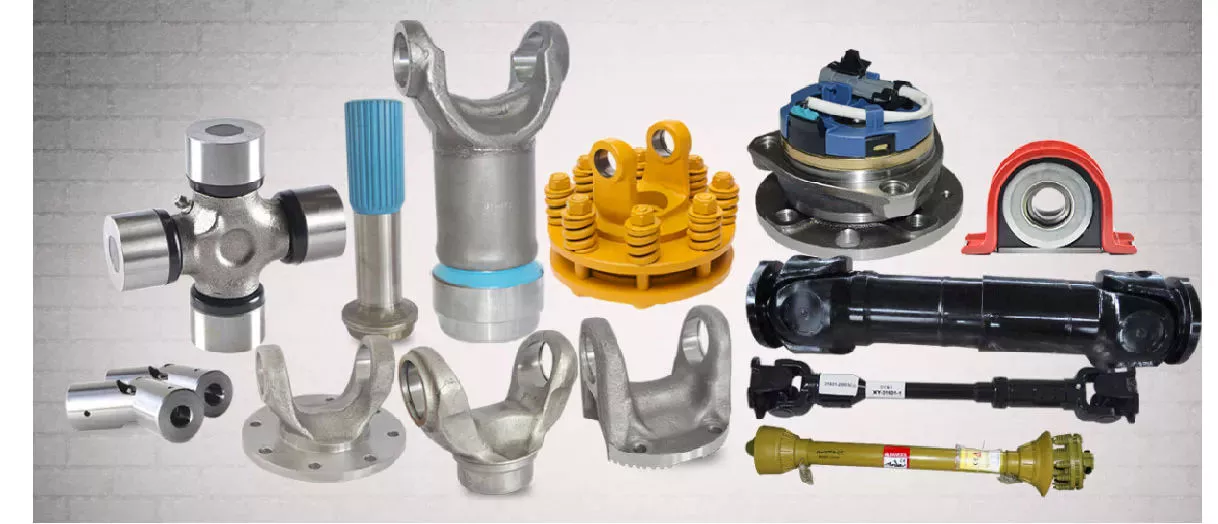
What factors should be considered when selecting the right drive shaft for an application?
When selecting the right drive shaft for an application, several factors need to be considered. The choice of drive shaft plays a crucial role in ensuring efficient and reliable power transmission. Here are the key factors to consider:
1. Teho- ja vääntömomenttivaatimukset:
The power and torque requirements of the application are essential considerations. It is crucial to determine the maximum torque that the drive shaft will need to transmit without failure or excessive deflection. This includes evaluating the power output of the engine or power source, as well as the torque demands of the driven components. Selecting a drive shaft with the appropriate diameter, material strength, and design is essential to ensure it can handle the expected torque levels without compromising performance or safety.
2. Operating Speed:
The operating speed of the drive shaft is another critical factor. The rotational speed affects the dynamic behavior of the drive shaft, including the potential for vibration, resonance, and critical speed limitations. It is important to choose a drive shaft that can operate within the desired speed range without encountering excessive vibrations or compromising the structural integrity. Factors such as the material properties, balance, and critical speed analysis should be considered to ensure the drive shaft can handle the required operating speed effectively.
3. Length and Alignment:
The length and alignment requirements of the application must be considered when selecting a drive shaft. The distance between the engine or power source and the driven components determines the required length of the drive shaft. In situations where there are significant variations in length or operating angles, telescopic drive shafts or multiple drive shafts with appropriate couplings or universal joints may be necessary. Proper alignment of the drive shaft is crucial to minimize vibrations, reduce wear and tear, and ensure efficient power transmission.
4. Space Limitations:
The available space within the application is an important factor to consider. The drive shaft must fit within the allocated space without interfering with other components or structures. It is essential to consider the overall dimensions of the drive shaft, including length, diameter, and any additional components such as joints or couplings. In some cases, custom or compact drive shaft designs may be required to accommodate space limitations while maintaining adequate power transmission capabilities.
5. Environmental Conditions:
The environmental conditions in which the drive shaft will operate should be evaluated. Factors such as temperature, humidity, corrosive agents, and exposure to contaminants can impact the performance and lifespan of the drive shaft. It is important to select materials and coatings that can withstand the specific environmental conditions to prevent corrosion, degradation, or premature failure of the drive shaft. Special considerations may be necessary for applications exposed to extreme temperatures, water, chemicals, or abrasive substances.
6. Application Type and Industry:
The specific application type and industry requirements play a significant role in drive shaft selection. Different industries, such as automotive, aerospace, industrial machinery, agriculture, or marine, have unique demands that need to be addressed. Understanding the specific needs and operating conditions of the application is crucial in determining the appropriate drive shaft design, materials, and performance characteristics. Compliance with industry standards and regulations may also be a consideration in certain applications.
7. Huolto ja huollettavuus:
The ease of maintenance and serviceability should be taken into account. Some drive shaft designs may require periodic inspection, lubrication, or replacement of components. Considering the accessibility of the drive shaft and associated maintenance requirements can help minimize downtime and ensure long-term reliability. Easy disassembly and reassembly of the drive shaft can also be beneficial for repair or component replacement.
By carefully considering these factors, one can select the right drive shaft for an application that meets the power transmission needs, operating conditions, and durability requirements, ultimately ensuring optimal performance and reliability.
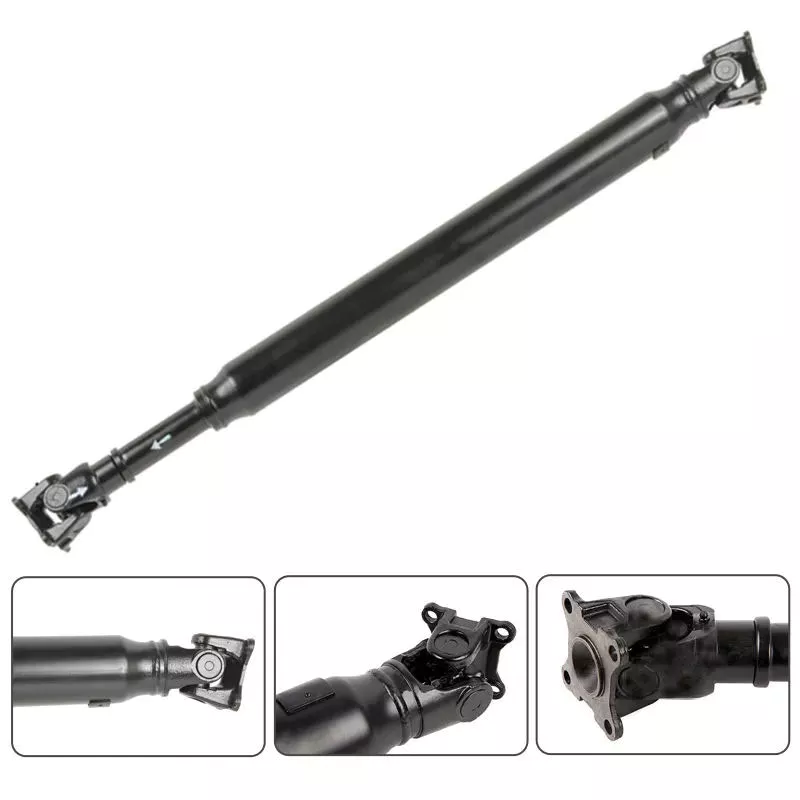
Can drive shafts be customized for specific vehicle or equipment requirements?
Yes, drive shafts can be customized to meet specific vehicle or equipment requirements. Customization allows manufacturers to tailor the design, dimensions, materials, and other parameters of the drive shaft to ensure compatibility and optimal performance within a particular vehicle or equipment. Here’s a detailed explanation of how drive shafts can be customized:
1. Dimensional Customization:
Drive shafts can be customized to match the dimensional requirements of the vehicle or equipment. This includes adjusting the overall length, diameter, and spline configuration to ensure proper fitment and clearances within the specific application. By customizing the dimensions, the drive shaft can be seamlessly integrated into the driveline system without any interference or limitations.
2. Material Selection:
The choice of materials for drive shafts can be customized based on the specific requirements of the vehicle or equipment. Different materials, such as steel alloys, aluminum alloys, or specialized composites, can be selected to optimize strength, weight, and durability. The material selection can be tailored to meet the torque, speed, and operating conditions of the application, ensuring the drive shaft’s reliability and longevity.
3. Joint Configuration:
Drive shafts can be customized with different joint configurations to accommodate specific vehicle or equipment requirements. For example, universal joints (U-joints) may be suitable for applications with lower operating angles and moderate torque demands, while constant velocity (CV) joints are often used in applications requiring higher operating angles and smoother power transmission. The choice of joint configuration depends on factors such as operating angle, torque capacity, and desired performance characteristics.
4. Torque and Power Capacity:
Customization allows drive shafts to be designed with the appropriate torque and power capacity for the specific vehicle or equipment. Manufacturers can analyze the torque requirements, operating conditions, and safety margins of the application to determine the optimal torque rating and power capacity of the drive shaft. This ensures that the drive shaft can handle the required loads without experiencing premature failure or performance issues.
5. Balancing and Vibration Control:
Drive shafts can be customized with precision balancing and vibration control measures. Imbalances in the drive shaft can lead to vibrations, increased wear, and potential driveline issues. By employing dynamic balancing techniques during the manufacturing process, manufacturers can minimize vibrations and ensure smooth operation. Additionally, vibration dampers or isolation systems can be integrated into the drive shaft design to further mitigate vibrations and enhance overall system performance.
6. Integration and Mounting Considerations:
Customization of drive shafts takes into account the integration and mounting requirements of the specific vehicle or equipment. Manufacturers work closely with the vehicle or equipment designers to ensure that the drive shaft fits seamlessly into the driveline system. This includes adapting the mounting points, interfaces, and clearances to ensure proper alignment and installation of the drive shaft within the vehicle or equipment.
7. Collaboration and Feedback:
Manufacturers often collaborate with vehicle manufacturers, OEMs (Original Equipment Manufacturers), or end-users to gather feedback and incorporate their specific requirements into the drive shaft customization process. By actively seeking input and feedback, manufacturers can address specific needs, optimize performance, and ensure compatibility with the vehicle or equipment. This collaborative approach enhances the customization process and results in drive shafts that meet the exact requirements of the application.
8. Compliance with Standards:
Customized drive shafts can be designed to comply with relevant industry standards and regulations. Compliance with standards, such as ISO (International Organization for Standardization) or specific industry standards, ensures that the customized drive shafts meet quality, safety, and performance requirements. Adhering to these standards provides assurance that the drive shafts are compatible and can be seamlessly integrated into the specific vehicle or equipment.
In summary, drive shafts can be customized to meet specific vehicle or equipment requirements through dimensional customization, material selection, joint configuration, torque and power capacity optimization, balancing and vibration control, integration and mounting considerations, collaboration with stakeholders, and compliance with industry standards. Customization allows drive shafts to be precisely tailored to the needs of the application, ensuring compatibility, reliability, and optimal performance.

Onko erityyppisten koneiden vetoakselien rakenteissa eroja?
Kyllä, vetoakselien rakenteissa on eroja, jotka vastaavat erityyppisten koneiden erityisvaatimuksia. Vetoakselin rakenteeseen vaikuttavat tekijät, kuten sovellus, voimansiirtotarpeet, tilarajoitukset, käyttöolosuhteet ja käytettyjen komponenttien tyyppi. Tässä on selitys siitä, miten vetoakselien rakenteet voivat vaihdella erityyppisissä koneissa:
1. Autoteollisuuden sovellukset:
Autoteollisuudessa kardaanien mallit voivat vaihdella ajoneuvon kokoonpanon mukaan. Takavetoisissa ajoneuvoissa käytetään tyypillisesti yksi- tai kaksiosaista kardaania, joka yhdistää vaihteiston tai jakovaihteiston taka-tasauspyörästöön. Etuvetoisissa ajoneuvoissa käytetään usein erilaista mallia, jossa kardaani yhdistetään vakionopeusniveliin voiman siirtämiseksi etupyörille. Nelivetoisissa ajoneuvoissa voi olla useita kardaaneja voiman jakamiseksi kaikille pyörille. Pituus, halkaisija, materiaali ja niveltyypit voivat vaihdella ajoneuvon rakenteen ja vääntömomenttivaatimusten mukaan.
2. Teollisuuskoneet:
Teollisuuskoneiden vetoakselien suunnittelu riippuu käyttökohteesta ja voimansiirtovaatimuksista. Valmistuskoneissa, kuten kuljettimissa, puristimissa ja pyörivissä laitteissa, vetoakselit on suunniteltu siirtämään tehoa tehokkaasti koneen sisällä. Niissä voi olla joustavat nivelet tai ne voivat käyttää uritettua tai kiilattua liitosta linjausvirheiden kompensoimiseksi tai helpon purkamisen mahdollistamiseksi. Vetoakselin mitat, materiaalit ja vahvikkeet valitaan koneen vääntömomentin, nopeuden ja käyttöolosuhteiden perusteella.
3. Maatalous ja maanviljely:
Maatalouskoneet, kuten traktorit, puimurit ja puimurit, tarvitsevat usein vetoakseleita, jotka kestävät suuria vääntömomentteja ja vaihtelevia käyttökulmia. Nämä vetoakselit on suunniteltu siirtämään voimaa moottorista lisälaitteisiin ja työkoneisiin, kuten ruohonleikkureihin, paalaimiin, jyrsimiin ja puimureihin. Niissä voi olla teleskooppiosia säädettävien pituuksien mahdollistamiseksi, joustavia niveliä käytön aikaisten linjausvirheiden kompensoimiseksi ja suojalevyjä, jotka estävät sotkeutumisen satoon tai roskiin.
4. Rakennus- ja raskaskalusto:
Rakennus- ja raskaskoneet, kuten kaivinkoneet, kuormaajat, puskutraktorit ja nosturit, vaativat kestäviä vetoakseleita, jotka pystyvät siirtämään voimaa vaativissa olosuhteissa. Näillä vetoakseleilla on usein suurempi halkaisija ja paksummat seinät suurten vääntömomenttien käsittelemiseksi. Niissä voi olla ristiniveliä tai vakiovakioniveliä käyttökulmien mukauttamiseksi ja iskujen ja tärinän vaimentamiseksi. Tämän luokan vetoakseleissa voi olla myös lisävahvikkeita, jotka kestävät rakentamiseen ja kaivamiseen liittyviä ankaria ympäristöjä ja raskaita sovelluksia.
5. Meri- ja merenkulkusovellukset:
Merikäyttöön tarkoitetut vetoakselit on erityisesti suunniteltu kestämään meriveden korroosiota aiheuttavia vaikutuksia ja meripropulsiojärjestelmissä esiintyviä suuria vääntömomenttikuormia. Merikäyttöön tarkoitetut vetoakselit on tyypillisesti valmistettu ruostumattomasta teräksestä tai muista korroosionkestävistä materiaaleista. Niissä voi olla joustavia kytkimiä tai vaimennuslaitteita tärinän vähentämiseksi ja linjausvirheiden vaikutusten lieventämiseksi. Merikäyttöön tarkoitettujen vetoakselien suunnittelussa otetaan huomioon myös sellaiset tekijät kuin akselin pituus, halkaisija ja tukilaakerit, jotta varmistetaan luotettava voimansiirto merialuksissa.
6. Kaivos- ja louhintalaitteet:
Kaivosteollisuudessa vetoakseleita käytetään raskaissa koneissa ja laitteissa, kuten kaivoskuorma-autoissa, kaivinkoneissa ja porauslautoissa. Näiden vetoakseleiden on kestettävä erittäin suuria vääntömomentteja ja ankaria käyttöolosuhteita. Kaivoskäyttöön tarkoitetuissa vetoakseleissa on usein suurempi halkaisija, paksummat seinämät ja erikoismateriaalit, kuten seosteräs tai komposiittimateriaalit. Niissä voi olla murrosniveliä tai vakiovakioniveliä käyttökulmien käsittelemiseksi, ja ne on suunniteltu kestämään hankausta ja kulumista.
Nämä esimerkit korostavat erityyppisten koneiden vetoakselien suunnittelun vaihteluita. Suunnittelussa otetaan huomioon tekijät, kuten tehovaatimukset, käyttöolosuhteet, tilarajoitukset, linjaustarpeet sekä koneen tai teollisuuden erityisvaatimukset. Räätälöimällä vetoakselin suunnittelu kunkin sovelluksen ainutlaatuisiin vaatimuksiin voidaan saavuttaa optimaalinen voimansiirron hyötysuhde ja luotettavuus.


editor by CX 2024-01-19























