
Описание продукта
Описание продукта
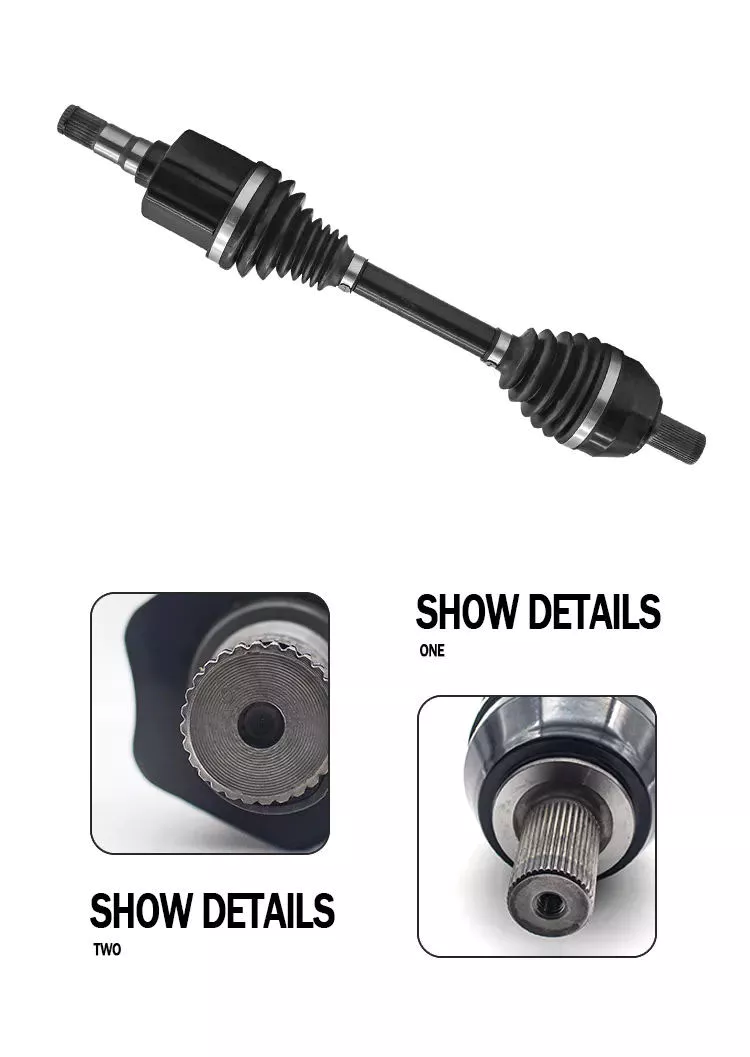
As a professional manufacturer for propeller shaft, we have +1000 items for all kinds of car. At present, our products are mainly sold in North America, Europe, Australia, South Korea, the Middle East and Southeast Asia and other regions, applicable models are European cars, American cars, Japanese and Korean cars, etc.
Наше преимущество:
1. Full range of products
2. MOQ qty: 1pcs/items
3. Delivery on time
4: Warranty: 1 YEAR
| OE NUMBER | FRC8386;TVB100610 |
| TYPE | LAND ROVER – DISCOVERY |
| MATERIAL | STEEL |
| BALANCE STHangZhouRD | G16 3200RPM |
| Послепродажное обслуживание: | 1years |
|---|---|
| Состояние: | Новый |
| Цвет: | Black |
| Сертификация: | IATF 16949 |
| Тип: | карданный вал |
| Application Brand: | Land Rover |
| Настройка: |
Доступный
| Индивидуальный запрос |
|---|
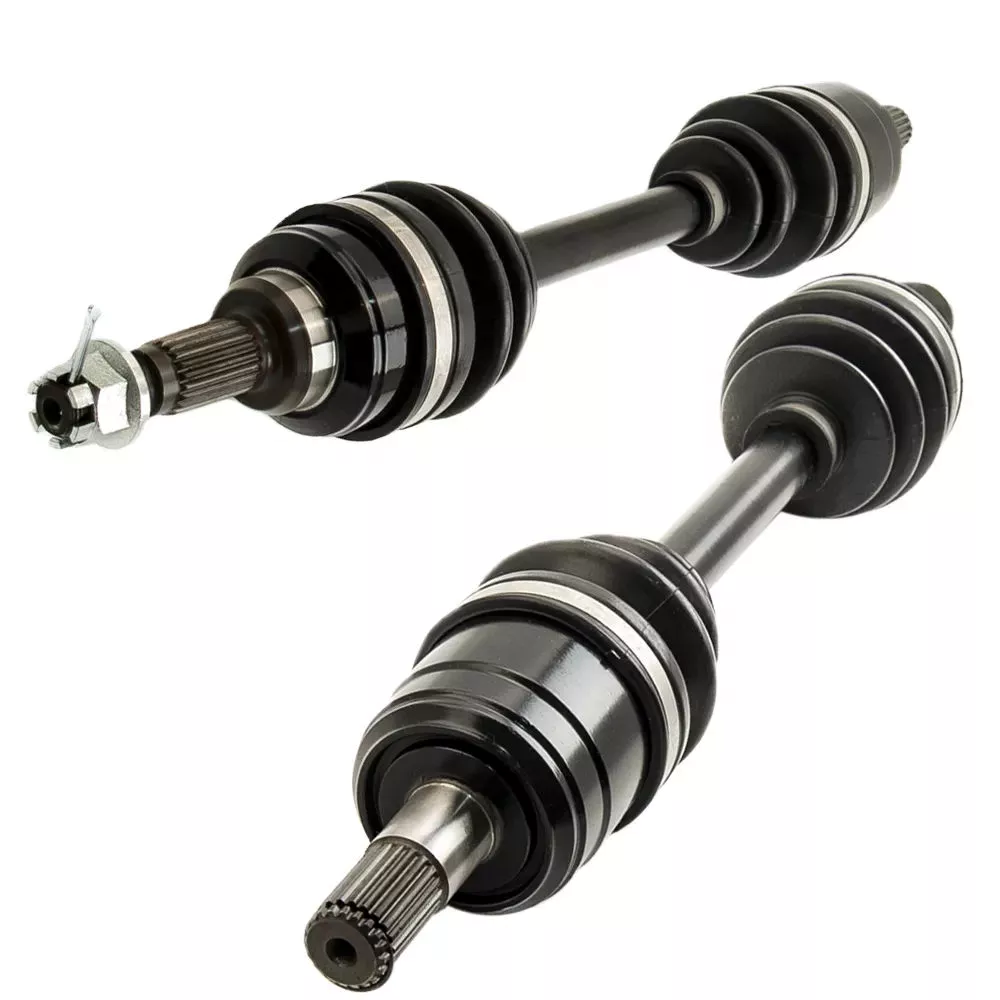
Are there any limitations or disadvantages associated with drive shafts?
While drive shafts are widely used and offer several advantages, they also have certain limitations and disadvantages that should be considered. Here’s a detailed explanation of the limitations and disadvantages associated with drive shafts:
1. Length and Misalignment Constraints:
Drive shafts have a maximum practical length due to factors such as material strength, weight considerations, and the need to maintain rigidity and minimize vibrations. Longer drive shafts can be prone to increased bending and torsional deflection, leading to reduced efficiency and potential driveline vibrations. Additionally, drive shafts require proper alignment between the driving and driven components. Misalignment can cause increased wear, vibrations, and premature failure of the drive shaft or its associated components.
2. Limited Operating Angles:
Drive shafts, especially those using U-joints, have limitations on operating angles. U-joints are typically designed to operate within specific angular ranges, and operating beyond these limits can result in reduced efficiency, increased vibrations, and accelerated wear. In applications requiring large operating angles, constant velocity (CV) joints are often used to maintain a constant speed and accommodate greater angles. However, CV joints may introduce higher complexity and cost compared to U-joints.
3. Maintenance Requirements:
Drive shafts require regular maintenance to ensure optimal performance and reliability. This includes periodic inspection, lubrication of joints, and balancing if necessary. Failure to perform routine maintenance can lead to increased wear, vibrations, and potential driveline issues. Maintenance requirements should be considered in terms of time and resources when using drive shafts in various applications.
4. Noise and Vibration:
Drive shafts can generate noise and vibrations, especially at high speeds or when operating at certain resonant frequencies. Imbalances, misalignment, worn joints, or other factors can contribute to increased noise and vibrations. These vibrations may affect the comfort of vehicle occupants, contribute to component fatigue, and require additional measures such as dampers or vibration isolation systems to mitigate their effects.
5. Weight and Space Constraints:
Drive shafts add weight to the overall system, which can be a consideration in weight-sensitive applications, such as automotive or aerospace industries. Additionally, drive shafts require physical space for installation. In compact or tightly packaged equipment or vehicles, accommodating the necessary drive shaft length and clearances can be challenging, requiring careful design and integration considerations.
6. Cost Considerations:
Drive shafts, depending on their design, materials, and manufacturing processes, can involve significant costs. Customized or specialized drive shafts tailored to specific equipment requirements may incur higher expenses. Additionally, incorporating advanced joint configurations, such as CV joints, can add complexity and cost to the drive shaft system.
7. Inherent Power Loss:
Drive shafts transmit power from the driving source to the driven components, but they also introduce some inherent power loss due to friction, bending, and other factors. This power loss can reduce overall system efficiency, particularly in long drive shafts or applications with high torque requirements. It is important to consider power loss when determining the appropriate drive shaft design and specifications.
8. Limited Torque Capacity:
While drive shafts can handle a wide range of torque loads, there are limits to their torque capacity. Exceeding the maximum torque capacity of a drive shaft can lead to premature failure, resulting in downtime and potential damage to other driveline components. It is crucial to select a drive shaft with sufficient torque capacity for the intended application.
Despite these limitations and disadvantages, drive shafts remain a widely used and effective means of power transmission in various industries. Manufacturers continuously work to address these limitations through advancements in materials, design techniques, joint configurations, and balancing processes. By carefully considering the specific application requirements and potential drawbacks, engineers and designers can mitigate the limitations and maximize the benefits of drive shafts in their respective systems.
Как карданные валы справляются с изменениями нагрузки и вибрации во время работы?
Карданные валы спроектированы таким образом, чтобы выдерживать изменения нагрузки и вибрации во время работы за счет использования различных механизмов и элементов. Эти механизмы помогают обеспечить плавную передачу мощности, минимизировать вибрации и поддерживать структурную целостность карданного вала. Вот подробное объяснение того, как карданные валы справляются с изменениями нагрузки и вибрации:
1. Выбор материалов и дизайн:
Приводные валы обычно изготавливаются из материалов с высокой прочностью и жесткостью, таких как стальные сплавы или композитные материалы. При выборе материала и проектировании учитываются предполагаемые нагрузки и условия эксплуатации. Благодаря использованию соответствующих материалов и оптимизации конструкции приводные валы могут выдерживать ожидаемые изменения нагрузки без чрезмерного прогиба или деформации.
2. Крутящий момент:
Карданные валы проектируются с учетом заданного крутящего момента, соответствующего ожидаемым нагрузкам. Крутящий момент учитывает такие факторы, как мощность приводного устройства и требования к крутящему моменту приводимых компонентов. Выбор карданного вала с достаточным крутящим моментом позволяет компенсировать изменения нагрузки без превышения предельных значений и риска поломки или повреждения.
3. Динамическая балансировка:
В процессе производства приводные валы могут подвергаться динамической балансировке. Дисбаланс приводного вала может приводить к вибрациям во время работы. В процессе балансировки стратегически добавляются или удаляются грузы, чтобы обеспечить равномерное вращение приводного вала и минимизировать вибрации. Динамическая балансировка помогает смягчить воздействие колебаний нагрузки и снижает вероятность чрезмерных вибраций в приводном валу.
4. Амортизаторы и виброгашение:
В приводных валах могут быть установлены демпферы или механизмы подавления вибрации для дальнейшего минимизирования вибраций. Эти устройства, как правило, предназначены для поглощения или рассеивания вибраций, которые могут возникать из-за изменений нагрузки или других факторов. Демпферы могут представлять собой торсионные демпферы, резиновые изоляторы или другие вибропоглощающие элементы, стратегически расположенные вдоль приводного вала. Управляя и ослабляя вибрации, приводные валы обеспечивают плавную работу и повышают общую производительность системы.
5. Шарниры равных угловых скоростей:
Шарниры равных угловых скоростей (ШРУС) часто используются в карданных валах для компенсации изменений рабочих углов и поддержания постоянной скорости. ШРУСы позволяют карданному валу передавать мощность даже тогда, когда ведущий и ведомый компоненты находятся под разными углами. Компенсируя изменения рабочих углов, ШРУСы помогают минимизировать влияние колебаний нагрузки и уменьшить потенциальные вибрации, которые могут возникнуть из-за изменений геометрии трансмиссии.
6. Смазка и техническое обслуживание:
Надлежащая смазка и регулярное техническое обслуживание необходимы для эффективной работы приводных валов при изменении нагрузки и вибрации. Смазка помогает снизить трение между движущимися частями, минимизируя износ и выделение тепла. Регулярное техническое обслуживание, включая осмотр и смазку соединений, гарантирует поддержание приводного вала в оптимальном состоянии, снижая риск поломки или ухудшения производительности из-за колебаний нагрузки.
7. Структурная жесткость:
Карданные валы спроектированы таким образом, чтобы обладать достаточной жесткостью для сопротивления изгибающим и крутящим моментам. Эта жесткость помогает поддерживать целостность карданного вала при изменении нагрузки. Минимизируя деформацию и сохраняя структурную целостность, карданный вал может эффективно передавать мощность и выдерживать изменения нагрузки без ущерба для производительности или возникновения чрезмерных вибраций.
8. Системы управления и обратная связь:
В некоторых областях применения приводные валы могут быть оснащены системами управления, которые активно контролируют и регулируют такие параметры, как крутящий момент, скорость и вибрация. Эти системы управления используют датчики и механизмы обратной связи для обнаружения изменений нагрузки или вибрации и внесения корректировок в режиме реального времени для оптимизации производительности. Благодаря активному управлению изменениями нагрузки и вибрации приводные валы могут адаптироваться к изменяющимся условиям эксплуатации и поддерживать плавную работу.
В целом, приводные валы справляются с изменениями нагрузки и вибрации во время работы благодаря тщательному выбору материалов и конструкции, учету крутящего момента, динамической балансировке, интеграции демпферов и механизмов подавления вибрации, использованию шарниров равных угловых скоростей, надлежащей смазке и техническому обслуживанию, структурной жесткости, а в некоторых случаях и системам управления и механизмам обратной связи. Благодаря этим особенностям и механизмам приводные валы обеспечивают надежную и эффективную передачу мощности, минимизируя при этом влияние изменений нагрузки и вибрации на общую производительность системы.

What benefits do drive shafts offer for different types of vehicles and equipment?
Drive shafts offer several benefits for different types of vehicles and equipment. They play a crucial role in power transmission and contribute to the overall performance, efficiency, and functionality of various systems. Here’s a detailed explanation of the benefits that drive shafts provide:
1. Efficient Power Transmission:
Drive shafts enable efficient power transmission from the engine or power source to the wheels or driven components. By connecting the engine or motor to the driven system, drive shafts efficiently transfer rotational power, allowing vehicles and equipment to perform their intended functions. This efficient power transmission ensures that the power generated by the engine is effectively utilized, optimizing the overall performance and productivity of the system.
2. Versatility:
Drive shafts offer versatility in their applications. They are used in various types of vehicles, including cars, trucks, motorcycles, and off-road vehicles. Additionally, drive shafts are employed in a wide range of equipment and machinery, such as agricultural machinery, construction equipment, industrial machinery, and marine vessels. The ability to adapt to different types of vehicles and equipment makes drive shafts a versatile component for power transmission.
3. Torque Handling:
Drive shafts are designed to handle high levels of torque. Torque is the rotational force generated by the engine or power source. Drive shafts are engineered to efficiently transmit this torque without excessive twisting or bending. By effectively handling torque, drive shafts ensure that the power generated by the engine is reliably transferred to the wheels or driven components, enabling vehicles and equipment to overcome resistance, such as heavy loads or challenging terrains.
4. Flexibility and Compensation:
Drive shafts provide flexibility and compensation for angular movement and misalignment. In vehicles, drive shafts accommodate the movement of the suspension system, allowing the wheels to move up and down independently. This flexibility ensures a constant power transfer even when the vehicle encounters uneven terrain. Similarly, in machinery, drive shafts compensate for misalignment between the engine or motor and the driven components, ensuring smooth power transmission and preventing excessive stress on the drivetrain.
5. Снижение веса:
Drive shafts contribute to weight reduction in vehicles and equipment. Compared to other forms of power transmission, such as belt drives or chain drives, drive shafts are typically lighter in weight. This reduction in weight helps improve fuel efficiency in vehicles and reduces the overall weight of equipment, leading to enhanced maneuverability and increased payload capacity. Additionally, lighter drive shafts contribute to a better power-to-weight ratio, resulting in improved performance and acceleration.
6. Durability and Longevity:
Drive shafts are designed to be durable and long-lasting. They are constructed using materials such as steel or aluminum, which offer high strength and resistance to wear and fatigue. Drive shafts undergo rigorous testing and quality control measures to ensure their reliability and longevity. Proper maintenance, including lubrication and regular inspections, further enhances their durability. The robust construction and long lifespan of drive shafts contribute to the overall reliability and cost-effectiveness of vehicles and equipment.
7. Safety:
Drive shafts incorporate safety features to protect operators and bystanders. In vehicles, drive shafts are often enclosed within a protective tube or housing, preventing contact with moving parts and reducing the risk of injury in the event of a failure. Similarly, in machinery, safety shields or guards are commonly installed around exposed drive shafts to minimize the potential hazards associated with rotating components. These safety measures ensure the well-being of individuals operating or working in proximity to vehicles and equipment.
In summary, drive shafts offer several benefits for different types of vehicles and equipment. They enable efficient power transmission, provide versatility in various applications, handle torque effectively, offer flexibility and compensation, contribute to weight reduction, ensure durability and longevity, and incorporate safety features. By providing these advantages, drive shafts enhance the performance, efficiency, reliability, and safety of vehicles and equipment across a wide range of industries.


editor by CX 2023-09-30























