
Опис продукту
Опис продукту
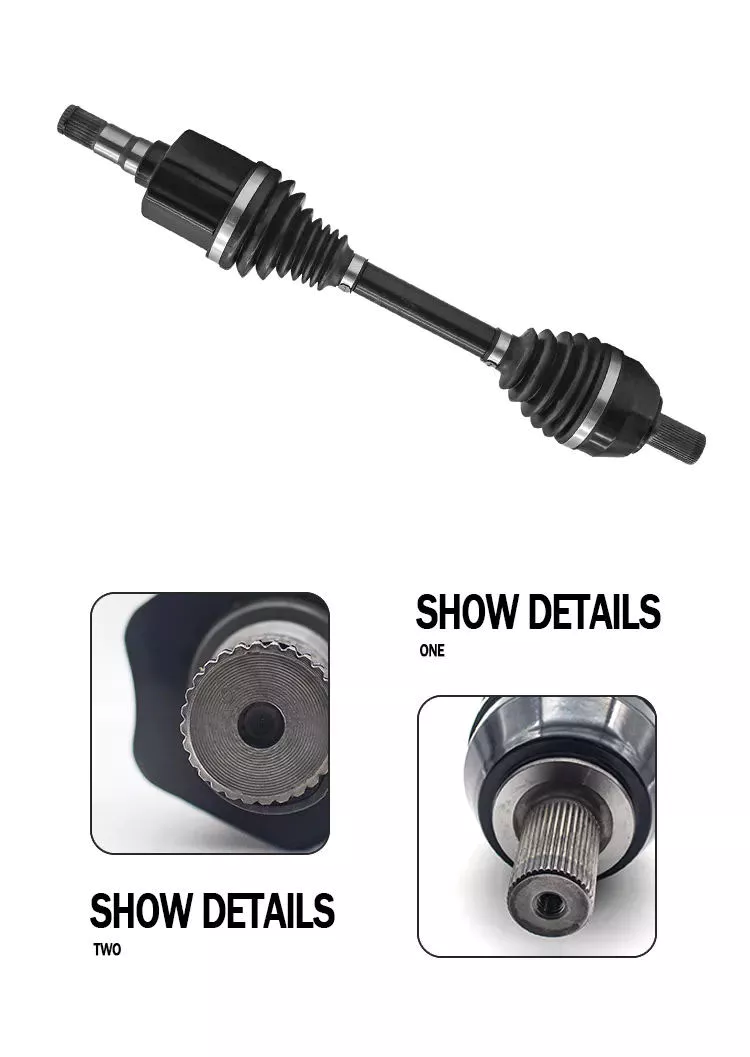
As a professional manufacturer for propeller shaft, we have +1000 items for all kinds of car. At present, our products are mainly sold in North America, Europe, Australia, South Korea, the Middle East and Southeast Asia and other regions, applicable models are European cars, American cars, Japanese and Korean cars, etc.
Our advantage:
1. Full range of products
2. MOQ qty: 1pcs/items
3. Delivery on time
4: Warranty: 1 YEAR
| OE NUMBER | FRC8386;TVB100610 |
| TYPE | LAND ROVER – DISCOVERY |
| MATERIAL | STEEL |
| BALANCE STHangZhouRD | G16 3200RPM |
| Післяпродажне обслуговування: | 1years |
|---|---|
| Condition: | New |
| Color: | Black |
| Certification: | IATF 16949 |
| Тип: | Привідний вал |
| Application Brand: | Land Rover |
| Налаштування: |
Доступно
| Індивідуальний запит |
|---|
Are there any limitations or disadvantages associated with drive shafts?
While drive shafts are widely used and offer several advantages, they also have certain limitations and disadvantages that should be considered. Here’s a detailed explanation of the limitations and disadvantages associated with drive shafts:
1. Length and Misalignment Constraints:
Drive shafts have a maximum practical length due to factors such as material strength, weight considerations, and the need to maintain rigidity and minimize vibrations. Longer drive shafts can be prone to increased bending and torsional deflection, leading to reduced efficiency and potential driveline vibrations. Additionally, drive shafts require proper alignment between the driving and driven components. Misalignment can cause increased wear, vibrations, and premature failure of the drive shaft or its associated components.
2. Limited Operating Angles:
Drive shafts, especially those using U-joints, have limitations on operating angles. U-joints are typically designed to operate within specific angular ranges, and operating beyond these limits can result in reduced efficiency, increased vibrations, and accelerated wear. In applications requiring large operating angles, constant velocity (CV) joints are often used to maintain a constant speed and accommodate greater angles. However, CV joints may introduce higher complexity and cost compared to U-joints.
3. Maintenance Requirements:
Drive shafts require regular maintenance to ensure optimal performance and reliability. This includes periodic inspection, lubrication of joints, and balancing if necessary. Failure to perform routine maintenance can lead to increased wear, vibrations, and potential driveline issues. Maintenance requirements should be considered in terms of time and resources when using drive shafts in various applications.
4. Noise and Vibration:
Drive shafts can generate noise and vibrations, especially at high speeds or when operating at certain resonant frequencies. Imbalances, misalignment, worn joints, or other factors can contribute to increased noise and vibrations. These vibrations may affect the comfort of vehicle occupants, contribute to component fatigue, and require additional measures such as dampers or vibration isolation systems to mitigate their effects.
5. Weight and Space Constraints:
Drive shafts add weight to the overall system, which can be a consideration in weight-sensitive applications, such as automotive or aerospace industries. Additionally, drive shafts require physical space for installation. In compact or tightly packaged equipment or vehicles, accommodating the necessary drive shaft length and clearances can be challenging, requiring careful design and integration considerations.
6. Cost Considerations:
Drive shafts, depending on their design, materials, and manufacturing processes, can involve significant costs. Customized or specialized drive shafts tailored to specific equipment requirements may incur higher expenses. Additionally, incorporating advanced joint configurations, such as CV joints, can add complexity and cost to the drive shaft system.
7. Inherent Power Loss:
Drive shafts transmit power from the driving source to the driven components, but they also introduce some inherent power loss due to friction, bending, and other factors. This power loss can reduce overall system efficiency, particularly in long drive shafts or applications with high torque requirements. It is important to consider power loss when determining the appropriate drive shaft design and specifications.
8. Limited Torque Capacity:
While drive shafts can handle a wide range of torque loads, there are limits to their torque capacity. Exceeding the maximum torque capacity of a drive shaft can lead to premature failure, resulting in downtime and potential damage to other driveline components. It is crucial to select a drive shaft with sufficient torque capacity for the intended application.
Despite these limitations and disadvantages, drive shafts remain a widely used and effective means of power transmission in various industries. Manufacturers continuously work to address these limitations through advancements in materials, design techniques, joint configurations, and balancing processes. By carefully considering the specific application requirements and potential drawbacks, engineers and designers can mitigate the limitations and maximize the benefits of drive shafts in their respective systems.
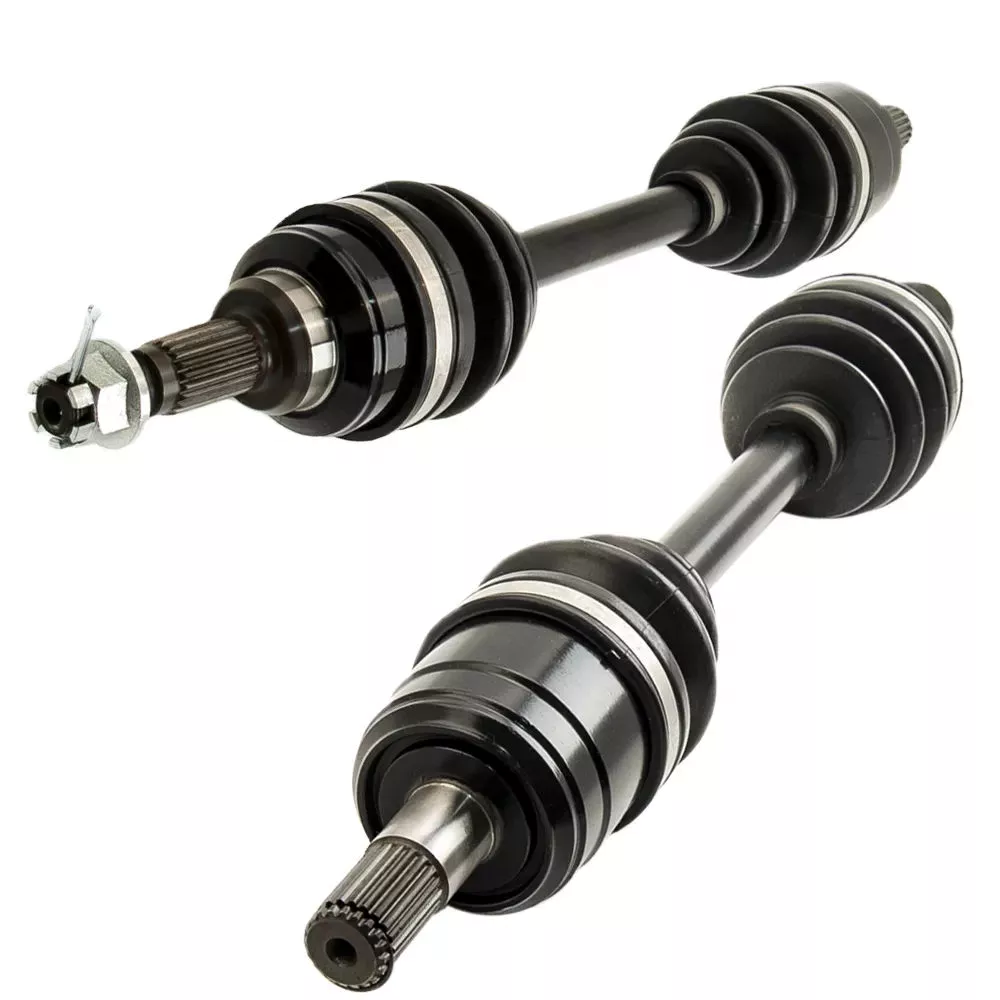
Як карданні вали справляються з коливаннями навантаження та вібрацією під час роботи?
Карданні вали розроблені для роботи з урахуванням коливань навантаження та вібрації за допомогою різних механізмів та функцій. Ці механізми допомагають забезпечити плавну передачу потужності, мінімізувати вібрації та підтримувати структурну цілісність карданного вала. Ось детальне пояснення того, як карданні вали справляються зі змінами навантаження та вібрації:
1. Вибір матеріалів та дизайн:
Карданні вали зазвичай виготовляються з матеріалів з високою міцністю та жорсткістю, таких як сталеві сплави або композитні матеріали. Вибір матеріалу та конструкція враховують очікувані навантаження та умови експлуатації застосування. Завдяки використанню відповідних матеріалів та оптимізації конструкції карданні вали можуть витримувати очікувані коливання навантаження без надмірного прогину чи деформації.
2. Крутний момент:
Карданні вали розроблені з певною допустимою крутним моментом, яка відповідає очікуваним навантаженням. Допустима крутний момент враховує такі фактори, як вихідна потужність джерела руху та вимоги до крутного моменту ведених компонентів. Вибираючи карданний вал з достатньою допустимою крутним моментом, можна враховувати коливання навантаження, не перевищуючи межі карданного вала та не ризикуючи виходом з ладу або пошкодженням.
3. Динамічне балансування:
Під час виробничого процесу карданні вали можуть проходити динамічне балансування. Дисбаланс карданного валу може призвести до вібрацій під час роботи. Під час балансування стратегічно додаються або видаляються вантажі, щоб забезпечити рівномірне обертання карданного валу та мінімізувати вібрації. Динамічне балансування допомагає пом'якшити вплив коливань навантаження та зменшує потенційну надмірну вібрацію карданного валу.
4. Демпфери та контроль вібрації:
Карданні вали можуть мати демпфери або механізми контролю вібрації для подальшої мінімізації вібрацій. Ці пристрої зазвичай призначені для поглинання або розсіювання вібрацій, які можуть виникати внаслідок коливань навантаження або інших факторів. Демпфери можуть бути у вигляді торсійних демпферів, гумових ізоляторів або інших елементів, що поглинають вібрацію, стратегічно розміщених вздовж карданного вала. Керуючи та послаблюючи вібрації, карданні вали забезпечують плавну роботу та покращують загальну продуктивність системи.
5. ШРУСи:
Шарніри постійної швидкості (ШРУС) часто використовуються в карданних валах для компенсації змін робочих кутів та підтримки постійної швидкості. ШРУСи дозволяють карданному валу передавати потужність, навіть коли ведучі та ведені компоненти знаходяться під різними кутами. Завдяки компенсації змін робочих кутів, ШРУСи допомагають мінімізувати вплив коливань навантаження та зменшити потенційні вібрації, які можуть виникнути внаслідок змін геометрії трансмісії.
6. Змащення та технічне обслуговування:
Правильне змащування та регулярне технічне обслуговування є важливими для того, щоб карданні вали ефективно справлялися з коливаннями навантаження та вібрації. Змащування допомагає зменшити тертя між рухомими деталями, мінімізуючи знос та виділення тепла. Регулярне технічне обслуговування, включаючи перевірку та змащування з'єднань, гарантує, що карданний вал залишається в оптимальному стані, зменшуючи ризик виходу з ладу або погіршення продуктивності через коливання навантаження.
7. Структурна жорсткість:
Карданні вали розроблені з достатньою структурною жорсткістю, щоб протистояти силам згинання та крутіння. Ця жорсткість допомагає підтримувати цілісність карданного вала під час коливань навантаження. Мінімізуючи прогин та зберігаючи структурну цілісність, карданний вал може ефективно передавати потужність та справлятися з коливаннями навантаження без шкоди для продуктивності та надмірних вібрацій.
8. Системи керування та зворотний зв'язок:
У деяких випадках карданні вали можуть бути оснащені системами керування, які активно контролюють та регулюють такі параметри, як крутний момент, швидкість та вібрація. Ці системи керування використовують датчики та механізми зворотного зв'язку для виявлення змін навантаження або вібрацій та внесення змін у режимі реального часу для оптимізації продуктивності. Завдяки активному керуванню змінами навантаження та вібраціями карданні вали можуть адаптуватися до змінних умов експлуатації та підтримувати плавну роботу.
Підсумовуючи, карданні вали справляються з коливаннями навантаження та вібрації під час роботи завдяки ретельному вибору та конструкції матеріалів, врахуванню крутного моменту, динамічному балансуванню, інтеграції демпферів та механізмів контролю вібрації, використанню шарнірів шрусів, належному змащенню та обслуговуванню, жорсткості конструкції та, в деяких випадках, системам керування та механізмам зворотного зв'язку. Завдяки поєднанню цих функцій та механізмів, карданні вали забезпечують надійну та ефективну передачу потужності, мінімізуючи вплив коливань навантаження та вібрацій на загальну продуктивність системи.

What benefits do drive shafts offer for different types of vehicles and equipment?
Drive shafts offer several benefits for different types of vehicles and equipment. They play a crucial role in power transmission and contribute to the overall performance, efficiency, and functionality of various systems. Here’s a detailed explanation of the benefits that drive shafts provide:
1. Efficient Power Transmission:
Drive shafts enable efficient power transmission from the engine or power source to the wheels or driven components. By connecting the engine or motor to the driven system, drive shafts efficiently transfer rotational power, allowing vehicles and equipment to perform their intended functions. This efficient power transmission ensures that the power generated by the engine is effectively utilized, optimizing the overall performance and productivity of the system.
2. Versatility:
Drive shafts offer versatility in their applications. They are used in various types of vehicles, including cars, trucks, motorcycles, and off-road vehicles. Additionally, drive shafts are employed in a wide range of equipment and machinery, such as agricultural machinery, construction equipment, industrial machinery, and marine vessels. The ability to adapt to different types of vehicles and equipment makes drive shafts a versatile component for power transmission.
3. Torque Handling:
Drive shafts are designed to handle high levels of torque. Torque is the rotational force generated by the engine or power source. Drive shafts are engineered to efficiently transmit this torque without excessive twisting or bending. By effectively handling torque, drive shafts ensure that the power generated by the engine is reliably transferred to the wheels or driven components, enabling vehicles and equipment to overcome resistance, such as heavy loads or challenging terrains.
4. Flexibility and Compensation:
Drive shafts provide flexibility and compensation for angular movement and misalignment. In vehicles, drive shafts accommodate the movement of the suspension system, allowing the wheels to move up and down independently. This flexibility ensures a constant power transfer even when the vehicle encounters uneven terrain. Similarly, in machinery, drive shafts compensate for misalignment between the engine or motor and the driven components, ensuring smooth power transmission and preventing excessive stress on the drivetrain.
5. Weight Reduction:
Drive shafts contribute to weight reduction in vehicles and equipment. Compared to other forms of power transmission, such as belt drives or chain drives, drive shafts are typically lighter in weight. This reduction in weight helps improve fuel efficiency in vehicles and reduces the overall weight of equipment, leading to enhanced maneuverability and increased payload capacity. Additionally, lighter drive shafts contribute to a better power-to-weight ratio, resulting in improved performance and acceleration.
6. Durability and Longevity:
Drive shafts are designed to be durable and long-lasting. They are constructed using materials such as steel or aluminum, which offer high strength and resistance to wear and fatigue. Drive shafts undergo rigorous testing and quality control measures to ensure their reliability and longevity. Proper maintenance, including lubrication and regular inspections, further enhances their durability. The robust construction and long lifespan of drive shafts contribute to the overall reliability and cost-effectiveness of vehicles and equipment.
7. Safety:
Drive shafts incorporate safety features to protect operators and bystanders. In vehicles, drive shafts are often enclosed within a protective tube or housing, preventing contact with moving parts and reducing the risk of injury in the event of a failure. Similarly, in machinery, safety shields or guards are commonly installed around exposed drive shafts to minimize the potential hazards associated with rotating components. These safety measures ensure the well-being of individuals operating or working in proximity to vehicles and equipment.
In summary, drive shafts offer several benefits for different types of vehicles and equipment. They enable efficient power transmission, provide versatility in various applications, handle torque effectively, offer flexibility and compensation, contribute to weight reduction, ensure durability and longevity, and incorporate safety features. By providing these advantages, drive shafts enhance the performance, efficiency, reliability, and safety of vehicles and equipment across a wide range of industries.


editor by CX 2023-09-30























