
Описание продукта
|
Cross journal(mm) |
22*54, 23.8*61.3, 27*70, 27*74.6, 30.2*80, 30.2*92, 30.2*106.5, 35*94, 35*106.5 etc |
|
Type of tube |
Triangular tube, Lemon tube, star tube |
|
Type of yoke |
1 3/8” Z6, 1 3/4” Z6, 1 3/8” Z21; 1 3/4” Z 20 |
|
Type of Clutch |
Wide angle joint, Shear Bolt Torque Limiter, Friction Torque Limiter, |
|
Color of surface |
Yellow or Black Painting |
|
Angle of universal joint |
<=25° |
|
Упаковка |
Steel shelf or single CTN |
|
Сертификат |
CE |
|
Lanuage of Manual |
English, any other lanuage as you require |
|
Other dvantage |
Rilsan coating as require |
1. Various Series for many different use.
2. You can choose the Tube, CrossJournal, Shield and Yoke according to your demands.
1. 1. Model Number/Cross Series: T01,T02,T03,T04,T05,T06,T07,T08 and some special cross Journal
2. Dimension/Size: Minimum overall length: 600-1800mm or 27″-60″
3. Working Condition: For Tractors, Trucks and Agricultural Use
4. Shield Colour: Yellow or black.
5. Material: Steel and Plastic
6. Tube: Triangular, Lemon, Star and Splined
7. Tractor side yoke: 6 or 21 splined push pin yoke
8. Implement side yoke: 6 splined push pin shear bolt type yoke
9. Packing: Standard export
10. Certificate: CE and ISO9001
11. Place of Origin: HangZhou ZHangZhoug
/* 22 января 2571 19:08:37 */!function(){function s(e,r){var a,o={};try{e&&e.split(“,).forEach(function(e,t){e&&(a=e.match(/(.*?):(.*)$/))&&1
| Standard Or Nonstandard: | OEM |
|---|---|
| Shaft Hole: | OEM |
| Torque: | OEM |
| Bore Diameter: | OEM |
| Speed: | OEM |
| Структура: | OEM |
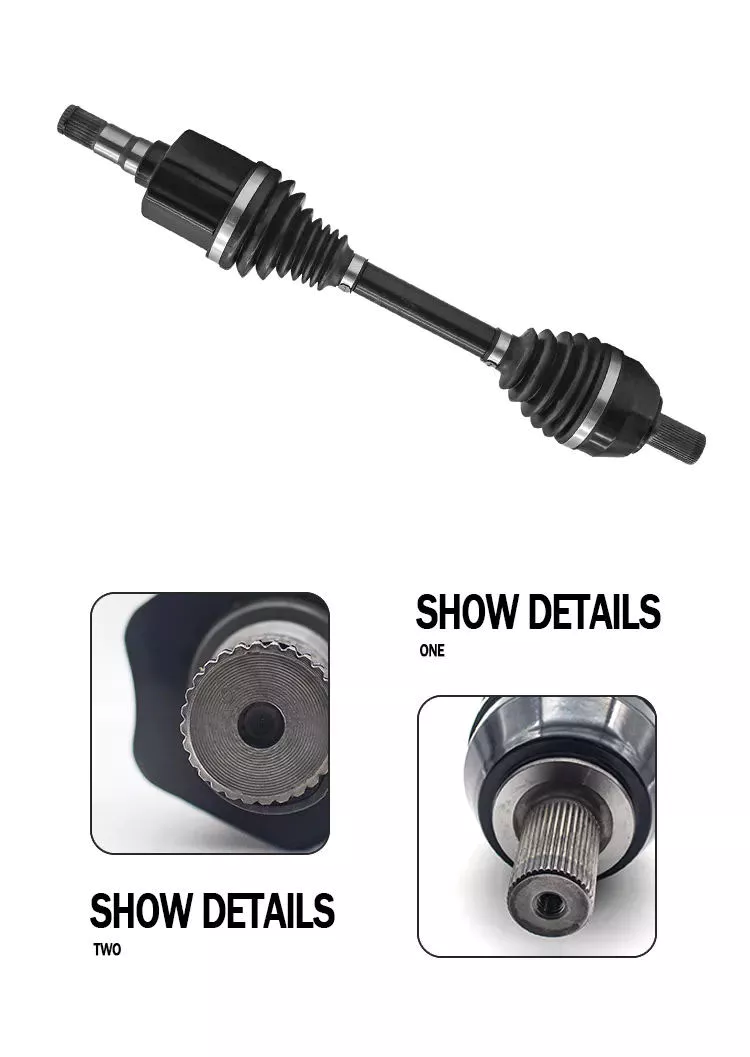
Как производители обеспечивают совместимость валов отбора мощности с различным оборудованием?
Производители используют различные меры для обеспечения совместимости валов отбора мощности (ВОМ) с различным оборудованием. Совместимость имеет решающее значение для обеспечения эффективной передачи мощности от источника питания к приводимому в движение механизму без ущерба для производительности, безопасности или удобства использования. Вот подробное объяснение того, как производители обеспечивают совместимость:
1. Стандартизация: Валы отбора мощности проектируются и изготавливаются в соответствии со стандартизированными техническими условиями. Эти условия определяют основные параметры, такие как размеры вала, размеры шлицов, номинальные крутящие моменты и требования безопасности. Придерживаясь стандартизированных конструкций, производители гарантируют совместимость валов отбора мощности с широким спектром оборудования, соответствующего тем же стандартам. Стандартизация обеспечивает взаимозаменяемость, то есть валы отбора мощности одного производителя могут использоваться с оборудованием другого производителя, если они соответствуют тем же техническим условиям.
2. Сотрудничество с производителями оборудования: Производители валов отбора мощности часто тесно сотрудничают с производителями оборудования для обеспечения совместимости. Они работают вместе, чтобы понять специфические требования оборудования и разработать валы отбора мощности, которые идеально интегрируются с техникой. Это сотрудничество может включать обмен техническими характеристиками, проведение совместных испытаний и обмен отзывами. Работая в партнерстве, производители могут решать любые проблемы совместимости на ранних этапах проектирования и разработки, в результате чего получаются валы отбора мощности, адаптированные к потребностям оборудования.
3. Варианты персонализации: Производители валов отбора мощности предлагают варианты индивидуальной настройки для различных конфигураций оборудования. Они обеспечивают гибкость в отношении длины вала, размеров шлицов, конструкции вилки и механизмов соединения. Производители оборудования могут указать необходимые параметры, и валы отбора мощности могут быть изготовлены на заказ в соответствии с ними. Это гарантирует точное соответствие валов отбора мощности требованиям оборудования по входной/выходной мощности и способам подключения, обеспечивая совместимость и эффективную передачу мощности.
4. Тестирование и проверка: Производители проводят строгие испытания и проверки для обеспечения совместимости и производительности валов отбора мощности. Они подвергают валы различным испытаниям, включая испытания на крутящий момент, испытания на скорость вращения и испытания на долговечность. Эти испытания подтверждают, что валы отбора мощности могут выдерживать ожидаемые нагрузки и условия эксплуатации без поломок. Проверяя производительность валов отбора мощности, производители могут гарантировать их совместимость с широким спектром оборудования и надежную передачу мощности в различных режимах работы.
5. Соответствие отраслевым стандартам: Производители валов отбора мощности придерживаются отраслевых стандартов и правил для обеспечения совместимости. Такие организации, как Американское общество инженеров-агрономов и биотехнологов (ASABE), устанавливают стандарты безопасности и производительности для валов отбора мощности. Производители проектируют и изготавливают свои валы в соответствии с этими стандартами, гарантируя, что их продукция соответствует необходимым требованиям совместимости и безопасности. Соответствие отраслевым стандартам дает производителям оборудования и конечным пользователям уверенность в том, что валы отбора мощности совместимы и пригодны для использования с различным оборудованием.
6. Документация и руководства: Производители предоставляют исчерпывающую документацию и рекомендации, помогающие производителям оборудования и конечным пользователям обеспечить совместимость. Эта документация включает технические характеристики, инструкции по установке, рекомендации по техническому обслуживанию и рекомендации по технике безопасности. Документация помогает производителям оборудования выбрать подходящий вал отбора мощности для своего оборудования и предоставляет рекомендации по правильной установке и использованию. Следуя рекомендациям производителя, производители оборудования могут обеспечить совместимость и оптимизировать работу валов отбора мощности.
7. Текущие исследования и разработки: Производители валов отбора мощности постоянно инвестируют в исследования и разработки для повышения совместимости с различным оборудованием. Они следят за отраслевыми тенденциями, технологическими достижениями и меняющимися требованиями к оборудованию. Эти непрерывные исследования и разработки позволяют производителям улучшать конструкцию, материалы и характеристики валов отбора мощности, обеспечивая совместимость с новейшими инновациями в оборудовании и решая любые проблемы совместимости, которые могут возникнуть.
Благодаря стандартизации, сотрудничеству с производителями оборудования, предложению вариантов индивидуальной настройки, проведению тщательных испытаний, соблюдению отраслевых стандартов, предоставлению документации и рекомендаций, а также инвестициям в исследования и разработки, производители обеспечивают совместимость валов отбора мощности с различным оборудованием. Эта совместимость позволяет обеспечить бесшовную интеграцию, эффективную передачу мощности и оптимальную производительность в широком спектре машин и оборудования в различных отраслях промышленности.

Can you provide real-world examples of equipment that use PTO shafts?
Power Take-Off (PTO) shafts are extensively used in various industries, particularly in agriculture and construction. They provide a reliable power source for a wide range of equipment, enabling efficient operation and increased productivity. Here are some real-world examples of equipment that commonly use PTO shafts:
1. Agricultural Machinery:
- Tractor Implements: A wide array of tractor-mounted implements rely on PTO shafts for power transfer. These include:
- Mowers and rotary cutters
- Balers and hay equipment
- Tillers and cultivators
- Seeders and planters
- Sprayers
- Manure spreaders
- Harvesters, such as combine harvesters and forage harvesters
- Stationary Equipment: PTO shafts are also used in stationary agricultural equipment, including:
- Feed grinders and mixers
- Silo unloaders
- Grain augers and elevators
- Irrigation pumps
- Wood chippers and shredders
- Stump grinders
2. Construction and Earthmoving Equipment:
- Backhoes and Excavators: PTO shafts can be found in backhoes and excavators, powering attachments such as augers, hydraulic hammers, and brush cutters.
- Post Hole Diggers: Post hole diggers used for fence installation often rely on PTO shafts to transfer power to the digging mechanism.
- Trenchers: Trenching machines equipped with PTO shafts efficiently dig trenches for utility installations, drainage systems, or irrigation lines.
- Stump Grinders: Stump grinders used in land clearing and tree removal operations often utilize PTO shafts to power their cutting blades.
- Soil Stabilizers and Road Reclaimers: These machines use PTO shafts to drive the rotor and milling drums, which pulverize and mix materials for road construction and maintenance.
3. Forestry Equipment:
- Wood Chippers: Wood chippers used for processing tree branches and logs into wood chips are commonly powered by PTO shafts.
- Brush Cutters and Mulchers: PTO-driven brush cutters and mulchers are employed to clear vegetation and maintain forested areas.
- Log Splitters: Log splitters that split logs into firewood often utilize PTO shafts to power the splitting mechanism.
4. Utility Equipment:
- Generators: Some generators are designed to be driven by PTO shafts, providing an auxiliary power source for various applications in remote locations or during power outages.
- Pumps: PTO-driven pumps are commonly used for agricultural irrigation, water transfer, and dewatering applications.
5. Specialty Equipment:
- Ice Resurfacers: PTO shafts are employed in ice resurfacing machines used in ice rinks to maintain a smooth ice surface for ice hockey and figure skating.
- Air Compressors: Some air compressors are driven by PTO shafts, providing a source of compressed air for various applications.
These examples represent a range of equipment that extensively relies on PTO shafts for power transfer. PTO shafts enable the efficient operation of these machines, increasing productivity and versatility across various industries.
Can you explain the different types of PTO shafts and their applications?
PTO shafts (Power Take-Off shafts) come in various types, each designed for specific applications and requirements. The different types of PTO shafts offer versatility and compatibility with a wide range of machinery and implements. Here’s an explanation of the most common types of PTO shafts and their applications:
1. Standard PTO Shaft: The standard PTO shaft, also known as a splined shaft, is the most common type used in agricultural and industrial machinery. It consists of a solid steel shaft with splines or grooves along its length. The standard PTO shaft typically has six splines, although variations with four or eight splines can be found. This type of PTO shaft is widely used in tractors and various implements, including mowers, balers, tillers, and rotary cutters. The splines provide a secure connection between the power source and the driven machinery, ensuring efficient power transfer.
2. Shear Bolt PTO Shaft: Shear bolt PTO shafts are designed with a safety feature that allows the shaft to separate in case of overload or sudden shock to protect the driveline components. These PTO shafts incorporate a shear bolt mechanism that connects the tractor’s power take-off to the driven machinery. In the event of excessive load or sudden resistance, the shear bolt is designed to break, disconnecting the PTO shaft and preventing damage to the driveline. Shear bolt PTO shafts are commonly used in equipment that may encounter sudden obstructions or high-stress situations, such as wood chippers, stump grinders, and heavy-duty rotary cutters.
3. Friction Clutch PTO Shaft: Friction clutch PTO shafts feature a clutch mechanism that allows for smooth engagement and disengagement of the power transfer. These PTO shafts typically incorporate a friction disc and a pressure plate, similar to a traditional vehicle clutch system. The friction clutch allows operators to gradually engage or disengage the power transfer, reducing shock loads and minimizing wear on the driveline components. Friction clutch PTO shafts are commonly used in applications where precise control of power engagement is required, such as in hydraulic pumps, generators, and industrial mixers.
4. Constant Velocity (CV) PTO Shaft: Constant Velocity (CV) PTO shafts, also known as homokinetic shafts, are designed to accommodate high angles of misalignment without affecting power transmission. They use a universal joint mechanism that allows for smooth power transfer even when the driven machinery is at an angle relative to the power source. CV PTO shafts are frequently used in applications where the machinery requires a significant range of movement or articulation, such as in articulated loaders, telescopic handlers, and self-propelled sprayers.
5. Telescopic PTO Shaft: Telescopic PTO shafts are adjustable in length, allowing for flexibility in equipment configuration and varying distances between the power source and the driven machinery. They consist of two or more concentric shafts that slide within each other, providing the ability to extend or retract the PTO shaft as needed. Telescopic PTO shafts are commonly used in applications where the distance between the tractor’s power take-off and the implement varies, such as in front-mounted implements, snow blowers, and self-loading wagons. The telescopic design enables easy adaptation to different equipment setups and minimizes the risk of the PTO shaft dragging on the ground.
6. Gearbox PTO Shaft: Gearbox PTO shafts are designed to adapt power transmission between different rotational speeds or directions. They incorporate a gearbox mechanism that allows for speed reduction or increase, as well as the ability to change rotational direction. Gearbox PTO shafts are commonly used in applications where the driven machinery requires a different speed or rotational direction than the tractor’s power take-off. Examples include grain augers, feed mixers, and industrial equipment that requires specific speed ratios or reversing capabilities.
It’s important to note that the availability and specific applications of PTO shaft types may vary based on regional and industry-specific factors. Additionally, certain machinery or implements may require specialized or custom PTO shafts to meet specific requirements.
In summary, the different types of PTO shafts, such as standard, shear bolt, friction clutch, constant velocity (CV), telescopic, and gearbox shafts, offer versatility and compatibility with various machinery and implements. Each type of PTO shaft is designed to address specific needs, such as power transfer efficiency, safety, smooth engagement, misalignment tolerance, adaptability, and speed/direction adjustment. Understanding the different types of PTO shafts and their applications is crucial for selecting the appropriate shaft forthe intended machinery and ensuring optimal performance and reliability.

editor by CX 2024-04-08























