
Descriere produs
Descriere produs
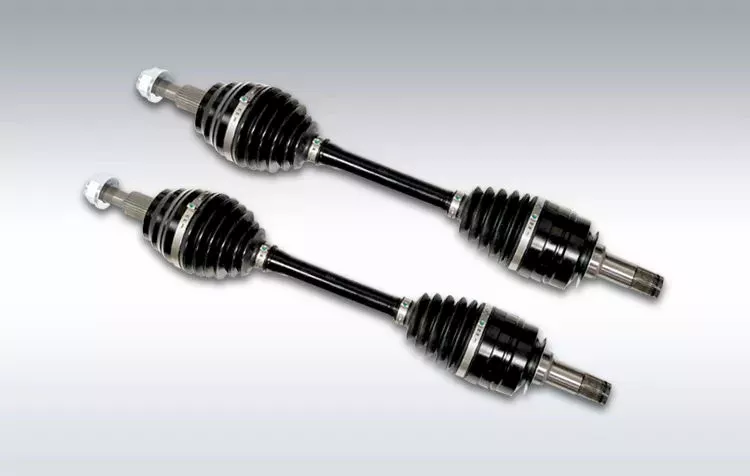
Drive Shaft for FS160 FS220 FS280 Grass Trimmer
| Name | Brush Cutter Drive Shaft |
| Fit Machine | Fit FS160 FS220 FS280 |
| Culoare | Silver |
| Material | Iron |
Fotografii detaliate
Ambalare și expediere
Profilul Companiei
Customer Feedback
We Can do READY TO SHIP
1.24 HOURS SHIPPMENT
2.MIN. ORDER:1 PIECE
3.MORE THAN 10000 PARTS IN STOCK
FAQ
1.WHAT IS YOUR WARRANTY TERM?
Our company offer 1% free spare parts to FCL order.There is a 12months warranty for our export products
from the date of the shipment.If warranty has run out,our customer should pay for the replacement parts.
2.IS THE SAMPLE AVAILABLE?
YES,Usually we send the samples by TNT,DHL,FEDEX or UPS,it will take around 3 days for our customers
to receive them,but customer will charge all cost related to the samples,such as sample cost and airmail
freight.We will refund our customer the sample cost after receiving its order
3.WHAT IS YOUR MOQ?
The minimum order amount should be at last USD5,000.00
4.CAN I USE MY OWN LOGO AND DESIGN ON PRODUCTS?
YES,OEM is welcomed
5.HOW LONG IS THE DELIVERY TIME?
A:2-7 days for the sample order
B:20-30 days for LCL or FCL order
About PARADISE
HangZhou Paradise Garden Tools Co., Ltd. is a global manufacturer in the outdoor power equipment parts industry Since 2013, Our Product Line covers most of the well- known O E M’s in the market. The replacement spare parts fits for chainsaw, brush cutter, earth auger, Sprayer, lawn mover, water pump, generator, High pressure washer, Compressor, Welding machine, Construction machine and other garden tools.
Paradise garden warehouse have more than 30000 pcs different parts in stock, can ship fast. The products are exported to more than 60 countries and regions including South Korea, Vietnam, India, Thailand, Russia, the United Kingdom, Canada, the United States, Brazil, Mexico, Ukraine. Besides offering great prices and product to the wholesale customer, we are also continuing to focus on the Small Business Owner. We continue to ship most orders within 1 business day and offer significant savings.
All Paradise products benefit from the latest technology in their design and manufacture, providing excellent ergonomics, outstanding performance, efficiency. engineered for durability and best cost performance. We continue to offer the same superior customer service that we did over 12 years ago and treat each order with the same utmost care and respect as we did with the very first order.
With production inspect system and development teams, Paradise are become 1 of the leader for garden tools spare parts supplier in China.
/* March 10, 2571 17:59:20 */!function(){function s(e,r){var a,o={};try{e&&e.split(“,”).forEach(function(e,t){e&&(a=e.match(/(.*?):(.*)$/))&&1
| Certification: | CE |
|---|---|
| Sursă de alimentare: | Gasoline |
| Tip: | Brush Cutter Spare Parts |
| Fit Model: | FS160 FS220 FS280 |
| Ambalare: | 1PC/Poly Bag |
| Feature: | Replacement Brush Cutter Parts |
| Mostre: |
US$ 0/Piece
1 bucată (comandă minimă) | |
|---|
| Personalizare: |
Disponibil
| Cerere personalizată |
|---|
Cum asigură producătorii compatibilitatea arborilor de transmisie cu diferite echipamente?
Producătorii utilizează diverse strategii și procese pentru a asigura compatibilitatea arborilor de transmisie cu diferite echipamente. Compatibilitatea se referă la capacitatea unui arbore de transmisie de a se integra și funcționa eficient în cadrul unui anumit echipament sau mașinărie. Producătorii iau în considerare mai mulți factori pentru a asigura compatibilitatea, inclusiv cerințele dimensionale, capacitatea de cuplu, condițiile de funcționare și nevoile specifice ale aplicației. Iată o explicație detaliată a modului în care producătorii asigură compatibilitatea arborilor de transmisie:
1. Analiza aplicației:
Producătorii încep prin a efectua o analiză amănunțită a aplicației preconizate și a cerințelor echipamentului. Această analiză implică înțelegerea cerințelor specifice de cuplu și viteză, a condițiilor de funcționare (cum ar fi temperatura, nivelurile de vibrații și factorii de mediu) și a oricăror caracteristici sau constrângeri unice ale echipamentului. Prin obținerea unei înțelegeri complete a aplicației, producătorii pot adapta designul și specificațiile arborelui de transmisie pentru a asigura compatibilitatea.
2. Personalizare și design:
Producătorii oferă adesea opțiuni de personalizare pentru a adapta arborii de transmisie la diferite echipamente. Această personalizare implică adaptarea dimensiunilor, materialelor, configurațiilor îmbinărilor și a altor parametri pentru a corespunde cerințelor specifice ale echipamentului. Prin colaborarea strânsă cu producătorul echipamentului sau cu utilizatorul final, producătorii pot proiecta arbori de transmisie care se aliniază cu interfețele mecanice ale echipamentului, punctele de montare, spațiul disponibil și alte constrângeri. Personalizarea asigură că arborele de transmisie se potrivește perfect în echipament, promovând compatibilitatea și performanța optimă.
3. Cuplu și capacitate de putere:
Producătorii de arbori de transmisie determină cu atenție cuplul și capacitatea de putere a produselor lor pentru a asigura compatibilitatea cu diferite echipamente. Aceștia iau în considerare factori precum cerințele maxime de cuplu ale echipamentului, condițiile de funcționare preconizate și marjele de siguranță necesare pentru a rezista la sarcini tranzitorii. Prin proiectarea arborilor de transmisie cu valori nominale de cuplu și capacități de putere adecvate, producătorii se asigură că arborele poate face față cerințelor echipamentului fără a întâmpina defecțiuni premature sau probleme de performanță.
4. Selectarea materialelor:
Producătorii aleg materialele pentru arborii de transmisie în funcție de nevoile specifice ale diferitelor echipamente. Factori precum capacitatea de cuplu, temperatura de funcționare, rezistența la coroziune și cerințele de greutate influențează alegerea materialelor. Arborii de transmisie pot fi fabricați din diverse materiale, inclusiv oțel, aliaje de aluminiu sau compozite specializate, pentru a oferi rezistența, durabilitatea și caracteristicile de performanță necesare. Materialele selectate asigură compatibilitatea cu condițiile de funcționare ale echipamentului, cerințele de sarcină și alți factori de mediu.
5. Configurații articulare:
Arborii de transmisie încorporează configurații de îmbinări, cum ar fi articulațiile universale (articulații în U) sau articulațiile cu viteză constantă (CV), pentru a se adapta diferitelor nevoi ale echipamentelor. Producătorii selectează și proiectează configurația adecvată a îmbinărilor pe baza unor factori precum unghiurile de funcționare, toleranțele de nealiniere și nivelul dorit de transmitere lină a puterii. Alegerea configurației îmbinărilor asigură că arborele de transmisie poate transmite eficient puterea și poate adapta gama de mișcare necesară echipamentului, promovând compatibilitatea și funcționarea fiabilă.
6. Controlul calității și testarea:
Producătorii implementează procese stricte de control al calității și proceduri de testare pentru a verifica compatibilitatea arborilor de transmisie cu diferite echipamente. Aceste procese implică efectuarea de inspecții dimensionale, testarea materialelor, analiza cuplului și a solicitării și testarea performanței în condiții de funcționare simulate. Prin supunerea arborilor de transmisie unor măsuri riguroase de control al calității, producătorii se pot asigura că aceștia îndeplinesc specificațiile și criteriile de performanță necesare, garantând compatibilitatea cu echipamentul prevăzut.
7. Respectarea standardelor:
Producătorii se asigură că arborii lor de transmisie respectă standardele și reglementările industriale relevante. Respectarea standardelor, cum ar fi ISO (Organizația Internațională de Standardizare) sau a standardelor industriale specifice, oferă garanția calității, siguranței și compatibilității. Respectarea acestor standarde ajută producătorii să îndeplinească așteptările și cerințele producătorilor de echipamente și ale utilizatorilor finali, asigurându-se că arborii de transmisie sunt compatibili și pot fi integrați perfect în diferite echipamente.
8. Colaborare și feedback:
Producătorii colaborează adesea îndeaproape cu producătorii de echipamente, producătorii de echipamente originale (OEM) sau utilizatorii finali pentru a colecta feedback și a încorpora cerințele lor specifice în procesele de proiectare și fabricație a arborilor de transmisie. Această abordare colaborativă asigură compatibilitatea arborilor de transmisie cu echipamentul dorit și îndeplinirea așteptărilor utilizatorilor finali. Prin căutarea activă de feedback și feedback, producătorii pot îmbunătăți continuu compatibilitatea și performanța produselor lor.
În concluzie, producătorii asigură compatibilitatea arborilor de transmisie cu diferite echipamente printr-o combinație de analiză a aplicațiilor, personalizare, considerații privind cuplul și capacitatea de putere, selecția materialelor, configurațiile îmbinărilor, controlul și testarea calității, respectarea standardelor și colaborarea cu producătorii de echipamente și utilizatorii finali. Aceste eforturi permit producătorilor să proiecteze și să producă arbori de transmisie care se integrează perfect cu diverse echipamente, asigurând performanțe optime, fiabilitate și compatibilitate în diferite aplicații.

How do drive shafts contribute to the efficiency of vehicle propulsion and power transmission?
Drive shafts play a crucial role in the efficiency of vehicle propulsion and power transmission systems. They are responsible for transferring power from the engine or power source to the wheels or driven components. Here’s a detailed explanation of how drive shafts contribute to the efficiency of vehicle propulsion and power transmission:
1. Transfer de putere:
Drive shafts transmit power from the engine or power source to the wheels or driven components. By efficiently transferring rotational energy, drive shafts enable the vehicle to move forward or drive the machinery. The design and construction of drive shafts ensure minimal power loss during the transfer process, maximizing the efficiency of power transmission.
2. Torque Conversion:
Drive shafts can convert torque from the engine or power source to the wheels or driven components. Torque conversion is necessary to match the power characteristics of the engine with the requirements of the vehicle or machinery. Drive shafts with appropriate torque conversion capabilities ensure that the power delivered to the wheels is optimized for efficient propulsion and performance.
3. Constant Velocity (CV) Joints:
Many drive shafts incorporate Constant Velocity (CV) joints, which help maintain a constant speed and efficient power transmission, even when the driving and driven components are at different angles. CV joints allow for smooth power transfer and minimize vibration or power losses that may occur due to changing operating angles. By maintaining constant velocity, drive shafts contribute to efficient power transmission and improved overall vehicle performance.
4. Lightweight Construction:
Efficient drive shafts are often designed with lightweight materials, such as aluminum or composite materials. Lightweight construction reduces the rotational mass of the drive shaft, which results in lower inertia and improved efficiency. Reduced rotational mass enables the engine to accelerate and decelerate more quickly, allowing for better fuel efficiency and overall vehicle performance.
5. Minimized Friction:
Efficient drive shafts are engineered to minimize frictional losses during power transmission. They incorporate features such as high-quality bearings, low-friction seals, and proper lubrication to reduce energy losses caused by friction. By minimizing friction, drive shafts enhance power transmission efficiency and maximize the available power for propulsion or operating other machinery.
6. Balanced and Vibration-Free Operation:
Drive shafts undergo dynamic balancing during the manufacturing process to ensure smooth and vibration-free operation. Imbalances in the drive shaft can lead to power losses, increased wear, and vibrations that reduce overall efficiency. By balancing the drive shaft, it can spin evenly, minimizing vibrations and optimizing power transmission efficiency.
7. Maintenance and Regular Inspection:
Proper maintenance and regular inspection of drive shafts are essential for maintaining their efficiency. Regular lubrication, inspection of joints and components, and prompt repair or replacement of worn or damaged parts help ensure optimal power transmission efficiency. Well-maintained drive shafts operate with minimal friction, reduced power losses, and improved overall efficiency.
8. Integration with Efficient Transmission Systems:
Drive shafts work in conjunction with efficient transmission systems, such as manual, automatic, or continuously variable transmissions. These transmissions help optimize power delivery and gear ratios based on driving conditions and vehicle speed. By integrating with efficient transmission systems, drive shafts contribute to the overall efficiency of the vehicle propulsion and power transmission system.
9. Aerodynamic Considerations:
In some cases, drive shafts are designed with aerodynamic considerations in mind. Streamlined drive shafts, often used in high-performance or electric vehicles, minimize drag and air resistance to improve overall vehicle efficiency. By reducing aerodynamic drag, drive shafts contribute to the efficient propulsion and power transmission of the vehicle.
10. Optimized Length and Design:
Drive shafts are designed to have optimal lengths and designs to minimize energy losses. Excessive drive shaft length or improper design can introduce additional rotational mass, increase bending stresses, and result in energy losses. By optimizing the length and design, drive shafts maximize power transmission efficiency and contribute to improved overall vehicle efficiency.
Overall, drive shafts contribute to the efficiency of vehicle propulsion and power transmission through effective power transfer, torque conversion, utilization of CV joints, lightweight construction, minimized friction, balanced operation, regular maintenance, integration with efficient transmission systems, aerodynamic considerations, and optimized length and design. By ensuring efficient power delivery and minimizing energy losses, drive shafts play a significant role in enhancing the overall efficiency and performance of vehicles and machinery.
How do drive shafts contribute to transferring rotational power in various applications?
Drive shafts play a crucial role in transferring rotational power from the engine or power source to the wheels or driven components in various applications. Whether it’s in vehicles or machinery, drive shafts enable efficient power transmission and facilitate the functioning of different systems. Here’s a detailed explanation of how drive shafts contribute to transferring rotational power:
1. Vehicle Applications:
In vehicles, drive shafts are responsible for transmitting rotational power from the engine to the wheels, enabling the vehicle to move. The drive shaft connects the gearbox or transmission output shaft to the differential, which further distributes the power to the wheels. As the engine generates torque, it is transferred through the drive shaft to the wheels, propelling the vehicle forward. This power transfer allows the vehicle to accelerate, maintain speed, and overcome resistance, such as friction and inclines.
2. Machinery Applications:
In machinery, drive shafts are utilized to transfer rotational power from the engine or motor to various driven components. For example, in industrial machinery, drive shafts may be used to transmit power to pumps, generators, conveyors, or other mechanical systems. In agricultural machinery, drive shafts are commonly employed to connect the power source to equipment such as harvesters, balers, or irrigation systems. Drive shafts enable these machines to perform their intended functions by delivering rotational power to the necessary components.
3. Power Transmission:
Drive shafts are designed to transmit rotational power efficiently and reliably. They are capable of transferring substantial amounts of torque from the engine to the wheels or driven components. The torque generated by the engine is transmitted through the drive shaft without significant power losses. By maintaining a rigid connection between the engine and the driven components, drive shafts ensure that the power produced by the engine is effectively utilized in performing useful work.
4. Cuplaj flexibil:
One of the key functions of drive shafts is to provide a flexible coupling between the engine/transmission and the wheels or driven components. This flexibility allows the drive shaft to accommodate angular movement and compensate for misalignment between the engine and the driven system. In vehicles, as the suspension system moves or the wheels encounter uneven terrain, the drive shaft adjusts its length and angle to maintain a constant power transfer. This flexibility helps prevent excessive stress on the drivetrain components and ensures smooth power transmission.
5. Torque and Speed Transmission:
Drive shafts are responsible for transmitting both torque and rotational speed. Torque is the rotational force generated by the engine or power source, while rotational speed is the number of revolutions per minute (RPM). Drive shafts must be capable of handling the torque requirements of the application without excessive twisting or bending. Additionally, they need to maintain the desired rotational speed to ensure the proper functioning of the driven components. Proper design, material selection, and balancing of the drive shafts contribute to efficient torque and speed transmission.
6. Length and Balance:
The length and balance of drive shafts are critical factors in their performance. The length of the drive shaft is determined by the distance between the engine or power source and the driven components. It should be appropriately sized to avoid excessive vibrations or bending. Drive shafts are carefully balanced to minimize vibrations and rotational imbalances, which can affect the overall performance, comfort, and longevity of the drivetrain system.
7. Safety and Maintenance:
Drive shafts require proper safety measures and regular maintenance. In vehicles, drive shafts are often enclosed within a protective tube or housing to prevent contact with moving parts, reducing the risk of injury. Safety shields or guards may also be installed around exposed drive shafts in machinery to protect operators from potential hazards. Regular maintenance includes inspecting the drive shaft for wear, damage, or misalignment, and ensuring proper lubrication of the U-joints. These measures help prevent failures, ensure optimal performance, and extend the service life of the drive shaft.
In summary, drive shafts play a vital role in transferring rotational power in various applications. Whether in vehicles or machinery, drive shafts enable efficient power transmission from the engine or power source to the wheels or driven components. They provide a flexible coupling, handle torque and speed transmission, accommodate angular movement, and contribute to the safety and maintenance of the system. By effectively transferring rotational power, drive shafts facilitate the functioning and performance of vehicles and machinery in numerous industries.


editor by CX 2024-02-14























