
उत्पाद वर्णन
उत्पाद वर्णन
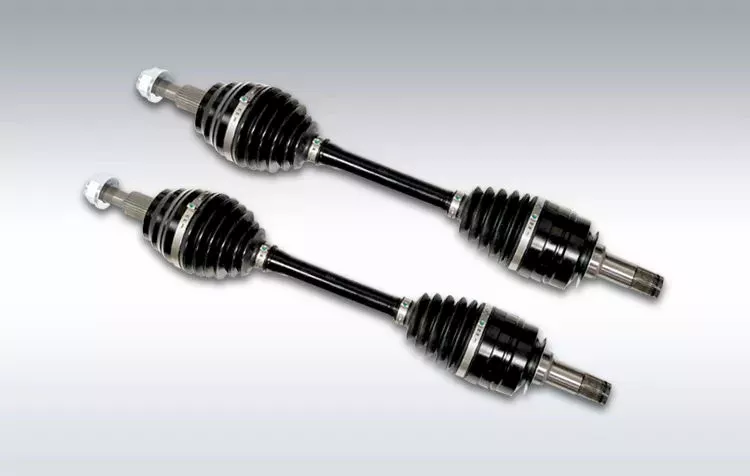
Drive Shaft for FS160 FS220 FS280 Grass Trimmer
| Name | Brush Cutter Drive Shaft |
| Fit Machine | Fit FS160 FS220 FS280 |
| रंग | Silver |
| सामग्री | Iron |
Detailed Photos
पैकेजिंग और शिपिंग
कंपनी प्रोफाइल
Customer Feedback
We Can do READY TO SHIP
1.24 HOURS SHIPPMENT
2.MIN. ORDER:1 PIECE
3.MORE THAN 10000 PARTS IN STOCK
अक्सर पूछे जाने वाले प्रश्न
1.WHAT IS YOUR WARRANTY TERM?
Our company offer 1% free spare parts to FCL order.There is a 12months warranty for our export products
from the date of the shipment.If warranty has run out,our customer should pay for the replacement parts.
2.IS THE SAMPLE AVAILABLE?
YES,Usually we send the samples by TNT,DHL,FEDEX or UPS,it will take around 3 days for our customers
to receive them,but customer will charge all cost related to the samples,such as sample cost and airmail
freight.We will refund our customer the sample cost after receiving its order
3.WHAT IS YOUR MOQ?
The minimum order amount should be at last USD5,000.00
4.CAN I USE MY OWN LOGO AND DESIGN ON PRODUCTS?
YES,OEM is welcomed
5.HOW LONG IS THE DELIVERY TIME?
A:2-7 days for the sample order
B:20-30 days for LCL or FCL order
About PARADISE
HangZhou Paradise Garden Tools Co., Ltd. is a global manufacturer in the outdoor power equipment parts industry Since 2013, Our Product Line covers most of the well- known O E M’s in the market. The replacement spare parts fits for chainsaw, brush cutter, earth auger, Sprayer, lawn mover, water pump, generator, High pressure washer, Compressor, Welding machine, Construction machine and other garden tools.
Paradise garden warehouse have more than 30000 pcs different parts in stock, can ship fast. The products are exported to more than 60 countries and regions including South Korea, Vietnam, India, Thailand, Russia, the United Kingdom, Canada, the United States, Brazil, Mexico, Ukraine. Besides offering great prices and product to the wholesale customer, we are also continuing to focus on the Small Business Owner. We continue to ship most orders within 1 business day and offer significant savings.
All Paradise products benefit from the latest technology in their design and manufacture, providing excellent ergonomics, outstanding performance, efficiency. engineered for durability and best cost performance. We continue to offer the same superior customer service that we did over 12 years ago and treat each order with the same utmost care and respect as we did with the very first order.
With production inspect system and development teams, Paradise are become 1 of the leader for garden tools spare parts supplier in China.
/* March 10, 2571 17:59:20 */!function(){function s(e,r){var a,o={};try{e&&e.split(“,”).forEach(function(e,t){e&&(a=e.match(/(.*?):(.*)$/))&&1
| प्रमाणन: | CE |
|---|---|
| शक्ति का स्रोत: | Gasoline |
| प्रकार: | Brush Cutter Spare Parts |
| Fit Model: | FS160 FS220 FS280 |
| पैकिंग: | 1PC/Poly Bag |
| विशेषता: | Replacement Brush Cutter Parts |
| उदाहरण: |
US$ 0/Piece
1 पीस (न्यूनतम ऑर्डर) | |
|---|
| अनुकूलन: |
उपलब्ध
| अनुकूलित अनुरोध |
|---|
How do manufacturers ensure the compatibility of drive shafts with different equipment?
Manufacturers employ various strategies and processes to ensure the compatibility of drive shafts with different equipment. Compatibility refers to the ability of a drive shaft to effectively integrate and function within a specific piece of equipment or machinery. Manufacturers take into account several factors to ensure compatibility, including dimensional requirements, torque capacity, operating conditions, and specific application needs. Here’s a detailed explanation of how manufacturers ensure the compatibility of drive shafts:
1. Application Analysis:
Manufacturers begin by conducting a thorough analysis of the intended application and equipment requirements. This analysis involves understanding the specific torque and speed demands, operating conditions (such as temperature, vibration levels, and environmental factors), and any unique characteristics or constraints of the equipment. By gaining a comprehensive understanding of the application, manufacturers can tailor the design and specifications of the drive shaft to ensure compatibility.
2. Customization and Design:
Manufacturers often offer customization options to adapt drive shafts to different equipment. This customization involves tailoring the dimensions, materials, joint configurations, and other parameters to match the specific requirements of the equipment. By working closely with the equipment manufacturer or end-user, manufacturers can design drive shafts that align with the equipment’s mechanical interfaces, mounting points, available space, and other constraints. Customization ensures that the drive shaft fits seamlessly into the equipment, promoting compatibility and optimal performance.
3. Torque and Power Capacity:
Drive shaft manufacturers carefully determine the torque and power capacity of their products to ensure compatibility with different equipment. They consider factors such as the maximum torque requirements of the equipment, the expected operating conditions, and the safety margins necessary to withstand transient loads. By engineering drive shafts with appropriate torque ratings and power capacities, manufacturers ensure that the shaft can handle the demands of the equipment without experiencing premature failure or performance issues.
4. Material Selection:
Manufacturers choose materials for drive shafts based on the specific needs of different equipment. Factors such as torque capacity, operating temperature, corrosion resistance, and weight requirements influence material selection. Drive shafts may be made from various materials, including steel, aluminum alloys, or specialized composites, to provide the necessary strength, durability, and performance characteristics. The selected materials ensure compatibility with the equipment’s operating conditions, load requirements, and other environmental factors.
5. Joint Configurations:
Drive shafts incorporate joint configurations, such as universal joints (U-joints) or constant velocity (CV) joints, to accommodate different equipment needs. Manufacturers select and design the appropriate joint configuration based on factors such as operating angles, misalignment tolerances, and the desired level of smooth power transmission. The choice of joint configuration ensures that the drive shaft can effectively transmit power and accommodate the range of motion required by the equipment, promoting compatibility and reliable operation.
6. Quality Control and Testing:
Manufacturers implement stringent quality control processes and testing procedures to verify the compatibility of drive shafts with different equipment. These processes involve conducting dimensional inspections, material testing, torque and stress analysis, and performance testing under simulated operating conditions. By subjecting drive shafts to rigorous quality control measures, manufacturers can ensure that they meet the required specifications and performance criteria, guaranteeing compatibility with the intended equipment.
7. Compliance with Standards:
Manufacturers ensure that their drive shafts comply with relevant industry standards and regulations. Compliance with standards, such as ISO (International Organization for Standardization) or specific industry standards, provides assurance of quality, safety, and compatibility. Adhering to these standards helps manufacturers meet the expectations and requirements of equipment manufacturers and end-users, ensuring that the drive shafts are compatible and can be seamlessly integrated into different equipment.
8. Collaboration and Feedback:
Manufacturers often collaborate closely with equipment manufacturers, OEMs (Original Equipment Manufacturers), or end-users to gather feedback and incorporate their specific requirements into the drive shaft design and manufacturing processes. This collaborative approach ensures that the drive shafts are compatible with the intended equipment and meet the expectations of the end-users. By actively seeking input and feedback, manufacturers can continuously improve their products’ compatibility and performance.
In summary, manufacturers ensure the compatibility of drive shafts with different equipment through a combination of application analysis, customization, torque and power capacity considerations, material selection, joint configurations, quality control and testing, compliance with standards, and collaboration with equipment manufacturers and end-users. These efforts enable manufacturers to design and produce drive shafts that seamlessly integrate with various equipment, ensuring optimal performance, reliability, and compatibility in different applications.

वाहन के प्रणोदन और विद्युत संचरण की दक्षता में ड्राइव शाफ्ट किस प्रकार योगदान देते हैं?
वाहन के प्रणोदन और विद्युत संचरण प्रणालियों की दक्षता में ड्राइव शाफ्ट महत्वपूर्ण भूमिका निभाते हैं। ये इंजन या विद्युत स्रोत से पहियों या संचालित घटकों तक शक्ति स्थानांतरित करने के लिए जिम्मेदार होते हैं। यहां ड्राइव शाफ्ट द्वारा वाहन के प्रणोदन और विद्युत संचरण की दक्षता में योगदान का विस्तृत विवरण दिया गया है:
1. शक्ति स्थानांतरण:
ड्राइव शाफ्ट इंजन या विद्युत स्रोत से पहियों या संचालित घटकों तक शक्ति संचारित करते हैं। घूर्णी ऊर्जा को कुशलतापूर्वक स्थानांतरित करके, ड्राइव शाफ्ट वाहन को आगे बढ़ने या मशीनरी को चलाने में सक्षम बनाते हैं। ड्राइव शाफ्ट का डिज़ाइन और निर्माण स्थानांतरण प्रक्रिया के दौरान न्यूनतम शक्ति हानि सुनिश्चित करता है, जिससे शक्ति संचरण की दक्षता अधिकतम हो जाती है।
2. टॉर्क रूपांतरण:
ड्राइव शाफ्ट इंजन या विद्युत स्रोत से प्राप्त टॉर्क को पहियों या संचालित घटकों तक पहुंचाते हैं। इंजन की शक्ति विशेषताओं को वाहन या मशीनरी की आवश्यकताओं के अनुरूप बनाने के लिए टॉर्क रूपांतरण आवश्यक है। उपयुक्त टॉर्क रूपांतरण क्षमता वाले ड्राइव शाफ्ट यह सुनिश्चित करते हैं कि पहियों को दी जाने वाली शक्ति कुशल प्रणोदन और प्रदर्शन के लिए अनुकूलित हो।
3. स्थिर वेग (सीवी) जोड़:
कई ड्राइव शाफ्ट में कॉन्स्टेंट वेलोसिटी (CV) जॉइंट लगे होते हैं, जो ड्राइविंग और ड्रिवन कंपोनेंट्स के अलग-अलग कोणों पर होने पर भी स्थिर गति और कुशल पावर ट्रांसमिशन बनाए रखने में मदद करते हैं। CV जॉइंट सुचारू पावर ट्रांसफर सुनिश्चित करते हैं और ऑपरेटिंग कोणों में बदलाव के कारण होने वाले कंपन या पावर लॉस को कम करते हैं। स्थिर गति बनाए रखकर, ड्राइव शाफ्ट कुशल पावर ट्रांसमिशन और वाहन के समग्र प्रदर्शन में सुधार में योगदान देते हैं।
4. हल्का निर्माण:
कुशल ड्राइव शाफ्ट अक्सर एल्यूमीनियम या मिश्रित सामग्री जैसे हल्के पदार्थों से बनाए जाते हैं। हल्के निर्माण से ड्राइव शाफ्ट का घूर्णी द्रव्यमान कम हो जाता है, जिसके परिणामस्वरूप जड़त्व कम होता है और दक्षता में सुधार होता है। घूर्णी द्रव्यमान कम होने से इंजन अधिक तेज़ी से गति बढ़ा और घटा सकता है, जिससे ईंधन दक्षता और वाहन का समग्र प्रदर्शन बेहतर होता है।
5. घर्षण को न्यूनतम करना:
कुशल ड्राइव शाफ्ट को विद्युत संचरण के दौरान घर्षण हानि को कम करने के लिए डिज़ाइन किया जाता है। इनमें उच्च गुणवत्ता वाले बियरिंग, कम घर्षण वाले सील और उचित स्नेहन जैसी विशेषताएं शामिल होती हैं, जो घर्षण के कारण होने वाली ऊर्जा हानि को कम करती हैं। घर्षण को कम करके, ड्राइव शाफ्ट विद्युत संचरण दक्षता को बढ़ाते हैं और प्रणोदन या अन्य मशीनरी के संचालन के लिए उपलब्ध शक्ति को अधिकतम करते हैं।
6. संतुलित और कंपन-मुक्त संचालन:
ड्राइव शाफ्ट के निर्माण के दौरान सुचारू और कंपन-मुक्त संचालन सुनिश्चित करने के लिए गतिशील संतुलन किया जाता है। ड्राइव शाफ्ट में असंतुलन से बिजली की हानि, अधिक घिसाव और कंपन हो सकते हैं, जिससे समग्र दक्षता कम हो जाती है। ड्राइव शाफ्ट को संतुलित करके, यह समान रूप से घूम सकता है, कंपन को कम कर सकता है और बिजली संचरण दक्षता को अनुकूलित कर सकता है।
7. रखरखाव और नियमित निरीक्षण:
ड्राइव शाफ्ट की कार्यक्षमता बनाए रखने के लिए उनका उचित रखरखाव और नियमित निरीक्षण आवश्यक है। नियमित रूप से लुब्रिकेशन, जोड़ों और घटकों का निरीक्षण, और घिसे हुए या क्षतिग्रस्त पुर्जों की तुरंत मरम्मत या प्रतिस्थापन से बिजली संचरण की सर्वोत्तम क्षमता सुनिश्चित होती है। अच्छी तरह से रखरखाव किए गए ड्राइव शाफ्ट न्यूनतम घर्षण, कम बिजली हानि और बेहतर समग्र कार्यक्षमता के साथ काम करते हैं।
8. कुशल संचरण प्रणालियों के साथ एकीकरण:
ड्राइव शाफ्ट कुशल ट्रांसमिशन सिस्टम, जैसे कि मैनुअल, ऑटोमैटिक या निरंतर परिवर्तनीय ट्रांसमिशन, के साथ मिलकर काम करते हैं। ये ट्रांसमिशन ड्राइविंग स्थितियों और वाहन की गति के आधार पर पावर डिलीवरी और गियर अनुपात को अनुकूलित करने में मदद करते हैं। कुशल ट्रांसमिशन सिस्टम के साथ एकीकृत होकर, ड्राइव शाफ्ट वाहन के प्रणोदन और पावर ट्रांसमिशन सिस्टम की समग्र दक्षता में योगदान करते हैं।
9. वायुगतिकीय विचार:
कुछ मामलों में, ड्राइव शाफ्ट को वायुगतिकीय कारकों को ध्यान में रखकर डिज़ाइन किया जाता है। सुव्यवस्थित ड्राइव शाफ्ट, जिनका उपयोग अक्सर उच्च-प्रदर्शन या इलेक्ट्रिक वाहनों में किया जाता है, वायु प्रतिरोध और घर्षण को कम करते हैं, जिससे वाहन की समग्र दक्षता में सुधार होता है। वायुगतिकीय घर्षण को कम करके, ड्राइव शाफ्ट वाहन के कुशल प्रणोदन और शक्ति संचरण में योगदान करते हैं।
10. अनुकूलित लंबाई और डिजाइन:
ऊर्जा हानि को कम करने के लिए ड्राइव शाफ्ट की लंबाई और डिज़ाइन को इष्टतम स्तर पर रखा जाता है। ड्राइव शाफ्ट की अत्यधिक लंबाई या अनुचित डिज़ाइन से अतिरिक्त घूर्णी द्रव्यमान उत्पन्न हो सकता है, बेंडिंग स्ट्रेस बढ़ सकता है और ऊर्जा हानि हो सकती है। लंबाई और डिज़ाइन को अनुकूलित करके, ड्राइव शाफ्ट पावर ट्रांसमिशन दक्षता को अधिकतम करते हैं और वाहन की समग्र दक्षता में सुधार लाने में योगदान करते हैं।
कुल मिलाकर, ड्राइव शाफ्ट प्रभावी शक्ति हस्तांतरण, टॉर्क रूपांतरण, सीवी जोड़ों के उपयोग, हल्के निर्माण, न्यूनतम घर्षण, संतुलित संचालन, नियमित रखरखाव, कुशल संचरण प्रणालियों के साथ एकीकरण, वायुगतिकीय संबंधी विचारों और अनुकूलित लंबाई एवं डिजाइन के माध्यम से वाहन प्रणोदन और शक्ति संचरण की दक्षता में योगदान करते हैं। कुशल शक्ति वितरण सुनिश्चित करके और ऊर्जा हानि को कम करके, ड्राइव शाफ्ट वाहनों और मशीनरी की समग्र दक्षता और प्रदर्शन को बढ़ाने में महत्वपूर्ण भूमिका निभाते हैं।
How do drive shafts contribute to transferring rotational power in various applications?
Drive shafts play a crucial role in transferring rotational power from the engine or power source to the wheels or driven components in various applications. Whether it’s in vehicles or machinery, drive shafts enable efficient power transmission and facilitate the functioning of different systems. Here’s a detailed explanation of how drive shafts contribute to transferring rotational power:
1. Vehicle Applications:
In vehicles, drive shafts are responsible for transmitting rotational power from the engine to the wheels, enabling the vehicle to move. The drive shaft connects the gearbox or transmission output shaft to the differential, which further distributes the power to the wheels. As the engine generates torque, it is transferred through the drive shaft to the wheels, propelling the vehicle forward. This power transfer allows the vehicle to accelerate, maintain speed, and overcome resistance, such as friction and inclines.
2. Machinery Applications:
In machinery, drive shafts are utilized to transfer rotational power from the engine or motor to various driven components. For example, in industrial machinery, drive shafts may be used to transmit power to pumps, generators, conveyors, or other mechanical systems. In agricultural machinery, drive shafts are commonly employed to connect the power source to equipment such as harvesters, balers, or irrigation systems. Drive shafts enable these machines to perform their intended functions by delivering rotational power to the necessary components.
3. Power Transmission:
Drive shafts are designed to transmit rotational power efficiently and reliably. They are capable of transferring substantial amounts of torque from the engine to the wheels or driven components. The torque generated by the engine is transmitted through the drive shaft without significant power losses. By maintaining a rigid connection between the engine and the driven components, drive shafts ensure that the power produced by the engine is effectively utilized in performing useful work.
4. Flexible Coupling:
One of the key functions of drive shafts is to provide a flexible coupling between the engine/transmission and the wheels or driven components. This flexibility allows the drive shaft to accommodate angular movement and compensate for misalignment between the engine and the driven system. In vehicles, as the suspension system moves or the wheels encounter uneven terrain, the drive shaft adjusts its length and angle to maintain a constant power transfer. This flexibility helps prevent excessive stress on the drivetrain components and ensures smooth power transmission.
5. Torque and Speed Transmission:
Drive shafts are responsible for transmitting both torque and rotational speed. Torque is the rotational force generated by the engine or power source, while rotational speed is the number of revolutions per minute (RPM). Drive shafts must be capable of handling the torque requirements of the application without excessive twisting or bending. Additionally, they need to maintain the desired rotational speed to ensure the proper functioning of the driven components. Proper design, material selection, and balancing of the drive shafts contribute to efficient torque and speed transmission.
6. Length and Balance:
The length and balance of drive shafts are critical factors in their performance. The length of the drive shaft is determined by the distance between the engine or power source and the driven components. It should be appropriately sized to avoid excessive vibrations or bending. Drive shafts are carefully balanced to minimize vibrations and rotational imbalances, which can affect the overall performance, comfort, and longevity of the drivetrain system.
7. Safety and Maintenance:
Drive shafts require proper safety measures and regular maintenance. In vehicles, drive shafts are often enclosed within a protective tube or housing to prevent contact with moving parts, reducing the risk of injury. Safety shields or guards may also be installed around exposed drive shafts in machinery to protect operators from potential hazards. Regular maintenance includes inspecting the drive shaft for wear, damage, or misalignment, and ensuring proper lubrication of the U-joints. These measures help prevent failures, ensure optimal performance, and extend the service life of the drive shaft.
In summary, drive shafts play a vital role in transferring rotational power in various applications. Whether in vehicles or machinery, drive shafts enable efficient power transmission from the engine or power source to the wheels or driven components. They provide a flexible coupling, handle torque and speed transmission, accommodate angular movement, and contribute to the safety and maintenance of the system. By effectively transferring rotational power, drive shafts facilitate the functioning and performance of vehicles and machinery in numerous industries.


editor by CX 2024-02-14























