
Descriere produs
Product Parameters
| Nume produs | Gearbox Output Shaft Assembly |
| Model NO. | HW25716XA AMT |
| Certificare | ISO9001 |
| Brake System Parts | Brake Control |
| Transmission System Parts | Gearbox |
| Steering System Parts | Steering Transmission Device |
| Measurement | 24*17*14cm |
| Transport Package | Exporting Standard |
| Specificații | 18/24/32/38/41c*L530/535mm |
| Origine | China |
| Production Capacity | 10000 PCS/Month |
| Aplicație | Shacman, Sinotruk, FAW,etc |
Fotografii detaliate
Our Advantages
1. We have been committed to the heavy truck accessories industry for more than 10 years. The company’s professional team can quickly match any products you need, saving you purchasing time;
2. Excellent product quality is the foundation of our company and the cornerstone on which our company has always relied for survival;
3.Our company has formed a complete supply chain, which can process customer orders within 2 hours, arrange production plans and ship goods as soon as possible;
4. Our company has complete after-sales guarantee, and excellent after-sales service is the main factor for us to reach follow-up cooperation with customers.
Profilul Companiei
Certificări
Ambalare și expediere
Customer Visit
FAQ
1. About the condition of the truck:
Each product will have a test report.We guarantee that the product is in good condition.
2. About delivery:
Divided into flat frame container, bulk carrier, roll-on – roll ship
3.MOQ:
1 group
4. About OEM:
Welcome, you can send your own designed LOGO, we can open a new mold for you to print or emboss any LOGO.
5. Terms of payment:
For sample orders, you can use telegraphic transfer, sight L/C, Western Union, Paypal, MoneyGram, Alipay or credit card.
6. About delivery time:
The exact delivery time depends on the item you order and the quantity.
7. About Us:
We have a professional vehicle renewal team, 1 for every truck Test report.
/* 22 ianuarie 2571 19:08:37 */!function(){funcție s(e,r){var a,o={};try{e&&e.split(“,”).forEach(function(e,t){e&&(a=e.match(/(.*?):(.*?):(.*))&TP6T
| Serviciu post-vânzare: | Good |
|---|---|
| Warranty: | 12 luni |
| Tip: | Gearbox |
| Personalizare: |
Disponibil
| Cerere personalizată |
|---|
.cost-transport-tm .tm-status-off{fundal: niciunul;umplutură:0;culoare: #1470cc}
| Cost de livrare:
Transport estimat per unitate. |
despre costul transportului și timpul estimat de livrare. |
|---|
| Modalitate de plată: |
|
|---|---|
|
Plată inițială Plată integrală |
| Valută: | US$ |
|---|
| Returnare și rambursări: | Puteți solicita o rambursare în termen de până la 30 de zile de la primirea produselor. |
|---|
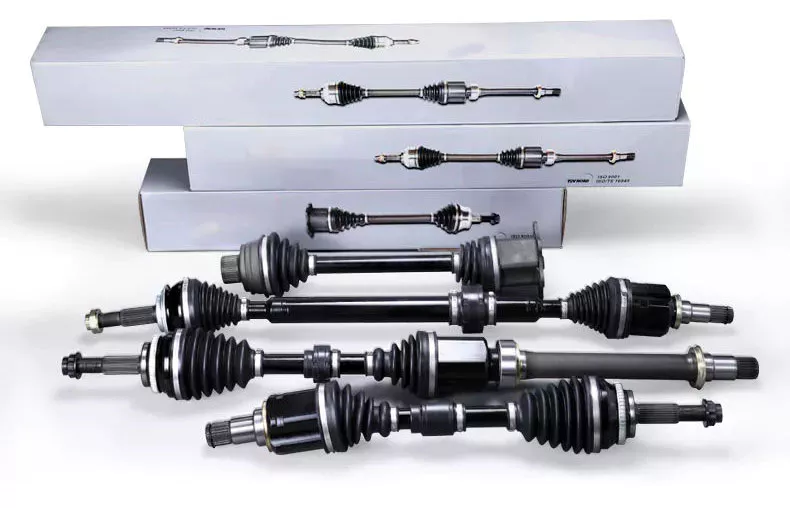
What maintenance practices are crucial for prolonging the lifespan of drive shafts?
To prolong the lifespan of drive shafts and ensure their optimal performance, several maintenance practices are crucial. Regular maintenance helps identify and address potential issues before they escalate, reduces wear and tear, and ensures the drive shaft operates smoothly and efficiently. Here are some essential maintenance practices for prolonging the lifespan of drive shafts:
1. Inspecție regulată:
Performing regular inspections is vital for detecting any signs of wear, damage, or misalignment. Inspect the drive shaft visually, looking for cracks, dents, or any signs of excessive wear on the shaft itself and its associated components such as joints, yokes, and splines. Check for any signs of lubrication leaks or contamination. Additionally, inspect the fasteners and mounting points to ensure they are secure. Early detection of any issues allows for timely repairs or replacements, preventing further damage to the drive shaft.
2. Lubrifiere:
Proper lubrication is essential for the smooth operation and longevity of drive shafts. Lubricate the joints, such as universal joints or constant velocity joints, as recommended by the manufacturer. Lubrication reduces friction, minimizes wear, and helps dissipate heat generated during operation. Use the appropriate lubricant specified for the specific drive shaft and application, considering factors such as temperature, load, and operating conditions. Regularly check the lubrication levels and replenish as necessary to ensure optimal performance and prevent premature failure.
3. Balancing and Alignment:
Maintaining proper balancing and alignment is crucial for the lifespan of drive shafts. Imbalances or misalignments can lead to vibrations, accelerated wear, and potential failure. If vibrations or unusual noises are detected during operation, it is important to address them promptly. Perform balancing procedures as necessary, including dynamic balancing, to ensure even weight distribution along the drive shaft. Additionally, verify that the drive shaft is correctly aligned with the engine or power source and the driven components. Misalignment can cause excessive stress on the drive shaft, leading to premature failure.
4. Protective Coatings:
Applying protective coatings can help prolong the lifespan of drive shafts, particularly in applications exposed to harsh environments or corrosive substances. Consider using coatings such as zinc plating, powder coating, or specialized corrosion-resistant coatings to enhance the drive shaft’s resistance to corrosion, rust, and chemical damage. Regularly inspect the coating for any signs of degradation or damage, and reapply or repair as necessary to maintain the protective barrier.
5. Verificări ale cuplului și elementelor de fixare:
Ensure that the drive shaft’s fasteners, such as bolts, nuts, or clamps, are properly torqued and secured according to the manufacturer’s specifications. Loose or improperly tightened fasteners can lead to excessive vibrations, misalignment, or even detachment of the drive shaft. Periodically check and retighten the fasteners as recommended or after any maintenance or repair procedures. Additionally, monitor the torque levels during operation to ensure they remain within the specified range, as excessive torque can strain the drive shaft and lead to premature failure.
6. Environmental Protection:
Protecting the drive shaft from environmental factors can significantly extend its lifespan. In applications exposed to extreme temperatures, moisture, chemicals, or abrasive substances, take appropriate measures to shield the drive shaft. This may include using protective covers, seals, or guards to prevent contaminants from entering and causing damage. Regular cleaning of the drive shaft, especially in dirty or corrosive environments, can also help remove debris and prevent buildup that could compromise its performance and longevity.
7. Manufacturer Guidelines:
Follow the manufacturer’s guidelines and recommendations for maintenance practices specific to the drive shaft model and application. The manufacturer’s instructions may include specific intervals for inspections, lubrication, balancing, or other maintenance tasks. Adhering to these guidelines ensures that the drive shaft is properly maintained and serviced, maximizing its lifespan and minimizing the risk of unexpected failures.
By implementing these maintenance practices, drive shafts can operate reliably, maintain efficient power transmission, and have an extended service life, ultimately reducing downtime and ensuring optimal performance in various applications.
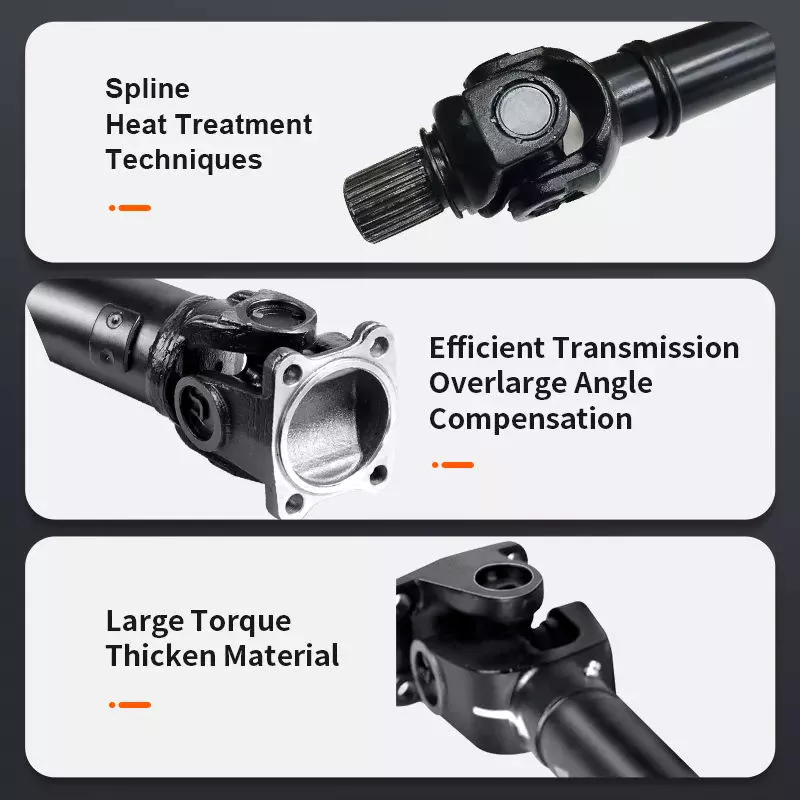
How do drive shafts contribute to the efficiency of vehicle propulsion and power transmission?
Drive shafts play a crucial role in the efficiency of vehicle propulsion and power transmission systems. They are responsible for transferring power from the engine or power source to the wheels or driven components. Here’s a detailed explanation of how drive shafts contribute to the efficiency of vehicle propulsion and power transmission:
1. Transfer de putere:
Drive shafts transmit power from the engine or power source to the wheels or driven components. By efficiently transferring rotational energy, drive shafts enable the vehicle to move forward or drive the machinery. The design and construction of drive shafts ensure minimal power loss during the transfer process, maximizing the efficiency of power transmission.
2. Torque Conversion:
Drive shafts can convert torque from the engine or power source to the wheels or driven components. Torque conversion is necessary to match the power characteristics of the engine with the requirements of the vehicle or machinery. Drive shafts with appropriate torque conversion capabilities ensure that the power delivered to the wheels is optimized for efficient propulsion and performance.
3. Constant Velocity (CV) Joints:
Many drive shafts incorporate Constant Velocity (CV) joints, which help maintain a constant speed and efficient power transmission, even when the driving and driven components are at different angles. CV joints allow for smooth power transfer and minimize vibration or power losses that may occur due to changing operating angles. By maintaining constant velocity, drive shafts contribute to efficient power transmission and improved overall vehicle performance.
4. Lightweight Construction:
Efficient drive shafts are often designed with lightweight materials, such as aluminum or composite materials. Lightweight construction reduces the rotational mass of the drive shaft, which results in lower inertia and improved efficiency. Reduced rotational mass enables the engine to accelerate and decelerate more quickly, allowing for better fuel efficiency and overall vehicle performance.
5. Minimized Friction:
Efficient drive shafts are engineered to minimize frictional losses during power transmission. They incorporate features such as high-quality bearings, low-friction seals, and proper lubrication to reduce energy losses caused by friction. By minimizing friction, drive shafts enhance power transmission efficiency and maximize the available power for propulsion or operating other machinery.
6. Balanced and Vibration-Free Operation:
Drive shafts undergo dynamic balancing during the manufacturing process to ensure smooth and vibration-free operation. Imbalances in the drive shaft can lead to power losses, increased wear, and vibrations that reduce overall efficiency. By balancing the drive shaft, it can spin evenly, minimizing vibrations and optimizing power transmission efficiency.
7. Maintenance and Regular Inspection:
Proper maintenance and regular inspection of drive shafts are essential for maintaining their efficiency. Regular lubrication, inspection of joints and components, and prompt repair or replacement of worn or damaged parts help ensure optimal power transmission efficiency. Well-maintained drive shafts operate with minimal friction, reduced power losses, and improved overall efficiency.
8. Integration with Efficient Transmission Systems:
Drive shafts work in conjunction with efficient transmission systems, such as manual, automatic, or continuously variable transmissions. These transmissions help optimize power delivery and gear ratios based on driving conditions and vehicle speed. By integrating with efficient transmission systems, drive shafts contribute to the overall efficiency of the vehicle propulsion and power transmission system.
9. Aerodynamic Considerations:
In some cases, drive shafts are designed with aerodynamic considerations in mind. Streamlined drive shafts, often used in high-performance or electric vehicles, minimize drag and air resistance to improve overall vehicle efficiency. By reducing aerodynamic drag, drive shafts contribute to the efficient propulsion and power transmission of the vehicle.
10. Optimized Length and Design:
Drive shafts are designed to have optimal lengths and designs to minimize energy losses. Excessive drive shaft length or improper design can introduce additional rotational mass, increase bending stresses, and result in energy losses. By optimizing the length and design, drive shafts maximize power transmission efficiency and contribute to improved overall vehicle efficiency.
Overall, drive shafts contribute to the efficiency of vehicle propulsion and power transmission through effective power transfer, torque conversion, utilization of CV joints, lightweight construction, minimized friction, balanced operation, regular maintenance, integration with efficient transmission systems, aerodynamic considerations, and optimized length and design. By ensuring efficient power delivery and minimizing energy losses, drive shafts play a significant role in enhancing the overall efficiency and performance of vehicles and machinery.

Ce este un arbore de transmisie și cum funcționează în vehicule și utilaje?
Un arbore de transmisie, cunoscut și sub denumirea de arbore cardanic sau arbore de transmisie, este o componentă mecanică care joacă un rol esențial în transmiterea puterii de rotație de la motor la roți sau la alte componente acționate din vehicule și utilaje. Este utilizat în mod obișnuit în diverse tipuri de vehicule, inclusiv mașini, camioane, motociclete și utilaje agricole sau industriale. Iată o explicație detaliată a ceea ce este un arbore de transmisie și a modului în care funcționează:
1. Definiție și construcție: Un arbore de transmisie este un tub metalic cilindric care conectează motorul sau sursa de alimentare la roți sau componentele acționate. De obicei, este fabricat din oțel sau aluminiu și constă dintr-una sau mai multe secțiuni tubulare cu articulații universale (articulații în U) la fiecare capăt. Aceste articulații în U permit mișcarea unghiulară și compensarea nealinierii dintre motor/transmisie și roțile sau componentele acționate.
2. Transmisia puterii: Funcția principală a unui arbore de transmisie este de a transmite puterea de rotație de la motor sau sursa de alimentare la roți sau componentele acționate. La vehicule, arborele de transmisie conectează arborele de ieșire al transmisiei sau cutiei de viteze la diferențial, care apoi transferă puterea la roți. La mașini, arborele de transmisie transferă puterea de la motor electric la diverse componente acționate, cum ar fi pompe, generatoare sau alte sisteme mecanice.
3. Cuplu și viteză: Arborele de transmisie este responsabil pentru transmiterea atât a cuplului, cât și a vitezei de rotație. Cuplul este forța de rotație generată de motor sau de sursa de alimentare, în timp ce viteza de rotație este numărul de rotații pe minut (RPM). Arborele de transmisie trebuie să fie capabil să transmită cuplul necesar fără răsucire sau îndoire excesivă și menținând viteza de rotație dorită pentru funcționarea eficientă a componentelor acționate.
4. Cuplaj flexibil: Articulațiile în U de pe arborele de transmisie oferă o cuplare flexibilă ce permite mișcarea unghiulară și compensarea nealinierii dintre motor/transmisie și roțile sau componentele motoare. Pe măsură ce sistemul de suspensie al unui vehicul se mișcă sau utilajele funcționează pe teren accidentat, arborele de transmisie își poate ajusta lungimea și unghiul pentru a se adapta acestor mișcări, asigurând o transmitere lină a puterii și prevenind deteriorarea componentelor sistemului de transmisie.
5. Lungime și echilibru: Lungimea arborelui de transmisie este determinată de distanța dintre motor sau sursa de alimentare și roțile sau componentele motoare. Acesta trebuie să fie dimensionat corespunzător pentru a asigura o transmitere corectă a puterii și pentru a evita vibrațiile sau îndoirea excesivă. În plus, arborele de transmisie este echilibrat cu atenție pentru a minimiza vibrațiile și dezechilibrele de rotație, care pot cauza disconfort, pot reduce eficiența și pot duce la uzura prematură a componentelor transmisiei.
6. Considerații de siguranță: Arborii de transmisie din vehicule și utilaje necesită măsuri de siguranță adecvate. În vehicule, arborii de transmisie sunt adesea închiși într-un tub sau o carcasă de protecție pentru a preveni contactul cu piesele în mișcare și a reduce riscul de rănire în cazul unei defecțiuni sau avarii. În plus, în jurul arborilor de transmisie expuși din utilaje sunt instalate de obicei scuturi sau apărători de siguranță pentru a proteja operatorii de pericolele potențiale asociate cu componentele rotative.
7. Întreținere și inspecție: Întreținerea și inspecția regulată a arborilor de transmisie sunt esențiale pentru a asigura funcționarea corectă și longevitatea acestora. Aceasta include verificarea semnelor de uzură, deteriorare sau joc excesiv al articulațiilor cardanice, inspecția arborelui de transmisie pentru a depista eventuale fisuri sau deformări și lubrifierea articulațiilor cardanice conform recomandărilor producătorului. Întreținerea adecvată ajută la prevenirea defecțiunilor, asigură performanțe optime și prelungește durata de viață a arborelui de transmisie.
Pe scurt, un arbore de transmisie este o componentă mecanică care transmite puterea de rotație de la motor sau sursa de alimentare la roți sau componentele acționate din vehicule și utilaje. Acesta funcționează prin asigurarea unei conexiuni rigide între motor/transmisie și roțile sau componentele acționate, permițând în același timp mișcarea unghiulară și compensarea nealinierii prin utilizarea articulațiilor cardanice. Arborele de transmisie joacă un rol crucial în transmiterea puterii, livrarea cuplului și a vitezei, cuplajul flexibil, considerațiile privind lungimea și echilibrarea, cerințele de siguranță și întreținere. Funcționarea sa corectă este esențială pentru funcționarea lină și eficientă a vehiculelor și utilajelor.


editor by CX 2024-04-08























