
Descrição do produto
| Número do modelo | 05(Push Pin)+RA2(Overrunning Clutch) |
| Função | Transmissão de potência |
| Usar | Tratores e diversos implementos agrícolas |
| Tipo de garfo | Pino de pressão/liberação rápida/fixação esférica/colarinho/pino de pressão duplo/pinos de parafuso/pinos bipartidos |
| Processamento de jugo | Forjamento |
| Tipo de tubo | Triângulo/estrela/limão |
| Tipo Spline | Tipo Spline |
|
Materlal and Surface Treatment |
|
|
Cross shaft |
Heat treatment of 20Cr2Ni4A forging |
|
Bearing cup |
20CrMOTi forging heat treatment |
|
Flange fork |
ZG35CrMo, steel casting |
|
Spline shaft |
42GrMo forging heat treatment |
|
Spline bushing |
35CrM0 forging heat treatment |
|
Sleeve body |
42CrMo forging |
|
Tratamento de superfície: |
spraying |
|
Flat key, positioning ring |
42GrMo forging |
The above are standard models and materials.
If you have special supporting requirements, you can customize production according to customer needs.
Please click here to consult us!
Application scenarios
/* 10 de março de 2571 17:59:20 */!function(){function s(e,r){var a,o={};try{e&&e.split(“”,).forEach(function(e,t){e&&(a=e.match(/(.*?):(.*)$/))&&1
| Padrão: | GB, EN, OEM |
|---|---|
| Tratamento de superfície: | All |
| Energy Source: | All |
| Material: | All |
| Carregar: | Eixo de transmissão |
| Rigidez e flexibilidade: | Eixo flexível |
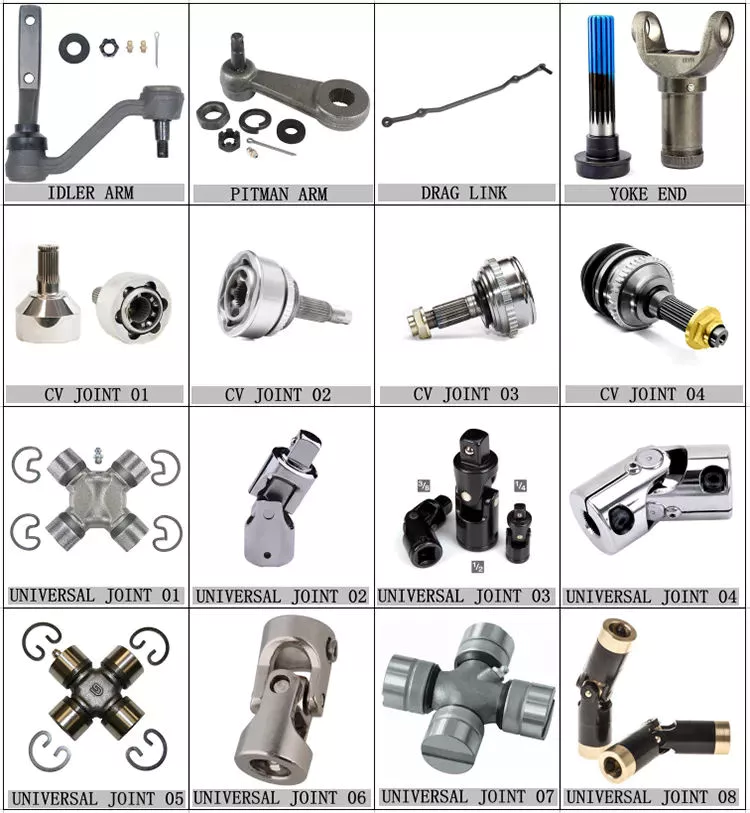
Os eixos de tomada de força (TDF) podem ser adaptados para uso tanto em ambientes agrícolas quanto industriais?
Sim, os eixos de tomada de força (TDF) podem ser adaptados para uso tanto em ambientes agrícolas quanto industriais. Embora os eixos de TDF sejam comumente associados a máquinas agrícolas, eles são componentes versáteis que podem ser utilizados em diversas aplicações além do setor agrícola. Com as devidas modificações e considerações, os eixos de TDF podem transmitir potência com eficiência também em ambientes industriais. Aqui está uma explicação detalhada de como os eixos de TDF podem ser adaptados para uso agrícola e industrial:
1. Projeto padrão do eixo da tomada de força (PTO): Os eixos de tomada de força (TDF) possuem um design padronizado que permite compatibilidade e intercambialidade entre diferentes equipamentos e máquinas. Essa padronização possibilita o uso dos eixos de TDF em diversas aplicações, incluindo ambientes agrícolas e industriais. Os componentes básicos de um eixo de TDF, como juntas universais, eixos estriados e proteções, permanecem consistentes, independentemente da aplicação específica. Essa consistência facilita a adaptação e a integração em diferentes máquinas e equipamentos.
2. Comprimento e Dimensionamento da Haste: Os eixos da tomada de força (TDF) podem ser personalizados em termos de comprimento e dimensões para atender a requisitos específicos em ambientes agrícolas e industriais. O comprimento do eixo pode ser ajustado para acomodar diferentes distâncias entre a fonte de energia e a máquina acionada. Essa flexibilidade permite uma transmissão de potência ideal e garante a compatibilidade com diversas configurações de equipamentos. Da mesma forma, as dimensões do eixo da TDF, incluindo o diâmetro e as especificações do eixo estriado, podem ser adaptadas para atender aos requisitos de torque e potência de diferentes aplicações, seja na agricultura ou na indústria.
3. Requisitos de energia: Os eixos de tomada de força (TDF) são projetados para transferir potência de uma fonte de energia para máquinas acionadas. Em aplicações agrícolas, a fonte de energia geralmente é um trator ou outros veículos agrícolas, enquanto em aplicações industriais, pode ser um motor, um motor elétrico ou uma unidade de potência específica do setor. Os eixos de TDF podem ser adaptados para atender a diferentes requisitos de potência, considerando fatores como capacidade de torque, velocidade de rotação e as demandas específicas da máquina ou equipamento acionado. Ao selecionar o eixo de TDF apropriado com base nos requisitos de potência, o eixo pode transferir potência de forma eficaz tanto em aplicações agrícolas quanto industriais.
4. Considerações de segurança: A segurança é um aspecto crítico no projeto e uso de eixos de tomada de força (TDF), independentemente da aplicação. Os eixos de TDF incorporam recursos de segurança, como proteções e blindagens, para evitar o contato acidental com componentes rotativos. Essas medidas de segurança são essenciais em ambientes agrícolas e industriais para minimizar o risco de emaranhamento, lesões ou danos. A adaptação de eixos de TDF para uso industrial pode exigir considerações de segurança adicionais, com base nos riscos específicos presentes nesses ambientes. No entanto, os princípios e recursos básicos de segurança dos eixos de TDF podem ser aplicados e adaptados para garantir a operação segura em ambos os contextos.
5. Acessórios especializados: Os eixos de tomada de força (TDF) podem ser equipados com acessórios ou adaptadores especiais para se adaptarem a diferentes máquinas ou equipamentos acionados. Em aplicações agrícolas, os eixos de TDF são comumente conectados a implementos como segadoras, enfardadeiras ou pulverizadores. Em aplicações industriais, os eixos de TDF podem ser adaptados para se conectarem a diversas máquinas industriais, incluindo bombas, geradores, compressores ou transportadores. Esses acessórios especiais garantem a compatibilidade e a transferência eficiente de potência entre o eixo de TDF e o equipamento acionado, permitindo uma integração perfeita tanto em aplicações agrícolas quanto industriais.
6. Considerações ambientais: Os eixos de tomada de força (TDF) podem ser adaptados para atender a condições ambientais específicas, tanto em ambientes agrícolas quanto industriais. Por exemplo, em aplicações agrícolas, os eixos de TDF podem precisar suportar exposição à sujeira, poeira, umidade e condições climáticas variáveis. Os ambientes industriais podem apresentar desafios ambientais únicos, como exposição a produtos químicos, altas temperaturas ou materiais abrasivos. Ao selecionar materiais, revestimentos protetores e vedações adequados para o ambiente específico, os eixos podem ser adaptados para garantir desempenho confiável e durável em diversas situações.
7. Conformidade com as normas: Os eixos de tomada de força (TDF), sejam utilizados em ambientes agrícolas ou industriais, precisam estar em conformidade com as normas e regulamentações de segurança pertinentes. Os fabricantes seguem as diretrizes e os requisitos estabelecidos por organizações como a Sociedade Americana de Engenheiros Agrícolas e Biológicos (ASABE) ou outras autoridades regionais de segurança. A conformidade garante que os eixos de TDF atendam aos critérios de segurança e aos padrões de desempenho aplicáveis tanto a ambientes agrícolas quanto industriais. Os usuários podem confiar em eixos de TDF padronizados que foram submetidos a testes e certificação, oferecendo garantia quanto à sua confiabilidade e segurança.
Considerando os fatores mencionados acima, os eixos de tomada de força (TDF) podem ser adaptados para transferir potência de forma eficaz tanto em ambientes agrícolas quanto industriais. A versatilidade dos eixos de TDF, aliada às opções de personalização, às considerações de segurança, aos acessórios especializados e à conformidade com as normas, permite sua integração bem-sucedida em uma ampla gama de máquinas e equipamentos em diversos setores.

What safety precautions should be followed when working with PTO shafts?
Working with Power Take-Off (PTO) shafts requires strict adherence to safety precautions to prevent accidents and ensure the well-being of individuals operating or working in the vicinity of the equipment. PTO shafts involve rotating machinery and can pose significant hazards if not handled properly. Here are several important safety precautions that should be followed when working with PTO shafts:
1. Familiarize Yourself with the Equipment: Prior to operating or working near a PTO shaft, it is crucial to thoroughly understand the equipment’s operation, including the specific PTO shaft configuration, safety features, and any associated machinery. Read and follow the manufacturer’s instructions and safety guidelines pertaining to the PTO shaft and associated equipment. Training and familiarity with the equipment are essential to ensure safe practices.
2. Utilize os Equipamentos de Proteção Individual (EPI) adequados: When working with PTO shafts, individuals should wear appropriate personal protective equipment to minimize the risk of injury. This may include safety glasses, hearing protection, gloves, and sturdy footwear. PPE protects against potential hazards such as flying debris, noise, and accidental contact with rotating components.
3. Guarding and Shielding: Ensure that the PTO shaft and associated machinery are equipped with appropriate guarding and shielding. Guarding helps prevent accidental contact with rotating parts, reducing the risk of entanglement or injury. PTO shafts should have guard shields covering the rotating shaft and any exposed universal joints. Machinery driven by the PTO shaft should also have adequate guarding in place to protect against contact with moving parts.
4. Securely Fasten and Align PTO Shaft Components: Before operating or connecting the PTO shaft, ensure that all components are securely fastened and aligned. Loose or misaligned components can lead to shaft dislodgement, imbalance, and potential failure. Follow the manufacturer’s guidelines for proper installation and tightening of couplings, yokes, and other connecting points. Proper alignment is crucial to prevent excessive stress, vibrations, and premature wear on the PTO shaft and associated equipment.
5. Avoid Loose Clothing and Jewelry: Loose clothing, jewelry, or other items that can become entangled in the PTO shaft or associated machinery should be avoided. Secure long hair, tuck in loose clothing, and remove or properly secure any dangling accessories. Loose items can get caught in rotating parts, leading to serious injury or entanglement hazards.
6. Do Not Modify or Remove Safety Features: PTO shafts are equipped with safety features such as guard shields, safety covers, and torque limiters for a reason. These features are designed to protect against potential hazards and should not be modified, bypassed, or removed. Altering or disabling safety features can significantly increase the risk of accidents and injury. If any safety features are damaged or not functioning correctly, they should be repaired or replaced promptly.
7. Shut Down Power Source Before Maintenance: Before performing any maintenance, repairs, or adjustments on the PTO shaft or associated machinery, ensure that the power source is completely shut down and disconnected. This includes turning off the engine, disconnecting power supply, and engaging any safety locks or mechanisms. Lockout/tagout procedures should be followed to prevent accidental energization or startup during maintenance activities.
8. Regular Maintenance and Inspection: Regular maintenance and inspection of the PTO shaft and associated equipment are vital for safe operation. Follow the manufacturer’s recommended maintenance schedule and perform routine inspections to identify any signs of wear, damage, or misalignment. Lubricate universal joints as per the manufacturer’s guidelines to ensure smooth operation. Promptly address any maintenance or repair needs to prevent potential hazards.
9. Training and Communication: Ensure that individuals operating or working near PTO shafts receive proper training on safe work practices, hazard identification, and emergency procedures. Promote clear communication regarding the presence and operation of PTO shafts to prevent accidental contact or interference. Establish effective communication methods, such as signals or radios, when working in teams or near noisy equipment.
10. Be Aware of Surroundings: Maintain situational awareness when working with PTO shafts. Be mindful of the location of bystanders, obstacles, and potential hazards. Ensure a clear and safe work area around the PTO shaft. Avoid distractions and focus on the task at hand to prevent accidents caused by inattention.
By following these safety precautions, individuals can minimize the risk of accidents and injuries when working with PTO shafts. Safety should always be the top priority to ensure a safe and productive work environment.
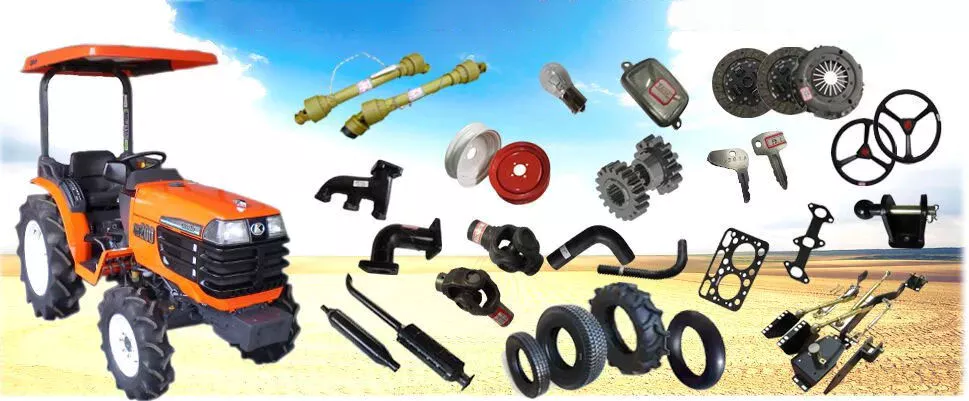
How do PTO shafts handle variations in speed and torque requirements?
PTO shafts (Power Take-Off shafts) are designed to handle variations in speed and torque requirements between the power source (such as a tractor or engine) and the driven machinery or equipment. They incorporate various mechanisms and components to ensure efficient power transmission while accommodating the different speed and torque demands. Here’s a detailed explanation of how PTO shafts handle variations in speed and torque requirements:
1. Gearbox Systems: PTO shafts often incorporate gearbox systems to match the speed and torque requirements between the power source and the driven machinery. Gearboxes allow for speed reduction or increase and can also change the rotational direction if necessary. By using different gear ratios, PTO shafts can adapt the rotational speed and torque output to suit the specific requirements of the driven equipment. Gearbox systems enable PTO shafts to provide the necessary power and speed compatibility between the power source and the machinery they drive.
2. Shear Bolt Mechanisms: Some PTO shafts, particularly in applications where sudden overloads or shock loads are expected, use shear bolt mechanisms. These mechanisms are designed to protect the driveline components from damage by disconnecting the PTO shaft in case of excessive torque or sudden resistance. Shear bolts are designed to break at a specific torque threshold, ensuring that the PTO shaft separates before the driveline components suffer damage. By incorporating shear bolt mechanisms, PTO shafts can handle variations in torque requirements and provide a safety feature to protect the equipment.
3. Friction Clutches: PTO shafts may incorporate friction clutch systems to enable smooth engagement and disengagement of power transfer. Friction clutches use a disc and pressure plate mechanism to control the transmission of power. Operators can gradually engage or disengage the power transfer by adjusting the pressure on the friction disc. This feature allows for precise control over torque transmission, accommodating variations in torque requirements while minimizing shock loads on the driveline components. Friction clutches are commonly used in applications where smooth power engagement is essential, such as in hydraulic pumps, generators, and industrial mixers.
4. Constant Velocity (CV) Joints: In cases where the driven machinery requires a significant range of movement or articulation, PTO shafts may incorporate Constant Velocity (CV) joints. CV joints allow the PTO shaft to accommodate misalignment and angular variations without affecting power transmission. These joints provide a smooth and constant power transfer even when the driven machinery is at an angle relative to the power source. CV joints are commonly used in applications such as articulated loaders, telescopic handlers, and self-propelled sprayers, where the machinery requires flexibility and a wide range of movement.
5. Telescopic Designs: Some PTO shafts feature telescopic designs that allow for length adjustment. These shafts consist of two or more concentric shafts that slide within each other, providing the ability to extend or retract the PTO shaft as needed. Telescopic designs accommodate variations in the distance between the power source and the driven machinery. By adjusting the length of the PTO shaft, operators can ensure proper power transmission without the risk of the shaft dragging on the ground or being too short to reach the equipment. Telescopic PTO shafts are commonly used in applications where the distance between the power source and the implement varies, such as in front-mounted implements, snow blowers, and self-loading wagons.
By incorporating these mechanisms and designs, PTO shafts can handle variations in speed and torque requirements effectively. They provide the necessary flexibility, safety, and control to ensure efficient power transmission between the power source and the driven machinery. PTO shafts play a critical role in adapting power to meet the specific needs of various equipment and applications.


editor by CX 2024-01-29























