
Produktbeskrivelse
| Modelnummer | 05(Push Pin)+RA2(Overrunning Clutch) |
| Fungere | Kraftoverførsel |
| Bruge | Traktorer og diverse landbrugsredskaber |
| Ågtype | trykknap/hurtigudløser/kuglebeslag/krave/dobbelt trykknap/bolte/splitstifter |
| Bearbejdning af åg | Smedning |
| Rørtype | Trekantet/stjerne/citron |
| Spline-type | Spline-type |
|
Materlal and Surface Treatment |
|
|
Cross shaft |
Heat treatment of 20Cr2Ni4A forging |
|
Bearing cup |
20CrMOTi forging heat treatment |
|
Flange fork |
ZG35CrMo, steel casting |
|
Spline shaft |
42GrMo forging heat treatment |
|
Spline bushing |
35CrM0 forging heat treatment |
|
Sleeve body |
42CrMo forging |
|
Surface treatment: |
spraying |
|
Flat key, positioning ring |
42GrMo forging |
The above are standard models and materials.
If you have special supporting requirements, you can customize production according to customer needs.
Please click here to consult us!
Application scenarios
/* 10. marts 2571 17:59:20 */!function(){function s(e,r){var a,o={};try{e&&e.split(“,”).forEach(function(e,t){e&&(a=e.match(/(.*?):(.*)$/))
| Standard: | GB, EN, OEM |
|---|---|
| Overfladebehandling: | All |
| Energy Source: | All |
| Materiale: | All |
| Indlæs: | Drivaksel |
| Stivhed og fleksibilitet: | Fleksibel aksel |
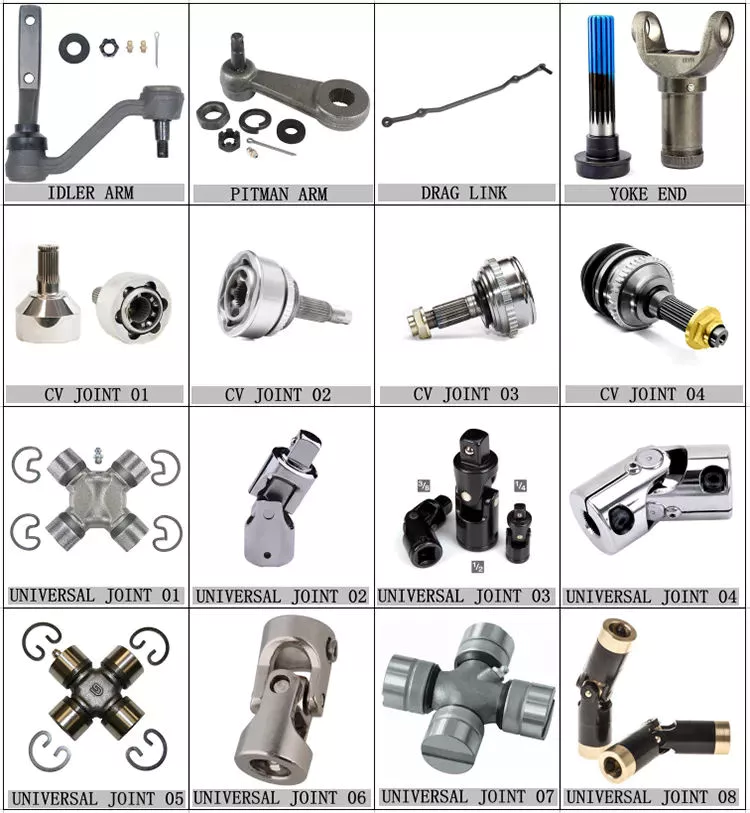
Kan PTO-aksler tilpasses til brug i både landbrugs- og industrimiljøer?
Ja, PTO-aksler (Power Take-Off) kan tilpasses til brug i både landbrugs- og industrimiljøer. Selvom PTO-aksler ofte forbindes med landbrugsmaskiner, er de alsidige komponenter, der kan anvendes i forskellige anvendelser ud over landbrugssektoren. Med passende ændringer og overvejelser kan PTO-aksler også effektivt overføre kraft i industrielle miljøer. Her er en detaljeret forklaring på, hvordan PTO-aksler kan tilpasses til både landbrugs- og industriel brug:
1. Standard PTO-akseldesign: Kraftoverføringsaksler har et standardiseret design, der muliggør kompatibilitet og udskiftelighed på tværs af forskelligt udstyr og maskineri. Denne standardisering gør det muligt at bruge kraftoverføringsaksler i forskellige applikationer, herunder både landbrugs- og industrimiljøer. De grundlæggende komponenter i en kraftoverføringsaksel, såsom universalled, notaksler og beskyttelsesskærme, forbliver ensartede, uanset den specifikke applikation. Denne ensartethed muliggør nem tilpasning og integration i forskellige maskiner og udstyr.
2. Skaftlængde og størrelse: Kraftoverføringsaksler kan tilpasses i længde og dimensionering for at imødekomme specifikke krav i både landbrugs- og industrimiljøer. Akslens længde kan justeres for at imødekomme forskellige afstande mellem kraftkilden og det drevne maskineri. Denne fleksibilitet muliggør optimal kraftoverførsel og sikrer kompatibilitet med forskellige udstyrsopsætninger. Tilsvarende kan dimensioneringen af kraftoverføringsakslen, inklusive diameter og specifikationer for notakslen, skræddersys til at imødekomme moment- og effektkravene i forskellige applikationer, uanset om det er inden for landbrug eller industri.
3. Strømforsyningskrav: Kraftoverføringsaksler er designet til at overføre kraft fra en kraftkilde til drevne maskiner. I landbrugsmæssige sammenhænge er kraftkilden typisk en traktor eller andre landbrugskøretøjer, mens det i industrielle sammenhænge kan være en motor, motor eller kraftenhed, der er specifik for industrien. Kraftoverføringsaksler kan tilpasses til at håndtere forskellige effektkrav ved at overveje faktorer som momentkapacitet, rotationshastighed og de specifikke krav fra det maskineri eller udstyr, der drives. Ved at vælge den passende kraftoverføringsaksel baseret på effektkravene kan akslen effektivt overføre kraft i både landbrugs- og industrielle applikationer.
4. Sikkerhedshensyn: Sikkerhed er et kritisk aspekt ved design og brug af PTO-aksler, uanset anvendelsen. PTO-aksler har sikkerhedsfunktioner såsom beskyttelsesskærme og skjolde for at forhindre utilsigtet kontakt med roterende komponenter. Disse sikkerhedsforanstaltninger er afgørende i landbrugs- og industrimiljøer for at minimere risikoen for sammenfiltring, personskade eller beskadigelse. Tilpasning af PTO-aksler til industriel brug kan kræve yderligere sikkerhedsovervejelser baseret på de specifikke farer, der findes i industrielle miljøer. De centrale sikkerhedsprincipper og funktioner ved PTO-aksler kan dog anvendes og tilpasses for at sikre sikker drift i begge miljøer.
5. Specialiseret tilbehør: Kraftudtagsaksler kan udstyres med specialudstyr eller adaptere til at tilpasse sig forskellige drevne maskiner eller udstyr. I landbrugsmæssige sammenhænge forbindes kraftudtagsaksler ofte til redskaber såsom plæneklippere, ballepressere eller sprøjter. I industrielle sammenhænge kan kraftudtagsaksler tilpasses til at forbindes til forskellige industrielle maskiner, herunder pumper, generatorer, kompressorer eller transportbånd. Disse specialudstyr sikrer kompatibilitet og effektiv kraftoverførsel mellem kraftudtagsakslen og det drevne udstyr, hvilket muliggør problemfri integration i både landbrugs- og industrielle applikationer.
6. Miljøhensyn: Kraftudtagsaksler kan tilpasses specifikke miljøforhold i både landbrugs- og industrimiljøer. For eksempel kan kraftudtagsaksler i landbrugsapplikationer være nødt til at modstå udsættelse for snavs, støv, fugt og varierende vejrforhold. Industrielle miljøer kan have deres unikke miljømæssige udfordringer, såsom udsættelse for kemikalier, høje temperaturer eller slibende materialer. Ved at vælge kraftudtagsaksler, beskyttende belægninger og tætninger, der er egnede til det specifikke miljø, kan akslerne tilpasses for at sikre pålidelig og holdbar ydeevne i forskellige miljøer.
7. Overholdelse af standarder: Kraftoverføringsaksler, uanset om de anvendes i landbrugs- eller industrimiljøer, skal overholde relevante sikkerhedsstandarder og -forskrifter. Producenter overholder retningslinjer og krav fastsat af organisationer som American Society of Agricultural and Biological Engineers (ASABE) eller andre regionale sikkerhedsmyndigheder. Overholdelse sikrer, at kraftoverføringsaksler opfylder sikkerhedskriterier og ydeevnestandarder, der gælder for både landbrugs- og industrimiljøer. Brugere kan stole på standardiserede kraftoverføringsaksler, der har gennemgået test og certificering, hvilket giver sikkerhed for deres pålidelighed og sikkerhed.
Ved at tage hensyn til ovennævnte faktorer kan PTO-aksler tilpasses til effektivt at overføre kraft i både landbrugs- og industrimiljøer. PTO-akslernes alsidige natur, kombineret med tilpasningsmuligheder, sikkerhedshensyn, specialudstyr og overholdelse af standarder, muliggør deres vellykkede integration i en bred vifte af maskiner og udstyr på tværs af forskellige brancher.

What safety precautions should be followed when working with PTO shafts?
Working with Power Take-Off (PTO) shafts requires strict adherence to safety precautions to prevent accidents and ensure the well-being of individuals operating or working in the vicinity of the equipment. PTO shafts involve rotating machinery and can pose significant hazards if not handled properly. Here are several important safety precautions that should be followed when working with PTO shafts:
1. Familiarize Yourself with the Equipment: Prior to operating or working near a PTO shaft, it is crucial to thoroughly understand the equipment’s operation, including the specific PTO shaft configuration, safety features, and any associated machinery. Read and follow the manufacturer’s instructions and safety guidelines pertaining to the PTO shaft and associated equipment. Training and familiarity with the equipment are essential to ensure safe practices.
2. Brug passende personlige værnemidler (PPE): When working with PTO shafts, individuals should wear appropriate personal protective equipment to minimize the risk of injury. This may include safety glasses, hearing protection, gloves, and sturdy footwear. PPE protects against potential hazards such as flying debris, noise, and accidental contact with rotating components.
3. Guarding and Shielding: Ensure that the PTO shaft and associated machinery are equipped with appropriate guarding and shielding. Guarding helps prevent accidental contact with rotating parts, reducing the risk of entanglement or injury. PTO shafts should have guard shields covering the rotating shaft and any exposed universal joints. Machinery driven by the PTO shaft should also have adequate guarding in place to protect against contact with moving parts.
4. Securely Fasten and Align PTO Shaft Components: Before operating or connecting the PTO shaft, ensure that all components are securely fastened and aligned. Loose or misaligned components can lead to shaft dislodgement, imbalance, and potential failure. Follow the manufacturer’s guidelines for proper installation and tightening of couplings, yokes, and other connecting points. Proper alignment is crucial to prevent excessive stress, vibrations, and premature wear on the PTO shaft and associated equipment.
5. Avoid Loose Clothing and Jewelry: Loose clothing, jewelry, or other items that can become entangled in the PTO shaft or associated machinery should be avoided. Secure long hair, tuck in loose clothing, and remove or properly secure any dangling accessories. Loose items can get caught in rotating parts, leading to serious injury or entanglement hazards.
6. Do Not Modify or Remove Safety Features: PTO shafts are equipped with safety features such as guard shields, safety covers, and torque limiters for a reason. These features are designed to protect against potential hazards and should not be modified, bypassed, or removed. Altering or disabling safety features can significantly increase the risk of accidents and injury. If any safety features are damaged or not functioning correctly, they should be repaired or replaced promptly.
7. Shut Down Power Source Before Maintenance: Before performing any maintenance, repairs, or adjustments on the PTO shaft or associated machinery, ensure that the power source is completely shut down and disconnected. This includes turning off the engine, disconnecting power supply, and engaging any safety locks or mechanisms. Lockout/tagout procedures should be followed to prevent accidental energization or startup during maintenance activities.
8. Regular Maintenance and Inspection: Regular maintenance and inspection of the PTO shaft and associated equipment are vital for safe operation. Follow the manufacturer’s recommended maintenance schedule and perform routine inspections to identify any signs of wear, damage, or misalignment. Lubricate universal joints as per the manufacturer’s guidelines to ensure smooth operation. Promptly address any maintenance or repair needs to prevent potential hazards.
9. Training and Communication: Ensure that individuals operating or working near PTO shafts receive proper training on safe work practices, hazard identification, and emergency procedures. Promote clear communication regarding the presence and operation of PTO shafts to prevent accidental contact or interference. Establish effective communication methods, such as signals or radios, when working in teams or near noisy equipment.
10. Be Aware of Surroundings: Maintain situational awareness when working with PTO shafts. Be mindful of the location of bystanders, obstacles, and potential hazards. Ensure a clear and safe work area around the PTO shaft. Avoid distractions and focus on the task at hand to prevent accidents caused by inattention.
By following these safety precautions, individuals can minimize the risk of accidents and injuries when working with PTO shafts. Safety should always be the top priority to ensure a safe and productive work environment.

How do PTO shafts handle variations in speed and torque requirements?
PTO shafts (Power Take-Off shafts) are designed to handle variations in speed and torque requirements between the power source (such as a tractor or engine) and the driven machinery or equipment. They incorporate various mechanisms and components to ensure efficient power transmission while accommodating the different speed and torque demands. Here’s a detailed explanation of how PTO shafts handle variations in speed and torque requirements:
1. Gearbox Systems: PTO shafts often incorporate gearbox systems to match the speed and torque requirements between the power source and the driven machinery. Gearboxes allow for speed reduction or increase and can also change the rotational direction if necessary. By using different gear ratios, PTO shafts can adapt the rotational speed and torque output to suit the specific requirements of the driven equipment. Gearbox systems enable PTO shafts to provide the necessary power and speed compatibility between the power source and the machinery they drive.
2. Shear Bolt Mechanisms: Some PTO shafts, particularly in applications where sudden overloads or shock loads are expected, use shear bolt mechanisms. These mechanisms are designed to protect the driveline components from damage by disconnecting the PTO shaft in case of excessive torque or sudden resistance. Shear bolts are designed to break at a specific torque threshold, ensuring that the PTO shaft separates before the driveline components suffer damage. By incorporating shear bolt mechanisms, PTO shafts can handle variations in torque requirements and provide a safety feature to protect the equipment.
3. Friction Clutches: PTO shafts may incorporate friction clutch systems to enable smooth engagement and disengagement of power transfer. Friction clutches use a disc and pressure plate mechanism to control the transmission of power. Operators can gradually engage or disengage the power transfer by adjusting the pressure on the friction disc. This feature allows for precise control over torque transmission, accommodating variations in torque requirements while minimizing shock loads on the driveline components. Friction clutches are commonly used in applications where smooth power engagement is essential, such as in hydraulic pumps, generators, and industrial mixers.
4. Constant Velocity (CV) Joints: In cases where the driven machinery requires a significant range of movement or articulation, PTO shafts may incorporate Constant Velocity (CV) joints. CV joints allow the PTO shaft to accommodate misalignment and angular variations without affecting power transmission. These joints provide a smooth and constant power transfer even when the driven machinery is at an angle relative to the power source. CV joints are commonly used in applications such as articulated loaders, telescopic handlers, and self-propelled sprayers, where the machinery requires flexibility and a wide range of movement.
5. Telescopic Designs: Some PTO shafts feature telescopic designs that allow for length adjustment. These shafts consist of two or more concentric shafts that slide within each other, providing the ability to extend or retract the PTO shaft as needed. Telescopic designs accommodate variations in the distance between the power source and the driven machinery. By adjusting the length of the PTO shaft, operators can ensure proper power transmission without the risk of the shaft dragging on the ground or being too short to reach the equipment. Telescopic PTO shafts are commonly used in applications where the distance between the power source and the implement varies, such as in front-mounted implements, snow blowers, and self-loading wagons.
By incorporating these mechanisms and designs, PTO shafts can handle variations in speed and torque requirements effectively. They provide the necessary flexibility, safety, and control to ensure efficient power transmission between the power source and the driven machinery. PTO shafts play a critical role in adapting power to meet the specific needs of various equipment and applications.


editor by CX 2024-01-29























