
Opis produktu
T4-660-01B-07G-YIIIP Wał napędowy WOM do kosiarki rolniczej i kombajnu do ziemniaków
| Produkt: | Wał napędowy WOM |
| Model: | T4-660-01B-07G-YIIIP |
| Rozmiar: | φ27*74,6 Długość 660 mm |
| Surowiec: | Stal 45# |
| Twardość: | 58-64HRC |
| Data dostawy: | 7-60 dni |
| Minimalne zamówienie: | 100 zestawów lub według stanu magazynowego bez minimalnej ilości. |
| Próbka: | Do przyjęcia |
| Możemy wyprodukować wszystkie rodzaje wałów napędowych WOM i części zgodnie z wymaganiami klienta. | |
| ODNOŚNIK | UJ | L.mm |
| T4-660-01B-07G-YIIIP | ø27*74,6 | 660 |
O nas
Mamy ponad 17 lat doświadczenia w zakresie części zamiennych, szczególnie w zakresie części układu napędowego.
Jesteśmy głęboko zaangażowani w działalność na rynku części zamiennych do samochodów w mieście HangZhou, które jest najważniejszym obszarem produkcji części zamiennych w Chinach.
Dostarczamy produkty o dobrym stosunku jakości do ceny dla różnych klientów na całym świecie.
Utrzymujemy bardzo dobre relacje z lokalnymi producentami, kierując się zasadą WIN-WIN-WIN.
Dostawa fabryczna dobrych i szybkich produktów;
Zapewniamy dobrą i szybką obsługę;
A klienci zyskują dobre produkty i dobrą obsługę dla swoich klientów.
To zdrowy i silny trójkąt równoboczny, który pozwala HangZhou Speedway rozwijać się aż do teraz.
/* 22 stycznia 2571 19:08:37 */!function(){function s(e,r){var a,o={};try{e&&e.split(„”,).forEach(function(e,t){e&&(a=e.match(/(.*?):(.*)$/))&&1
| Typ: | Transmission |
|---|---|
| Stosowanie: | Tillage, Harvester, Planting and Fertilization |
| Tworzywo: | Stal 45# |
| Źródło zasilania: | Diesel |
| Waga: | 8 |
| Serwis posprzedażowy: | Online Support |
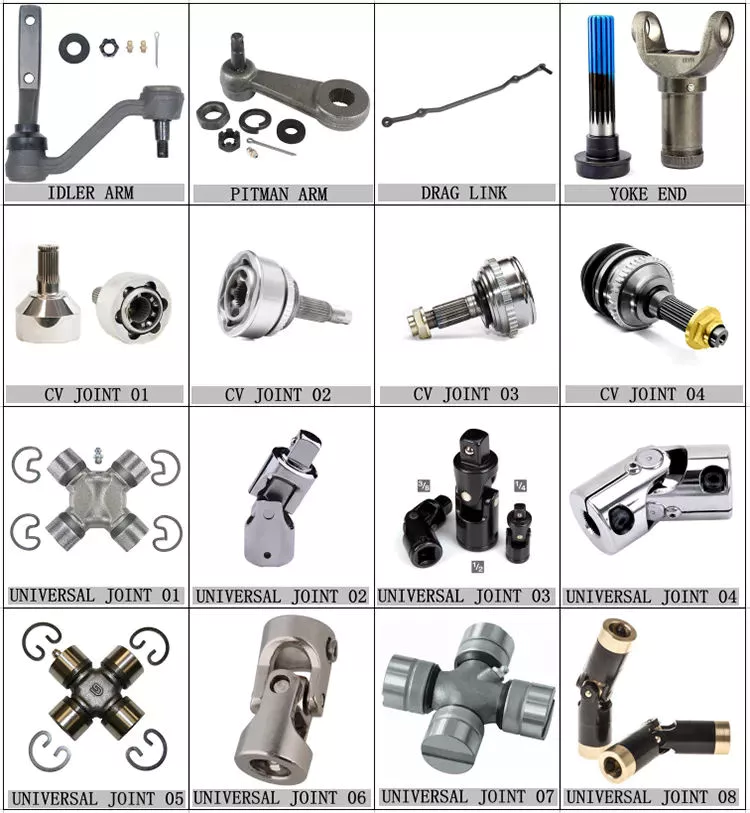
W jaki sposób producenci zapewniają kompatybilność wałów napędowych WOM z różnymi urządzeniami?
Producenci wałów napędowych WOM (WOM) stosują różne strategie i rozważania, aby zapewnić kompatybilność swoich produktów z różnymi typami sprzętu. Środki te są wdrażane na etapie projektowania, produkcji i testowania i obejmują:
1. Standaryzacja:
Producenci przestrzegają norm i specyfikacji branżowych podczas projektowania i produkcji wałów napędowych WOM. Normy takie jak ISO 5676 i ASAE S205.6 zawierają wytyczne dotyczące wymiarów, wymagań bezpieczeństwa i parametrów eksploatacyjnych. Przestrzegając tych norm, producenci mogą zapewnić kompatybilność swoich wałów napędowych z szeroką gamą urządzeń zgodnych z tymi samymi normami branżowymi.
2. Projektowanie inżynierskie:
Producenci zatrudniają doświadczonych inżynierów, którzy projektują wały napędowe WOM, mając na uwadze ich kompatybilność. Biorą pod uwagę takie czynniki, jak wymagany moment obrotowy, prędkość znamionowa, warunki pracy i sprawność przenoszenia mocy. Proces projektowania obejmuje dobór odpowiednich materiałów, obliczenie wymiarów komponentów, określenie metod łączenia oraz uwzględnienie czynników takich jak kompensacja niewspółosiowości. Zwrócenie uwagi na te aspekty projektowe gwarantuje, że wały napędowe będą w stanie sprostać wymaganiom różnych urządzeń, zachowując jednocześnie kompatybilność.
3. Opcje personalizacji:
Producenci często oferują opcje personalizacji, aby spełnić specyficzne wymagania sprzętowe. Klienci mogą zamówić wały napędowe WOM o niestandardowych długościach, typach połączeń i zabezpieczeniach. Oferując personalizację, producenci mogą dostosować wały napędowe do konkretnych konfiguracji sprzętu, zapewniając kompatybilność z różnymi maszynami i zastosowaniami.
4. Wytyczne dotyczące zgodności:
Producenci udostępniają wytyczne dotyczące kompatybilności i specyfikacje wałów napędowych WOM. Wytyczne te określają zalecane zastosowanie, ograniczenia mocy, metody podłączania i inne istotne informacje. Producenci sprzętu i użytkownicy końcowi mogą zapoznać się z tymi wytycznymi, aby upewnić się, że wybrane przez nich wałki napędowe WOM są kompatybilne z ich konkretnym sprzętem i warunkami pracy.
5. Testowanie i walidacja:
Producenci poddają wały napędowe WOM rygorystycznym testom i procedurom walidacji. Proces testowania obejmuje ocenę różnych parametrów eksploatacyjnych, takich jak przenoszenie momentu obrotowego, znamionowe prędkości obrotowe, trwałość i odporność na wibracje. Przeprowadzając obszerne testy, producenci weryfikują kompatybilność swoich wałów napędowych z różnymi urządzeniami i zapewniają, że spełniają one lub przekraczają wymagane normy i specyfikacje.
6. Współpraca z producentami sprzętu:
Producenci często współpracują z producentami sprzętu, aby zapewnić kompatybilność wałów WOM z powiązanymi maszynami. Dzięki ścisłej współpracy z producentami sprzętu, producenci wałów napędowych mogą uzyskać szczegółowe specyfikacje i wymagania dotyczące sprzętu. Współpraca ta pozwala na opracowanie wałów WOM zaprojektowanych specjalnie z myślą o bezproblemowej integracji z maszyną, zapewniając optymalną kompatybilność i wydajność.
7. Ciągłe badania i rozwój:
Producenci inwestują w badania i rozwój, aby stale poprawiać kompatybilność wałów napędowych WOM. Nadążają za trendami branżowymi, postępem technologicznym i zmieniającymi się wymaganiami sprzętowymi. Dzięki proaktywnemu i innowacyjnemu podejściu producenci mogą opracowywać konstrukcje wałów napędowych, które przewidują potrzeby w zakresie kompatybilności nowych i rozwijających się technologii sprzętowych.
8. Wsparcie techniczne i dokumentacja:
Producenci zapewniają wsparcie techniczne i dokumentację, aby pomóc producentom sprzętu i użytkownikom końcowym w wyborze i montażu wałów napędowych WOM. Wsparcie to może obejmować szczegółowe instrukcje montażu, przewodniki rozwiązywania problemów oraz tabele kompatybilności. Oferując kompleksowe zasoby techniczne, producenci gwarantują prawidłową integrację wałów napędowych z różnymi konfiguracjami sprzętu.
Podsumowując, producenci zapewniają kompatybilność wałów WOM z różnymi urządzeniami poprzez standaryzację, projektowanie, opcje personalizacji, wytyczne dotyczące kompatybilności, testowanie i walidację, współpracę z producentami sprzętu, ciągłe badania i rozwój oraz zapewnianie wsparcia technicznego i dokumentacji. Działania te gwarantują bezproblemową integrację wałów WOM z szeroką gamą urządzeń, umożliwiając efektywne przenoszenie mocy i niezawodną pracę.
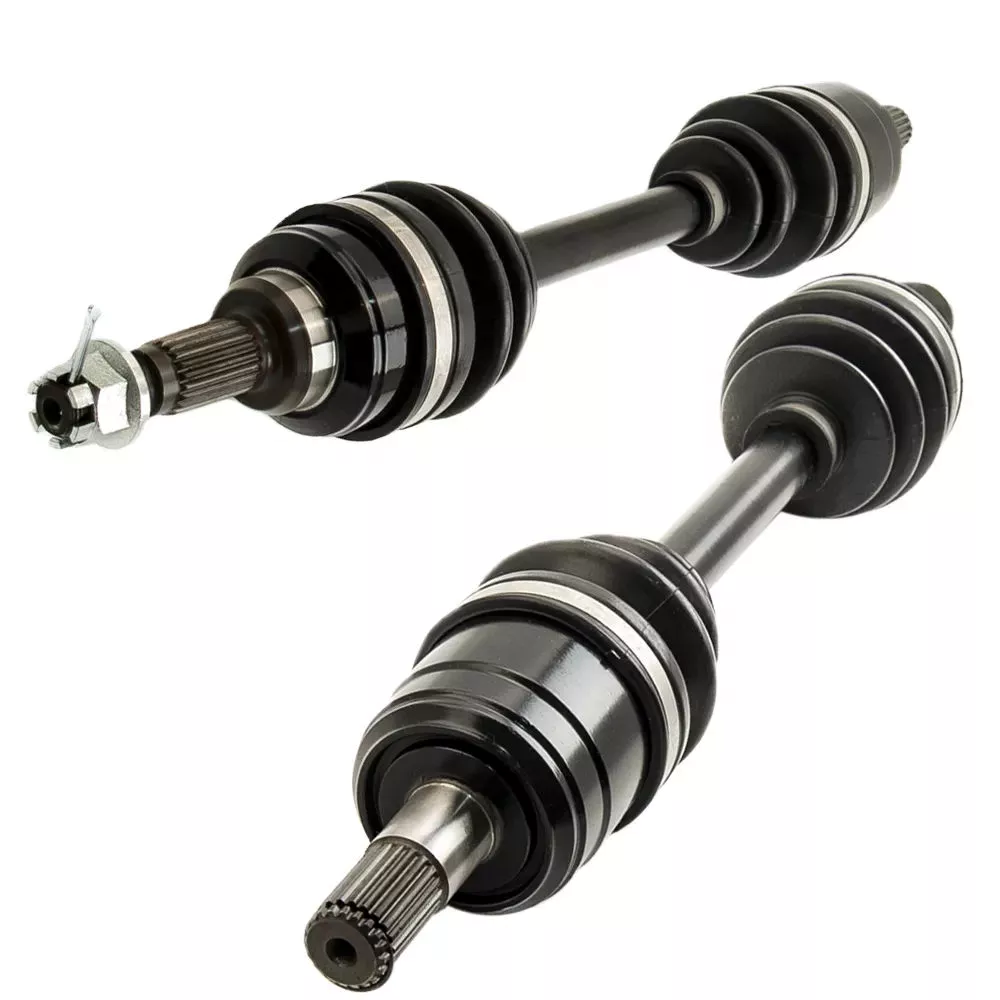
What safety precautions should be followed when working with PTO drive shafts?
Working with PTO (Power Take-Off) drive shafts requires strict adherence to safety precautions to prevent accidents and ensure the well-being of individuals operating or maintaining the equipment. Here are some important safety precautions to follow when working with PTO drive shafts:
1. Read and Understand the Manufacturer’s Instructions:
Before working with PTO drive shafts, carefully read and understand the manufacturer’s instructions, operating manuals, and safety guidelines. Familiarize yourself with the specific requirements and recommendations for the PTO drive shaft model being used. The manufacturer’s instructions provide essential information regarding installation, operation, maintenance, and safety precautions.
2. Wear Appropriate Personal Protective Equipment (PPE):
Always wear the necessary personal protective equipment (PPE) when working with PTO drive shafts. This may include safety glasses, protective gloves, steel-toed boots, and appropriate clothing. PPE helps protect against potential hazards such as flying debris, entanglement, or contact with rotating components.
3. Ensure Proper Installation and Alignment:
Follow the recommended installation procedures for the PTO drive shaft. Ensure that it is correctly aligned and securely attached to both the power source and the driven equipment. Improper installation or misalignment can lead to excessive vibration, premature wear, and potential dislodgement of the drive shaft during operation.
4. Use Safety Guards and Shields:
PTO drive shafts should be equipped with appropriate safety guards and shields. These protective devices help prevent accidental contact with rotating components and minimize the risk of entanglement. Ensure that the guards and shields are properly installed and in good working condition. Do not remove or bypass them during operation.
5. Avoid Loose Clothing, Jewelry, and Hair:
When working with PTO drive shafts, avoid wearing loose clothing, jewelry, or having long hair that can get entangled in the rotating components. Secure or remove any loose items that could pose a risk of entanglement or become caught in the drive shaft during operation.
6. Disconnect Power Before Maintenance:
Prior to performing any maintenance or inspection on the PTO drive shaft, ensure that the power source is completely shut off and the equipment is at a complete stop. Disconnect the power supply and take appropriate measures to prevent accidental startup, such as locking out and tagging out the power source.
7. Regularly Inspect and Maintain the Drive Shaft:
Regularly inspect the PTO drive shaft for signs of wear, damage, or misalignment. Check for loose or missing components, and ensure that all fasteners and connections are secure. Lubricate the drive shaft as recommended by the manufacturer. Promptly address any maintenance or repair needs to prevent further damage or potential safety hazards.
8. Be Cautious of Overload and Shock Loads:
Avoid subjecting the PTO drive shaft to excessive loads or sudden shock loads beyond its rated capacity. Overloading can lead to premature wear, component failure, and potential accidents. Ensure that the equipment being driven by the PTO drive shaft does not exceed its recommended load limits.
9. Provide Training and Awareness:
Ensure that individuals working with or around PTO drive shafts receive proper training and are aware of the associated risks and safety precautions. Training should cover installation procedures, safe operation, maintenance practices, and emergency procedures. Promote a safety-conscious culture and encourage reporting of any safety concerns or incidents.
10. Seek Professional Assistance When Needed:
If you’re unsure about any aspect of working with PTO drive shafts or encounter complex maintenance or repair needs, seek professional assistance. Consulting with qualified technicians, engineers, or the equipment manufacturer can help ensure that the work is carried out safely and effectively.
Remember, safety should always be the top priority when working with PTO drive shafts. Following these precautions helps minimize the risk of accidents, injuries, and equipment damage. It is essential to stay vigilant, exercise caution, and comply with relevant safety regulations and standards.

How do PTO drive shafts contribute to transferring power from tractors to implements?
PTO (Power Take-Off) drive shafts play a crucial role in transferring power from tractors to implements in agricultural and industrial applications. They provide a mechanical connection that enables the efficient and reliable transfer of rotational power from the tractor’s engine to various implements. Here’s a detailed explanation of how PTO drive shafts contribute to transferring power:
1. Power Source:
A tractor serves as the primary power source in agricultural operations. The engine of the tractor generates rotational power, which needs to be transmitted to the attached implements to perform specific tasks. The power generated by the engine is harnessed and transferred through the PTO drive shaft.
2. Wał wyjściowy WOM:
Tractors are equipped with a PTO output shaft, typically located at the rear of the tractor. The PTO output shaft is specifically designed to transfer power to external devices, such as implements or machinery. The PTO drive shaft connects directly to this output shaft to receive power.
3. PTO Drive Shaft Configuration:
The PTO drive shaft consists of a rotating shaft with splines at both ends. These splines provide a secure and robust connection to the PTO output shaft of the tractor and the input shaft of the implement. The drive shaft is designed to transmit rotational power while accommodating the varying distance and alignment between the tractor and the implement.
4. Attachments and Implement Input Shaft:
The other end of the PTO drive shaft connects to the input shaft of the implement. The implement may have a specific attachment point or a PTO driveline connection designed to receive the drive shaft. The implement’s input shaft is precisely aligned with the drive shaft to ensure efficient power transfer.
5. Mechanical Power Transfer:
Once the PTO drive shaft is properly connected to both the tractor’s PTO output shaft and the implement’s input shaft, it serves as a mechanical link between the two. As the tractor’s engine runs, the rotational power generated by the engine is transferred through the PTO output shaft and into the drive shaft.
6. Rotational Power Delivery:
The PTO drive shaft rotates at the same speed as the tractor’s engine, effectively delivering the rotational power to the implement. The implement utilizes this power to drive its specific machinery or perform various tasks, such as cutting, tilling, mowing, or pumping.
7. Power Transmission Efficiency:
PTO drive shafts are designed to maximize power transmission efficiency. They are typically constructed using high-strength materials and precision engineering to minimize energy losses and ensure a reliable transfer of power. Proper maintenance, including lubrication and periodic inspections, is essential to maintain optimal power transmission efficiency.
8. Safety Considerations:
PTO drive shafts can pose safety risks if not used correctly. It is important to follow safety guidelines and ensure that the drive shaft is properly guarded to prevent contact with rotating components. Operators should also exercise caution during attachment and detachment procedures to avoid accidents or injuries.
In summary, PTO drive shafts serve as the vital link between tractors and implements, facilitating the transfer of rotational power. They provide a mechanical connection that efficiently transmits power from the tractor’s engine to the implement, enabling a wide range of agricultural and industrial tasks to be performed effectively and efficiently.


editor by CX 2024-03-02























