
Descripción del Producto
T4-660-01B-07G-YIIIP Agriculture PTO Drive Shaft for Earth Mover and Potato Harvester
| Product: | Eje de transmisión de la toma de fuerza |
| Model: | T4-660-01B-07G-YIIIP |
| Size: | φ27*74.6 Length 660mm |
| Raw Material: | 45# Steel |
| Hardness: | 58-64HRC |
| Delivery Date: | 7-60 Days |
| MOQ: | 100 sets or according to stocks without minimum Qty. |
| Sample: | Acceptable |
| We could produce all kinds of PTO Drive Shaft and Parts according to customers’ requirement. | |
| REF. | UJ | L.mm |
| T4-660-01B-07G-YIIIP | ø27*74.6 | 660 |
About us
We have more than 17 years experience of Spare parts, especially on Drive Line Parts.
We deeply participant in the Auto Spare parts business in HangZhou city which is the most import spare parts production area in China.
We are supply products with good cost performance for different customers of all over the world.
We keep very good relationship with local produces with the WIN-WIN-WIN policy.
Factory supply good and fast products;
We supply good and fast service;
And Customers gain the good products and good service for their customers.
This is a healthy and strong equilateral triangle keep HangZhou Speedway going forward until now.
/* 22 de enero de 2571 19:08:37 */!function(){function s(e,r){var a,o={};try{e&&e.split(“”,).forEach(function(e,t){e&&(a=e.match(/(.*?):(.*)$/))&&1
| Tipo: | Transmission |
|---|---|
| Uso: | Tillage, Harvester, Planting and Fertilization |
| Material: | 45# Steel |
| Fuente de energía: | Diesel |
| Peso: | 8 |
| Servicio postventa: | Online Support |
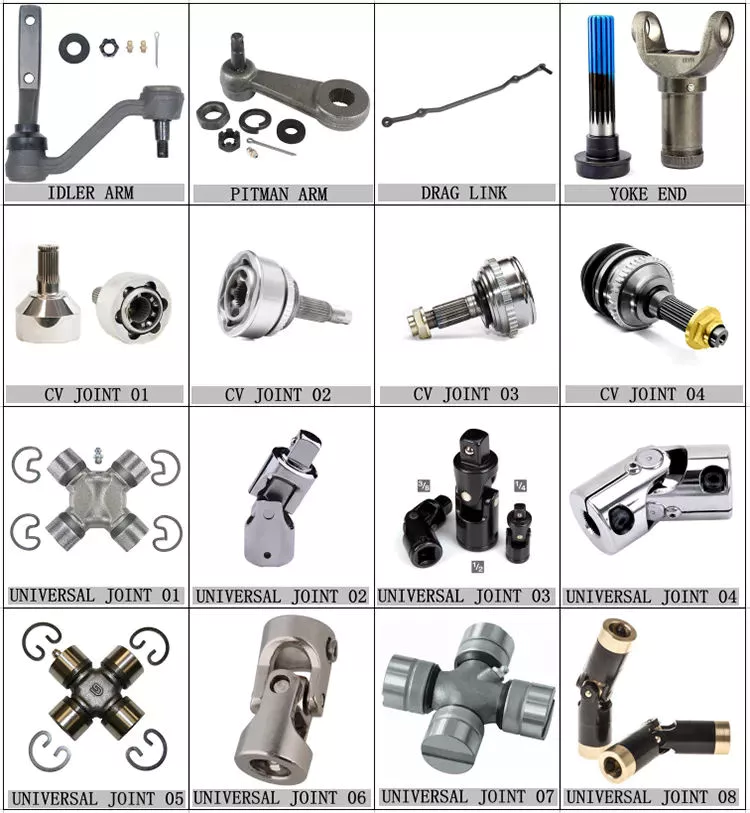
¿Cómo garantizan los fabricantes la compatibilidad de los ejes de transmisión de la TDF con diferentes equipos?
Los fabricantes de ejes de transmisión para tomas de fuerza (PTO) emplean diversas estrategias y consideraciones para garantizar la compatibilidad de sus productos con diferentes tipos de equipos. Estas medidas se implementan durante las fases de diseño, fabricación y pruebas, e incluyen:
1. Estandarización:
Los fabricantes se adhieren a las normas y especificaciones de la industria al diseñar y producir ejes de transmisión para tomas de fuerza. Normas como ISO 5676 y ASAE S205.6 proporcionan directrices sobre dimensiones, requisitos de seguridad y características de rendimiento. Al cumplir estas normas, los fabricantes pueden garantizar la compatibilidad de sus ejes de transmisión con una amplia gama de equipos que cumplen con las mismas normas de la industria.
2. Diseño de ingeniería:
Los fabricantes emplean ingenieros experimentados que diseñan los ejes de transmisión de la TDF teniendo en cuenta la compatibilidad. Consideran factores como los requisitos de par, las clasificaciones de velocidad, las condiciones de operación y la eficiencia de transferencia de potencia. El proceso de diseño de ingeniería implica la selección de materiales adecuados, el cálculo de las dimensiones de los componentes, la determinación de los métodos de conexión y la consideración de factores como la compensación de la desalineación. La atención a estos aspectos de diseño garantiza que los ejes de transmisión puedan satisfacer las demandas de diferentes equipos, manteniendo la compatibilidad.
3. Opciones de personalización:
Los fabricantes suelen ofrecer opciones de personalización para satisfacer los requisitos específicos de sus equipos. Los clientes pueden solicitar ejes de transmisión de toma de fuerza con longitudes, tipos de conexión y características de protección personalizados. Al ofrecer la personalización, los fabricantes pueden adaptar los ejes de transmisión a configuraciones específicas de sus equipos, garantizando así la compatibilidad con diferentes máquinas y aplicaciones.
4. Pautas de compatibilidad:
Los fabricantes proporcionan directrices y especificaciones de compatibilidad para sus ejes de transmisión de TDF. Estas directrices describen la aplicación recomendada, los límites de potencia, los métodos de conexión y otra información relevante. Los fabricantes de equipos y los usuarios finales pueden consultar estas directrices para asegurarse de que los ejes de transmisión de TDF que seleccionen sean compatibles con sus equipos y condiciones de funcionamiento específicos.
5. Pruebas y validación:
Los fabricantes someten los ejes de transmisión de las tomas de fuerza a rigurosos procedimientos de prueba y validación. El proceso de prueba incluye la evaluación de diversos parámetros de rendimiento, como la transmisión de par, las clasificaciones de velocidad, la durabilidad y la resistencia a la vibración. Mediante pruebas exhaustivas, los fabricantes verifican la compatibilidad de sus ejes de transmisión con diferentes equipos y garantizan que cumplan o superen las normas y especificaciones necesarias.
6. Colaboración con fabricantes de equipos:
Los fabricantes suelen colaborar con los fabricantes de equipos para garantizar la compatibilidad entre sus ejes de transmisión de TDF y la maquinaria relacionada. Al trabajar en estrecha colaboración con ellos, pueden obtener especificaciones y requisitos detallados para sus equipos. Esta colaboración permite el desarrollo de ejes de transmisión de TDF diseñados específicamente para integrarse a la perfección con el equipo, garantizando una compatibilidad y un rendimiento óptimos.
7. Investigación y desarrollo en curso:
Los fabricantes invierten en iniciativas de investigación y desarrollo para mejorar continuamente la compatibilidad de los ejes de transmisión de las tomas de fuerza. Se mantienen al tanto de las tendencias de la industria, los avances tecnológicos y la evolución de los requisitos de los equipos. Al ser proactivos e innovadores, los fabricantes pueden desarrollar diseños de ejes de transmisión que anticipen las necesidades de compatibilidad de las tecnologías de equipos nuevas y emergentes.
8. Soporte técnico y documentación:
Los fabricantes ofrecen soporte técnico y documentación para ayudar a los fabricantes de equipos y a los usuarios finales a seleccionar e instalar ejes de transmisión de TDF. Este soporte puede incluir instrucciones detalladas de instalación, guías de solución de problemas y tablas de compatibilidad. Al ofrecer recursos técnicos completos, los fabricantes garantizan la correcta integración de los ejes de transmisión en las diferentes configuraciones de los equipos.
En conclusión, los fabricantes garantizan la compatibilidad de los ejes de transmisión de la TDF con diferentes equipos mediante la estandarización, el diseño de ingeniería, las opciones de personalización, las directrices de compatibilidad, las pruebas y la validación, la colaboración con los fabricantes de equipos, la investigación y el desarrollo continuos, y la provisión de soporte técnico y documentación. Estos esfuerzos garantizan que los ejes de transmisión de la TDF se integren perfectamente en una amplia gama de equipos, lo que permite una transferencia de potencia eficiente y un funcionamiento fiable.
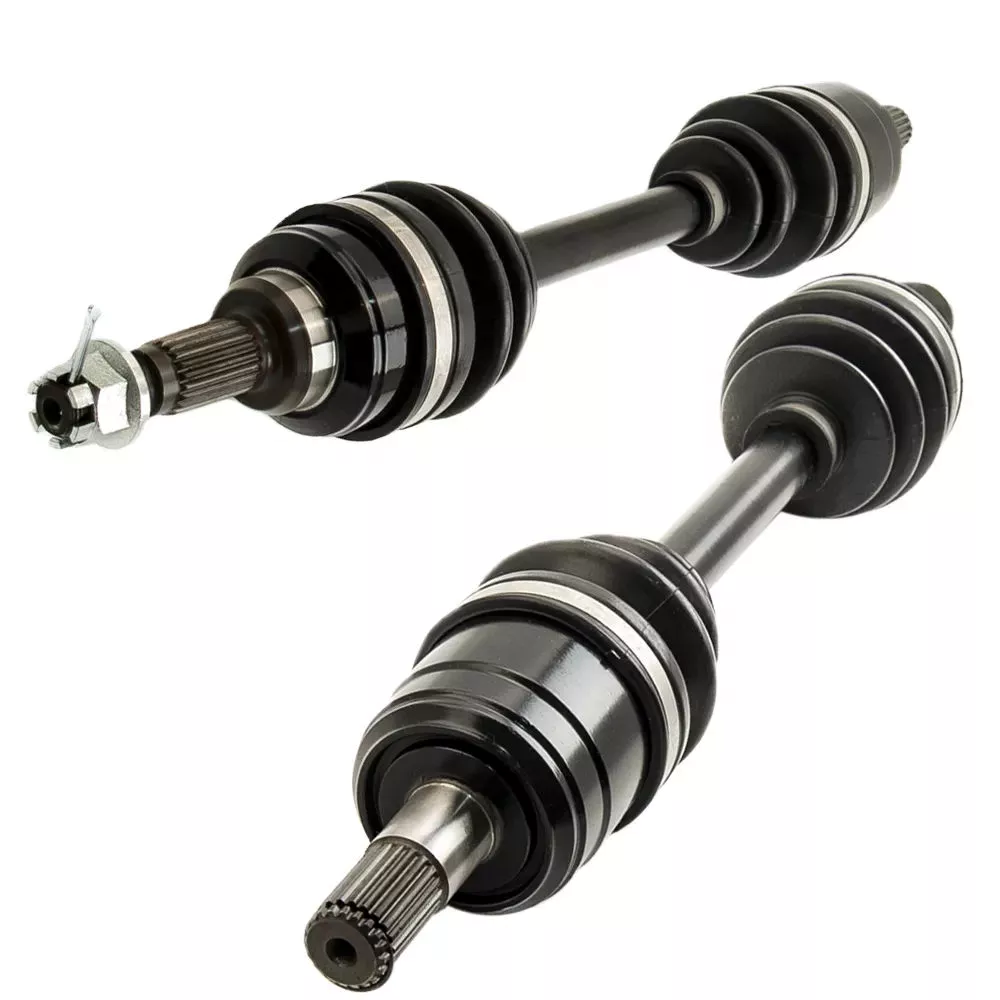
What safety precautions should be followed when working with PTO drive shafts?
Working with PTO (Power Take-Off) drive shafts requires strict adherence to safety precautions to prevent accidents and ensure the well-being of individuals operating or maintaining the equipment. Here are some important safety precautions to follow when working with PTO drive shafts:
1. Read and Understand the Manufacturer’s Instructions:
Before working with PTO drive shafts, carefully read and understand the manufacturer’s instructions, operating manuals, and safety guidelines. Familiarize yourself with the specific requirements and recommendations for the PTO drive shaft model being used. The manufacturer’s instructions provide essential information regarding installation, operation, maintenance, and safety precautions.
2. Wear Appropriate Personal Protective Equipment (PPE):
Always wear the necessary personal protective equipment (PPE) when working with PTO drive shafts. This may include safety glasses, protective gloves, steel-toed boots, and appropriate clothing. PPE helps protect against potential hazards such as flying debris, entanglement, or contact with rotating components.
3. Ensure Proper Installation and Alignment:
Follow the recommended installation procedures for the PTO drive shaft. Ensure that it is correctly aligned and securely attached to both the power source and the driven equipment. Improper installation or misalignment can lead to excessive vibration, premature wear, and potential dislodgement of the drive shaft during operation.
4. Use Safety Guards and Shields:
PTO drive shafts should be equipped with appropriate safety guards and shields. These protective devices help prevent accidental contact with rotating components and minimize the risk of entanglement. Ensure that the guards and shields are properly installed and in good working condition. Do not remove or bypass them during operation.
5. Avoid Loose Clothing, Jewelry, and Hair:
When working with PTO drive shafts, avoid wearing loose clothing, jewelry, or having long hair that can get entangled in the rotating components. Secure or remove any loose items that could pose a risk of entanglement or become caught in the drive shaft during operation.
6. Disconnect Power Before Maintenance:
Prior to performing any maintenance or inspection on the PTO drive shaft, ensure that the power source is completely shut off and the equipment is at a complete stop. Disconnect the power supply and take appropriate measures to prevent accidental startup, such as locking out and tagging out the power source.
7. Regularly Inspect and Maintain the Drive Shaft:
Regularly inspect the PTO drive shaft for signs of wear, damage, or misalignment. Check for loose or missing components, and ensure that all fasteners and connections are secure. Lubricate the drive shaft as recommended by the manufacturer. Promptly address any maintenance or repair needs to prevent further damage or potential safety hazards.
8. Be Cautious of Overload and Shock Loads:
Avoid subjecting the PTO drive shaft to excessive loads or sudden shock loads beyond its rated capacity. Overloading can lead to premature wear, component failure, and potential accidents. Ensure that the equipment being driven by the PTO drive shaft does not exceed its recommended load limits.
9. Provide Training and Awareness:
Ensure that individuals working with or around PTO drive shafts receive proper training and are aware of the associated risks and safety precautions. Training should cover installation procedures, safe operation, maintenance practices, and emergency procedures. Promote a safety-conscious culture and encourage reporting of any safety concerns or incidents.
10. Seek Professional Assistance When Needed:
If you’re unsure about any aspect of working with PTO drive shafts or encounter complex maintenance or repair needs, seek professional assistance. Consulting with qualified technicians, engineers, or the equipment manufacturer can help ensure that the work is carried out safely and effectively.
Remember, safety should always be the top priority when working with PTO drive shafts. Following these precautions helps minimize the risk of accidents, injuries, and equipment damage. It is essential to stay vigilant, exercise caution, and comply with relevant safety regulations and standards.

How do PTO drive shafts contribute to transferring power from tractors to implements?
PTO (Power Take-Off) drive shafts play a crucial role in transferring power from tractors to implements in agricultural and industrial applications. They provide a mechanical connection that enables the efficient and reliable transfer of rotational power from the tractor’s engine to various implements. Here’s a detailed explanation of how PTO drive shafts contribute to transferring power:
1. Power Source:
A tractor serves as the primary power source in agricultural operations. The engine of the tractor generates rotational power, which needs to be transmitted to the attached implements to perform specific tasks. The power generated by the engine is harnessed and transferred through the PTO drive shaft.
2. Eje de salida de la toma de fuerza:
Tractors are equipped with a PTO output shaft, typically located at the rear of the tractor. The PTO output shaft is specifically designed to transfer power to external devices, such as implements or machinery. The PTO drive shaft connects directly to this output shaft to receive power.
3. PTO Drive Shaft Configuration:
The PTO drive shaft consists of a rotating shaft with splines at both ends. These splines provide a secure and robust connection to the PTO output shaft of the tractor and the input shaft of the implement. The drive shaft is designed to transmit rotational power while accommodating the varying distance and alignment between the tractor and the implement.
4. Attachments and Implement Input Shaft:
The other end of the PTO drive shaft connects to the input shaft of the implement. The implement may have a specific attachment point or a PTO driveline connection designed to receive the drive shaft. The implement’s input shaft is precisely aligned with the drive shaft to ensure efficient power transfer.
5. Mechanical Power Transfer:
Once the PTO drive shaft is properly connected to both the tractor’s PTO output shaft and the implement’s input shaft, it serves as a mechanical link between the two. As the tractor’s engine runs, the rotational power generated by the engine is transferred through the PTO output shaft and into the drive shaft.
6. Rotational Power Delivery:
The PTO drive shaft rotates at the same speed as the tractor’s engine, effectively delivering the rotational power to the implement. The implement utilizes this power to drive its specific machinery or perform various tasks, such as cutting, tilling, mowing, or pumping.
7. Power Transmission Efficiency:
PTO drive shafts are designed to maximize power transmission efficiency. They are typically constructed using high-strength materials and precision engineering to minimize energy losses and ensure a reliable transfer of power. Proper maintenance, including lubrication and periodic inspections, is essential to maintain optimal power transmission efficiency.
8. Safety Considerations:
PTO drive shafts can pose safety risks if not used correctly. It is important to follow safety guidelines and ensure that the drive shaft is properly guarded to prevent contact with rotating components. Operators should also exercise caution during attachment and detachment procedures to avoid accidents or injuries.
In summary, PTO drive shafts serve as the vital link between tractors and implements, facilitating the transfer of rotational power. They provide a mechanical connection that efficiently transmits power from the tractor’s engine to the implement, enabling a wide range of agricultural and industrial tasks to be performed effectively and efficiently.


editor by CX 2024-03-02























