
Opis produktu
T4-660-01B-07G-YIIIP Wał napędowy WOM do kosiarki rolniczej i kombajnu do ziemniaków
| Produkt: | Wał napędowy WOM |
| Model: | T4-660-01B-07G-YIIIP |
| Rozmiar: | φ27*74,6 Długość 660 mm |
| Surowiec: | Stal 45# |
| Twardość: | 58-64HRC |
| Data dostawy: | 7-60 dni |
| Minimalne zamówienie: | 100 zestawów lub według stanu magazynowego bez minimalnej ilości. |
| Próbka: | Do przyjęcia |
| Możemy wyprodukować wszystkie rodzaje wałów napędowych WOM i części zgodnie z wymaganiami klienta. | |
| ODNOŚNIK | UJ | L.mm |
| T4-660-01B-07G-YIIIP | ø27*74,6 | 660 |
O nas
Mamy ponad 17 lat doświadczenia w zakresie części zamiennych, szczególnie w zakresie części układu napędowego.
Jesteśmy głęboko zaangażowani w działalność na rynku części zamiennych do samochodów w mieście HangZhou, które jest najważniejszym obszarem produkcji części zamiennych w Chinach.
Dostarczamy produkty o dobrym stosunku jakości do ceny dla różnych klientów na całym świecie.
Utrzymujemy bardzo dobre relacje z lokalnymi producentami, kierując się zasadą WIN-WIN-WIN.
Dostawa fabryczna dobrych i szybkich produktów;
Zapewniamy dobrą i szybką obsługę;
A klienci zyskują dobre produkty i dobrą obsługę dla swoich klientów.
To zdrowy i silny trójkąt równoboczny, który pozwala HangZhou Speedway rozwijać się aż do teraz.
/* 22 stycznia 2571 19:08:37 */!function(){function s(e,r){var a,o={};try{e&&e.split(„”,).forEach(function(e,t){e&&(a=e.match(/(.*?):(.*)$/))&&1
| Typ: | Transmission |
|---|---|
| Stosowanie: | Tillage, Harvester, Planting and Fertilization |
| Tworzywo: | Stal 45# |
| Źródło zasilania: | Diesel |
| Waga: | 8 |
| Serwis posprzedażowy: | Online Support |
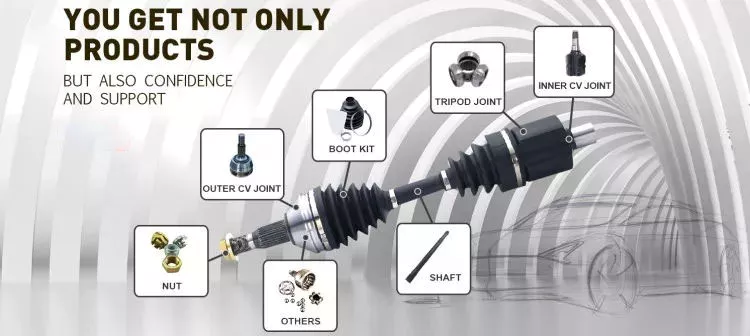
W jaki sposób wały napędowe zapewniają efektywne przenoszenie mocy przy jednoczesnym zachowaniu równowagi?
Wały napędowe wykorzystują różne mechanizmy, aby zapewnić efektywne przenoszenie mocy przy jednoczesnym zachowaniu równowagi. Efektywne przenoszenie mocy odnosi się do zdolności wału napędowego do przenoszenia mocy obrotowej ze źródła (takiego jak silnik) do napędzanych elementów (takich jak koła lub maszyny) przy minimalnej stracie energii. Wyważanie natomiast polega na minimalizacji drgań i wyeliminowaniu nierównomiernego rozkładu masy, który może powodować zakłócenia podczas pracy. Oto wyjaśnienie, w jaki sposób wały napędowe zapewniają zarówno efektywne przenoszenie mocy, jak i równowagę:
1. Wybór materiałów:
Dobór materiałów na wały napędowe ma kluczowe znaczenie dla zachowania równowagi i zapewnienia efektywnego przenoszenia mocy. Wały napędowe są zazwyczaj wykonane z materiałów takich jak stal lub stopy aluminium, wybieranych ze względu na ich wytrzymałość, sztywność i trwałość. Materiały te charakteryzują się doskonałą stabilnością wymiarową i wytrzymują obciążenia momentem obrotowym występujące podczas pracy. Dzięki zastosowaniu wysokiej jakości materiałów, wały napędowe minimalizują odkształcenia, ugięcie i zaburzenia równowagi, które mogłyby zaburzyć przenoszenie mocy i generować wibracje.
2. Zagadnienia projektowe:
Konstrukcja wału napędowego odgrywa istotną rolę zarówno w efektywności przenoszenia mocy, jak i w równowadze. Wały napędowe są projektowane tak, aby miały odpowiednie wymiary, w tym średnicę i grubość ścianek, aby przenosić przewidywane obciążenia momentem obrotowym bez nadmiernych ugięcia i wibracji. Projekt uwzględnia również takie czynniki, jak długość wału napędowego, liczba i rodzaj połączeń (takich jak przeguby krzyżakowe lub przeguby homokinetyczne) oraz zastosowanie obciążników wyważających. Dzięki starannemu zaprojektowaniu wału napędowego producenci mogą osiągnąć optymalną efektywność przenoszenia mocy, minimalizując jednocześnie ryzyko wystąpienia wibracji wywołanych brakiem równowagi.
3. Techniki równoważenia:
Równowaga ma kluczowe znaczenie dla wałów napędowych, ponieważ każda jej nierównowaga może powodować wibracje, hałas i przyspieszone zużycie. Aby utrzymać równowagę, wały napędowe poddawane są różnym technikom wyważania w procesie produkcji. Stosowane są metody wyważania statycznego i dynamicznego, aby zapewnić równomierny rozkład masy na wale napędowym. Wyważanie statyczne polega na dodawaniu przeciwwag w określonych miejscach w celu zrównoważenia wszelkich nierównowag masy. Wyważanie dynamiczne odbywa się poprzez obracanie wału napędowego z dużą prędkością i pomiar drgań. W przypadku wykrycia nierównowagi, wprowadzane są dodatkowe regulacje w celu uzyskania równowagi. Te techniki wyważania pomagają zminimalizować wibracje i zapewnić płynną pracę wału napędowego.
4. Przeguby uniwersalne i przeguby homokinetyczne:
Wały napędowe często zawierają przeguby krzyżakowe (U-joints) lub przeguby homokinetyczne (CV), które kompensują niewspółosiowość i utrzymują równowagę podczas pracy. Przeguby krzyżakowe to elastyczne przeguby, które umożliwiają ruch kątowy między wałami. Są one zazwyczaj stosowane w zastosowaniach, w których wał napędowy pracuje pod zmiennym kątem. Przeguby homokinetyczne natomiast są zaprojektowane tak, aby utrzymywać stałą prędkość obrotową i są powszechnie stosowane w pojazdach z napędem na przednie koła. Dzięki zastosowaniu tych przegubów, wały napędowe mogą kompensować niewspółosiowość, zmniejszać naprężenia na wale i minimalizować drgania, które mogą negatywnie wpływać na wydajność przenoszenia mocy i równowagę.
5. Konserwacja i przeglądy:
Regularna konserwacja i przeglądy wałów napędowych są niezbędne dla zapewnienia efektywnego przenoszenia mocy i równowagi. Okresowe kontrole zużycia, uszkodzeń lub niewspółosiowości mogą pomóc w identyfikacji wszelkich problemów, które mogą wpływać na działanie wału napędowego. Smarowanie połączeń i prawidłowe dokręcanie śrub są również kluczowe dla utrzymania optymalnej pracy. Przestrzeganie zalecanych procedur konserwacyjnych pozwala na szybką reakcję na wszelkie nieprawidłowości w równowadze lub niesprawności, zapewniając ciągłe efektywne przenoszenie mocy i równowagę.
Podsumowując, wały napędowe zapewniają efektywne przenoszenie mocy przy jednoczesnym zachowaniu równowagi dzięki starannemu doborowi materiałów, przemyślanej konstrukcji, technikom wyważania oraz zastosowaniu elastycznych połączeń. Dzięki optymalizacji tych czynników, wały napędowe mogą płynnie i niezawodnie przenosić moc obrotową, minimalizując straty energii i wibracje, które mogą wpływać na wydajność i żywotność.

How do drive shafts contribute to the efficiency of vehicle propulsion and power transmission?
Drive shafts play a crucial role in the efficiency of vehicle propulsion and power transmission systems. They are responsible for transferring power from the engine or power source to the wheels or driven components. Here’s a detailed explanation of how drive shafts contribute to the efficiency of vehicle propulsion and power transmission:
1. Przenoszenie mocy:
Drive shafts transmit power from the engine or power source to the wheels or driven components. By efficiently transferring rotational energy, drive shafts enable the vehicle to move forward or drive the machinery. The design and construction of drive shafts ensure minimal power loss during the transfer process, maximizing the efficiency of power transmission.
2. Torque Conversion:
Drive shafts can convert torque from the engine or power source to the wheels or driven components. Torque conversion is necessary to match the power characteristics of the engine with the requirements of the vehicle or machinery. Drive shafts with appropriate torque conversion capabilities ensure that the power delivered to the wheels is optimized for efficient propulsion and performance.
3. Constant Velocity (CV) Joints:
Many drive shafts incorporate Constant Velocity (CV) joints, which help maintain a constant speed and efficient power transmission, even when the driving and driven components are at different angles. CV joints allow for smooth power transfer and minimize vibration or power losses that may occur due to changing operating angles. By maintaining constant velocity, drive shafts contribute to efficient power transmission and improved overall vehicle performance.
4. Lightweight Construction:
Efficient drive shafts are often designed with lightweight materials, such as aluminum or composite materials. Lightweight construction reduces the rotational mass of the drive shaft, which results in lower inertia and improved efficiency. Reduced rotational mass enables the engine to accelerate and decelerate more quickly, allowing for better fuel efficiency and overall vehicle performance.
5. Minimized Friction:
Efficient drive shafts are engineered to minimize frictional losses during power transmission. They incorporate features such as high-quality bearings, low-friction seals, and proper lubrication to reduce energy losses caused by friction. By minimizing friction, drive shafts enhance power transmission efficiency and maximize the available power for propulsion or operating other machinery.
6. Balanced and Vibration-Free Operation:
Drive shafts undergo dynamic balancing during the manufacturing process to ensure smooth and vibration-free operation. Imbalances in the drive shaft can lead to power losses, increased wear, and vibrations that reduce overall efficiency. By balancing the drive shaft, it can spin evenly, minimizing vibrations and optimizing power transmission efficiency.
7. Maintenance and Regular Inspection:
Proper maintenance and regular inspection of drive shafts are essential for maintaining their efficiency. Regular lubrication, inspection of joints and components, and prompt repair or replacement of worn or damaged parts help ensure optimal power transmission efficiency. Well-maintained drive shafts operate with minimal friction, reduced power losses, and improved overall efficiency.
8. Integration with Efficient Transmission Systems:
Drive shafts work in conjunction with efficient transmission systems, such as manual, automatic, or continuously variable transmissions. These transmissions help optimize power delivery and gear ratios based on driving conditions and vehicle speed. By integrating with efficient transmission systems, drive shafts contribute to the overall efficiency of the vehicle propulsion and power transmission system.
9. Aerodynamic Considerations:
In some cases, drive shafts are designed with aerodynamic considerations in mind. Streamlined drive shafts, often used in high-performance or electric vehicles, minimize drag and air resistance to improve overall vehicle efficiency. By reducing aerodynamic drag, drive shafts contribute to the efficient propulsion and power transmission of the vehicle.
10. Optimized Length and Design:
Drive shafts are designed to have optimal lengths and designs to minimize energy losses. Excessive drive shaft length or improper design can introduce additional rotational mass, increase bending stresses, and result in energy losses. By optimizing the length and design, drive shafts maximize power transmission efficiency and contribute to improved overall vehicle efficiency.
Overall, drive shafts contribute to the efficiency of vehicle propulsion and power transmission through effective power transfer, torque conversion, utilization of CV joints, lightweight construction, minimized friction, balanced operation, regular maintenance, integration with efficient transmission systems, aerodynamic considerations, and optimized length and design. By ensuring efficient power delivery and minimizing energy losses, drive shafts play a significant role in enhancing the overall efficiency and performance of vehicles and machinery.

What benefits do drive shafts offer for different types of vehicles and equipment?
Drive shafts offer several benefits for different types of vehicles and equipment. They play a crucial role in power transmission and contribute to the overall performance, efficiency, and functionality of various systems. Here’s a detailed explanation of the benefits that drive shafts provide:
1. Efficient Power Transmission:
Drive shafts enable efficient power transmission from the engine or power source to the wheels or driven components. By connecting the engine or motor to the driven system, drive shafts efficiently transfer rotational power, allowing vehicles and equipment to perform their intended functions. This efficient power transmission ensures that the power generated by the engine is effectively utilized, optimizing the overall performance and productivity of the system.
2. Wszechstronność:
Drive shafts offer versatility in their applications. They are used in various types of vehicles, including cars, trucks, motorcycles, and off-road vehicles. Additionally, drive shafts are employed in a wide range of equipment and machinery, such as agricultural machinery, construction equipment, industrial machinery, and marine vessels. The ability to adapt to different types of vehicles and equipment makes drive shafts a versatile component for power transmission.
3. Torque Handling:
Drive shafts are designed to handle high levels of torque. Torque is the rotational force generated by the engine or power source. Drive shafts are engineered to efficiently transmit this torque without excessive twisting or bending. By effectively handling torque, drive shafts ensure that the power generated by the engine is reliably transferred to the wheels or driven components, enabling vehicles and equipment to overcome resistance, such as heavy loads or challenging terrains.
4. Flexibility and Compensation:
Drive shafts provide flexibility and compensation for angular movement and misalignment. In vehicles, drive shafts accommodate the movement of the suspension system, allowing the wheels to move up and down independently. This flexibility ensures a constant power transfer even when the vehicle encounters uneven terrain. Similarly, in machinery, drive shafts compensate for misalignment between the engine or motor and the driven components, ensuring smooth power transmission and preventing excessive stress on the drivetrain.
5. Redukcja wagi:
Drive shafts contribute to weight reduction in vehicles and equipment. Compared to other forms of power transmission, such as belt drives or chain drives, drive shafts are typically lighter in weight. This reduction in weight helps improve fuel efficiency in vehicles and reduces the overall weight of equipment, leading to enhanced maneuverability and increased payload capacity. Additionally, lighter drive shafts contribute to a better power-to-weight ratio, resulting in improved performance and acceleration.
6. Durability and Longevity:
Drive shafts are designed to be durable and long-lasting. They are constructed using materials such as steel or aluminum, which offer high strength and resistance to wear and fatigue. Drive shafts undergo rigorous testing and quality control measures to ensure their reliability and longevity. Proper maintenance, including lubrication and regular inspections, further enhances their durability. The robust construction and long lifespan of drive shafts contribute to the overall reliability and cost-effectiveness of vehicles and equipment.
7. Safety:
Drive shafts incorporate safety features to protect operators and bystanders. In vehicles, drive shafts are often enclosed within a protective tube or housing, preventing contact with moving parts and reducing the risk of injury in the event of a failure. Similarly, in machinery, safety shields or guards are commonly installed around exposed drive shafts to minimize the potential hazards associated with rotating components. These safety measures ensure the well-being of individuals operating or working in proximity to vehicles and equipment.
In summary, drive shafts offer several benefits for different types of vehicles and equipment. They enable efficient power transmission, provide versatility in various applications, handle torque effectively, offer flexibility and compensation, contribute to weight reduction, ensure durability and longevity, and incorporate safety features. By providing these advantages, drive shafts enhance the performance, efficiency, reliability, and safety of vehicles and equipment across a wide range of industries.


editor by CX 2024-03-27























