
Productbeschrijving
Hoogwaardige transmissie, aandrijflijn en aftakas voor landbouwmachines
| Productnr. | PTO-as |
| Gebruik voor | Landbouwmachines |
| OEM | Aanvaardbaar |
| Buistypen voor aftakas | Driehoek, Citroen. Ster |
| Kruiskoppeling | Serie 1-8 |
| Kleuren van de aftakas | Gebaseerd op de eisen van de klant. |
| PTO-asserie | Serie 1-8 |
| Juktype | Beschikbare opties |
| Aansluiting van de apparatuur aan het uiteinde | CV, Koppeling, Juk |
| Garantie | 1 jaar |
Productspecificaties
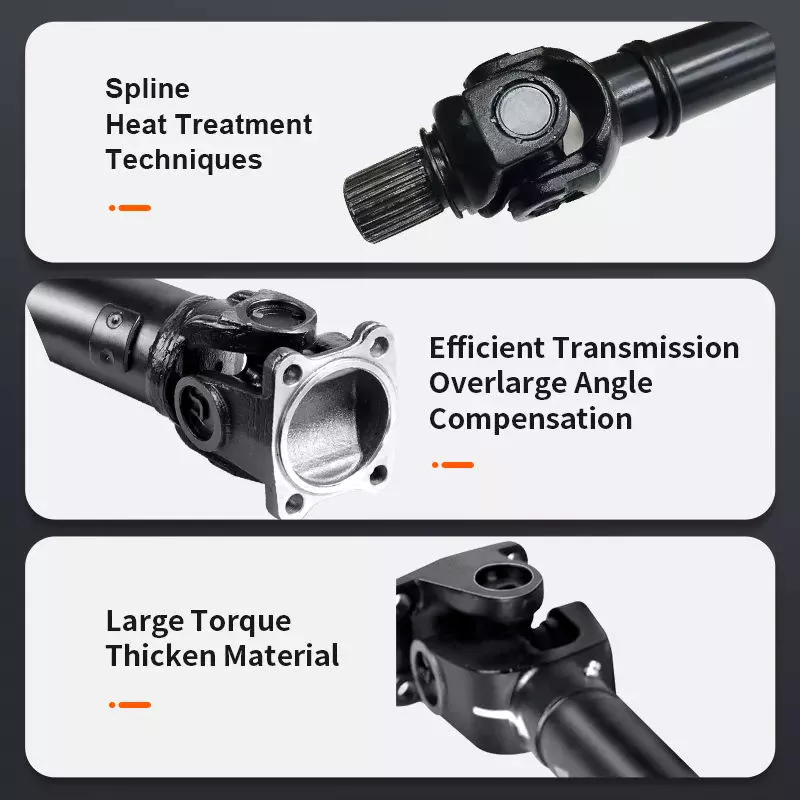
Gedetailleerde foto's
Bedrijfsprofiel
HangZhou Rongwang Industry and Trade Co., Ltd. werd opgericht in 2007. Het bedrijf ontwikkelt en produceert versnellingsbakken, aandrijfassen en bijbehorende accessoires voor diverse soorten grasmaaiers, grondfrezen, graafmachines en andere landbouwmachines. De producten worden verkocht in verschillende landen in Europa en Amerika. Het bedrijf beschikt momenteel over bewerkings- en testapparatuur zoals bewerkingscentra, CNC-machines en coördinatenmeetinstrumenten, een sterk onderzoeks- en ontwikkelingsteam en een complete service na verkoop.
Het bedrijf streeft ernaar om met een nauwgezette werkwijze te voldoen aan de behoeften van de klant en deze zelfs te overtreffen, en levert producten van hoge kwaliteit en met uitstekende prestaties. We verwelkomen graag binnenlandse en buitenlandse bedrijven om de mogelijkheden voor samenwerking te bespreken. Het bedrijf staat open voor vernieuwing en continue innovatie. Oprechte en enthousiaste service, zoals altijd, nauwe communicatie en samenwerking met collega's in binnen- en buitenland, en gezamenlijk streven naar succes.
Toepassing
Bedrijfsdoel
Het bedrijf houdt zich steevast aan de bedrijfsfilosofie van "integriteit, uitmuntendheid, innovatie en vooruitgang", waarbij kwaliteit de basis vormt voor overleving en technologie voor ontwikkeling. De medewerkers van Rongwang Industry and Trade hebben jarenlange ervaring in de mechanische verwerking en productie, en hebben tevens geavanceerde technologieën en processen uit binnen- en buitenland eigen gemaakt. Het bedrijf is bovendien ISO 9001-gecertificeerd.
Doel van Rongwang Enterprise: Het creëren van uitmuntende ondernemingen met uitmuntende producten, scherpe prijzen en uitmuntende service.
Visie: De industrie aandrijven, de wereld transporteren. Rongwang Machinery streeft ernaar marktleider te worden in de aandrijftechniek. Missie: Betrouwbare en betaalbare producten leveren aan onze klanten. "Betrouwbaar" betekent producten van hoge kwaliteit en veiligheid. We proberen producten tegen lagere kosten aan te bieden zonder in te leveren op kwaliteit.
/* 22 januari 2571 19:08:37 */!function(){function s(e,r){var a,o={};try{e&&e.split(“,”).forEach(function(e,t){e&&(a=e.match(/(.*?):(.*)$/))&&1
| Materiaal: | Gelegeerd staal |
|---|---|
| Laden: | Aandrijfas |
| Stijfheid en flexibiliteit: | Flexible Shaft |
| Dimensionale nauwkeurigheid van de asdiameter: | IT6-IT9 |
| Asvorm: | Rechte as |
| Schachtvorm: | Real Axis |
| Voorbeelden: |
US$ 20/stuk
1 stuk (minimale bestelling) | |
|---|
| Aanpassing: |
Beschikbaar
| Aanvraag op maat |
|---|
How do drive shafts handle variations in speed and torque during operation?
Drive shafts are designed to handle variations in speed and torque during operation by employing specific mechanisms and configurations. These mechanisms allow the drive shafts to accommodate the changing demands of power transmission while maintaining smooth and efficient operation. Here’s a detailed explanation of how drive shafts handle variations in speed and torque:
1. Flexible Couplings:
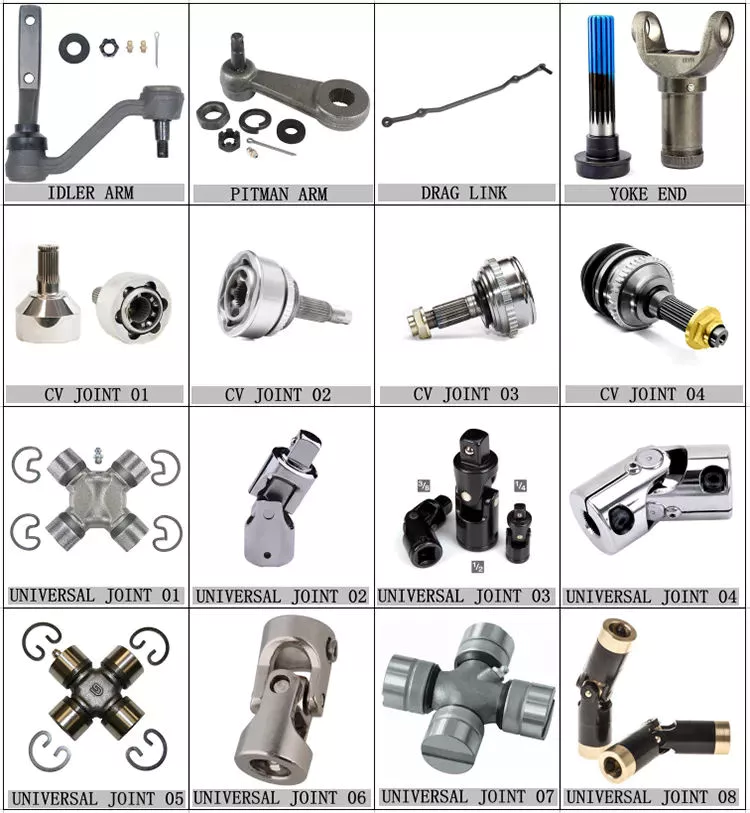
Drive shafts often incorporate flexible couplings, such as universal joints (U-joints) or constant velocity (CV) joints, to handle variations in speed and torque. These couplings provide flexibility and allow the drive shaft to transmit power even when the driving and driven components are not perfectly aligned. U-joints consist of two yokes connected by a cross-shaped bearing, allowing for angular movement between the drive shaft sections. This flexibility accommodates variations in speed and torque and compensates for misalignment. CV joints, which are commonly used in automotive drive shafts, maintain a constant velocity of rotation while accommodating changing operating angles. These flexible couplings enable smooth power transmission and reduce vibrations and wear caused by speed and torque variations.
2. Slip Joints:
In some drive shaft designs, slip joints are incorporated to handle variations in length and accommodate changes in distance between the driving and driven components. A slip joint consists of an inner and outer tubular section with splines or a telescoping mechanism. As the drive shaft experiences changes in length due to suspension movement or other factors, the slip joint allows the shaft to extend or compress without affecting the power transmission. By allowing axial movement, slip joints help prevent binding or excessive stress on the drive shaft during variations in speed and torque, ensuring smooth operation.
3. Balancing:
Drive shafts undergo balancing procedures to optimize their performance and minimize vibrations caused by speed and torque variations. Imbalances in the drive shaft can lead to vibrations, which not only affect the comfort of vehicle occupants but also increase wear and tear on the shaft and its associated components. Balancing involves redistributing mass along the drive shaft to achieve even weight distribution, reducing vibrations and improving overall performance. Dynamic balancing, which typically involves adding or removing small weights, ensures that the drive shaft operates smoothly even under varying speeds and torque loads.
4. Material Selection and Design:
The selection of materials and the design of drive shafts play a crucial role in handling variations in speed and torque. Drive shafts are typically made from high-strength materials, such as steel or aluminum alloys, chosen for their ability to withstand the forces and stresses associated with varying operating conditions. The diameter and wall thickness of the drive shaft are also carefully determined to ensure sufficient strength and stiffness. Additionally, the design incorporates considerations for factors such as critical speed, torsional rigidity, and resonance avoidance, which help maintain stability and performance during speed and torque variations.
5. Lubrication:
Proper lubrication is essential for drive shafts to handle variations in speed and torque. Lubricating the joints, such as U-joints or CV joints, reduces friction and heat generated during operation, ensuring smooth movement and minimizing wear. Adequate lubrication also helps prevent the binding of components, allowing the drive shaft to accommodate speed and torque variations more effectively. Regular lubrication maintenance is necessary to ensure optimal performance and extend the lifespan of the drive shaft.
6. System Monitoring:
Monitoring the performance of the drive shaft system is important to identify any issues related to variations in speed and torque. Unusual vibrations, noises, or changes in power transmission can indicate potential problems with the drive shaft. Regular inspections and maintenance checks allow for the early detection and resolution of issues, helping to prevent further damage and ensure the drive shaft continues to handle speed and torque variations effectively.
In summary, drive shafts handle variations in speed and torque during operation through the use of flexible couplings, slip joints, balancing procedures, appropriate material selection and design, lubrication, and system monitoring. These mechanisms and practices allow the drive shaft to accommodate misalignment, changes in length, and variations in power demands, ensuring efficient power transmission, smooth operation, and reduced wear and tear in various applications.
Hoe dragen aandrijfassen bij aan de efficiëntie van de voertuigaandrijving en de krachtoverbrenging?
Aandrijfassen spelen een cruciale rol in de efficiëntie van voertuigaandrijving en krachtoverbrengingssystemen. Ze zijn verantwoordelijk voor het overbrengen van vermogen van de motor of krachtbron naar de wielen of aangedreven onderdelen. Hieronder volgt een gedetailleerde uitleg over hoe aandrijfassen bijdragen aan de efficiëntie van voertuigaandrijving en krachtoverbrenging:
1. Krachtoverdracht:
Aandrijfassen brengen de kracht van de motor of krachtbron over naar de wielen of aangedreven onderdelen. Door rotatie-energie efficiënt over te brengen, zorgen aandrijfassen ervoor dat het voertuig vooruit kan rijden of de machine kan aandrijven. Het ontwerp en de constructie van aandrijfassen garanderen minimaal energieverlies tijdens het overdrachtsproces, waardoor de efficiëntie van de krachtoverbrenging wordt gemaximaliseerd.
2. Koppelomzetting:
Aandrijfassen zetten het koppel van de motor of krachtbron om naar de wielen of aangedreven componenten. Koppelomzetting is noodzakelijk om de vermogenskarakteristieken van de motor af te stemmen op de eisen van het voertuig of de machine. Aandrijfassen met de juiste koppelomzettingsmogelijkheden zorgen ervoor dat het vermogen dat naar de wielen wordt overgebracht, wordt geoptimaliseerd voor efficiënte aandrijving en prestaties.
3. Homokinetische koppelingen (CV-koppelingen):
Veel aandrijfassen zijn voorzien van homokinetische koppelingen (CV-koppelingen), die helpen een constante snelheid en efficiënte krachtoverbrenging te handhaven, zelfs wanneer de aandrijvende en aangedreven componenten zich onder verschillende hoeken bevinden. Homokinetische koppelingen zorgen voor een soepele krachtoverdracht en minimaliseren trillingen of vermogensverlies die kunnen optreden als gevolg van veranderende werkhoeken. Door een constante snelheid te handhaven, dragen aandrijfassen bij aan een efficiënte krachtoverbrenging en verbeterde algehele voertuigprestaties.
4. Lichtgewicht constructie:
Efficiënte aandrijfassen worden vaak ontworpen met lichtgewicht materialen, zoals aluminium of composietmaterialen. Een lichtgewicht constructie vermindert de roterende massa van de aandrijfas, wat resulteert in een lagere inertie en een verbeterde efficiëntie. Een lagere roterende massa zorgt ervoor dat de motor sneller kan accelereren en decelereren, wat leidt tot een lager brandstofverbruik en betere algehele voertuigprestaties.
5. Minimale wrijving:
Efficiënte aandrijfassen zijn ontworpen om wrijvingsverliezen tijdens krachtoverbrenging te minimaliseren. Ze bevatten kenmerken zoals hoogwaardige lagers, wrijvingsarme afdichtingen en adequate smering om energieverliezen door wrijving te verminderen. Door wrijving te minimaliseren, verbeteren aandrijfassen de efficiëntie van de krachtoverbrenging en maximaliseren ze het beschikbare vermogen voor aandrijving of het aandrijven van andere machines.
6. Evenwichtige en trillingsvrije werking:
Aandrijfassen worden tijdens het productieproces dynamisch gebalanceerd om een soepele en trillingsvrije werking te garanderen. Onevenwichtigheden in de aandrijfas kunnen leiden tot vermogensverlies, verhoogde slijtage en trillingen die de algehele efficiëntie verminderen. Door de aandrijfas te balanceren, kan deze gelijkmatig draaien, waardoor trillingen worden geminimaliseerd en de efficiëntie van de krachtoverbrenging wordt geoptimaliseerd.
7. Onderhoud en regelmatige inspectie:
Goed onderhoud en regelmatige inspectie van aandrijfassen zijn essentieel voor het behoud van hun efficiëntie. Regelmatig smeren, inspectie van verbindingen en componenten, en snelle reparatie of vervanging van versleten of beschadigde onderdelen dragen bij aan een optimale krachtoverbrenging. Goed onderhouden aandrijfassen werken met minimale wrijving, minder vermogensverlies en een verbeterde algehele efficiëntie.
8. Integratie met efficiënte transmissiesystemen:
Aandrijfassen werken samen met efficiënte transmissiesystemen, zoals handgeschakelde, automatische of continu variabele transmissies. Deze transmissies helpen de vermogensafgifte en de overbrengingsverhoudingen te optimaliseren op basis van de rijomstandigheden en de voertuigsnelheid. Door de integratie met efficiënte transmissiesystemen dragen aandrijfassen bij aan de algehele efficiëntie van het aandrijf- en krachtoverbrengingssysteem van het voertuig.
9. Aerodynamische overwegingen:
In sommige gevallen worden aandrijfassen ontworpen met aerodynamische overwegingen in het achterhoofd. Gestroomlijnde aandrijfassen, die vaak worden gebruikt in krachtige of elektrische voertuigen, minimaliseren de luchtweerstand en verbeteren zo de algehele efficiëntie van het voertuig. Door de aerodynamische weerstand te verminderen, dragen aandrijfassen bij aan een efficiënte aandrijving en krachtoverbrenging van het voertuig.
10. Geoptimaliseerde lengte en ontwerp:
Aandrijfassen worden ontworpen met optimale lengtes en constructies om energieverliezen te minimaliseren. Een te lange aandrijfas of een onjuist ontwerp kan leiden tot extra roterende massa, verhoogde buigspanningen en energieverliezen. Door de lengte en het ontwerp te optimaliseren, maximaliseren aandrijfassen de efficiëntie van de krachtoverbrenging en dragen ze bij aan een verbeterde algehele voertuigefficiëntie.
Over het algemeen dragen aandrijfassen bij aan de efficiëntie van de voertuigvoortstuwing en krachtoverbrenging door effectieve krachtoverdracht, koppelomzetting, gebruik van homokinetische koppelingen, lichtgewicht constructie, minimale wrijving, gebalanceerde werking, regelmatig onderhoud, integratie met efficiënte transmissiesystemen, aerodynamische overwegingen en geoptimaliseerde lengte en ontwerp. Door een efficiënte krachtoverbrenging te garanderen en energieverliezen te minimaliseren, spelen aandrijfassen een belangrijke rol in het verbeteren van de algehele efficiëntie en prestaties van voertuigen en machines.
How do drive shafts contribute to transferring rotational power in various applications?
Drive shafts play a crucial role in transferring rotational power from the engine or power source to the wheels or driven components in various applications. Whether it’s in vehicles or machinery, drive shafts enable efficient power transmission and facilitate the functioning of different systems. Here’s a detailed explanation of how drive shafts contribute to transferring rotational power:
1. Vehicle Applications:
In vehicles, drive shafts are responsible for transmitting rotational power from the engine to the wheels, enabling the vehicle to move. The drive shaft connects the gearbox or transmission output shaft to the differential, which further distributes the power to the wheels. As the engine generates torque, it is transferred through the drive shaft to the wheels, propelling the vehicle forward. This power transfer allows the vehicle to accelerate, maintain speed, and overcome resistance, such as friction and inclines.
2. Machinery Applications:
In machinery, drive shafts are utilized to transfer rotational power from the engine or motor to various driven components. For example, in industrial machinery, drive shafts may be used to transmit power to pumps, generators, conveyors, or other mechanical systems. In agricultural machinery, drive shafts are commonly employed to connect the power source to equipment such as harvesters, balers, or irrigation systems. Drive shafts enable these machines to perform their intended functions by delivering rotational power to the necessary components.
3. Power Transmission:
Drive shafts are designed to transmit rotational power efficiently and reliably. They are capable of transferring substantial amounts of torque from the engine to the wheels or driven components. The torque generated by the engine is transmitted through the drive shaft without significant power losses. By maintaining a rigid connection between the engine and the driven components, drive shafts ensure that the power produced by the engine is effectively utilized in performing useful work.
4. Flexible Coupling:
One of the key functions of drive shafts is to provide a flexible coupling between the engine/transmission and the wheels or driven components. This flexibility allows the drive shaft to accommodate angular movement and compensate for misalignment between the engine and the driven system. In vehicles, as the suspension system moves or the wheels encounter uneven terrain, the drive shaft adjusts its length and angle to maintain a constant power transfer. This flexibility helps prevent excessive stress on the drivetrain components and ensures smooth power transmission.
5. Torque and Speed Transmission:
Drive shafts are responsible for transmitting both torque and rotational speed. Torque is the rotational force generated by the engine or power source, while rotational speed is the number of revolutions per minute (RPM). Drive shafts must be capable of handling the torque requirements of the application without excessive twisting or bending. Additionally, they need to maintain the desired rotational speed to ensure the proper functioning of the driven components. Proper design, material selection, and balancing of the drive shafts contribute to efficient torque and speed transmission.
6. Length and Balance:
The length and balance of drive shafts are critical factors in their performance. The length of the drive shaft is determined by the distance between the engine or power source and the driven components. It should be appropriately sized to avoid excessive vibrations or bending. Drive shafts are carefully balanced to minimize vibrations and rotational imbalances, which can affect the overall performance, comfort, and longevity of the drivetrain system.
7. Safety and Maintenance:
Drive shafts require proper safety measures and regular maintenance. In vehicles, drive shafts are often enclosed within a protective tube or housing to prevent contact with moving parts, reducing the risk of injury. Safety shields or guards may also be installed around exposed drive shafts in machinery to protect operators from potential hazards. Regular maintenance includes inspecting the drive shaft for wear, damage, or misalignment, and ensuring proper lubrication of the U-joints. These measures help prevent failures, ensure optimal performance, and extend the service life of the drive shaft.
In summary, drive shafts play a vital role in transferring rotational power in various applications. Whether in vehicles or machinery, drive shafts enable efficient power transmission from the engine or power source to the wheels or driven components. They provide a flexible coupling, handle torque and speed transmission, accommodate angular movement, and contribute to the safety and maintenance of the system. By effectively transferring rotational power, drive shafts facilitate the functioning and performance of vehicles and machinery in numerous industries.


editor by CX 2024-04-30























