
Productbeschrijving
Productbeschrijving
Basic Info.
| Model NO. | Parts | Auto Parts For Center Support Bearing | ||||||||
| Specificatie | Bearing ID 20-85mm | Trademark | YTK or Customized | |||||||
| Price | Negotiable | Transport Packing | Neutral Packing & Customized | |||||||
| Exportation | ZheJiang Port | Bearing Quality | ZV3 Level | |||||||
| Garantie | One Year or Above | Laser Mark | Beschikbaar | |||||||
| Applicable Models | Production Capacity | 60, | Φ30 | CB | Φ35 Φ40 | 3535730 | Φ60 | |||
| Φ60 | Φ60 | 6 | Φ65 |
-FAQ:
Q1. What is your terms of packing?
Generally, we pack our goods in neutral boxes and brown cartons or as your demand.
If you have legally registered patent,we can pack the goods in your branded boxes after getting your authorization letters.
Q2. What is your terms of delivery?
EXW, FOB, CIF, CFR
Q3. How about your delivery time?
Generally, it will take 10 to 30 days after receiving your advance payment.
The specific delivery time depends on the items and the quantity of your order.
/* March 10, 2571 17:59:20 */!function(){function s(e,r){var a,o={};try{e&&e.split(“,”).forEach(function(e,t){e&&(a=e.match(/(.*?):(.*)$/))&&1
| Klantenservice na aankoop: | 1 jaar |
|---|---|
| Voorwaarde: | Nieuw |
| Color: | Black |
| Certificering: | ISO |
| Materiaal: | Rubber |
| Transportpakket: | as Your Demand |
| Voorbeelden: |
US$ 0.1/Piece
1 stuk (minimale bestelling) | |
|---|
| Aanpassing: |
Beschikbaar
| Aanvraag op maat |
|---|
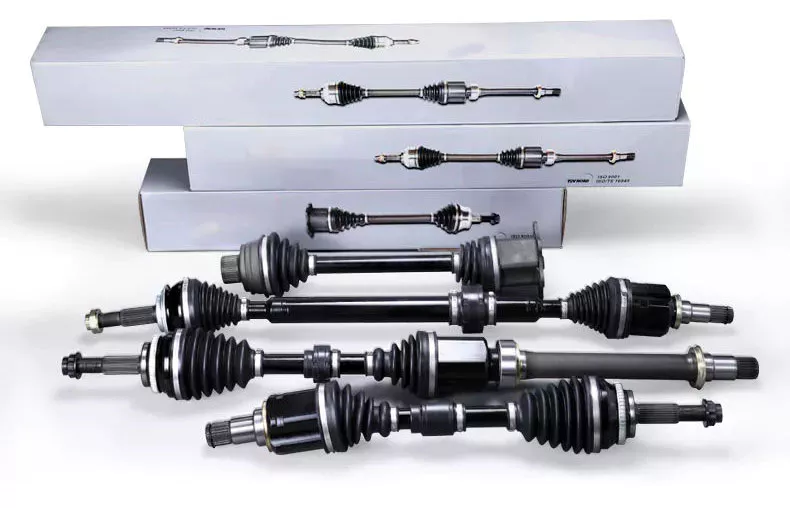
Welke onderhoudsprocedures zijn cruciaal voor het verlengen van de levensduur van aandrijfassen?
Om de levensduur van aandrijfassen te verlengen en optimale prestaties te garanderen, zijn diverse onderhoudsprocedures cruciaal. Regelmatig onderhoud helpt potentiële problemen te identificeren en aan te pakken voordat ze escaleren, vermindert slijtage en zorgt ervoor dat de aandrijfas soepel en efficiënt werkt. Hieronder volgen enkele essentiële onderhoudsprocedures om de levensduur van aandrijfassen te verlengen:
1. Regelmatige inspectie:
Regelmatige inspecties zijn essentieel om slijtage, schade of verkeerde uitlijning tijdig te detecteren. Inspecteer de aandrijfas visueel op scheuren, deuken of andere tekenen van overmatige slijtage aan de as zelf en de bijbehorende onderdelen zoals koppelingen, jukken en spiebanen. Controleer op lekkage van smeermiddel of vervuiling. Controleer bovendien de bevestigingsmiddelen en montagepunten om er zeker van te zijn dat ze goed vastzitten. Vroegtijdige detectie van problemen maakt tijdige reparaties of vervangingen mogelijk, waardoor verdere schade aan de aandrijfas wordt voorkomen.
2. Smering:
Een goede smering is essentieel voor een soepele werking en een lange levensduur van aandrijfassen. Smeer de koppelingen, zoals kruiskoppelingen of homokinetische koppelingen, volgens de aanbevelingen van de fabrikant. Smering vermindert wrijving, minimaliseert slijtage en helpt de warmte die tijdens gebruik ontstaat af te voeren. Gebruik het juiste smeermiddel dat is voorgeschreven voor de specifieke aandrijfas en toepassing, rekening houdend met factoren zoals temperatuur, belasting en bedrijfsomstandigheden. Controleer regelmatig het smeerniveau en vul indien nodig bij om optimale prestaties te garanderen en voortijdige slijtage te voorkomen.
3. Balanceren en afstemmen:
Een goede balans en uitlijning zijn cruciaal voor de levensduur van aandrijfassen. Onevenwichtigheden of verkeerde uitlijning kunnen leiden tot trillingen, versnelde slijtage en uiteindelijk tot defecten. Als er tijdens gebruik trillingen of ongebruikelijke geluiden worden waargenomen, is het belangrijk om deze direct te verhelpen. Voer indien nodig balanceerprocedures uit, inclusief dynamisch balanceren, om een gelijkmatige gewichtsverdeling over de aandrijfas te garanderen. Controleer bovendien of de aandrijfas correct is uitgelijnd met de motor of krachtbron en de aangedreven componenten. Een verkeerde uitlijning kan leiden tot overmatige spanning op de aandrijfas en daardoor tot voortijdige slijtage.
4. Beschermende coatings:
Het aanbrengen van beschermende coatings kan de levensduur van aandrijfassen verlengen, met name in toepassingen die worden blootgesteld aan zware omstandigheden of corrosieve stoffen. Overweeg coatings zoals verzinken, poedercoaten of speciale corrosiebestendige coatings om de weerstand van de aandrijfas tegen corrosie, roest en chemische schade te verbeteren. Controleer de coating regelmatig op tekenen van slijtage of beschadiging en breng indien nodig een nieuwe laag aan of repareer de schade om de beschermende laag te behouden.
5. Controle van het aanhaalmoment en de bevestigingsmiddelen:
Zorg ervoor dat de bevestigingsmiddelen van de aandrijfas, zoals bouten, moeren of klemmen, correct zijn vastgedraaid en vastgezet volgens de specificaties van de fabrikant. Losse of onjuist vastgedraaide bevestigingsmiddelen kunnen leiden tot overmatige trillingen, verkeerde uitlijning of zelfs het losraken van de aandrijfas. Controleer en draai de bevestigingsmiddelen periodiek vast zoals aanbevolen of na onderhouds- of reparatiewerkzaamheden. Houd bovendien het aanhaalmoment tijdens gebruik in de gaten om ervoor te zorgen dat het binnen het gespecificeerde bereik blijft, aangezien een te hoog aanhaalmoment de aandrijfas kan belasten en tot voortijdige slijtage kan leiden.
6. Milieubescherming:
Het beschermen van de aandrijfas tegen omgevingsinvloeden kan de levensduur aanzienlijk verlengen. Bij toepassingen die worden blootgesteld aan extreme temperaturen, vocht, chemicaliën of schurende stoffen, moeten passende maatregelen worden genomen om de aandrijfas te beschermen. Dit kan onder meer het gebruik van beschermkappen, afdichtingen of afschermingen omvatten om te voorkomen dat verontreinigingen binnendringen en schade veroorzaken. Regelmatige reiniging van de aandrijfas, met name in vuile of corrosieve omgevingen, kan ook helpen om vuil te verwijderen en ophoping te voorkomen die de prestaties en levensduur in gevaar kan brengen.
7. Richtlijnen van de fabrikant:
Volg de richtlijnen en aanbevelingen van de fabrikant voor onderhoud, specifiek voor het model en de toepassing van de aandrijfas. De instructies van de fabrikant kunnen specifieke intervallen bevatten voor inspecties, smering, balanceren of andere onderhoudstaken. Door deze richtlijnen te volgen, zorgt u ervoor dat de aandrijfas correct wordt onderhouden en geserviced, waardoor de levensduur wordt gemaximaliseerd en het risico op onverwachte storingen wordt geminimaliseerd.
Door deze onderhoudsprocedures toe te passen, kunnen aandrijfassen betrouwbaar functioneren, een efficiënte krachtoverbrenging behouden en een langere levensduur hebben, waardoor uiteindelijk de stilstandtijd wordt verminderd en optimale prestaties in diverse toepassingen worden gegarandeerd.

How do drive shafts enhance the performance of automobiles and trucks?
Drive shafts play a significant role in enhancing the performance of automobiles and trucks. They contribute to various aspects of vehicle performance, including power delivery, traction, handling, and overall efficiency. Here’s a detailed explanation of how drive shafts enhance the performance of automobiles and trucks:
1. Power Delivery: Drive shafts are responsible for transmitting power from the engine to the wheels, enabling the vehicle to move forward. By efficiently transferring power without significant losses, drive shafts ensure that the engine’s power is effectively utilized, resulting in improved acceleration and overall performance. Well-designed drive shafts with minimal power loss contribute to the vehicle’s ability to deliver power to the wheels efficiently.
2. Torque Transfer: Drive shafts facilitate the transfer of torque from the engine to the wheels. Torque is the rotational force that drives the vehicle forward. High-quality drive shafts with proper torque conversion capabilities ensure that the torque generated by the engine is effectively transmitted to the wheels. This enhances the vehicle’s ability to accelerate quickly, tow heavy loads, and climb steep gradients, thereby improving overall performance.
3. Traction and Stability: Drive shafts contribute to the traction and stability of automobiles and trucks. They transmit power to the wheels, allowing them to exert force on the road surface. This enables the vehicle to maintain traction, especially during acceleration or when driving on slippery or uneven terrain. The efficient power delivery through the drive shafts enhances the vehicle’s stability by ensuring balanced power distribution to all wheels, improving control and handling.
4. Handling and Maneuverability: Drive shafts have an impact on the handling and maneuverability of vehicles. They help establish a direct connection between the engine and the wheels, allowing for precise control and responsive handling. Well-designed drive shafts with minimal play or backlash contribute to a more direct and immediate response to driver inputs, enhancing the vehicle’s agility and maneuverability.
5. Weight Reduction: Drive shafts can contribute to weight reduction in automobiles and trucks. Lightweight drive shafts made from materials such as aluminum or carbon fiber-reinforced composites reduce the overall weight of the vehicle. The reduced weight improves the power-to-weight ratio, resulting in better acceleration, handling, and fuel efficiency. Additionally, lightweight drive shafts reduce the rotational mass, allowing the engine to rev up more quickly, further enhancing performance.
6. Mechanical Efficiency: Efficient drive shafts minimize energy losses during power transmission. By incorporating features such as high-quality bearings, low-friction seals, and optimized lubrication, drive shafts reduce friction and minimize power losses due to internal resistance. This enhances the mechanical efficiency of the drivetrain system, allowing more power to reach the wheels and improving overall vehicle performance.
7. Performance Upgrades: Drive shaft upgrades can be popular performance enhancements for enthusiasts. Upgraded drive shafts, such as those made from stronger materials or with enhanced torque capacity, can handle higher power outputs from modified engines. These upgrades allow for increased performance, such as improved acceleration, higher top speeds, and better overall driving dynamics.
8. Compatibility with Performance Modifications: Performance modifications, such as engine upgrades, increased power output, or changes to the drivetrain system, often require compatible drive shafts. Drive shafts designed to handle higher torque loads or adapt to modified drivetrain configurations ensure optimal performance and reliability. They enable the vehicle to effectively harness the increased power and torque, resulting in improved performance and responsiveness.
9. Durability and Reliability: Robust and well-maintained drive shafts contribute to the durability and reliability of automobiles and trucks. They are designed to withstand the stresses and loads associated with power transmission. High-quality materials, appropriate balancing, and regular maintenance help ensure that drive shafts operate smoothly, minimizing the risk of failures or performance issues. Reliable drive shafts enhance the overall performance by providing consistent power delivery and minimizing downtime.
10. Compatibility with Advanced Technologies: Drive shafts are evolving in tandem with advancements in vehicle technologies. They are increasingly being integrated with advanced systems such as hybrid powertrains, electric motors, and regenerative braking. Drive shafts designed to work seamlessly with these technologies maximize their efficiency and performance benefits, contributing to improved overall vehicle performance.
In summary, drive shafts enhance the performance of automobiles and trucks by optimizing power delivery, facilitating torque transfer, improving traction and stability, enhancing handling and maneuverability, reducing weight, increasing mechanical efficiency, enabling compatibility with performance upgrades and advanced technologies, and ensuring durability and reliability. They play a crucial role in ensuring efficient power transmission, responsive acceleration, precise handling, and overall improved performance of vehicles.

What benefits do drive shafts offer for different types of vehicles and equipment?
Drive shafts offer several benefits for different types of vehicles and equipment. They play a crucial role in power transmission and contribute to the overall performance, efficiency, and functionality of various systems. Here’s a detailed explanation of the benefits that drive shafts provide:
1. Efficient Power Transmission:
Drive shafts enable efficient power transmission from the engine or power source to the wheels or driven components. By connecting the engine or motor to the driven system, drive shafts efficiently transfer rotational power, allowing vehicles and equipment to perform their intended functions. This efficient power transmission ensures that the power generated by the engine is effectively utilized, optimizing the overall performance and productivity of the system.
2. Versatility:
Drive shafts offer versatility in their applications. They are used in various types of vehicles, including cars, trucks, motorcycles, and off-road vehicles. Additionally, drive shafts are employed in a wide range of equipment and machinery, such as agricultural machinery, construction equipment, industrial machinery, and marine vessels. The ability to adapt to different types of vehicles and equipment makes drive shafts a versatile component for power transmission.
3. Torque Handling:
Drive shafts are designed to handle high levels of torque. Torque is the rotational force generated by the engine or power source. Drive shafts are engineered to efficiently transmit this torque without excessive twisting or bending. By effectively handling torque, drive shafts ensure that the power generated by the engine is reliably transferred to the wheels or driven components, enabling vehicles and equipment to overcome resistance, such as heavy loads or challenging terrains.
4. Flexibility and Compensation:
Drive shafts provide flexibility and compensation for angular movement and misalignment. In vehicles, drive shafts accommodate the movement of the suspension system, allowing the wheels to move up and down independently. This flexibility ensures a constant power transfer even when the vehicle encounters uneven terrain. Similarly, in machinery, drive shafts compensate for misalignment between the engine or motor and the driven components, ensuring smooth power transmission and preventing excessive stress on the drivetrain.
5. Weight Reduction:
Drive shafts contribute to weight reduction in vehicles and equipment. Compared to other forms of power transmission, such as belt drives or chain drives, drive shafts are typically lighter in weight. This reduction in weight helps improve fuel efficiency in vehicles and reduces the overall weight of equipment, leading to enhanced maneuverability and increased payload capacity. Additionally, lighter drive shafts contribute to a better power-to-weight ratio, resulting in improved performance and acceleration.
6. Durability and Longevity:
Drive shafts are designed to be durable and long-lasting. They are constructed using materials such as steel or aluminum, which offer high strength and resistance to wear and fatigue. Drive shafts undergo rigorous testing and quality control measures to ensure their reliability and longevity. Proper maintenance, including lubrication and regular inspections, further enhances their durability. The robust construction and long lifespan of drive shafts contribute to the overall reliability and cost-effectiveness of vehicles and equipment.
7. Safety:
Drive shafts incorporate safety features to protect operators and bystanders. In vehicles, drive shafts are often enclosed within a protective tube or housing, preventing contact with moving parts and reducing the risk of injury in the event of a failure. Similarly, in machinery, safety shields or guards are commonly installed around exposed drive shafts to minimize the potential hazards associated with rotating components. These safety measures ensure the well-being of individuals operating or working in proximity to vehicles and equipment.
In summary, drive shafts offer several benefits for different types of vehicles and equipment. They enable efficient power transmission, provide versatility in various applications, handle torque effectively, offer flexibility and compensation, contribute to weight reduction, ensure durability and longevity, and incorporate safety features. By providing these advantages, drive shafts enhance the performance, efficiency, reliability, and safety of vehicles and equipment across a wide range of industries.


editor by CX 2024-02-27























