
Productbeschrijving
Productbeschrijving
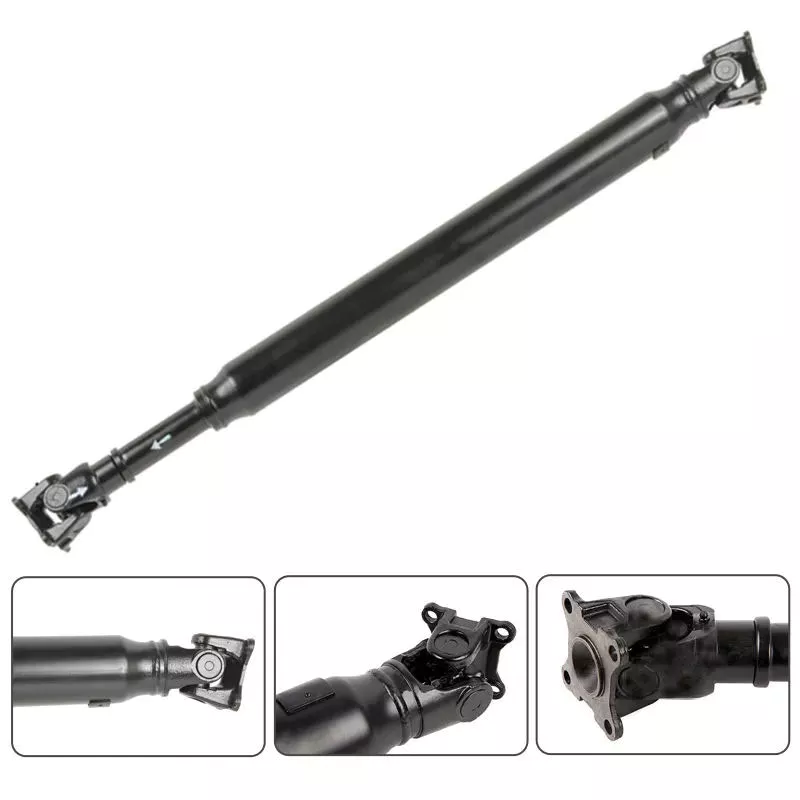
As a professional manufacturer for propeller shaft, we have +1000 items for all kinds of car, At present, our products are mainly sold in North America, Europe, Australia, South Korea, the Middle East and Southeast Asia and other regions, applicable models are European cars, American cars, Japanese and Korean cars, etc.
Our advantage:
1. Full range of products
2. MOQ qty: 1pcs/items
3. Delivery on time
4: Warranty: 1 YEAR
| OE NUMBER | 37100-42050 |
| TYPE | TOYOTA RAV4 |
| MATERIAL | STEEL |
| BALANCE STHangZhouRD | G16,3200RMP |
| Klantenservice na aankoop: | 1year |
|---|---|
| Voorwaarde: | Nieuw |
| Color: | Black |
| Certificering: | ABS16949 |
| Type: | Aandrijfas |
| Materiaal: | Steel |
| Aanpassing: |
Beschikbaar
| Aanvraag op maat |
|---|
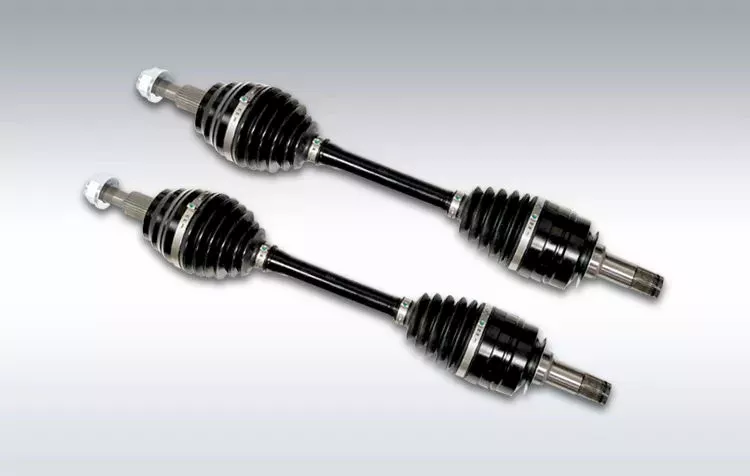
Hoe zorgen fabrikanten ervoor dat aandrijfassen compatibel zijn met verschillende apparatuur?
Fabrikanten hanteren diverse strategieën en processen om de compatibiliteit van aandrijfassen met verschillende apparatuur te garanderen. Compatibiliteit verwijst naar het vermogen van een aandrijfas om effectief te integreren en te functioneren binnen een specifiek apparaat of machine. Fabrikanten houden rekening met verschillende factoren om compatibiliteit te waarborgen, waaronder dimensionale vereisten, koppelcapaciteit, bedrijfsomstandigheden en specifieke toepassingsbehoeften. Hieronder volgt een gedetailleerde uitleg over hoe fabrikanten de compatibiliteit van aandrijfassen garanderen:
1. Applicatieanalyse:
Fabrikanten beginnen met een grondige analyse van de beoogde toepassing en de vereisten van de apparatuur. Deze analyse omvat het in kaart brengen van de specifieke koppel- en snelheidseisen, de bedrijfsomstandigheden (zoals temperatuur, trillingsniveaus en omgevingsfactoren) en eventuele unieke kenmerken of beperkingen van de apparatuur. Door een volledig inzicht in de toepassing te verkrijgen, kunnen fabrikanten het ontwerp en de specificaties van de aandrijfas afstemmen om compatibiliteit te garanderen.
2. Aanpassing en ontwerp:
Fabrikanten bieden vaak maatwerkopties aan om aandrijfassen aan te passen aan verschillende apparatuur. Dit maatwerk omvat het afstemmen van de afmetingen, materialen, verbindingsconfiguraties en andere parameters op de specifieke eisen van de apparatuur. Door nauw samen te werken met de fabrikant van de apparatuur of de eindgebruiker, kunnen fabrikanten aandrijfassen ontwerpen die aansluiten op de mechanische interfaces, bevestigingspunten, beschikbare ruimte en andere beperkingen van de apparatuur. Maatwerk zorgt ervoor dat de aandrijfas naadloos in de apparatuur past, wat compatibiliteit en optimale prestaties bevordert.
3. Koppel en vermogen:
Fabrikanten van aandrijfassen bepalen zorgvuldig het koppel en het vermogen van hun producten om compatibiliteit met verschillende apparatuur te garanderen. Ze houden rekening met factoren zoals het maximale koppel dat de apparatuur vereist, de verwachte bedrijfsomstandigheden en de veiligheidsmarges die nodig zijn om tijdelijke belastingen op te vangen. Door aandrijfassen te ontwerpen met de juiste koppelwaarden en vermogens, zorgen fabrikanten ervoor dat de as de eisen van de apparatuur aankan zonder voortijdige slijtage of prestatieproblemen.
4. Materiaalselectie:
Fabrikanten kiezen materialen voor aandrijfassen op basis van de specifieke behoeften van verschillende apparatuur. Factoren zoals koppelcapaciteit, bedrijfstemperatuur, corrosiebestendigheid en gewichtseisen beïnvloeden de materiaalkeuze. Aandrijfassen kunnen van diverse materialen worden gemaakt, waaronder staal, aluminiumlegeringen of speciale composieten, om de benodigde sterkte, duurzaamheid en prestatie-eigenschappen te garanderen. De gekozen materialen zorgen voor compatibiliteit met de bedrijfsomstandigheden, belastingseisen en andere omgevingsfactoren van de apparatuur.
5. Gewrichtsconfiguraties:
Aandrijfassen zijn voorzien van koppelingen, zoals kruiskoppelingen (U-koppelingen) of homokinetische koppelingen (CV-koppelingen), om aan de verschillende behoeften van de apparatuur te voldoen. Fabrikanten selecteren en ontwerpen de juiste koppeling op basis van factoren zoals werkingshoeken, toleranties voor uitlijningsfouten en de gewenste mate van soepele krachtoverbrenging. De keuze van de koppeling zorgt ervoor dat de aandrijfas effectief kracht kan overbrengen en het vereiste bewegingsbereik van de apparatuur kan opvangen, wat compatibiliteit en een betrouwbare werking bevordert.
6. Kwaliteitscontrole en testen:
Fabrikanten hanteren strenge kwaliteitscontroleprocessen en testprocedures om de compatibiliteit van aandrijfassen met verschillende apparatuur te verifiëren. Deze processen omvatten dimensionale inspecties, materiaaltesten, koppel- en spanningsanalyses en prestatietesten onder gesimuleerde bedrijfsomstandigheden. Door aandrijfassen aan strenge kwaliteitscontroles te onderwerpen, kunnen fabrikanten ervoor zorgen dat ze voldoen aan de vereiste specificaties en prestatiecriteria, waardoor compatibiliteit met de beoogde apparatuur gegarandeerd is.
7. Naleving van normen:
Fabrikanten zorgen ervoor dat hun aandrijfassen voldoen aan de relevante industrienormen en -voorschriften. Naleving van normen, zoals ISO (Internationale Organisatie voor Standaardisatie) of specifieke industrienormen, biedt zekerheid over kwaliteit, veiligheid en compatibiliteit. Door zich aan deze normen te houden, kunnen fabrikanten voldoen aan de verwachtingen en eisen van fabrikanten van apparatuur en eindgebruikers, en ervoor zorgen dat de aandrijfassen compatibel zijn en naadloos in verschillende apparatuur kunnen worden geïntegreerd.
8. Samenwerking en feedback:
Fabrikanten werken vaak nauw samen met fabrikanten van apparatuur, OEM's (Original Equipment Manufacturers) of eindgebruikers om feedback te verzamelen en hun specifieke eisen te integreren in het ontwerp- en productieproces van aandrijfassen. Deze samenwerkingsaanpak zorgt ervoor dat de aandrijfassen compatibel zijn met de beoogde apparatuur en voldoen aan de verwachtingen van de eindgebruikers. Door actief input en feedback te vragen, kunnen fabrikanten de compatibiliteit en prestaties van hun producten continu verbeteren.
Samenvattend zorgen fabrikanten voor de compatibiliteit van aandrijfassen met verschillende apparatuur door een combinatie van toepassingsanalyse, maatwerk, overwegingen met betrekking tot koppel- en vermogenscapaciteit, materiaalkeuze, verbindingsconfiguraties, kwaliteitscontrole en -testen, naleving van normen en samenwerking met fabrikanten van apparatuur en eindgebruikers. Deze inspanningen stellen fabrikanten in staat aandrijfassen te ontwerpen en te produceren die naadloos integreren met diverse apparatuur, waardoor optimale prestaties, betrouwbaarheid en compatibiliteit in verschillende toepassingen worden gegarandeerd.
Can drive shafts be customized for specific vehicle or equipment requirements?
Yes, drive shafts can be customized to meet specific vehicle or equipment requirements. Customization allows manufacturers to tailor the design, dimensions, materials, and other parameters of the drive shaft to ensure compatibility and optimal performance within a particular vehicle or equipment. Here’s a detailed explanation of how drive shafts can be customized:
1. Dimensional Customization:
Drive shafts can be customized to match the dimensional requirements of the vehicle or equipment. This includes adjusting the overall length, diameter, and spline configuration to ensure proper fitment and clearances within the specific application. By customizing the dimensions, the drive shaft can be seamlessly integrated into the driveline system without any interference or limitations.
2. Material Selection:
The choice of materials for drive shafts can be customized based on the specific requirements of the vehicle or equipment. Different materials, such as steel alloys, aluminum alloys, or specialized composites, can be selected to optimize strength, weight, and durability. The material selection can be tailored to meet the torque, speed, and operating conditions of the application, ensuring the drive shaft’s reliability and longevity.
3. Joint Configuration:
Drive shafts can be customized with different joint configurations to accommodate specific vehicle or equipment requirements. For example, universal joints (U-joints) may be suitable for applications with lower operating angles and moderate torque demands, while constant velocity (CV) joints are often used in applications requiring higher operating angles and smoother power transmission. The choice of joint configuration depends on factors such as operating angle, torque capacity, and desired performance characteristics.
4. Torque and Power Capacity:
Customization allows drive shafts to be designed with the appropriate torque and power capacity for the specific vehicle or equipment. Manufacturers can analyze the torque requirements, operating conditions, and safety margins of the application to determine the optimal torque rating and power capacity of the drive shaft. This ensures that the drive shaft can handle the required loads without experiencing premature failure or performance issues.
5. Balancing and Vibration Control:
Drive shafts can be customized with precision balancing and vibration control measures. Imbalances in the drive shaft can lead to vibrations, increased wear, and potential driveline issues. By employing dynamic balancing techniques during the manufacturing process, manufacturers can minimize vibrations and ensure smooth operation. Additionally, vibration dampers or isolation systems can be integrated into the drive shaft design to further mitigate vibrations and enhance overall system performance.
6. Integration and Mounting Considerations:
Customization of drive shafts takes into account the integration and mounting requirements of the specific vehicle or equipment. Manufacturers work closely with the vehicle or equipment designers to ensure that the drive shaft fits seamlessly into the driveline system. This includes adapting the mounting points, interfaces, and clearances to ensure proper alignment and installation of the drive shaft within the vehicle or equipment.
7. Collaboration and Feedback:
Manufacturers often collaborate with vehicle manufacturers, OEMs (Original Equipment Manufacturers), or end-users to gather feedback and incorporate their specific requirements into the drive shaft customization process. By actively seeking input and feedback, manufacturers can address specific needs, optimize performance, and ensure compatibility with the vehicle or equipment. This collaborative approach enhances the customization process and results in drive shafts that meet the exact requirements of the application.
8. Compliance with Standards:
Customized drive shafts can be designed to comply with relevant industry standards and regulations. Compliance with standards, such as ISO (International Organization for Standardization) or specific industry standards, ensures that the customized drive shafts meet quality, safety, and performance requirements. Adhering to these standards provides assurance that the drive shafts are compatible and can be seamlessly integrated into the specific vehicle or equipment.
In summary, drive shafts can be customized to meet specific vehicle or equipment requirements through dimensional customization, material selection, joint configuration, torque and power capacity optimization, balancing and vibration control, integration and mounting considerations, collaboration with stakeholders, and compliance with industry standards. Customization allows drive shafts to be precisely tailored to the needs of the application, ensuring compatibility, reliability, and optimal performance.

What benefits do drive shafts offer for different types of vehicles and equipment?
Drive shafts offer several benefits for different types of vehicles and equipment. They play a crucial role in power transmission and contribute to the overall performance, efficiency, and functionality of various systems. Here’s a detailed explanation of the benefits that drive shafts provide:
1. Efficient Power Transmission:
Drive shafts enable efficient power transmission from the engine or power source to the wheels or driven components. By connecting the engine or motor to the driven system, drive shafts efficiently transfer rotational power, allowing vehicles and equipment to perform their intended functions. This efficient power transmission ensures that the power generated by the engine is effectively utilized, optimizing the overall performance and productivity of the system.
2. Versatility:
Drive shafts offer versatility in their applications. They are used in various types of vehicles, including cars, trucks, motorcycles, and off-road vehicles. Additionally, drive shafts are employed in a wide range of equipment and machinery, such as agricultural machinery, construction equipment, industrial machinery, and marine vessels. The ability to adapt to different types of vehicles and equipment makes drive shafts a versatile component for power transmission.
3. Torque Handling:
Drive shafts are designed to handle high levels of torque. Torque is the rotational force generated by the engine or power source. Drive shafts are engineered to efficiently transmit this torque without excessive twisting or bending. By effectively handling torque, drive shafts ensure that the power generated by the engine is reliably transferred to the wheels or driven components, enabling vehicles and equipment to overcome resistance, such as heavy loads or challenging terrains.
4. Flexibility and Compensation:
Drive shafts provide flexibility and compensation for angular movement and misalignment. In vehicles, drive shafts accommodate the movement of the suspension system, allowing the wheels to move up and down independently. This flexibility ensures a constant power transfer even when the vehicle encounters uneven terrain. Similarly, in machinery, drive shafts compensate for misalignment between the engine or motor and the driven components, ensuring smooth power transmission and preventing excessive stress on the drivetrain.
5. Weight Reduction:
Drive shafts contribute to weight reduction in vehicles and equipment. Compared to other forms of power transmission, such as belt drives or chain drives, drive shafts are typically lighter in weight. This reduction in weight helps improve fuel efficiency in vehicles and reduces the overall weight of equipment, leading to enhanced maneuverability and increased payload capacity. Additionally, lighter drive shafts contribute to a better power-to-weight ratio, resulting in improved performance and acceleration.
6. Durability and Longevity:
Drive shafts are designed to be durable and long-lasting. They are constructed using materials such as steel or aluminum, which offer high strength and resistance to wear and fatigue. Drive shafts undergo rigorous testing and quality control measures to ensure their reliability and longevity. Proper maintenance, including lubrication and regular inspections, further enhances their durability. The robust construction and long lifespan of drive shafts contribute to the overall reliability and cost-effectiveness of vehicles and equipment.
7. Safety:
Drive shafts incorporate safety features to protect operators and bystanders. In vehicles, drive shafts are often enclosed within a protective tube or housing, preventing contact with moving parts and reducing the risk of injury in the event of a failure. Similarly, in machinery, safety shields or guards are commonly installed around exposed drive shafts to minimize the potential hazards associated with rotating components. These safety measures ensure the well-being of individuals operating or working in proximity to vehicles and equipment.
In summary, drive shafts offer several benefits for different types of vehicles and equipment. They enable efficient power transmission, provide versatility in various applications, handle torque effectively, offer flexibility and compensation, contribute to weight reduction, ensure durability and longevity, and incorporate safety features. By providing these advantages, drive shafts enhance the performance, efficiency, reliability, and safety of vehicles and equipment across a wide range of industries.


editor by CX 2023-10-03























