
Productbeschrijving
Bedrijfsprofiel
Workshop
Gedetailleerde foto's
Productbeschrijving
| Materiaal | Alloy Steel, Copper alloy(brass,silicon bronze,phosphor bronze,aluminum bronze,beryllium copper),Stainless Steel,Aluminum,Titanium, Magnesium, Superalloys,Molybdenum, Invar,,Zinc,Tungsten steel,incoloy,Nickel 200,Hastelloy, Inconel,Monel,ABS, PEEK,PTFE,PVC,Acetal. |
| Surface Treatment | Zn-plating, Ni-plating, Cr-plating, Tin-plating, copper-plating, the wreath oxygen resin spraying, the heat disposing, hot-dip galvanizing, black oxide coating, painting, powdering, color zinc-plated, blue black zinc-plated, rust preventive oil, titanium alloy galvanized, silver plating, plastic, electroplating, anodizing etc. |
| Producing Equipment | CNC machine,automatic lathe machine,CNC milling machine,lasering,tag grinding machine etc. |
| Drawing Format | Pro/E, Auto CAD, CZPT Works, UG, CAD/CAM, PDF |
| Managing Returned Goods | With quality problem or deviation from drawings |
| Garantie | Replacement at all our cost for rejected products |
| Main Markets | North America, South America, Eastern Europe , West Europe , North Europe, South Europe, Asia |
| How to order | * You send us drawing or sample |
| * We carry through project assessment | |
| * We make the sample and send it to you after you confirmed our design | |
| * You confirm the sample then place an order and pay us 30% deposit | |
| * We start producing | |
| * When the goods is done, you pay us the balance after you confirmed pictures or tracking numbers. | |
| * Trade is done, thank you!! |
Kwaliteitscontrole
Verpakking en verzending
Customer Reviews
Veelgestelde vragen
Q1:What kind of information do you need for quotation?
A: You can provide 2D/3D drawing or send your sample to our factory, then we can make according to your sample.
Q2: Can we CZPT NDA?
A: Sure. We can CZPT the NDA before got your drawings.
Q3: Do you provide sample?
A: Yes, we can provide you sample before mass order.
Q4: How can you ensure the quality?
A: We have profesional QC,IQC, OQC to guarantee the quality.
Q5: Delivery time?
A: For samples genearlly need 25 days. Mass production: around 30~45 days after receipt of deposit (Accurate delivery time
depends on specific items and quantities)
Q6: How about the transportation?
A: You can choose any mode of transportation you want, sea delivery, air delivery or door to door express.
| Materiaal: | Gelegeerd staal |
|---|---|
| Laden: | Aandrijfas |
| Stijfheid en flexibiliteit: | Stijfheid / Starre as |
| Dimensionale nauwkeurigheid van de asdiameter: | IT6-IT9 |
| Asvorm: | Rechte as |
| Schachtvorm: | Real Axis |
| Aanpassing: |
Beschikbaar
| Aanvraag op maat |
|---|
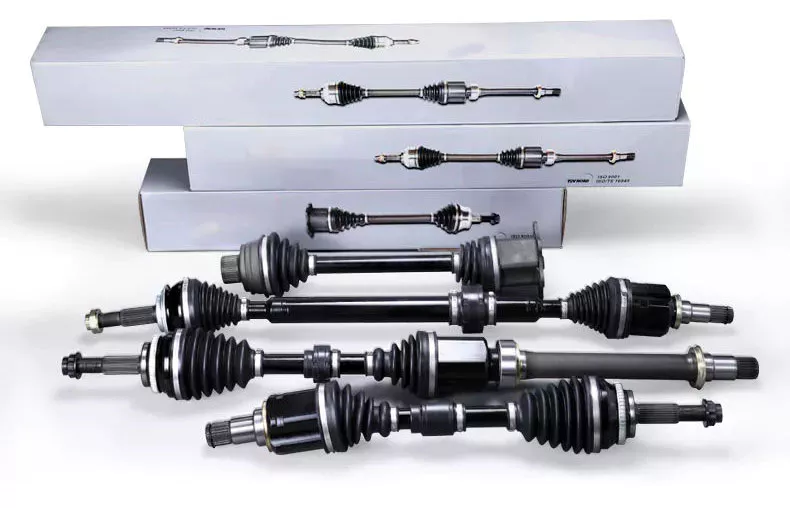
Welke onderhoudsprocedures zijn cruciaal voor het verlengen van de levensduur van aandrijfassen?
Om de levensduur van aandrijfassen te verlengen en optimale prestaties te garanderen, zijn diverse onderhoudsprocedures cruciaal. Regelmatig onderhoud helpt potentiële problemen te identificeren en aan te pakken voordat ze escaleren, vermindert slijtage en zorgt ervoor dat de aandrijfas soepel en efficiënt werkt. Hieronder volgen enkele essentiële onderhoudsprocedures om de levensduur van aandrijfassen te verlengen:
1. Regelmatige inspectie:
Regelmatige inspecties zijn essentieel om slijtage, schade of verkeerde uitlijning tijdig te detecteren. Inspecteer de aandrijfas visueel op scheuren, deuken of andere tekenen van overmatige slijtage aan de as zelf en de bijbehorende onderdelen zoals koppelingen, jukken en spiebanen. Controleer op lekkage van smeermiddel of vervuiling. Controleer bovendien de bevestigingsmiddelen en montagepunten om er zeker van te zijn dat ze goed vastzitten. Vroegtijdige detectie van problemen maakt tijdige reparaties of vervangingen mogelijk, waardoor verdere schade aan de aandrijfas wordt voorkomen.
2. Smering:
Een goede smering is essentieel voor een soepele werking en een lange levensduur van aandrijfassen. Smeer de koppelingen, zoals kruiskoppelingen of homokinetische koppelingen, volgens de aanbevelingen van de fabrikant. Smering vermindert wrijving, minimaliseert slijtage en helpt de warmte die tijdens gebruik ontstaat af te voeren. Gebruik het juiste smeermiddel dat is voorgeschreven voor de specifieke aandrijfas en toepassing, rekening houdend met factoren zoals temperatuur, belasting en bedrijfsomstandigheden. Controleer regelmatig het smeerniveau en vul indien nodig bij om optimale prestaties te garanderen en voortijdige slijtage te voorkomen.
3. Balanceren en afstemmen:
Een goede balans en uitlijning zijn cruciaal voor de levensduur van aandrijfassen. Onevenwichtigheden of verkeerde uitlijning kunnen leiden tot trillingen, versnelde slijtage en uiteindelijk tot defecten. Als er tijdens gebruik trillingen of ongebruikelijke geluiden worden waargenomen, is het belangrijk om deze direct te verhelpen. Voer indien nodig balanceerprocedures uit, inclusief dynamisch balanceren, om een gelijkmatige gewichtsverdeling over de aandrijfas te garanderen. Controleer bovendien of de aandrijfas correct is uitgelijnd met de motor of krachtbron en de aangedreven componenten. Een verkeerde uitlijning kan leiden tot overmatige spanning op de aandrijfas en daardoor tot voortijdige slijtage.
4. Beschermende coatings:
Het aanbrengen van beschermende coatings kan de levensduur van aandrijfassen verlengen, met name in toepassingen die worden blootgesteld aan zware omstandigheden of corrosieve stoffen. Overweeg coatings zoals verzinken, poedercoaten of speciale corrosiebestendige coatings om de weerstand van de aandrijfas tegen corrosie, roest en chemische schade te verbeteren. Controleer de coating regelmatig op tekenen van slijtage of beschadiging en breng indien nodig een nieuwe laag aan of repareer de schade om de beschermende laag te behouden.
5. Controle van het aanhaalmoment en de bevestigingsmiddelen:
Zorg ervoor dat de bevestigingsmiddelen van de aandrijfas, zoals bouten, moeren of klemmen, correct zijn vastgedraaid en vastgezet volgens de specificaties van de fabrikant. Losse of onjuist vastgedraaide bevestigingsmiddelen kunnen leiden tot overmatige trillingen, verkeerde uitlijning of zelfs het losraken van de aandrijfas. Controleer en draai de bevestigingsmiddelen periodiek vast zoals aanbevolen of na onderhouds- of reparatiewerkzaamheden. Houd bovendien het aanhaalmoment tijdens gebruik in de gaten om ervoor te zorgen dat het binnen het gespecificeerde bereik blijft, aangezien een te hoog aanhaalmoment de aandrijfas kan belasten en tot voortijdige slijtage kan leiden.
6. Milieubescherming:
Het beschermen van de aandrijfas tegen omgevingsinvloeden kan de levensduur aanzienlijk verlengen. Bij toepassingen die worden blootgesteld aan extreme temperaturen, vocht, chemicaliën of schurende stoffen, moeten passende maatregelen worden genomen om de aandrijfas te beschermen. Dit kan onder meer het gebruik van beschermkappen, afdichtingen of afschermingen omvatten om te voorkomen dat verontreinigingen binnendringen en schade veroorzaken. Regelmatige reiniging van de aandrijfas, met name in vuile of corrosieve omgevingen, kan ook helpen om vuil te verwijderen en ophoping te voorkomen die de prestaties en levensduur in gevaar kan brengen.
7. Richtlijnen van de fabrikant:
Volg de richtlijnen en aanbevelingen van de fabrikant voor onderhoud, specifiek voor het model en de toepassing van de aandrijfas. De instructies van de fabrikant kunnen specifieke intervallen bevatten voor inspecties, smering, balanceren of andere onderhoudstaken. Door deze richtlijnen te volgen, zorgt u ervoor dat de aandrijfas correct wordt onderhouden en geserviced, waardoor de levensduur wordt gemaximaliseerd en het risico op onverwachte storingen wordt geminimaliseerd.
Door deze onderhoudsprocedures toe te passen, kunnen aandrijfassen betrouwbaar functioneren, een efficiënte krachtoverbrenging behouden en een langere levensduur hebben, waardoor uiteindelijk de stilstandtijd wordt verminderd en optimale prestaties in diverse toepassingen worden gegarandeerd.
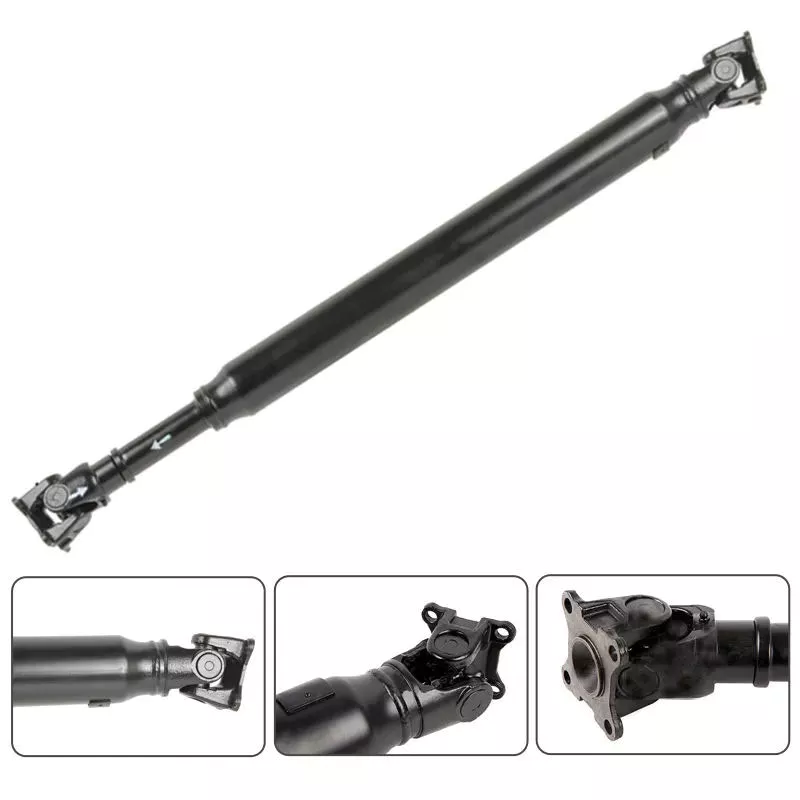
Can drive shafts be customized for specific vehicle or equipment requirements?
Yes, drive shafts can be customized to meet specific vehicle or equipment requirements. Customization allows manufacturers to tailor the design, dimensions, materials, and other parameters of the drive shaft to ensure compatibility and optimal performance within a particular vehicle or equipment. Here’s a detailed explanation of how drive shafts can be customized:
1. Dimensional Customization:
Drive shafts can be customized to match the dimensional requirements of the vehicle or equipment. This includes adjusting the overall length, diameter, and spline configuration to ensure proper fitment and clearances within the specific application. By customizing the dimensions, the drive shaft can be seamlessly integrated into the driveline system without any interference or limitations.
2. Material Selection:
The choice of materials for drive shafts can be customized based on the specific requirements of the vehicle or equipment. Different materials, such as steel alloys, aluminum alloys, or specialized composites, can be selected to optimize strength, weight, and durability. The material selection can be tailored to meet the torque, speed, and operating conditions of the application, ensuring the drive shaft’s reliability and longevity.
3. Joint Configuration:
Drive shafts can be customized with different joint configurations to accommodate specific vehicle or equipment requirements. For example, universal joints (U-joints) may be suitable for applications with lower operating angles and moderate torque demands, while constant velocity (CV) joints are often used in applications requiring higher operating angles and smoother power transmission. The choice of joint configuration depends on factors such as operating angle, torque capacity, and desired performance characteristics.
4. Torque and Power Capacity:
Customization allows drive shafts to be designed with the appropriate torque and power capacity for the specific vehicle or equipment. Manufacturers can analyze the torque requirements, operating conditions, and safety margins of the application to determine the optimal torque rating and power capacity of the drive shaft. This ensures that the drive shaft can handle the required loads without experiencing premature failure or performance issues.
5. Balancing and Vibration Control:
Drive shafts can be customized with precision balancing and vibration control measures. Imbalances in the drive shaft can lead to vibrations, increased wear, and potential driveline issues. By employing dynamic balancing techniques during the manufacturing process, manufacturers can minimize vibrations and ensure smooth operation. Additionally, vibration dampers or isolation systems can be integrated into the drive shaft design to further mitigate vibrations and enhance overall system performance.
6. Integration and Mounting Considerations:
Customization of drive shafts takes into account the integration and mounting requirements of the specific vehicle or equipment. Manufacturers work closely with the vehicle or equipment designers to ensure that the drive shaft fits seamlessly into the driveline system. This includes adapting the mounting points, interfaces, and clearances to ensure proper alignment and installation of the drive shaft within the vehicle or equipment.
7. Collaboration and Feedback:
Manufacturers often collaborate with vehicle manufacturers, OEMs (Original Equipment Manufacturers), or end-users to gather feedback and incorporate their specific requirements into the drive shaft customization process. By actively seeking input and feedback, manufacturers can address specific needs, optimize performance, and ensure compatibility with the vehicle or equipment. This collaborative approach enhances the customization process and results in drive shafts that meet the exact requirements of the application.
8. Compliance with Standards:
Customized drive shafts can be designed to comply with relevant industry standards and regulations. Compliance with standards, such as ISO (International Organization for Standardization) or specific industry standards, ensures that the customized drive shafts meet quality, safety, and performance requirements. Adhering to these standards provides assurance that the drive shafts are compatible and can be seamlessly integrated into the specific vehicle or equipment.
In summary, drive shafts can be customized to meet specific vehicle or equipment requirements through dimensional customization, material selection, joint configuration, torque and power capacity optimization, balancing and vibration control, integration and mounting considerations, collaboration with stakeholders, and compliance with industry standards. Customization allows drive shafts to be precisely tailored to the needs of the application, ensuring compatibility, reliability, and optimal performance.

How do drive shafts contribute to transferring rotational power in various applications?
Drive shafts play a crucial role in transferring rotational power from the engine or power source to the wheels or driven components in various applications. Whether it’s in vehicles or machinery, drive shafts enable efficient power transmission and facilitate the functioning of different systems. Here’s a detailed explanation of how drive shafts contribute to transferring rotational power:
1. Vehicle Applications:
In vehicles, drive shafts are responsible for transmitting rotational power from the engine to the wheels, enabling the vehicle to move. The drive shaft connects the gearbox or transmission output shaft to the differential, which further distributes the power to the wheels. As the engine generates torque, it is transferred through the drive shaft to the wheels, propelling the vehicle forward. This power transfer allows the vehicle to accelerate, maintain speed, and overcome resistance, such as friction and inclines.
2. Machinery Applications:
In machinery, drive shafts are utilized to transfer rotational power from the engine or motor to various driven components. For example, in industrial machinery, drive shafts may be used to transmit power to pumps, generators, conveyors, or other mechanical systems. In agricultural machinery, drive shafts are commonly employed to connect the power source to equipment such as harvesters, balers, or irrigation systems. Drive shafts enable these machines to perform their intended functions by delivering rotational power to the necessary components.
3. Power Transmission:
Drive shafts are designed to transmit rotational power efficiently and reliably. They are capable of transferring substantial amounts of torque from the engine to the wheels or driven components. The torque generated by the engine is transmitted through the drive shaft without significant power losses. By maintaining a rigid connection between the engine and the driven components, drive shafts ensure that the power produced by the engine is effectively utilized in performing useful work.
4. Flexible Coupling:
One of the key functions of drive shafts is to provide a flexible coupling between the engine/transmission and the wheels or driven components. This flexibility allows the drive shaft to accommodate angular movement and compensate for misalignment between the engine and the driven system. In vehicles, as the suspension system moves or the wheels encounter uneven terrain, the drive shaft adjusts its length and angle to maintain a constant power transfer. This flexibility helps prevent excessive stress on the drivetrain components and ensures smooth power transmission.
5. Torque and Speed Transmission:
Drive shafts are responsible for transmitting both torque and rotational speed. Torque is the rotational force generated by the engine or power source, while rotational speed is the number of revolutions per minute (RPM). Drive shafts must be capable of handling the torque requirements of the application without excessive twisting or bending. Additionally, they need to maintain the desired rotational speed to ensure the proper functioning of the driven components. Proper design, material selection, and balancing of the drive shafts contribute to efficient torque and speed transmission.
6. Length and Balance:
The length and balance of drive shafts are critical factors in their performance. The length of the drive shaft is determined by the distance between the engine or power source and the driven components. It should be appropriately sized to avoid excessive vibrations or bending. Drive shafts are carefully balanced to minimize vibrations and rotational imbalances, which can affect the overall performance, comfort, and longevity of the drivetrain system.
7. Safety and Maintenance:
Drive shafts require proper safety measures and regular maintenance. In vehicles, drive shafts are often enclosed within a protective tube or housing to prevent contact with moving parts, reducing the risk of injury. Safety shields or guards may also be installed around exposed drive shafts in machinery to protect operators from potential hazards. Regular maintenance includes inspecting the drive shaft for wear, damage, or misalignment, and ensuring proper lubrication of the U-joints. These measures help prevent failures, ensure optimal performance, and extend the service life of the drive shaft.
In summary, drive shafts play a vital role in transferring rotational power in various applications. Whether in vehicles or machinery, drive shafts enable efficient power transmission from the engine or power source to the wheels or driven components. They provide a flexible coupling, handle torque and speed transmission, accommodate angular movement, and contribute to the safety and maintenance of the system. By effectively transferring rotational power, drive shafts facilitate the functioning and performance of vehicles and machinery in numerous industries.


editor by CX 2023-09-19























