
Productbeschrijving
| Basic Info. of Our Customized CNC Machining Parts | |
| Quotation | According To Your Drawings or Samples. (Size, Material, Thickness, Processing Content And Required Technology, etc.) |
| Tolerance | +/-0.005 – 0.01mm (Customizable) |
| Surface Roughness | Ra0.2 – Ra3.2 (Customizable) |
| Materials Available | Aluminum, Copper, Brass, Stainless Steel, Titanium, Iron, Plastic, Acrylic, PE, PVC, ABS, POM, PTFE etc. |
| Oppervlaktebehandeling | Polishing, Surface Chamfering, Hardening and Tempering, Nickel plating, Chrome plating, zinc plating, Laser engraving, Sandblasting, Passivating, Clear Anodized, Color Anodized, Sandblast Anodized, Chemical Film, Brushing, etc. |
| Processing | Hot/Cold forging, Heat treatment, CNC Turning, Milling, Drilling and Tapping, Surface Treatment, Laser Cutting, Stamping, Die Casting, Injection Molding, etc. |
| Testing Equipment | Coordinate Measuring Machine (CMM) / Vernier Caliper/ / Automatic Height Gauge /Hardness Tester /Surface Roughness Teste/Run-out Instrument/Optical Projector, Micrometer/ Salt spray testing machine |
| Drawing Formats | PRO/E, Auto CAD, CZPT Works , UG, CAD / CAM / CAE, PDF |
| Onze voordelen | 1.) 24 hours online service & quickly quote and delivery. 2.) 100% quality inspection (with Quality Inspection Report) before delivery. All our products are manufactured under ISO 9001:2015. 3.) A strong, professional and reliable technical team with 16+ years of manufacturing experience. 4.) We have stable supply chain partners, including raw material suppliers, bearing suppliers, forging plants, surface treatment plants, etc. 5.) We can provide customized assembly services for those customers who have assembly needs. |
| Available Material | |
| Roestvrij staal | SS201,SS301, SS303, SS304, SS316, SS416, etc. |
| Steel | mild steel, Carbon steel, 4140, 4340, Q235, Q345B, 20#, 45#, etc. |
| Brass | HPb63, HPb62, HPb61, HPb59, H59, H62, H68, H80, etc. |
| Copper | C11000, C12000,C12000, C36000 etc. |
| Aluminum | A380, AL2571, AL6061, Al6063, AL6082, AL7075, AL5052, etc. |
| Iron | A36, 45#, 1213, 12L14, 1215 etc. |
| Plastic | ABS, PC, PE, POM, Delrin, Nylon, PP, PEI, Peek etc. |
| Others | Various types of Titanium alloy, Rubber, Bronze, etc. |
| Available Surface Treatment | |
| Roestvrij staal | Polishing, Passivating, Sandblasting, Laser engraving, etc. |
| Steel | Zinc plating, Oxide black, Nickel plating, Chrome plating, Carburized, Powder Coated, etc. |
| Aluminum parts | Clear Anodized, Color Anodized, Sandblast Anodized, Chemical Film, Brushing, Polishing, etc. |
| Plastic | Plating gold(ABS), Painting, Brushing(Acylic), Laser engraving, etc. |
Veelgestelde vragen:
Q1: Are you a trading company or a factory?
A1: We are a factory
Q2: How long is your delivery time?
A2: Samples are generally 3-7 days; bulk orders are 10-25 days, depending on the quantity and parts requirements.
Q3: Do you provide samples? Is it free or extra?
A3: Yes, we can provide samples, and we will charge you based on sample processing. The sample fee can be refunded after placing an order in batches.
Q4: Do you provide design drawings service?
A4: We mainly customize according to the drawings or samples provided by customers. For customers who don’t know much about drawing, we also provide design and drawing services. You need to provide samples or sketches.
Q5: What about drawing confidentiality?
A5: The processed samples and drawings are strictly confidential and will not be disclosed to anyone else.
Q6: How do you guarantee the quality of your products?
A6: We have set up multiple inspection procedures and can provide quality inspection report before delivery. And we can also provide samples for you to test before mass production.
/* 22 januari 2571 19:08:37 */!function(){function s(e,r){var a,o={};try{e&&e.split(“,”).forEach(function(e,t){e&&(a=e.match(/(.*?):(.*)$/))&&1
| Certificering: | CE, RoHS, GS, ISO9001 |
|---|---|
| Standaard: | DIN, ASTM, GOST, GB, JIS, ANSI, BS |
| Aangepast: | Op maat gemaakt |
| Materiaal: | Metal |
| Sollicitatie: | Metal Recycling Machine, Metal Cutting Machine, Metal Straightening Machinery, Metal Spinning Machinery, Metal Processing Machinery Parts, Metal forging Machinery, Metal Engraving Machinery, Metal Drawing Machinery, Metal Coating Machinery, Metal Casting Machinery |
| Tolerance: | +/-0.005 – 0.01mm |
| Voorbeelden: |
US$ 1/Piece
1 stuk (minimale bestelling) | |
|---|
| Aanpassing: |
Beschikbaar
| Aanvraag op maat |
|---|
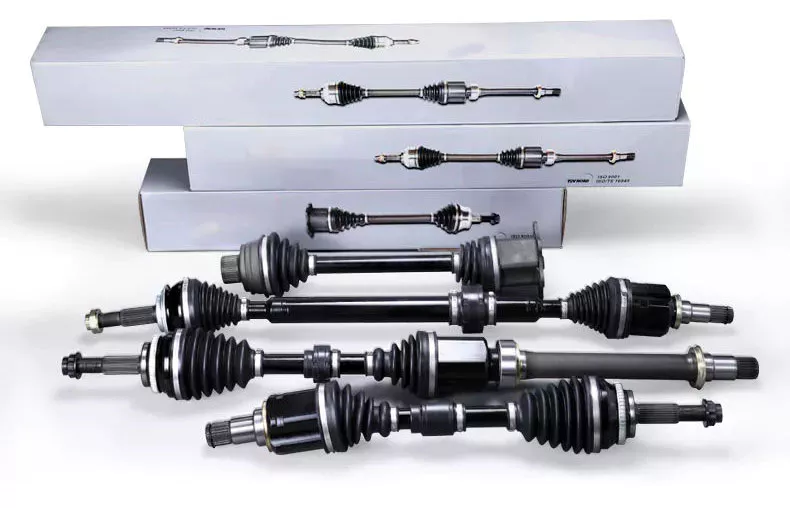
Welke onderhoudsprocedures zijn cruciaal voor het verlengen van de levensduur van aandrijfassen?
Om de levensduur van aandrijfassen te verlengen en optimale prestaties te garanderen, zijn diverse onderhoudsprocedures cruciaal. Regelmatig onderhoud helpt potentiële problemen te identificeren en aan te pakken voordat ze escaleren, vermindert slijtage en zorgt ervoor dat de aandrijfas soepel en efficiënt werkt. Hieronder volgen enkele essentiële onderhoudsprocedures om de levensduur van aandrijfassen te verlengen:
1. Regelmatige inspectie:
Regelmatige inspecties zijn essentieel om slijtage, schade of verkeerde uitlijning tijdig te detecteren. Inspecteer de aandrijfas visueel op scheuren, deuken of andere tekenen van overmatige slijtage aan de as zelf en de bijbehorende onderdelen zoals koppelingen, jukken en spiebanen. Controleer op lekkage van smeermiddel of vervuiling. Controleer bovendien de bevestigingsmiddelen en montagepunten om er zeker van te zijn dat ze goed vastzitten. Vroegtijdige detectie van problemen maakt tijdige reparaties of vervangingen mogelijk, waardoor verdere schade aan de aandrijfas wordt voorkomen.
2. Smering:
Een goede smering is essentieel voor een soepele werking en een lange levensduur van aandrijfassen. Smeer de koppelingen, zoals kruiskoppelingen of homokinetische koppelingen, volgens de aanbevelingen van de fabrikant. Smering vermindert wrijving, minimaliseert slijtage en helpt de warmte die tijdens gebruik ontstaat af te voeren. Gebruik het juiste smeermiddel dat is voorgeschreven voor de specifieke aandrijfas en toepassing, rekening houdend met factoren zoals temperatuur, belasting en bedrijfsomstandigheden. Controleer regelmatig het smeerniveau en vul indien nodig bij om optimale prestaties te garanderen en voortijdige slijtage te voorkomen.
3. Balanceren en afstemmen:
Een goede balans en uitlijning zijn cruciaal voor de levensduur van aandrijfassen. Onevenwichtigheden of verkeerde uitlijning kunnen leiden tot trillingen, versnelde slijtage en uiteindelijk tot defecten. Als er tijdens gebruik trillingen of ongebruikelijke geluiden worden waargenomen, is het belangrijk om deze direct te verhelpen. Voer indien nodig balanceerprocedures uit, inclusief dynamisch balanceren, om een gelijkmatige gewichtsverdeling over de aandrijfas te garanderen. Controleer bovendien of de aandrijfas correct is uitgelijnd met de motor of krachtbron en de aangedreven componenten. Een verkeerde uitlijning kan leiden tot overmatige spanning op de aandrijfas en daardoor tot voortijdige slijtage.
4. Beschermende coatings:
Het aanbrengen van beschermende coatings kan de levensduur van aandrijfassen verlengen, met name in toepassingen die worden blootgesteld aan zware omstandigheden of corrosieve stoffen. Overweeg coatings zoals verzinken, poedercoaten of speciale corrosiebestendige coatings om de weerstand van de aandrijfas tegen corrosie, roest en chemische schade te verbeteren. Controleer de coating regelmatig op tekenen van slijtage of beschadiging en breng indien nodig een nieuwe laag aan of repareer de schade om de beschermende laag te behouden.
5. Controle van het aanhaalmoment en de bevestigingsmiddelen:
Zorg ervoor dat de bevestigingsmiddelen van de aandrijfas, zoals bouten, moeren of klemmen, correct zijn vastgedraaid en vastgezet volgens de specificaties van de fabrikant. Losse of onjuist vastgedraaide bevestigingsmiddelen kunnen leiden tot overmatige trillingen, verkeerde uitlijning of zelfs het losraken van de aandrijfas. Controleer en draai de bevestigingsmiddelen periodiek vast zoals aanbevolen of na onderhouds- of reparatiewerkzaamheden. Houd bovendien het aanhaalmoment tijdens gebruik in de gaten om ervoor te zorgen dat het binnen het gespecificeerde bereik blijft, aangezien een te hoog aanhaalmoment de aandrijfas kan belasten en tot voortijdige slijtage kan leiden.
6. Milieubescherming:
Het beschermen van de aandrijfas tegen omgevingsinvloeden kan de levensduur aanzienlijk verlengen. Bij toepassingen die worden blootgesteld aan extreme temperaturen, vocht, chemicaliën of schurende stoffen, moeten passende maatregelen worden genomen om de aandrijfas te beschermen. Dit kan onder meer het gebruik van beschermkappen, afdichtingen of afschermingen omvatten om te voorkomen dat verontreinigingen binnendringen en schade veroorzaken. Regelmatige reiniging van de aandrijfas, met name in vuile of corrosieve omgevingen, kan ook helpen om vuil te verwijderen en ophoping te voorkomen die de prestaties en levensduur in gevaar kan brengen.
7. Richtlijnen van de fabrikant:
Volg de richtlijnen en aanbevelingen van de fabrikant voor onderhoud, specifiek voor het model en de toepassing van de aandrijfas. De instructies van de fabrikant kunnen specifieke intervallen bevatten voor inspecties, smering, balanceren of andere onderhoudstaken. Door deze richtlijnen te volgen, zorgt u ervoor dat de aandrijfas correct wordt onderhouden en geserviced, waardoor de levensduur wordt gemaximaliseerd en het risico op onverwachte storingen wordt geminimaliseerd.
Door deze onderhoudsprocedures toe te passen, kunnen aandrijfassen betrouwbaar functioneren, een efficiënte krachtoverbrenging behouden en een langere levensduur hebben, waardoor uiteindelijk de stilstandtijd wordt verminderd en optimale prestaties in diverse toepassingen worden gegarandeerd.

How do drive shafts enhance the performance of automobiles and trucks?
Drive shafts play a significant role in enhancing the performance of automobiles and trucks. They contribute to various aspects of vehicle performance, including power delivery, traction, handling, and overall efficiency. Here’s a detailed explanation of how drive shafts enhance the performance of automobiles and trucks:
1. Power Delivery:
Drive shafts are responsible for transferring power from the engine to the wheels, enabling the vehicle to move forward. By efficiently transmitting power without significant losses, drive shafts ensure that the engine’s power is effectively utilized, resulting in improved acceleration and overall performance. Well-designed drive shafts with minimal power loss contribute to the vehicle’s ability to deliver power to the wheels efficiently.
2. Torque Transfer:
Drive shafts facilitate the transfer of torque from the engine to the wheels. Torque is the rotational force that drives the vehicle forward. High-quality drive shafts with proper torque conversion capabilities ensure that the torque generated by the engine is effectively transmitted to the wheels. This enhances the vehicle’s ability to accelerate quickly, tow heavy loads, and climb steep gradients, thereby improving overall performance.
3. Traction and Stability:
Drive shafts contribute to the traction and stability of automobiles and trucks. They transmit power to the wheels, allowing them to exert force on the road surface. This enables the vehicle to maintain traction, especially during acceleration or when driving on slippery or uneven terrain. The efficient power delivery through the drive shafts enhances the vehicle’s stability by ensuring balanced power distribution to all wheels, improving control and handling.
4. Handling and Maneuverability:
Drive shafts have an impact on the handling and maneuverability of vehicles. They help establish a direct connection between the engine and the wheels, allowing for precise control and responsive handling. Well-designed drive shafts with minimal play or backlash contribute to a more direct and immediate response to driver inputs, enhancing the vehicle’s agility and maneuverability.
5. Weight Reduction:
Drive shafts can contribute to weight reduction in automobiles and trucks. Lightweight drive shafts made from materials such as aluminum or carbon fiber-reinforced composites reduce the overall weight of the vehicle. The reduced weight improves the power-to-weight ratio, resulting in better acceleration, handling, and fuel efficiency. Additionally, lightweight drive shafts reduce the rotational mass, allowing the engine to rev up more quickly, further enhancing performance.
6. Mechanical Efficiency:
Efficient drive shafts minimize energy losses during power transmission. By incorporating features such as high-quality bearings, low-friction seals, and optimized lubrication, drive shafts reduce friction and minimize power losses due to internal resistance. This enhances the mechanical efficiency of the drivetrain system, allowing more power to reach the wheels and improving overall vehicle performance.
7. Performance Upgrades:
Drive shaft upgrades can be a popular performance enhancement for enthusiasts. Upgraded drive shafts, such as those made from stronger materials or with enhanced torque capacity, can handle higher power outputs from modified engines. These upgrades allow for increased performance, such as improved acceleration, higher top speeds, and better overall driving dynamics.
8. Compatibility with Performance Modifications:
Performance modifications, such as engine upgrades, increased power output, or changes to the drivetrain system, often require compatible drive shafts. Drive shafts designed to handle higher torque loads or adapt to modified drivetrain configurations ensure optimal performance and reliability. They enable the vehicle to effectively harness the increased power and torque, resulting in improved performance and responsiveness.
9. Durability and Reliability:
Robust and well-maintained drive shafts contribute to the durability and reliability of automobiles and trucks. They are designed to withstand the stresses and loads associated with power transmission. High-quality materials, appropriate balancing, and regular maintenance help ensure that drive shafts operate smoothly, minimizing the risk of failures or performance issues. Reliable drive shafts enhance the overall performance by providing consistent power delivery and minimizing downtime.
10. Compatibility with Advanced Technologies:
Drive shafts are evolving in tandem with advancements in vehicle technologies. They are increasingly being integrated with advanced systems such as hybrid powertrains, electric motors, and regenerative braking. Drive shafts designed to work seamlessly with these technologies maximize their efficiency and performance benefits, contributing to improved overall vehicle performance.
In summary, drive shafts enhance the performance of automobiles and trucks by optimizing power delivery, facilitating torque transfer, improving traction and stability, enhancing handling and maneuverability, reducing weight, increasing mechanical efficiency,and enabling compatibility with performance upgrades and advanced technologies. They play a crucial role in ensuring efficient power transmission, responsive acceleration, precise handling, and overall improved performance of vehicles.
What is a drive shaft and how does it function in vehicles and machinery?
A drive shaft, also known as a propeller shaft or prop shaft, is a mechanical component that plays a critical role in transmitting rotational power from the engine to the wheels or other driven components in vehicles and machinery. It is commonly used in various types of vehicles, including cars, trucks, motorcycles, and agricultural or industrial machinery. Here’s a detailed explanation of what a drive shaft is and how it functions:
1. Definition and Construction: A drive shaft is a cylindrical metal tube that connects the engine or power source to the wheels or driven components. It is typically made of steel or aluminum and consists of one or more tubular sections with universal joints (U-joints) at each end. These U-joints allow for angular movement and compensation of misalignment between the engine/transmission and the driven wheels or components.
2. Power Transmission: The primary function of a drive shaft is to transmit rotational power from the engine or power source to the wheels or driven components. In vehicles, the drive shaft connects the transmission or gearbox output shaft to the differential, which then transfers power to the wheels. In machinery, the drive shaft transfers power from the engine or motor to various driven components such as pumps, generators, or other mechanical systems.
3. Torque and Speed: The drive shaft is responsible for transmitting both torque and rotational speed. Torque is the rotational force generated by the engine or power source, while rotational speed is the number of revolutions per minute (RPM). The drive shaft must be capable of transmitting the required torque without excessive twisting or bending and maintaining the desired rotational speed for efficient operation of the driven components.
4. Flexible Coupling: The U-joints on the drive shaft provide a flexible coupling that allows for angular movement and compensation of misalignment between the engine/transmission and the driven wheels or components. As the suspension system of a vehicle moves or the machinery operates on uneven terrain, the drive shaft can adjust its length and angle to accommodate these movements, ensuring smooth power transmission and preventing damage to the drivetrain components.
5. Length and Balance: The length of the drive shaft is determined by the distance between the engine or power source and the driven wheels or components. It should be appropriately sized to ensure proper power transmission and avoid excessive vibrations or bending. Additionally, the drive shaft is carefully balanced to minimize vibrations and rotational imbalances, which can cause discomfort, reduce efficiency, and lead to premature wear of drivetrain components.
6. Safety Considerations: Drive shafts in vehicles and machinery require proper safety measures. In vehicles, drive shafts are often enclosed within a protective tube or housing to prevent contact with moving parts and reduce the risk of injury in the event of a malfunction or failure. Additionally, safety shields or guards are commonly installed around exposed drive shafts in machinery to protect operators from potential hazards associated with rotating components.
7. Maintenance and Inspection: Regular maintenance and inspection of drive shafts are essential to ensure their proper functioning and longevity. This includes checking for signs of wear, damage, or excessive play in the U-joints, inspecting the drive shaft for any cracks or deformations, and lubricating the U-joints as recommended by the manufacturer. Proper maintenance helps prevent failures, ensures optimal performance, and prolongs the service life of the drive shaft.
In summary, a drive shaft is a mechanical component that transmits rotational power from the engine or power source to the wheels or driven components in vehicles and machinery. It functions by providing a rigid connection between the engine/transmission and the driven wheels or components, while also allowing for angular movement and compensation of misalignment through the use of U-joints. The drive shaft plays a crucial role in power transmission, torque and speed delivery, flexible coupling, length and balance considerations, safety, and maintenance requirements. Its proper functioning is essential for the smooth and efficient operation of vehicles and machinery.


editor by CX 2024-05-03























