
Penerangan Produk
YD13357103 Stand-by drive shaft of 4WG200 Transmission spare part for ZL50E wheel loader
| P/N | MEDOL | Part name | BRAND |
| YD13357103 | 4WG200 | Stand-by drive shaft | Z F |
[Packing&shipping]RO-RO and Container
(1) Complete machine nude packed, small parts with necessary packing and big component naked packing after disassembly for the container.
(2) Spare parts in paper case or wooden carton, big parts nude packing.
[Company Information]
ZheJiang Xihu (West Lake) Dis. Construction Machinery Co., Ltd ( WYCM ) has been offering a complete range of most reliable and cost-effective construction equipments from China to rest of the world which include but not limited to wheel loader, backhoe loader, motor grader, road roller, excavator, truck crane, bulldozer , and etc.
As 1 of the biggest export distributors of China machines spare parts, our business has reached more than 60 regions or countries world widely. The 2000 CBM warehouse and convenient transportation will guarantee you the high availability and short lead time.
Each of our team is rich in construction machinery background and committed to create the most values to our customers.
[Our services]
1.Mining &Construction machinery:
**Wheel loader
LG916 LG918 L918 LG933L L933 LG936L LG938L L938F LG946L L948 L948F LG952N LG952H LG953N L953F L955 L955F L955FN LG956L L956F L956FH LG958L L958F LG959 LG968 L968F LG978 LG979
**Backhoe loader
LGB877 LGB876 WZ30-25
**Motor Grader
G9138 G9165 G9180 G9190 G9200 G9220
**Road Roller
RS7120 RS7200 RS7260 RS8140 RS8160 RS8180 RS8200 RS8220
**Excavator
LG6135E LG6150E LG6210E LG6225E LG6235E LG6250E LG6300E LG6360E LG6400E
** Bulldozer
SD16 TY160 /SD22 TY220/ SD32 TY320
2.Engine parts
(Yuchai(YC6108G) CZPT (Deutz TD226B,WD615) Shangchai (C6121),(6BT5.9..)
3.Transmission
(4WG180,4WG200..) HangZhou advance (ZL30E,ZL50E,YD13,WG180..)
[Customer&Exhibition]
[Name Card]
Any interests, feel free to contact me! /* 22 Januari 2571 19:08:37 */!function(){function s(e,r){var a,o={};try{e&&e.split(“,”).forEach(function(e,t){e&&(a=e.match(/(.*?):(.*)$/)&
| Permohonan: | Wheel Loader |
|---|---|
| Pensijilan: | CE, ISO9001: 2000 |
| Keadaan: | Baru |
| Model: | Z F |
| Part Number: | Yd13302003 |
| Nama Bahagian: | Stand-by Drive Shaft |
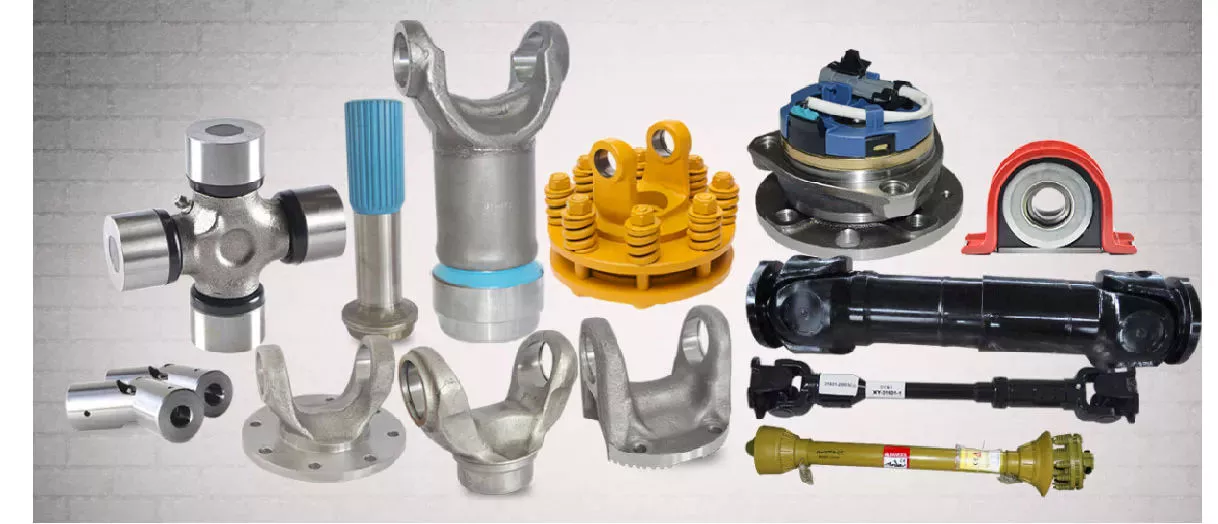
Apakah faktor yang perlu dipertimbangkan semasa memilih aci pemacu yang betul untuk sesuatu aplikasi?
Apabila memilih aci pemacu yang betul untuk sesuatu aplikasi, beberapa faktor perlu dipertimbangkan. Pemilihan aci pemacu memainkan peranan penting dalam memastikan penghantaran kuasa yang cekap dan andal. Berikut adalah faktor utama yang perlu dipertimbangkan:
1. Keperluan Kuasa dan Tork:
Keperluan kuasa dan tork bagi aplikasi ini merupakan pertimbangan penting. Adalah penting untuk menentukan tork maksimum yang perlu dihantar oleh aci pemacu tanpa kegagalan atau pesongan yang berlebihan. Ini termasuk menilai output kuasa enjin atau sumber kuasa, serta keperluan tork komponen yang dipacu. Memilih aci pemacu dengan diameter, kekuatan bahan dan reka bentuk yang sesuai adalah penting untuk memastikan ia dapat mengendalikan tahap tork yang dijangkakan tanpa menjejaskan prestasi atau keselamatan.
2. Kelajuan Operasi:
Kelajuan operasi aci pemacu merupakan satu lagi faktor kritikal. Kelajuan putaran mempengaruhi kelakuan dinamik aci pemacu, termasuk potensi getaran, resonans dan had kelajuan kritikal. Adalah penting untuk memilih aci pemacu yang boleh beroperasi dalam julat kelajuan yang diingini tanpa menghadapi getaran berlebihan atau menjejaskan integriti struktur. Faktor seperti sifat bahan, keseimbangan dan analisis kelajuan kritikal harus dipertimbangkan untuk memastikan aci pemacu dapat mengendalikan kelajuan operasi yang diperlukan dengan berkesan.
3. Panjang dan Penjajaran:
Keperluan panjang dan penjajaran aplikasi mesti dipertimbangkan semasa memilih aci pemacu. Jarak antara enjin atau sumber kuasa dan komponen pemacu menentukan panjang aci pemacu yang diperlukan. Dalam situasi di mana terdapat variasi panjang atau sudut operasi yang ketara, aci pemacu teleskopik atau berbilang aci pemacu dengan gandingan atau sambungan universal yang sesuai mungkin diperlukan. Penjajaran aci pemacu yang betul adalah penting untuk meminimumkan getaran, mengurangkan haus dan lusuh, dan memastikan penghantaran kuasa yang cekap.
4. Had Ruang:
Ruang yang tersedia dalam aplikasi merupakan faktor penting untuk dipertimbangkan. Aci pemacu mesti muat dalam ruang yang diperuntukkan tanpa mengganggu komponen atau struktur lain. Adalah penting untuk mempertimbangkan dimensi keseluruhan aci pemacu, termasuk panjang, diameter dan sebarang komponen tambahan seperti sambungan atau gandingan. Dalam sesetengah kes, reka bentuk aci pemacu tersuai atau padat mungkin diperlukan untuk menampung batasan ruang sambil mengekalkan keupayaan penghantaran kuasa yang mencukupi.
5. Keadaan Persekitaran:
Keadaan persekitaran di mana aci pemacu akan beroperasi harus dinilai. Faktor seperti suhu, kelembapan, agen menghakis dan pendedahan kepada bahan cemar boleh memberi kesan kepada prestasi dan jangka hayat aci pemacu. Adalah penting untuk memilih bahan dan salutan yang boleh menahan keadaan persekitaran tertentu untuk mencegah kakisan, degradasi atau kegagalan pramatang aci pemacu. Pertimbangan khas mungkin diperlukan untuk aplikasi yang terdedah kepada suhu ekstrem, air, bahan kimia atau bahan kasar.
6. Jenis Aplikasi dan Industri:
Jenis aplikasi khusus dan keperluan industri memainkan peranan penting dalam pemilihan aci pemacu. Industri yang berbeza, seperti automotif, aeroangkasa, jentera perindustrian, pertanian atau marin, mempunyai permintaan unik yang perlu ditangani. Memahami keperluan khusus dan keadaan operasi aplikasi adalah penting dalam menentukan reka bentuk, bahan dan ciri prestasi aci pemacu yang sesuai. Pematuhan terhadap piawaian dan peraturan industri juga boleh menjadi pertimbangan dalam aplikasi tertentu.
7. Penyelenggaraan dan Kebolehgunaan:
Kemudahan penyelenggaraan dan kebolehgunaan harus diambil kira. Sesetengah reka bentuk aci pemacu mungkin memerlukan pemeriksaan berkala, pelinciran atau penggantian komponen. Mempertimbangkan kebolehcapaian aci pemacu dan keperluan penyelenggaraan yang berkaitan dapat membantu meminimumkan masa henti dan memastikan kebolehpercayaan jangka panjang. Pembongkaran dan pemasangan semula aci pemacu yang mudah juga boleh memberi manfaat untuk pembaikan atau penggantian komponen.
Dengan mempertimbangkan faktor-faktor ini dengan teliti, seseorang boleh memilih aci pemacu yang betul untuk aplikasi yang memenuhi keperluan penghantaran kuasa, keadaan operasi dan keperluan ketahanan, seterusnya memastikan prestasi dan kebolehpercayaan yang optimum.
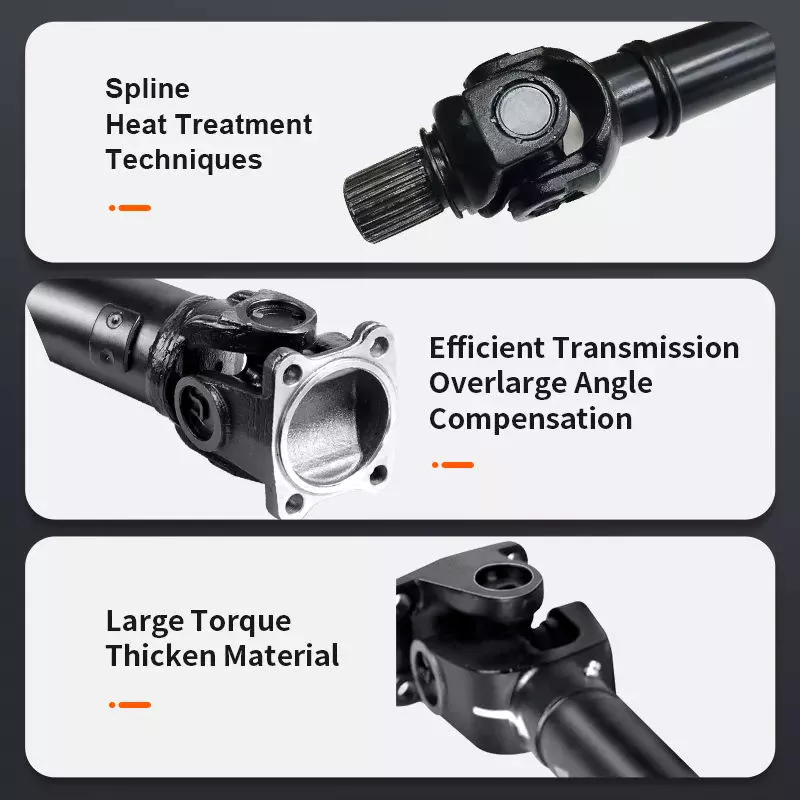
How do drive shafts contribute to the efficiency of vehicle propulsion and power transmission?
Drive shafts play a crucial role in the efficiency of vehicle propulsion and power transmission systems. They are responsible for transferring power from the engine or power source to the wheels or driven components. Here’s a detailed explanation of how drive shafts contribute to the efficiency of vehicle propulsion and power transmission:
1. Power Transfer:
Drive shafts transmit power from the engine or power source to the wheels or driven components. By efficiently transferring rotational energy, drive shafts enable the vehicle to move forward or drive the machinery. The design and construction of drive shafts ensure minimal power loss during the transfer process, maximizing the efficiency of power transmission.
2. Torque Conversion:
Drive shafts can convert torque from the engine or power source to the wheels or driven components. Torque conversion is necessary to match the power characteristics of the engine with the requirements of the vehicle or machinery. Drive shafts with appropriate torque conversion capabilities ensure that the power delivered to the wheels is optimized for efficient propulsion and performance.
3. Sambungan Halaju Malar (CV):
Many drive shafts incorporate Constant Velocity (CV) joints, which help maintain a constant speed and efficient power transmission, even when the driving and driven components are at different angles. CV joints allow for smooth power transfer and minimize vibration or power losses that may occur due to changing operating angles. By maintaining constant velocity, drive shafts contribute to efficient power transmission and improved overall vehicle performance.
4. Lightweight Construction:
Efficient drive shafts are often designed with lightweight materials, such as aluminum or composite materials. Lightweight construction reduces the rotational mass of the drive shaft, which results in lower inertia and improved efficiency. Reduced rotational mass enables the engine to accelerate and decelerate more quickly, allowing for better fuel efficiency and overall vehicle performance.
5. Minimized Friction:
Efficient drive shafts are engineered to minimize frictional losses during power transmission. They incorporate features such as high-quality bearings, low-friction seals, and proper lubrication to reduce energy losses caused by friction. By minimizing friction, drive shafts enhance power transmission efficiency and maximize the available power for propulsion or operating other machinery.
6. Balanced and Vibration-Free Operation:
Drive shafts undergo dynamic balancing during the manufacturing process to ensure smooth and vibration-free operation. Imbalances in the drive shaft can lead to power losses, increased wear, and vibrations that reduce overall efficiency. By balancing the drive shaft, it can spin evenly, minimizing vibrations and optimizing power transmission efficiency.
7. Maintenance and Regular Inspection:
Proper maintenance and regular inspection of drive shafts are essential for maintaining their efficiency. Regular lubrication, inspection of joints and components, and prompt repair or replacement of worn or damaged parts help ensure optimal power transmission efficiency. Well-maintained drive shafts operate with minimal friction, reduced power losses, and improved overall efficiency.
8. Integration with Efficient Transmission Systems:
Drive shafts work in conjunction with efficient transmission systems, such as manual, automatic, or continuously variable transmissions. These transmissions help optimize power delivery and gear ratios based on driving conditions and vehicle speed. By integrating with efficient transmission systems, drive shafts contribute to the overall efficiency of the vehicle propulsion and power transmission system.
9. Aerodynamic Considerations:
In some cases, drive shafts are designed with aerodynamic considerations in mind. Streamlined drive shafts, often used in high-performance or electric vehicles, minimize drag and air resistance to improve overall vehicle efficiency. By reducing aerodynamic drag, drive shafts contribute to the efficient propulsion and power transmission of the vehicle.
10. Optimized Length and Design:
Drive shafts are designed to have optimal lengths and designs to minimize energy losses. Excessive drive shaft length or improper design can introduce additional rotational mass, increase bending stresses, and result in energy losses. By optimizing the length and design, drive shafts maximize power transmission efficiency and contribute to improved overall vehicle efficiency.
Overall, drive shafts contribute to the efficiency of vehicle propulsion and power transmission through effective power transfer, torque conversion, utilization of CV joints, lightweight construction, minimized friction, balanced operation, regular maintenance, integration with efficient transmission systems, aerodynamic considerations, and optimized length and design. By ensuring efficient power delivery and minimizing energy losses, drive shafts play a significant role in enhancing the overall efficiency and performance of vehicles and machinery.

How do drive shafts handle variations in length and torque requirements?
Drive shafts are designed to handle variations in length and torque requirements in order to efficiently transmit rotational power. Here’s an explanation of how drive shafts address these variations:
Length Variations:
Drive shafts are available in different lengths to accommodate varying distances between the engine or power source and the driven components. They can be custom-made or purchased in standardized lengths, depending on the specific application. In situations where the distance between the engine and the driven components is longer, multiple drive shafts with appropriate couplings or universal joints can be used to bridge the gap. These additional drive shafts effectively extend the overall length of the power transmission system.
Additionally, some drive shafts are designed with telescopic sections. These sections can be extended or retracted, allowing for adjustments in length to accommodate different vehicle configurations or dynamic movements. Telescopic drive shafts are commonly used in applications where the distance between the engine and the driven components may change, such as in certain types of trucks, buses, and off-road vehicles.
Torque Requirements:
Drive shafts are engineered to handle varying torque requirements based on the power output of the engine or power source and the demands of the driven components. The torque transmitted through the drive shaft depends on factors such as the engine power, load conditions, and the resistance encountered by the driven components.
Manufacturers consider torque requirements when selecting the appropriate materials and dimensions for drive shafts. Drive shafts are typically made from high-strength materials, such as steel or aluminum alloys, to withstand the torque loads without deformation or failure. The diameter, wall thickness, and design of the drive shaft are carefully calculated to ensure it can handle the expected torque without excessive deflection or vibration.
In applications with high torque demands, such as heavy-duty trucks, industrial machinery, or performance vehicles, drive shafts may have additional reinforcements. These reinforcements can include thicker walls, cross-sectional shapes optimized for strength, or composite materials with superior torque-handling capabilities.
Furthermore, drive shafts often incorporate flexible joints, such as universal joints or constant velocity (CV) joints. These joints allow for angular misalignment and compensate for variations in the operating angles between the engine, transmission, and driven components. They also help absorb vibrations and shocks, reducing stress on the drive shaft and enhancing its torque-handling capacity.
In summary, drive shafts handle variations in length and torque requirements through customizable lengths, telescopic sections, appropriate materials and dimensions, and the inclusion of flexible joints. By carefully considering these factors, drive shafts can efficiently and reliably transmit power while accommodating the specific needs of different applications.


editor by CX 2024-04-26























