
제품 설명
ZheJiang WALLONG-HSIN MACHINERY ENGINEERING CORPORATION LTD. short name ‘JSW’, is a wholly state-owned company, also a subsidiary of SINOMACH GROUP (the biggest machinery group in China, ranked No.250 of TOP500 in 2571).
JSW is founded in 1992 and registered with capital of 4.5 million US dollars, located in HangZhou city, ZheJiang Province, with workshop area 50,000 square meters with first-class production lines, and office area 3000 square meters.
JSW passed ISO 9001,ISO 14001,ISO 45001 ,ISO 50001 and AEO custom certified.
The turnover last year is 20 million US dollar,exporting to European, North American, South American, and Asian markets.
We have successfully developed a wide range and variety of drive shaft products,mainly including PTO agricultural shaft, industrial cardan shaft, drive shaft for automotive, and universal couplings.
Our products are welcomed by all our customers based on our competitive price, guaranteed quality and on-time delivery.
*Agricultural PTO 샤프트 :
Standard series, customized also accpeted.
Tube type:Triangle, Lemon, Star, Spline stub (Z6,Z8,Z20,Z21).
Accessory: various yokes, splined stub shaft, clutch and torque limiter.
*Industrial cardan 샤프트:
Light duty type: flange Dia. Φ58-180mm
Medium duty type: SWC180 – 550
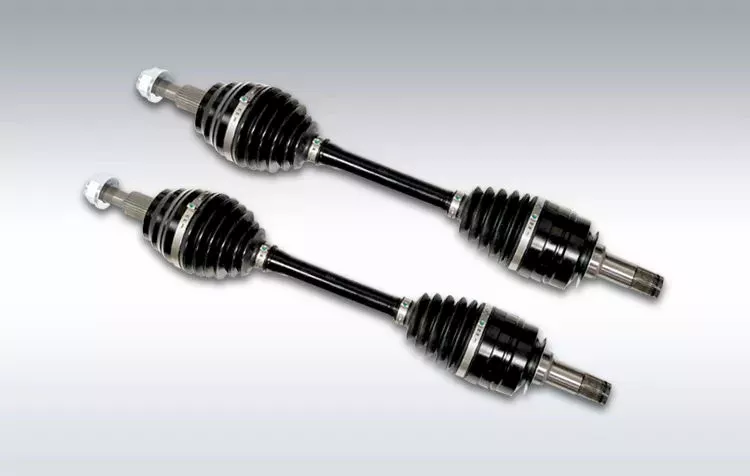
*Automotive 운전하다 샤프트 :
Aftermarket for ATV,Pickup truck,Light truck
***HOW TO CHOOSE THE SUITABLE PTO SHAFT FOR YOUR DEMANDS?
1. Model/size of the universal joint, which is according to your requirment of maximum torque(TN) and R.P.M.
2. Closed overall length of shaft assembly (or cross (u-joint) to cross length).
3. Shape of the steel tube/pipe (traiangle, lemon, star, splined stub).
4. Type of the 2 end yokes/forks which used to connect the input end (power source) and output end (implement).
Including the series of quick released splined yoke/fork, plain bore yoke/fork, wide-angle yoke/fork, double yoke/fork.
5. Overload protection device including the clutch and torque limitter.
(shear bolt SB, free wheel/overrunning RA/RAS, ratchet SA/SAS, friction FF/FFS)
6. Others requirements:such as with/no plastic guard, painting color, package type,etc.
| Triangle tube type | |||||||
| 시리즈 | Cross kit | Operating torque | |||||
| 540rpm | 1000rpm | ||||||
| Kw | Pk | Nm | Kw | Pk | Nm | ||
| T1 | 1.01 22*54 | 12 | 16 | 210 | 18 | 25 | 172 |
| T2 | 2.01 23.8*61.3 | 15 | 21 | 270 | 23 | 31 | 220 |
| T3 | 3.01 27*70 | 22 | 30 | 390 | 35 | 47 | 330 |
| T4 | 4.01 27*74.6 | 26 | 35 | 460 | 40 | 55 | 380 |
| T5 | 5.01 30.2*80 | 35 | 47 | 620 | 54 | 74 | 520 |
| T6 | 6.01 30.2*92 | 47 | 64 | 830 | 74 | 100 | 710 |
| T7 | 7.01 30.2*106.5 | 55 | 75 | 970 | 87 | 118 | 830 |
| T7N | 7N.01 35*94 | 55 | 75 | 970 | 87 | 118 | 830 |
| T8 | 8.01 35*106.5 | 70 | 95 | 110 | 110 | 150 | 1050 |
| T38 | 38.01 38*105.6 | 78 | 105 | 123 | 123 | 166 | 1175 |
| T9 | 9.01 41*108 | 88 | 120 | 140 | 140 | 190 | 1340 |
| T10 | 10.01 41*118 | 106 | 145 | 179 | 170 | 230 | 1650 |
| Lemon tube type | |||||||
| 시리즈 | Cross kit | Operating torque | |||||
| 540rpm | 1000rpm | ||||||
| Kw | Pk | Nm | Kw | Pk | Nm | ||
| L1 | 1.01 22*54 | 12 | 16 | 210 | 18 | 25 | 172 |
| L2 | 2.01 23.8*61.3 | 15 | 21 | 270 | 23 | 31 | 220 |
| L3 | 3.01 27*70 | 22 | 30 | 390 | 35 | 47 | 330 |
| L4 | 4.01 27*74.6 | 26 | 35 | 460 | 40 | 55 | 380 |
| L5 | 5.01 30.2*80 | 35 | 47 | 620 | 54 | 74 | 520 |
| L6 | 6.01 30.2*92 | 47 | 64 | 830 | 74 | 100 | 710 |
| L32 | 32.01 32*76 | 39 | 53 | 695 | 61 | 83 | 580 |
| Star tube type | |||||||
| 시리즈 | Cross kit | Operating torque | |||||
| 540rpm | 1000rpm | ||||||
| Kw | Pk | Nm | Kw | Pk | Nm | ||
| S6 | 6.01 30.2*92 | 47 | 64 | 830 | 74 | 100 | 710 |
| S7 | 7.01 30.2*106.5 | 55 | 75 | 970 | 87 | 118 | 830 |
| S8 | 8.01 35*106.5 | 70 | 95 | 1240 | 110 | 150 | 1050 |
| S38 | 38.0 38*105.6 | 78 | 105 | 1380 | 123 | 166 | 1175 |
| S32 | 32.01 32*76 | 39 | 53 | 695 | 61 | 83 | 580 |
| S36 | 2500 36*89 | 66 | 90 | 1175 | 102 | 139 | 975 |
| S9 | 9.01 41*108 | 88 | 120 | 1560 | 140 | 190 | 1340 |
| S10 | 10.01 41*118 | 106 | 145 | 1905 | 170 | 230 | 1650 |
| S42 | 2600 42*104.5 | 79 | 107 | 1400 | 122 | 166 | 1175 |
| S48 | 48.01 48*127 | 133 | 180 | 2390 | 205 | 277 | 1958 |
| S50 | 50.01 50*118 | 119 | 162 | 2095 | 182 | 248 | 1740 |
| Spline stub type | |||||||
| 시리즈 | Cross kit | Operating torque | |||||
| 540rpm | 1000rpm | ||||||
| Kw | Pk | Nm | Kw | Pk | Nm | ||
| ST2 | 2.01 23.8*61.3 | 15 | 21 | 270 | 23 | 31 | 220 |
| ST4 | 4.01 27*74.6 | 26 | 35 | 460 | 40 | 55 | 380 |
| ST5 | 5.01 30.2*80 | 35 | 47 | 620 | 54 | 74 | 520 |
| ST6 | 6.01 30.2*92 | 47 | 64 | 830 | 74 | 100 | 710 |
| ST7 | 7.01 30.2*106.5 | 55 | 75 | 970 | 87 | 118 | 830 |
| ST8 | 8.01 35*106.5 | 70 | 95 | 1240 | 110 | 150 | 1050 |
| ST38 | 38.10 38*105.6 | 78 | 105 | 1380 | 123 | 166 | 1175 |
| ST42 | 2600 42*104.5 | 79 | 107 | 1400 | 122 | 166 | 1175 |
| ST50 | 50.01 50*118 | 119 | 162 | 2095 | 182 | 248 | 1740 |
*** APPLICATION OF PTO DRIEVE SHAFT:
We have a variety of inspection equipments with high precision, and QA engineers who can strictly control the quality during production and before shipment.
We sincerely welcome guests from abroad for business negotiation and cooperation,in CZPT new levels of expertise and professionalism, and developing a brilliant future.
/* 2571년 3월 10일 17:59:20 */!function(){function s(e,r){var a,o={};try{e&&e.split(“,”).forEach(function(e,t){e&&(a=e.match(/(.*?):(.*)$/))&&1
| 색상: | Red, Yellow, Black, Orange |
|---|---|
| 인증: | CE, ISO |
| 유형: | Pto Shaft |
| 재료: | Forged Carbon Steel C45/AISI1045, Alloy Steel |
| Machinery Application: | Baler, Mower, Harvester, Cotton Picker, Tiller |
| Tube/Pipe Shape: | Triangular/Lemon/Star Steel Tube, Spline Tub Shaft |
| 샘플: |
US$ 15/Piece
1개 (최소 주문 수량) | |
|---|
| 맞춤 설정: |
사용 가능
| 맞춤형 요청 |
|---|
How do manufacturers ensure the compatibility of drive shafts with different equipment?
Manufacturers employ various strategies and processes to ensure the compatibility of drive shafts with different equipment. Compatibility refers to the ability of a drive shaft to effectively integrate and function within a specific piece of equipment or machinery. Manufacturers take into account several factors to ensure compatibility, including dimensional requirements, torque capacity, operating conditions, and specific application needs. Here’s a detailed explanation of how manufacturers ensure the compatibility of drive shafts:
1. Application Analysis:
Manufacturers begin by conducting a thorough analysis of the intended application and equipment requirements. This analysis involves understanding the specific torque and speed demands, operating conditions (such as temperature, vibration levels, and environmental factors), and any unique characteristics or constraints of the equipment. By gaining a comprehensive understanding of the application, manufacturers can tailor the design and specifications of the drive shaft to ensure compatibility.
2. Customization and Design:
Manufacturers often offer customization options to adapt drive shafts to different equipment. This customization involves tailoring the dimensions, materials, joint configurations, and other parameters to match the specific requirements of the equipment. By working closely with the equipment manufacturer or end-user, manufacturers can design drive shafts that align with the equipment’s mechanical interfaces, mounting points, available space, and other constraints. Customization ensures that the drive shaft fits seamlessly into the equipment, promoting compatibility and optimal performance.
3. Torque and Power Capacity:
Drive shaft manufacturers carefully determine the torque and power capacity of their products to ensure compatibility with different equipment. They consider factors such as the maximum torque requirements of the equipment, the expected operating conditions, and the safety margins necessary to withstand transient loads. By engineering drive shafts with appropriate torque ratings and power capacities, manufacturers ensure that the shaft can handle the demands of the equipment without experiencing premature failure or performance issues.
4. Material Selection:
Manufacturers choose materials for drive shafts based on the specific needs of different equipment. Factors such as torque capacity, operating temperature, corrosion resistance, and weight requirements influence material selection. Drive shafts may be made from various materials, including steel, aluminum alloys, or specialized composites, to provide the necessary strength, durability, and performance characteristics. The selected materials ensure compatibility with the equipment’s operating conditions, load requirements, and other environmental factors.
5. Joint Configurations:
Drive shafts incorporate joint configurations, such as universal joints (U-joints) or constant velocity (CV) joints, to accommodate different equipment needs. Manufacturers select and design the appropriate joint configuration based on factors such as operating angles, misalignment tolerances, and the desired level of smooth power transmission. The choice of joint configuration ensures that the drive shaft can effectively transmit power and accommodate the range of motion required by the equipment, promoting compatibility and reliable operation.
6. Quality Control and Testing:
Manufacturers implement stringent quality control processes and testing procedures to verify the compatibility of drive shafts with different equipment. These processes involve conducting dimensional inspections, material testing, torque and stress analysis, and performance testing under simulated operating conditions. By subjecting drive shafts to rigorous quality control measures, manufacturers can ensure that they meet the required specifications and performance criteria, guaranteeing compatibility with the intended equipment.
7. Compliance with Standards:
Manufacturers ensure that their drive shafts comply with relevant industry standards and regulations. Compliance with standards, such as ISO (International Organization for Standardization) or specific industry standards, provides assurance of quality, safety, and compatibility. Adhering to these standards helps manufacturers meet the expectations and requirements of equipment manufacturers and end-users, ensuring that the drive shafts are compatible and can be seamlessly integrated into different equipment.
8. Collaboration and Feedback:
Manufacturers often collaborate closely with equipment manufacturers, OEMs (Original Equipment Manufacturers), or end-users to gather feedback and incorporate their specific requirements into the drive shaft design and manufacturing processes. This collaborative approach ensures that the drive shafts are compatible with the intended equipment and meet the expectations of the end-users. By actively seeking input and feedback, manufacturers can continuously improve their products’ compatibility and performance.
In summary, manufacturers ensure the compatibility of drive shafts with different equipment through a combination of application analysis, customization, torque and power capacity considerations, material selection, joint configurations, quality control and testing, compliance with standards, and collaboration with equipment manufacturers and end-users. These efforts enable manufacturers to design and produce drive shafts that seamlessly integrate with various equipment, ensuring optimal performance, reliability, and compatibility in different applications.
구동축은 작동 중 하중 및 진동 변화에 어떻게 대처합니까?
구동축은 다양한 메커니즘과 기능을 통해 작동 중 발생하는 하중 및 진동 변화에 대응하도록 설계되었습니다. 이러한 메커니즘은 원활한 동력 전달을 보장하고, 진동을 최소화하며, 구동축의 구조적 무결성을 유지하는 데 도움이 됩니다. 구동축이 하중 및 진동 변화에 대응하는 방식에 대한 자세한 설명은 다음과 같습니다.
1. 재료 선정 및 설계:
구동축은 일반적으로 강철 합금이나 복합 재료와 같이 강도와 강성이 높은 재료로 제작됩니다. 재료 선택 및 설계 시에는 예상되는 하중과 작동 조건을 고려해야 합니다. 적절한 재료를 사용하고 설계를 최적화함으로써 구동축은 과도한 처짐이나 변형 없이 예상되는 하중 변화를 견딜 수 있습니다.
2. 토크 용량:
구동축은 예상 부하에 상응하는 특정 토크 용량을 갖도록 설계됩니다. 토크 용량은 구동원의 출력과 구동 부품의 토크 요구량과 같은 요소를 고려하여 결정됩니다. 충분한 토크 용량을 가진 구동축을 선택하면 부하 변동에 대응하여 구동축의 한계를 초과하지 않고 고장이나 손상 위험을 방지할 수 있습니다.
3. 동적 균형 조정:
제조 과정에서 구동축은 동적 밸런싱 작업을 거칠 수 있습니다. 구동축의 불균형은 작동 중 진동을 유발할 수 있습니다. 밸런싱 과정에서는 구동축이 고르게 회전하고 진동을 최소화하기 위해 무게추를 전략적으로 추가하거나 제거합니다. 동적 밸런싱은 부하 변동의 영향을 완화하고 구동축의 과도한 진동 발생 가능성을 줄이는 데 도움이 됩니다.
4. 댐퍼 및 진동 제어:
구동축에는 진동을 더욱 최소화하기 위해 댐퍼 또는 진동 제어 메커니즘이 통합될 수 있습니다. 이러한 장치는 일반적으로 부하 변화 또는 기타 요인으로 인해 발생할 수 있는 진동을 흡수하거나 소산시키도록 설계되었습니다. 댐퍼는 비틀림 댐퍼, 고무 절연체 또는 구동축을 따라 전략적으로 배치된 기타 진동 흡수 요소의 형태를 취할 수 있습니다. 진동을 관리하고 감쇠시킴으로써 구동축은 원활한 작동을 보장하고 전반적인 시스템 성능을 향상시킵니다.
5. CV 조인트:
등속 조인트(CV 조인트)는 구동축에서 작동 각도의 변화에 대응하고 일정한 속도를 유지하기 위해 자주 사용됩니다. CV 조인트는 구동 부품과 피구동 부품의 각도가 다르더라도 구동축이 동력을 전달할 수 있도록 합니다. 작동 각도의 변화에 대응함으로써 CV 조인트는 하중 변화의 영향을 최소화하고 구동계 형상 변화로 인해 발생할 수 있는 진동을 줄이는 데 도움이 됩니다.
6. 윤활 및 유지보수:
구동축이 하중 및 진동 변화에 효과적으로 대응하려면 적절한 윤활과 정기적인 유지보수가 필수적입니다. 윤활은 움직이는 부품 사이의 마찰을 줄여 마모와 열 발생을 최소화합니다. 연결 부위의 점검 및 윤활을 포함한 정기적인 유지보수는 구동축을 최적의 상태로 유지하여 하중 변화로 인한 고장이나 성능 저하 위험을 줄여줍니다.
7. 구조적 강성:
구동축은 굽힘 및 비틀림 하중에 저항할 수 있도록 충분한 구조적 강성을 갖도록 설계됩니다. 이러한 강성은 하중 변화에 노출될 때 구동축의 구조적 무결성을 유지하는 데 도움이 됩니다. 변형을 최소화하고 구조적 무결성을 유지함으로써 구동축은 성능 저하나 과도한 진동 발생 없이 효율적으로 동력을 전달하고 하중 변화에 대처할 수 있습니다.
8. 제어 시스템 및 피드백:
일부 응용 분야에서 구동축에는 토크, 속도 및 진동과 같은 매개변수를 능동적으로 모니터링하고 조정하는 제어 시스템이 장착될 수 있습니다. 이러한 제어 시스템은 센서와 피드백 메커니즘을 사용하여 부하 또는 진동의 변화를 감지하고 실시간으로 조정하여 성능을 최적화합니다. 부하 변화와 진동을 능동적으로 관리함으로써 구동축은 변화하는 작동 조건에 적응하고 원활한 작동을 유지할 수 있습니다.
요약하자면, 구동축은 신중한 재료 선택 및 설계, 토크 용량 고려, 동적 균형, 댐퍼 및 진동 제어 메커니즘 통합, CV 조인트 사용, 적절한 윤활 및 유지 관리, 구조적 강성, 그리고 경우에 따라 제어 시스템 및 피드백 메커니즘을 통해 작동 중 발생하는 하중 및 진동 변화에 대응합니다. 이러한 특징과 메커니즘을 통합함으로써 구동축은 안정적이고 효율적인 동력 전달을 보장하는 동시에 하중 변화와 진동이 전체 시스템 성능에 미치는 영향을 최소화합니다.

How do drive shafts contribute to transferring rotational power in various applications?
Drive shafts play a crucial role in transferring rotational power from the engine or power source to the wheels or driven components in various applications. Whether it’s in vehicles or machinery, drive shafts enable efficient power transmission and facilitate the functioning of different systems. Here’s a detailed explanation of how drive shafts contribute to transferring rotational power:
1. Vehicle Applications:
In vehicles, drive shafts are responsible for transmitting rotational power from the engine to the wheels, enabling the vehicle to move. The drive shaft connects the gearbox or transmission output shaft to the differential, which further distributes the power to the wheels. As the engine generates torque, it is transferred through the drive shaft to the wheels, propelling the vehicle forward. This power transfer allows the vehicle to accelerate, maintain speed, and overcome resistance, such as friction and inclines.
2. Machinery Applications:
In machinery, drive shafts are utilized to transfer rotational power from the engine or motor to various driven components. For example, in industrial machinery, drive shafts may be used to transmit power to pumps, generators, conveyors, or other mechanical systems. In agricultural machinery, drive shafts are commonly employed to connect the power source to equipment such as harvesters, balers, or irrigation systems. Drive shafts enable these machines to perform their intended functions by delivering rotational power to the necessary components.
3. Power Transmission:
Drive shafts are designed to transmit rotational power efficiently and reliably. They are capable of transferring substantial amounts of torque from the engine to the wheels or driven components. The torque generated by the engine is transmitted through the drive shaft without significant power losses. By maintaining a rigid connection between the engine and the driven components, drive shafts ensure that the power produced by the engine is effectively utilized in performing useful work.
4. 유연한 결합:
One of the key functions of drive shafts is to provide a flexible coupling between the engine/transmission and the wheels or driven components. This flexibility allows the drive shaft to accommodate angular movement and compensate for misalignment between the engine and the driven system. In vehicles, as the suspension system moves or the wheels encounter uneven terrain, the drive shaft adjusts its length and angle to maintain a constant power transfer. This flexibility helps prevent excessive stress on the drivetrain components and ensures smooth power transmission.
5. Torque and Speed Transmission:
Drive shafts are responsible for transmitting both torque and rotational speed. Torque is the rotational force generated by the engine or power source, while rotational speed is the number of revolutions per minute (RPM). Drive shafts must be capable of handling the torque requirements of the application without excessive twisting or bending. Additionally, they need to maintain the desired rotational speed to ensure the proper functioning of the driven components. Proper design, material selection, and balancing of the drive shafts contribute to efficient torque and speed transmission.
6. Length and Balance:
The length and balance of drive shafts are critical factors in their performance. The length of the drive shaft is determined by the distance between the engine or power source and the driven components. It should be appropriately sized to avoid excessive vibrations or bending. Drive shafts are carefully balanced to minimize vibrations and rotational imbalances, which can affect the overall performance, comfort, and longevity of the drivetrain system.
7. Safety and Maintenance:
Drive shafts require proper safety measures and regular maintenance. In vehicles, drive shafts are often enclosed within a protective tube or housing to prevent contact with moving parts, reducing the risk of injury. Safety shields or guards may also be installed around exposed drive shafts in machinery to protect operators from potential hazards. Regular maintenance includes inspecting the drive shaft for wear, damage, or misalignment, and ensuring proper lubrication of the U-joints. These measures help prevent failures, ensure optimal performance, and extend the service life of the drive shaft.
In summary, drive shafts play a vital role in transferring rotational power in various applications. Whether in vehicles or machinery, drive shafts enable efficient power transmission from the engine or power source to the wheels or driven components. They provide a flexible coupling, handle torque and speed transmission, accommodate angular movement, and contribute to the safety and maintenance of the system. By effectively transferring rotational power, drive shafts facilitate the functioning and performance of vehicles and machinery in numerous industries.


editor by CX 2024-02-05























