
제품 설명
SWC-I Series-Light-Duty Designs Cardan shaft
Designs
Data and Size of SWC-I Series Universal Joint Couplings
| 유형 | Desian Data Item |
SWC-I 58 |
SWC-I 65 |
SWC-I 75 |
SWC-I 90 |
SWC-I 100 |
SWC-I 120 |
SWC-I 150 |
SWC-I 180 |
SWC-I 200 |
SWC-I 225 |
| 에이 | 엘 | 255 | 285 | 335 | 385 | 445 | 500 | 590 | 640 | 775 | 860 |
| Lv | 35 | 40 | 40 | 45 | 55 | 80 | 80 | 80 | 100 | 120 | |
| m(kg) | 2.2 | 3.0 | 5.0 | 6.6 | 9.5 | 17 | 32 | 40 | 76 | 128 | |
| B | 엘 | 150 | 175 | 200 | 240 | 260 | 295 | 370 | 430 | 530 | 600 |
| m(kg) | 1.7 | 2.4 | 3.8 | 5.7 | 7.7 | 13.1 | 23 | 28 | 55 | 98 | |
| 기음 | 엘 | 128 | 156 | 180 | 208 | 220 | 252 | 340 | 348 | 440 | 480 |
| m(kg) | 1.3 | 1.95 | 3.1 | 5.0 | 7.0 | 12.3 | 22 | 30 | 56 | 96 | |
| Tn(N·m) | 150 | 200 | 400 | 750 | 1250 | 2500 | 4500 | 8400 | 16000 | 22000 | |
| Tf(N·m) | 75 | 100 | 200 | 375 | 630 | 1250 | 2250 | 4200 | 8000 | 11000 | |
| β(°) | 35 | 35 | 35 | 35 | 35 | 35 | 35 | 25 | 25 | 25 | |
| D | 52 | 63 | 72 | 92 | 100 | 112 | 142 | 154 | 187 | 204 | |
| Df | 58 | 65 | 75 | 90 | 100 | 120 | 150 | 180 | 200 | 225 | |
| D1 | 47 | 52 | 62 | 74.5 | 84 | 101.5 | 130 | 155.5 | 170 | 196 | |
| D2(H9) | 30 | 35 | 42 | 47 | 57 | 75 | 90 | 110 | 125 | 140 | |
| D3 | 38 | 38 | 4 | 50 | 60 | 70 | 89 | 102 | 114 | 140 | |
| Lm | 32 | 39 | 45 | 52 | 55 | 63 | 85 | 87 | 110 | 120 | |
| k | 3.5 | 4.5 | 5.5 | 6.0 | 8.0 | 8.0 | 10.0 | 12.0 | 14.0 | 15.0 | |
| t | 1.5 | 1.7 | 2.0 | 2.5 | 2.5 | 2.5 | 3.0 | 4.0 | 4.0 | 5.0 | |
| N | 4 | 4 | 6 | 4 | 6 | 8 | 8 | 8 | 8 | 8 | |
| d | 5.1 | 6.5 | 6.5 | 8.5 | 8.5 | 10.5 | 13 | 15 | 17 | 17 | |
| MI(kg) | 0.14 | 0.16 | 0.38 | 0.38 | 0.53 | 0.53 | 0.87 | 0.87 | 1.65 | 2.14 | |
| Flange bolt | size | M5 | M6 | M6 | M8 | M8 | M10 | M12 | M14 | M16 | M16 |
| Tightening torque(N·m) | 7 | 13 | 13 | 32 | 32 | 64 | 110 | 180 | 270 | 270 |
1. Notations:
L=Standard length, or compressed length for designs with length compensation;
LV=Length compensation;
M=Weight;
Tn=Nominal torque(Yield torque 50% over Tn);
TF=Fatigue torque, I. E. Permissible torque as determined according to the fatigue strength
Under reversing loads;
β=Maximum deflection angle;
MI=weight per 100mm tube
2. Millimeters are used as measurement units except where noted;
3. Please consult us for customizations regarding length, length compensation and
Flange connections.
Brief Introduction
Processing flow
Applications
Quality Control
| 상태: | 새로운 |
|---|---|
| 색상: | Red |
| 인증: | ISO |
| 구조: | Double |
| 재료: | Alloy Steel |
| 유형: | Retractable |
| 맞춤 설정: |
사용 가능
| 맞춤형 요청 |
|---|
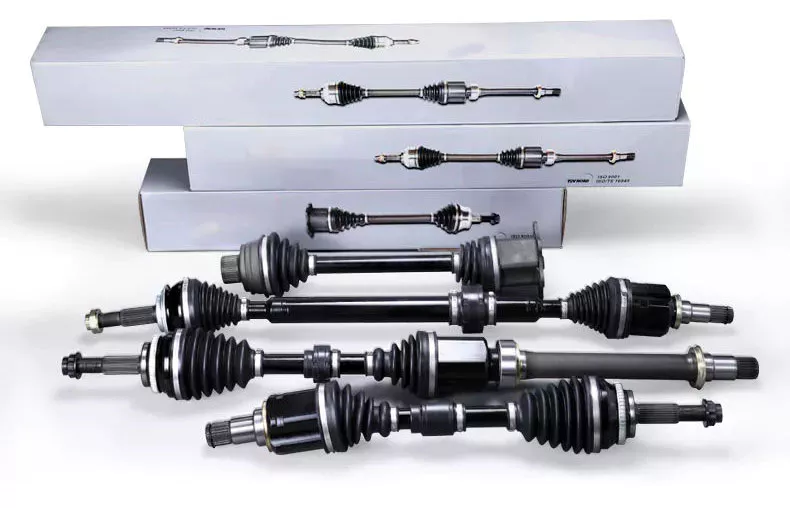
How do PTO shafts ensure efficient power transfer while maintaining safety?
PTO (Power Take-Off) shafts play a crucial role in ensuring efficient power transfer from a power source to driven machinery or equipment, while also maintaining safety. These shafts are designed with various features and mechanisms to optimize power transmission efficiency and mitigate potential hazards. Here’s a detailed explanation of how PTO shafts achieve efficient power transfer while prioritizing safety:
1. Mechanical Power Transmission: PTO shafts serve as mechanical linkages between the power source, typically a tractor or engine, and the driven machinery. They transmit rotational power from the power source to the equipment, enabling efficient transfer of energy. The mechanical design of PTO shafts, including their diameter, length, and material composition, is optimized to minimize power losses during transmission, ensuring that a significant portion of the power generated by the source is effectively delivered to the machinery.
2. Universal Joints and Flexible Couplings: PTO shafts are equipped with universal joints and flexible couplings that allow for angular misalignment and flexibility in movement. Universal joints accommodate variations in the alignment between the power source and the driven machinery, enabling smooth power transfer even when the two components are not perfectly aligned. Flexible couplings help to compensate for slight misalignments, reduce vibration, and prevent excessive stress on the shaft and connected components, thereby enhancing efficiency and reducing the risk of mechanical failure or damage.
3. Constant Velocity (CV) Joints: CV joints are often used in PTO shafts to maintain constant speed and torque transfer, particularly in applications where the driven machinery requires flexibility or operates at different angles. CV joints allow for smooth power transmission without significant fluctuations, even when the driven machinery is at an angle relative to the power source. By minimizing speed variations and power loss due to changing angles, CV joints contribute to efficient power transfer while ensuring consistent performance and reducing the likelihood of mechanical stress or premature wear.
4. Safety Guards and Shields: Safety is a paramount consideration in the design of PTO shafts. Protective guards and shields are installed to cover the rotating shaft and other moving parts. These guards act as physical barriers to prevent accidental contact with the rotating components, significantly reducing the risk of entanglement, injury, or damage. Safety guards are typically made of durable materials such as metal or plastic and are designed to allow the necessary movement for power transmission while providing adequate protection. Regular inspection and maintenance of these guards are crucial to ensure their effectiveness in maintaining safety.
5. Shear Bolt or Slip Clutch Mechanisms: PTO shafts often incorporate shear bolt or slip clutch mechanisms as safety features to protect the driveline components and prevent damage in case of excessive torque or sudden resistance. Shear bolts are designed to shear or break when the torque exceeds a predetermined threshold, disconnecting the PTO shaft from the power source. This helps prevent damage to the shaft, driven machinery, and power source. Slip clutches work similarly by allowing the PTO shaft to slip when excessive resistance is encountered, protecting the components from overload. These mechanisms act as safety measures to maintain the integrity of the PTO shaft and associated equipment while minimizing the risk of mechanical failures or accidents.
6. Compliance with Safety Standards: PTO shafts are designed and manufactured to comply with relevant safety standards and regulations. Manufacturers follow guidelines and requirements set by organizations such as the American Society of Agricultural and Biological Engineers (ASABE) or other regional safety authorities. Compliance with these standards ensures that PTO shafts meet specific safety criteria, including torque capacity, guard design, and other safety considerations. Users can rely on standardized PTO shafts that have undergone testing and certification, providing an additional layer of assurance regarding their safety and performance.
7. Operator Education and Training: To ensure safe and efficient operation, it is essential for operators to receive proper education and training on PTO shafts. Operators should be familiar with the specific safety features, maintenance requirements, and safe operating procedures for the PTO shafts used in their applications. This includes understanding the importance of using appropriate personal protective equipment, regularly inspecting the equipment for wear or damage, and following recommended maintenance schedules. Operator awareness and adherence to safety protocols significantly contribute to maintaining a safe working environment and maximizing the efficiency of power transfer.
In summary, PTO shafts ensure efficient power transfer while maintaining safety through their mechanical design, incorporation of universal joints and CV joints, installation of safety guards and shields, implementation of shear bolt or slip clutch mechanisms, compliance with safety standards, and operator education. By combining these features and practices, PTO shafts provide reliable and secure power transmission, minimizing power losses and potential risks associated with their operation.

Can you provide real-world examples of equipment that use PTO shafts?
Power Take-Off (PTO) shafts are extensively used in various industries, particularly in agriculture and construction. They provide a reliable power source for a wide range of equipment, enabling efficient operation and increased productivity. Here are some real-world examples of equipment that commonly use PTO shafts:
1. Agricultural Machinery:
- Tractor Implements: A wide array of tractor-mounted implements rely on PTO shafts for power transfer. These include:
- Mowers and rotary cutters
- Balers and hay equipment
- Tillers and cultivators
- Seeders and planters
- Sprayers
- Manure spreaders
- Harvesters, such as combine harvesters and forage harvesters
- Stationary Equipment: PTO shafts are also used in stationary agricultural equipment, including:
- Feed grinders and mixers
- Silo unloaders
- Grain augers and elevators
- Irrigation pumps
- Wood chippers and shredders
- Stump grinders
2. Construction and Earthmoving Equipment:
- Backhoes and Excavators: PTO shafts can be found in backhoes and excavators, powering attachments such as augers, hydraulic hammers, and brush cutters.
- Post Hole Diggers: Post hole diggers used for fence installation often rely on PTO shafts to transfer power to the digging mechanism.
- Trenchers: Trenching machines equipped with PTO shafts efficiently dig trenches for utility installations, drainage systems, or irrigation lines.
- Stump Grinders: Stump grinders used in land clearing and tree removal operations often utilize PTO shafts to power their cutting blades.
- Soil Stabilizers and Road Reclaimers: These machines use PTO shafts to drive the rotor and milling drums, which pulverize and mix materials for road construction and maintenance.
3. Forestry Equipment:
- Wood Chippers: Wood chippers used for processing tree branches and logs into wood chips are commonly powered by PTO shafts.
- Brush Cutters and Mulchers: PTO-driven brush cutters and mulchers are employed to clear vegetation and maintain forested areas.
- Log Splitters: Log splitters that split logs into firewood often utilize PTO shafts to power the splitting mechanism.
4. Utility Equipment:
- Generators: Some generators are designed to be driven by PTO shafts, providing an auxiliary power source for various applications in remote locations or during power outages.
- Pumps: PTO-driven pumps are commonly used for agricultural irrigation, water transfer, and dewatering applications.
5. Specialty Equipment:
- Ice Resurfacers: PTO shafts are employed in ice resurfacing machines used in ice rinks to maintain a smooth ice surface for ice hockey and figure skating.
- Air Compressors: Some air compressors are driven by PTO shafts, providing a source of compressed air for various applications.
These examples represent a range of equipment that extensively relies on PTO shafts for power transfer. PTO shafts enable the efficient operation of these machines, increasing productivity and versatility across various industries.

PTO 샤프트는 다양한 유형의 기계에 어떤 이점을 제공합니까?
PTO축(동력인출축)은 농업 및 산업 분야의 다양한 기계에 여러 가지 이점을 제공합니다. PTO축은 유연하고 효율적인 동력 전달 수단을 제공하여 기계가 특정 작업과 기능을 수행할 수 있도록 합니다. 다음은 PTO축이 다양한 유형의 기계에 제공하는 이점에 대한 자세한 설명입니다.
다재: PTO 샤프트는 트랙터나 엔진과 같은 공통 동력원을 사용하여 여러 기계나 작업기를 구동할 수 있도록 함으로써 기계의 활용도를 높여줍니다. 즉, PTO 샤프트를 연결하고 분리하는 것만으로 하나의 동력원을 사용하여 여러 작업기나 기계를 작동시킬 수 있습니다. 예를 들어 농업 분야에서 PTO 샤프트가 장착된 트랙터는 잔디 깎는 기계, 베일러, 경운기, 분무기, 곡물 이송 장치 등 다양한 작업기를 작동시킬 수 있습니다. 마찬가지로 산업 분야에서도 PTO 샤프트는 하나의 엔진이나 모터를 사용하여 발전기, 펌프, 압축기, 산업용 믹서와 같은 다양한 기계나 장비를 작동시킬 수 있도록 해줍니다.
능률: PTO 샤프트는 동력원에서 기계로 효율적으로 동력을 전달하는 방법을 제공합니다. 동력원과 구동 기계를 직접 연결함으로써, PTO 샤프트는 다른 동력 전달 방식에서 발생할 수 있는 에너지 손실을 최소화합니다. 이러한 직접적인 동력 전달은 기계의 전반적인 효율과 성능을 향상시킵니다. 또한, PTO 샤프트는 특정 기계의 요구 사항에 맞춰 회전 속도와 출력 조절이 가능하여 최적의 작동을 보장하고 불필요한 에너지 소비를 줄여줍니다.
비용 절감: PTO(동력인출장치)를 사용하면 여러 가지 방식으로 비용을 절감할 수 있습니다. 첫째, 단일 동력원을 사용하여 여러 기계나 작업기를 구동할 수 있으므로 각 장비마다 별도의 엔진이나 모터가 필요 없어 자본 비용을 줄일 수 있습니다. 둘째, PTO는 기존 동력원을 활용하므로 추가적인 연료나 에너지원이 필요하지 않아 연료비 또는 에너지 비용을 절감할 수 있습니다. 또한 PTO의 다용도성은 장비 활용도를 향상시켜 투자 수익을 극대화할 수 있도록 해줍니다.
유연성: PTO 샤프트는 장비 설치 및 구성 측면에서 유연성을 제공합니다. 길이 조절이 가능하거나 텔레스코픽 섹션을 장착할 수 있어 다양한 장비 배치와 동력원과 구동 장치 사이의 거리에 쉽게 적응할 수 있습니다. 이러한 유연성 덕분에 작업자는 필요에 따라 PTO 샤프트를 신속하게 연결 및 분리할 수 있어 효율적인 장비 교체가 가능하고 가동 중지 시간을 줄일 수 있습니다. 또한 PTO 샤프트의 회전 속도와 출력 조절 기능은 다양한 기계 및 용도의 특정 요구 사항에 맞춰 더욱 유연하게 사용할 수 있도록 해줍니다.
사용 편의성: PTO 샤프트는 사용이 비교적 간편하여 최소한의 교육만으로도 작업자가 쉽게 다룰 수 있습니다. PTO 샤프트의 연결 및 분리 과정은 간단하며, 대개 단순한 커플링이나 잠금 장치를 사용합니다. 이러한 사용 편의성은 장비의 조작성을 향상시켜 작업자가 큰 노력이나 시간 소모적인 절차 없이 다양한 작업기나 기계를 신속하게 전환할 수 있도록 합니다. 또한, PTO 샤프트를 통한 직접적인 동력 전달은 장비 작동을 간소화합니다. 추가적인 제어 장치나 전력 관리 시스템 없이 기존 전원을 사용하여 기계를 작동할 수 있기 때문입니다.
생산성 향상: PTO 샤프트는 농업 및 산업 현장에서 생산성 향상에 기여합니다. 다양한 기계 구성이 가능해짐으로써 작업자는 단일 동력원을 사용하여 광범위한 작업을 수행할 수 있습니다. 이는 수작업이나 여러 대의 기계 사용 필요성을 없애고 작업 흐름을 간소화하며 다양한 작업 완료에 소요되는 시간을 단축합니다. PTO 샤프트를 통한 효율적이고 신뢰할 수 있는 동력 전달은 기계의 일관되고 효과적인 작동을 보장하여 생산성 향상에 기여하며, 결과적으로 생산량 증대와 가동 중지 시간 단축으로 이어집니다.
안전: PTO 샤프트는 기계 성능과 직접적인 관련은 없지만 안전상의 이점도 제공합니다. PTO 샤프트에 안전 보호 장치 또는 가드를 설치하면 회전하는 샤프트와의 우발적인 접촉을 방지하여 작업자의 부상 위험을 줄일 수 있습니다. 이러한 안전 장치는 회전하는 샤프트와 유니버설 조인트를 덮도록 설계되어 작업자가 작동 중에 해당 부위에 접촉하지 않도록 합니다. PTO 샤프트 작동에 대한 적절한 교육과 안전 지침 준수는 PTO 구동 기계를 사용할 때 작업자의 안전을 더욱 향상시킵니다.
요약하자면, PTO 샤프트는 다양한 유형의 기계에 여러 가지 이점을 제공합니다. 이러한 이점에는 향상된 활용성, 효율성 개선, 비용 절감, 장비 구성의 유연성, 사용 편의성, 생산성 향상 및 작업자 안전성 강화가 포함됩니다. PTO 샤프트는 공통 동력원에서 여러 기계 또는 작업기로 직접 동력을 전달하여 최적화된 성능과 작업 효율성을 제공함으로써 농업 및 산업 분야에서 중요한 역할을 합니다.


CX 편집, 2023년 9월 28일























