
Описание продукта
SWC-I Series-Light-Duty Designs Cardan shaft
Designs
Data and Size of SWC-I Series Universal Joint Couplings
| Тип | Desian Data Item |
SWC-I 58 |
SWC-I 65 |
SWC-I 75 |
SWC-I 90 |
SWC-I 100 |
SWC-I 120 |
SWC-I 150 |
SWC-I 180 |
SWC-I 200 |
SWC-I 225 |
| А | Л | 255 | 285 | 335 | 385 | 445 | 500 | 590 | 640 | 775 | 860 |
| Lv | 35 | 40 | 40 | 45 | 55 | 80 | 80 | 80 | 100 | 120 | |
| m(kg) | 2.2 | 3.0 | 5.0 | 6.6 | 9.5 | 17 | 32 | 40 | 76 | 128 | |
| B | Л | 150 | 175 | 200 | 240 | 260 | 295 | 370 | 430 | 530 | 600 |
| m(kg) | 1.7 | 2.4 | 3.8 | 5.7 | 7.7 | 13.1 | 23 | 28 | 55 | 98 | |
| С | Л | 128 | 156 | 180 | 208 | 220 | 252 | 340 | 348 | 440 | 480 |
| m(kg) | 1.3 | 1.95 | 3.1 | 5.0 | 7.0 | 12.3 | 22 | 30 | 56 | 96 | |
| Tn(N·m) | 150 | 200 | 400 | 750 | 1250 | 2500 | 4500 | 8400 | 16000 | 22000 | |
| Tf(N·m) | 75 | 100 | 200 | 375 | 630 | 1250 | 2250 | 4200 | 8000 | 11000 | |
| β(°) | 35 | 35 | 35 | 35 | 35 | 35 | 35 | 25 | 25 | 25 | |
| D | 52 | 63 | 72 | 92 | 100 | 112 | 142 | 154 | 187 | 204 | |
| Df | 58 | 65 | 75 | 90 | 100 | 120 | 150 | 180 | 200 | 225 | |
| D1 | 47 | 52 | 62 | 74.5 | 84 | 101.5 | 130 | 155.5 | 170 | 196 | |
| D2(H9) | 30 | 35 | 42 | 47 | 57 | 75 | 90 | 110 | 125 | 140 | |
| D3 | 38 | 38 | 4 | 50 | 60 | 70 | 89 | 102 | 114 | 140 | |
| Lm | 32 | 39 | 45 | 52 | 55 | 63 | 85 | 87 | 110 | 120 | |
| k | 3.5 | 4.5 | 5.5 | 6.0 | 8.0 | 8.0 | 10.0 | 12.0 | 14.0 | 15.0 | |
| t | 1.5 | 1.7 | 2.0 | 2.5 | 2.5 | 2.5 | 3.0 | 4.0 | 4.0 | 5.0 | |
| н | 4 | 4 | 6 | 4 | 6 | 8 | 8 | 8 | 8 | 8 | |
| d | 5.1 | 6.5 | 6.5 | 8.5 | 8.5 | 10.5 | 13 | 15 | 17 | 17 | |
| MI(kg) | 0.14 | 0.16 | 0.38 | 0.38 | 0.53 | 0.53 | 0.87 | 0.87 | 1.65 | 2.14 | |
| Flange bolt | size | M5 | M6 | M6 | M8 | M8 | M10 | M12 | M14 | M16 | M16 |
| Tightening torque(N·m) | 7 | 13 | 13 | 32 | 32 | 64 | 110 | 180 | 270 | 270 |
1. Notations:
L=Standard length, or compressed length for designs with length compensation;
LV=Length compensation;
M=Weight;
Tn=Nominal torque(Yield torque 50% over Tn);
TF=Fatigue torque, I. E. Permissible torque as determined according to the fatigue strength
Under reversing loads;
β=Maximum deflection angle;
MI=weight per 100mm tube
2. Millimeters are used as measurement units except where noted;
3. Please consult us for customizations regarding length, length compensation and
Flange connections.
Brief Introduction
Processing flow
Applications
Quality Control
| Состояние: | Новый |
|---|---|
| Цвет: | Red |
| Сертификация: | ISO |
| Структура: | Double |
| Материал: | Легированная сталь |
| Тип: | Retractable |
| Настройка: |
Доступный
| Индивидуальный запрос |
|---|
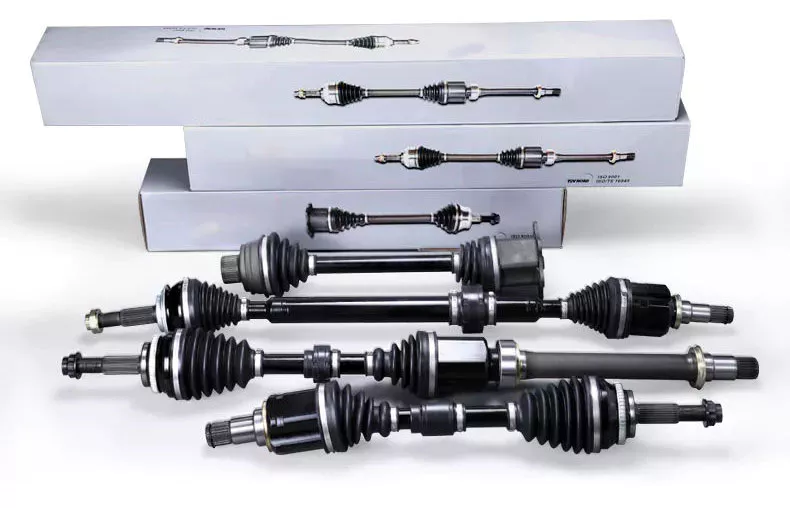
How do PTO shafts ensure efficient power transfer while maintaining safety?
PTO (Power Take-Off) shafts play a crucial role in ensuring efficient power transfer from a power source to driven machinery or equipment, while also maintaining safety. These shafts are designed with various features and mechanisms to optimize power transmission efficiency and mitigate potential hazards. Here’s a detailed explanation of how PTO shafts achieve efficient power transfer while prioritizing safety:
1. Mechanical Power Transmission: PTO shafts serve as mechanical linkages between the power source, typically a tractor or engine, and the driven machinery. They transmit rotational power from the power source to the equipment, enabling efficient transfer of energy. The mechanical design of PTO shafts, including their diameter, length, and material composition, is optimized to minimize power losses during transmission, ensuring that a significant portion of the power generated by the source is effectively delivered to the machinery.
2. Universal Joints and Flexible Couplings: PTO shafts are equipped with universal joints and flexible couplings that allow for angular misalignment and flexibility in movement. Universal joints accommodate variations in the alignment between the power source and the driven machinery, enabling smooth power transfer even when the two components are not perfectly aligned. Flexible couplings help to compensate for slight misalignments, reduce vibration, and prevent excessive stress on the shaft and connected components, thereby enhancing efficiency and reducing the risk of mechanical failure or damage.
3. Шарниры равных угловых скоростей (ШРУС): CV joints are often used in PTO shafts to maintain constant speed and torque transfer, particularly in applications where the driven machinery requires flexibility or operates at different angles. CV joints allow for smooth power transmission without significant fluctuations, even when the driven machinery is at an angle relative to the power source. By minimizing speed variations and power loss due to changing angles, CV joints contribute to efficient power transfer while ensuring consistent performance and reducing the likelihood of mechanical stress or premature wear.
4. Safety Guards and Shields: Safety is a paramount consideration in the design of PTO shafts. Protective guards and shields are installed to cover the rotating shaft and other moving parts. These guards act as physical barriers to prevent accidental contact with the rotating components, significantly reducing the risk of entanglement, injury, or damage. Safety guards are typically made of durable materials such as metal or plastic and are designed to allow the necessary movement for power transmission while providing adequate protection. Regular inspection and maintenance of these guards are crucial to ensure their effectiveness in maintaining safety.
5. Shear Bolt or Slip Clutch Mechanisms: PTO shafts often incorporate shear bolt or slip clutch mechanisms as safety features to protect the driveline components and prevent damage in case of excessive torque or sudden resistance. Shear bolts are designed to shear or break when the torque exceeds a predetermined threshold, disconnecting the PTO shaft from the power source. This helps prevent damage to the shaft, driven machinery, and power source. Slip clutches work similarly by allowing the PTO shaft to slip when excessive resistance is encountered, protecting the components from overload. These mechanisms act as safety measures to maintain the integrity of the PTO shaft and associated equipment while minimizing the risk of mechanical failures or accidents.
6. Compliance with Safety Standards: PTO shafts are designed and manufactured to comply with relevant safety standards and regulations. Manufacturers follow guidelines and requirements set by organizations such as the American Society of Agricultural and Biological Engineers (ASABE) or other regional safety authorities. Compliance with these standards ensures that PTO shafts meet specific safety criteria, including torque capacity, guard design, and other safety considerations. Users can rely on standardized PTO shafts that have undergone testing and certification, providing an additional layer of assurance regarding their safety and performance.
7. Operator Education and Training: To ensure safe and efficient operation, it is essential for operators to receive proper education and training on PTO shafts. Operators should be familiar with the specific safety features, maintenance requirements, and safe operating procedures for the PTO shafts used in their applications. This includes understanding the importance of using appropriate personal protective equipment, regularly inspecting the equipment for wear or damage, and following recommended maintenance schedules. Operator awareness and adherence to safety protocols significantly contribute to maintaining a safe working environment and maximizing the efficiency of power transfer.
In summary, PTO shafts ensure efficient power transfer while maintaining safety through their mechanical design, incorporation of universal joints and CV joints, installation of safety guards and shields, implementation of shear bolt or slip clutch mechanisms, compliance with safety standards, and operator education. By combining these features and practices, PTO shafts provide reliable and secure power transmission, minimizing power losses and potential risks associated with their operation.

Can you provide real-world examples of equipment that use PTO shafts?
Power Take-Off (PTO) shafts are extensively used in various industries, particularly in agriculture and construction. They provide a reliable power source for a wide range of equipment, enabling efficient operation and increased productivity. Here are some real-world examples of equipment that commonly use PTO shafts:
1. Agricultural Machinery:
- Tractor Implements: A wide array of tractor-mounted implements rely on PTO shafts for power transfer. These include:
- Mowers and rotary cutters
- Balers and hay equipment
- Tillers and cultivators
- Seeders and planters
- Sprayers
- Manure spreaders
- Harvesters, such as combine harvesters and forage harvesters
- Stationary Equipment: PTO shafts are also used in stationary agricultural equipment, including:
- Feed grinders and mixers
- Silo unloaders
- Grain augers and elevators
- Irrigation pumps
- Wood chippers and shredders
- Stump grinders
2. Construction and Earthmoving Equipment:
- Backhoes and Excavators: PTO shafts can be found in backhoes and excavators, powering attachments such as augers, hydraulic hammers, and brush cutters.
- Post Hole Diggers: Post hole diggers used for fence installation often rely on PTO shafts to transfer power to the digging mechanism.
- Trenchers: Trenching machines equipped with PTO shafts efficiently dig trenches for utility installations, drainage systems, or irrigation lines.
- Stump Grinders: Stump grinders used in land clearing and tree removal operations often utilize PTO shafts to power their cutting blades.
- Soil Stabilizers and Road Reclaimers: These machines use PTO shafts to drive the rotor and milling drums, which pulverize and mix materials for road construction and maintenance.
3. Forestry Equipment:
- Wood Chippers: Wood chippers used for processing tree branches and logs into wood chips are commonly powered by PTO shafts.
- Brush Cutters and Mulchers: PTO-driven brush cutters and mulchers are employed to clear vegetation and maintain forested areas.
- Log Splitters: Log splitters that split logs into firewood often utilize PTO shafts to power the splitting mechanism.
4. Utility Equipment:
- Generators: Some generators are designed to be driven by PTO shafts, providing an auxiliary power source for various applications in remote locations or during power outages.
- Pumps: PTO-driven pumps are commonly used for agricultural irrigation, water transfer, and dewatering applications.
5. Specialty Equipment:
- Ice Resurfacers: PTO shafts are employed in ice resurfacing machines used in ice rinks to maintain a smooth ice surface for ice hockey and figure skating.
- Air Compressors: Some air compressors are driven by PTO shafts, providing a source of compressed air for various applications.
These examples represent a range of equipment that extensively relies on PTO shafts for power transfer. PTO shafts enable the efficient operation of these machines, increasing productivity and versatility across various industries.

Какие преимущества обеспечивают валы отбора мощности для различных типов техники?
Валы отбора мощности (ВОМ) обладают рядом преимуществ для различных типов сельскохозяйственной и промышленной техники. Они обеспечивают гибкий и эффективный способ передачи мощности, позволяя технике выполнять определенные задачи и функции. Ниже приведено подробное описание преимуществ, которые ВОМ предоставляют для различных типов техники:
Универсальность: Валы отбора мощности (ВОМ) повышают универсальность техники, позволяя использовать один и тот же источник питания, например, трактор или двигатель внутреннего сгорания. Это означает, что один источник питания может использоваться для привода нескольких навесных орудий или машин путем простого соединения и разъединения вала ВОМ. Например, в сельском хозяйстве трактор, оснащенный валом ВОМ, может приводить в движение различные навесные орудия, такие как косилки, пресс-подборщики, культиваторы, опрыскиватели и зерновые шнеки. Аналогично, в промышленности валы ВОМ позволяют использовать один двигатель для привода различных машин или оборудования, таких как генераторы, насосы, компрессоры и промышленные смесители.
Эффективность: Валы отбора мощности (ВОМ) обеспечивают эффективный способ передачи мощности от источника питания к оборудованию. Благодаря прямому соединению источника питания с приводимым в движение механизмом, валы ВОМ минимизируют потери энергии, которые могут возникать при других методах передачи мощности. Такая прямая передача мощности приводит к повышению общей эффективности и производительности оборудования. Кроме того, валы ВОМ позволяют регулировать скорость вращения и выходную мощность в соответствии с требованиями конкретного оборудования, обеспечивая оптимальную работу и снижая ненужное энергопотребление.
Экономия средств: Использование валов отбора мощности (ВОМ) позволяет сэкономить средства несколькими способами. Во-первых, благодаря использованию одного источника энергии для привода нескольких машин или навесного оборудования отпадает необходимость в отдельных двигателях или моторах для каждого вида техники, что снижает капитальные затраты. Во-вторых, ВОМ исключают необходимость в дополнительных источниках топлива или энергии, поскольку они подключаются к существующему источнику питания, что приводит к снижению расходов на топливо или энергию. Кроме того, универсальность, обеспечиваемая ВОМ, позволяет повысить эффективность использования оборудования, максимизируя окупаемость инвестиций.
Гибкость: Валы отбора мощности обеспечивают гибкость в настройке и конфигурации оборудования. Их длина может регулироваться, а также они могут быть оснащены телескопическими секциями, что позволяет легко адаптироваться к различным конфигурациям оборудования и изменяющимся расстояниям между источником питания и приводимым в движение механизмом. Эта гибкость позволяет операторам быстро подключать и отключать валы отбора мощности по мере необходимости, что облегчает эффективную смену оборудования и сокращает время простоя. Кроме того, возможность регулировки скорости вращения и выходной мощности валов отбора мощности обеспечивает дополнительную гибкость, позволяя учитывать специфические требования различного оборудования и областей применения.
Простота использования: Валы отбора мощности относительно просты в использовании, что делает их доступными для операторов с минимальной подготовкой. Процесс подключения и отключения валов отбора мощности прост и часто включает в себя простое соединение или механизм блокировки. Эта простота использования повышает удобство эксплуатации оборудования, позволяя операторам быстро переключаться между различными навесными орудиями или машинами без значительных усилий или трудоемких процедур. Кроме того, прямая передача мощности через валы отбора мощности упрощает эксплуатацию оборудования, поскольку машины могут питаться от существующего источника питания без необходимости в дополнительных элементах управления или системах управления питанием.
Повышение производительности: Валы отбора мощности способствуют повышению производительности в сельскохозяйственных и промышленных операциях. Благодаря возможности использования универсальных конфигураций техники операторы могут выполнять широкий спектр задач, используя один источник энергии. Это исключает необходимость ручного труда или использования нескольких машин, оптимизирует рабочий процесс и сокращает время, необходимое для выполнения различных операций. Эффективность и надежность передачи мощности через валы отбора мощности также способствуют повышению производительности, обеспечивая стабильную и эффективную работу техники, что приводит к увеличению производительности и сокращению времени простоя.
Безопасность: Хотя это напрямую не связано с производительностью оборудования, валы отбора мощности также обеспечивают преимущества в плане безопасности. Установка защитных кожухов или ограждений на валы отбора мощности помогает предотвратить случайный контакт с вращающимся валом, снижая риск травм для операторов. Эти защитные элементы предназначены для защиты вращающегося вала и карданных шарниров, гарантируя, что операторы не смогут соприкоснуться с ними во время работы. Надлежащее обучение работе с валами отбора мощности и соблюдение правил техники безопасности еще больше повышают безопасность операторов при работе с оборудованием, приводимым в движение валом отбора мощности.
В заключение, валы отбора мощности (ВОМ) предоставляют ряд преимуществ для различных типов техники. К этим преимуществам относятся повышенная универсальность, улучшенная эффективность, экономия средств, гибкость в конфигурации оборудования, простота использования, повышение производительности и повышение безопасности оператора. Валы отбора мощности играют решающую роль в сельскохозяйственной и промышленной сферах, обеспечивая прямую передачу мощности от общего источника питания к различным машинам или навесному оборудованию, что приводит к оптимизации производительности и эффективности работы.


Редактор: CX, 28.09.2023























