
제품 설명
Product Specifications:
| Model | BX92RS |
| Chipper Capacity | 250mm/10” |
| Chipper Housing Opening | 10”x15” |
| No.of Knives | 4 |
| Rotor Size | 36” |
| Feeding System Feed | Hydraulic Feed |
| Hopper Folded | 66”Lx68”Wx90”H |
| Hopper Opening | 25”x25” |
| Mounting System | 3 Point Hitch |
| Discharge Hood Rotation | 360˚ |
| Discharge Hood Height | 90” |
| Structure Weight | 625kg |
| Tractor HP | 70-120hp |
Product Description:
The BX92RS Hydraulic PTO Wood Chipper has a 9″ chipper capacity and a 10.5″ x 14″ chipper housing opening and is fitted with a 125kg heavyweight Rotor. This model Wood Chipper has a direct hydraulic feed from the tractor hydraulic rear connection plugs.
Direct PTO drive that operates as a fix drive system and without the use of gears and belt drives and this model is fitted standard with easily replaceable blades by removing 3 removable bolt for simple and easy access to the top half of housing and the hopper can also be fully opened with 2 removable bolts.
This model Wood Chipper has a full hydraulic feed system that allows for fast, medium or slow flow rate settings and with its 3 feed setting options from feed direction of forward, reverse and neutral settings.
The Hydraulic model allows for consistent chipping as the Hydraulic System has double support arms from both sides of the internal hopper with drive force from its hydraulic motor and with a Dual Barrel System that enables dragging motion for consistent cutting.
The Hydraulic Feed Chipper model is a simple and low maintenance chipper and able to handle the hardest and knotted wood.
Our advantages:
A whole complete set of production equipment lead to short lead time and better prices of machine.
Guarantee 1 year warranty of all our products.
Produce machines according to any requirements from our customers.
New machines will be developed every year.
Every model of our machine will be tested before the delivery to the port.
If you want to visit our factory, our boss will give you a best reception.
Beautiful gifts will be provided for all of our customers before every year’s Christmas.
Work shop and office:
Welding:
Blade shaft:
Laser equipment:
Office:
Rest place:
Assembly:
Finished machines:
CNC:
/* January 22, 2571 19:08:37 */!function(){function s(e,r){var a,o={};try{e&&e.split(“,”).forEach(function(e,t){e&&(a=e.match(/(.*?):(.*)$/))&&1
| 판매 후 서비스: | Within One Hour |
|---|---|
| 보증: | One Year |
| 색상: | Customsized |
| Logo: | OEM |
| Feeding System: | Hydraulic Feed |
| Rotor Size: | 36′′ |
| 맞춤 설정: |
사용 가능
| 맞춤형 요청 |
|---|
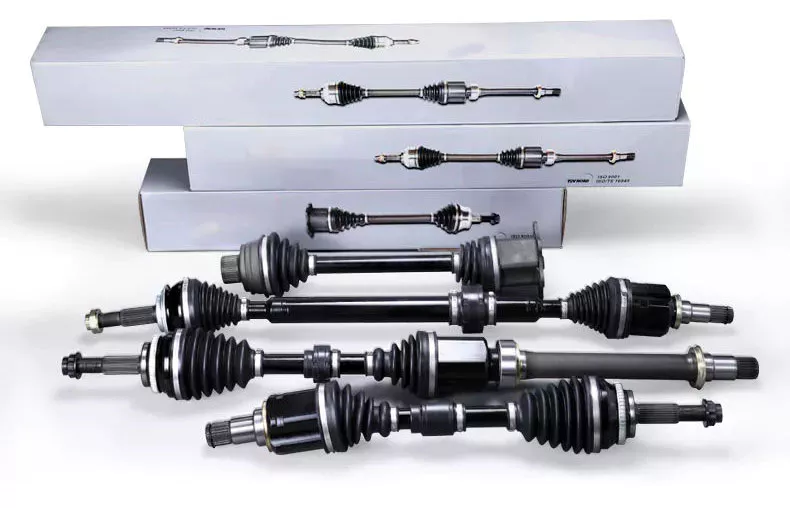
How do PTO shafts ensure efficient power transfer while maintaining safety?
PTO (Power Take-Off) shafts play a crucial role in ensuring efficient power transfer from a power source to driven machinery or equipment, while also maintaining safety. These shafts are designed with various features and mechanisms to optimize power transmission efficiency and mitigate potential hazards. Here’s a detailed explanation of how PTO shafts achieve efficient power transfer while prioritizing safety:
1. Mechanical Power Transmission: PTO shafts serve as mechanical linkages between the power source, typically a tractor or engine, and the driven machinery. They transmit rotational power from the power source to the equipment, enabling efficient transfer of energy. The mechanical design of PTO shafts, including their diameter, length, and material composition, is optimized to minimize power losses during transmission, ensuring that a significant portion of the power generated by the source is effectively delivered to the machinery.
2. Universal Joints and Flexible Couplings: PTO shafts are equipped with universal joints and flexible couplings that allow for angular misalignment and flexibility in movement. Universal joints accommodate variations in the alignment between the power source and the driven machinery, enabling smooth power transfer even when the two components are not perfectly aligned. Flexible couplings help to compensate for slight misalignments, reduce vibration, and prevent excessive stress on the shaft and connected components, thereby enhancing efficiency and reducing the risk of mechanical failure or damage.
3. Constant Velocity (CV) Joints: CV joints are often used in PTO shafts to maintain constant speed and torque transfer, particularly in applications where the driven machinery requires flexibility or operates at different angles. CV joints allow for smooth power transmission without significant fluctuations, even when the driven machinery is at an angle relative to the power source. By minimizing speed variations and power loss due to changing angles, CV joints contribute to efficient power transfer while ensuring consistent performance and reducing the likelihood of mechanical stress or premature wear.
4. Safety Guards and Shields: Safety is a paramount consideration in the design of PTO shafts. Protective guards and shields are installed to cover the rotating shaft and other moving parts. These guards act as physical barriers to prevent accidental contact with the rotating components, significantly reducing the risk of entanglement, injury, or damage. Safety guards are typically made of durable materials such as metal or plastic and are designed to allow the necessary movement for power transmission while providing adequate protection. Regular inspection and maintenance of these guards are crucial to ensure their effectiveness in maintaining safety.
5. Shear Bolt or Slip Clutch Mechanisms: PTO shafts often incorporate shear bolt or slip clutch mechanisms as safety features to protect the driveline components and prevent damage in case of excessive torque or sudden resistance. Shear bolts are designed to shear or break when the torque exceeds a predetermined threshold, disconnecting the PTO shaft from the power source. This helps prevent damage to the shaft, driven machinery, and power source. Slip clutches work similarly by allowing the PTO shaft to slip when excessive resistance is encountered, protecting the components from overload. These mechanisms act as safety measures to maintain the integrity of the PTO shaft and associated equipment while minimizing the risk of mechanical failures or accidents.
6. Compliance with Safety Standards: PTO shafts are designed and manufactured to comply with relevant safety standards and regulations. Manufacturers follow guidelines and requirements set by organizations such as the American Society of Agricultural and Biological Engineers (ASABE) or other regional safety authorities. Compliance with these standards ensures that PTO shafts meet specific safety criteria, including torque capacity, guard design, and other safety considerations. Users can rely on standardized PTO shafts that have undergone testing and certification, providing an additional layer of assurance regarding their safety and performance.
7. Operator Education and Training: To ensure safe and efficient operation, it is essential for operators to receive proper education and training on PTO shafts. Operators should be familiar with the specific safety features, maintenance requirements, and safe operating procedures for the PTO shafts used in their applications. This includes understanding the importance of using appropriate personal protective equipment, regularly inspecting the equipment for wear or damage, and following recommended maintenance schedules. Operator awareness and adherence to safety protocols significantly contribute to maintaining a safe working environment and maximizing the efficiency of power transfer.
In summary, PTO shafts ensure efficient power transfer while maintaining safety through their mechanical design, incorporation of universal joints and CV joints, installation of safety guards and shields, implementation of shear bolt or slip clutch mechanisms, compliance with safety standards, and operator education. By combining these features and practices, PTO shafts provide reliable and secure power transmission, minimizing power losses and potential risks associated with their operation.

Are there any limitations or disadvantages associated with PTO shafts?
While PTO (Power Take-Off) shafts offer numerous advantages in terms of power transfer and versatility, they also have certain limitations and disadvantages. It’s important to consider these factors when using PTO shafts to ensure safe and efficient operation. Here’s a detailed explanation of some limitations and disadvantages associated with PTO shafts:
1. Safety Hazards: One of the primary concerns with PTO shafts is the potential for safety hazards. PTO shafts rotate at high speeds and can pose a significant risk if not properly guarded or handled. Accidental contact with an exposed or inadequately shielded PTO shaft can result in severe injuries, including entanglement, amputation, or even fatalities. It is crucial to follow safety guidelines, implement proper guarding, and ensure that operators are well-trained on safe handling practices to mitigate these risks.
2. Maintenance and Lubrication: PTO shafts require regular maintenance and lubrication to ensure optimal performance and longevity. The moving parts, such as universal joints and splines, need to be inspected, cleaned, and lubricated at recommended intervals. Neglecting maintenance can lead to premature wear, decreased efficiency, and potential failures. Proper maintenance practices, including regular inspections and timely lubrication, are essential to mitigate these issues.
3. Alignment and Angles: PTO shafts rely on proper alignment and angles to ensure efficient power transfer. Misalignment or excessive angles between the power source and driven machinery can cause increased wear and strain on the components, leading to premature failure. Ensuring proper alignment and angle adjustment, using adjustable sliding yokes or other means, is important to prevent excessive stress on the PTO shaft and associated equipment.
4. Length Limitations: PTO shafts have limitations on their maximum and minimum length due to engineering constraints. The telescoping design allows for some adjustment, but there is a practical limit to how much the shaft can extend or retract. If the distance between the power source and driven machinery exceeds the maximum or falls below the minimum length of the PTO shaft, alternative solutions or modifications may be required. In some cases, additional components such as drive shaft extensions or gearboxes may be necessary to bridge the distance.
5. Compatibility: While manufacturers strive to ensure compatibility, there can still be challenges in finding the right PTO shaft for specific equipment configurations. Equipment may have unique requirements in terms of spline sizes, torque ratings, or connection methods that may not be readily available or compatible with off-the-shelf PTO shafts. Customization may be required to address these compatibility issues, which can result in increased costs or lead times.
6. Noise and Vibrations: PTO shafts in operation can generate significant noise and vibrations, especially at higher speeds. This can be a nuisance for operators and may require additional measures to reduce noise levels or dampen vibrations. Excessive vibrations can also affect the overall performance and lifespan of the PTO shaft and connected equipment. Implementing vibration dampeners or using flexible couplings can help mitigate these issues.
7. Power Limits: PTO shafts have specific power limits based on their design, materials, and components. Exceeding these power limits can lead to premature wear, component failures, or even shaft breakage. It is crucial to understand and adhere to the recommended power ratings for PTO shafts to ensure safe and reliable operation. In some cases, upgrading to a higher-capacity PTO shaft or implementing additional power transmission components may be necessary to accommodate higher power requirements.
8. Complex Installation and Removal: Installing and removing PTO shafts can be a complex process, especially in confined spaces or when dealing with heavy equipment. It may require aligning splines, engaging couplings, and securing locking mechanisms. Improper installation or removal techniques can lead to damage to the shaft or associated equipment. Proper training, handling equipment, and following manufacturer guidelines are essential to simplify and ensure the safe installation and removal of PTO shafts.
Despite these limitations and disadvantages, PTO shafts remain widely used and valuable components for power transfer in various industries. By addressing these considerations and implementing proper safety measures, maintenance practices, and alignment procedures, the potential drawbacks of PTO shafts can be effectively mitigated, allowing for safe and efficient operation.

PTO 축은 트랙터에서 작업기로 동력을 전달하는 데 어떻게 기여합니까?
PTO축(동력인출축)은 농업 및 산업 현장에서 트랙터의 동력을 작업 장비로 전달하는 데 매우 중요한 역할을 합니다. PTO축은 안정적이고 효율적인 동력 전달 수단을 제공하여 트랙터가 다양한 작업 장비를 구동하고 광범위한 작업을 수행할 수 있도록 합니다. 트랙터에서 작업 장비로 동력을 전달하는 PTO축의 작동 원리에 대한 자세한 설명은 다음과 같습니다.
전원 공급원: 트랙터에는 상당한 양의 기계적 동력을 생성하도록 설계된 강력한 엔진이 장착되어 있습니다. 이 동력은 트랙터의 바퀴를 구동하고 유압 시스템을 작동시키는 데 사용될 뿐만 아니라, PTO 축을 통해 작업기를 부착하는 데 필요한 동력을 제공합니다. PTO 축은 일반적으로 동력 인출 장치(PTO)가 위치한 트랙터의 후면 또는 측면에 연결됩니다. PTO 축은 트랙터의 엔진이나 변속기에서 직접 동력을 받아 PTO 축으로 효율적으로 전달합니다.
PTO 샤프트 설계: PTO 샤프트는 트랙터의 동력인출장치(PTO)에서 작업기로 회전력과 토크를 전달하는 구동계 부품으로 설계되었습니다. PTO 샤프트는 양쪽 끝에 유니버설 조인트가 있는 속이 빈 금속 튜브로 구성됩니다. 유니버설 조인트는 각도 정렬 불량을 보정하여 트랙터와 작업기가 완벽하게 정렬되지 않은 경우에도 PTO 샤프트가 동력을 전달할 수 있도록 합니다. 또한 PTO 샤프트에는 회전하는 샤프트와의 우발적인 접촉을 방지하는 안전 보호대가 장착되어 있어 작업 중 운전자의 안전을 보장합니다.
유급휴가 참여: 트랙터에서 작업기로 동력을 전달하려면 PTO 축을 연결해야 합니다. 트랙터에는 운전자가 필요에 따라 PTO 축을 연결하거나 분리할 수 있는 PTO 클러치 메커니즘이 장착되어 있습니다. PTO 클러치가 연결되면 트랙터 엔진의 동력이 PTO 축을 통해 PTO 축으로 전달됩니다. 이 회전 동력은 PTO 축을 통해 작업기로 전달되어 작업기의 작동 부품을 구동합니다.
회전 동력 전달: 트랙터 엔진에서 발생하는 회전력은 동력인출장치(PTO)를 통해 PTO 축으로 전달됩니다. PTO 축은 동력인출장치에 직접 연결되어 엔진과 동일한 속도로 회전합니다. 이 회전력은 PTO 축에서 작업 장비의 구동계 또는 변속기로 전달됩니다. 작업 장비의 구동계는 다시 날, 오거, 펌프와 같은 작업 장비의 작동 부품에 동력을 전달하여 각 부품이 제 기능을 수행할 수 있도록 합니다.
속도와 파워의 조화: PTO 축은 다양한 작업기의 회전 속도 및 동력 요구 사항에 맞춰 설계되었습니다. 트랙터에는 PTO에 여러 속도 설정이 있어 작업자가 사용 중인 작업기에 적합한 속도를 선택할 수 있습니다. 작업기마다 최적의 작동을 위해 필요한 회전 속도가 다를 수 있으며, PTO 축을 통해 이러한 요구 사항에 맞춰 쉽게 조정할 수 있습니다. 또한 트랙터 엔진에서 생성된 동력은 PTO 축을 통해 전달되어 작업기의 작동 부품을 효율적으로 구동하는 데 필요한 토크를 제공합니다.
다재다능함과 효율성: PTO(동력인출장치)는 농업 및 산업 현장에서 뛰어난 다용성과 효율성을 제공합니다. 트랙터가 PTO를 통해 잔디깎이, 베일러, 경운기, 분무기, 곡물 이송 장치 등 다양한 작업기를 구동할 수 있습니다. 작업기를 트랙터의 동력원에 직접 연결함으로써, 작업자는 별도의 발전기나 엔진 없이도 작업을 신속하게 전환할 수 있습니다. 이러한 다용성과 효율성은 작업 흐름을 간소화하고 비용을 절감하며 농업 및 산업 현장의 전반적인 생산성을 향상시킵니다.
안전 고려 사항: PTO 샤프트는 동력 전달에 필수적이지만, 잘못 다룰 경우 안전상의 위험을 초래할 수 있습니다. 회전하는 샤프트와 유니버설 조인트는 작동 중 작업자가 접촉할 경우 심각한 부상을 입을 수 있습니다. 따라서 PTO 샤프트에는 사고를 방지하기 위한 안전 보호 장치 또는 가드가 장착되어 있습니다. 작업자는 PTO 샤프트를 작동하기 전에 항상 안전 보호 장치가 제자리에 있고 단단히 고정되어 있는지 확인해야 합니다. 적절한 교육, 안전 지침 준수, 그리고 PTO 샤프트 및 관련 안전 장치의 정기적인 유지 관리는 안전한 작동을 보장하는 데 매우 중요합니다.
요약하자면, PTO 축은 농업 및 산업 분야에서 트랙터의 동력을 작업 장비로 전달하는 데 필수적인 부품입니다. PTO 축은 안정적이고 효율적인 동력 전달 수단을 제공하여 트랙터가 다양한 작업 장비를 구동하고 광범위한 작업을 수행할 수 있도록 합니다. 트랙터는 PTO 클러치를 작동시켜 PTO 축을 통해 회전 동력을 전달함으로써 작업 장비의 작동 부품에 동력을 공급하여 농업 및 산업 작업에서 다용성, 효율성 및 생산성을 향상시킵니다.


editor by CX 2024-05-06























