
제품 설명
Structure: 70#~75# high-carbon steel wire
Direction of Twist: Levorotation and dextrorotation
Applicable Scope: Vibrating machine, automobile, motorbike, counter, revolution counter, electric tools, gardening machinery mower, and various mechanical flexible rotations.
Function: Smooth, flexible, highly-elastic, and wear resistant
| Diameter (mm) |
Tolerance (mm) |
Number of Layers |
Loading Moment (N @ m) (Sample 500mm Long) |
무게 (kg/ 100m) |
|
| 2.0 |
+0.02 -0.02 |
3/5 |
0.8 |
1.8 |
|
| 2.5 |
3/5 |
1.0 |
2.8 |
||
| 3.2 |
3/5 |
1.3 |
4.6 |
||
| 3.8 |
3/5 |
1.5 |
6.5 |
||
| 5.0 |
+0.00 -0.05 |
3/4/5 |
1.8 |
11.3 |
|
| 6.0 |
3/4/5 |
2.4 |
16.2 |
||
| 6.5 |
4/5/7 |
2.9 |
18.7 |
||
| 8.0 |
|
4/5/6/7 |
7.5 |
28.8 |
|
| 10 |
4/5/6/7 |
22.5 |
45.5 |
||
| 12 |
4/5/6/7 |
39.0 |
66.5 |
||
| 13 |
4/5/6/7 |
50.5 |
77.5 |
||
| 16 |
4/5/6/7 |
115.0 |
114 |
||
| 18 |
4/5/6/7 |
160 |
145 |
||
| The flexible shafts not listed in the chart can be customized |
|||||
/* January 22, 2571 19:08:37 */!function(){function s(e,r){var a,o={};try{e&&e.split(“,”).forEach(function(e,t){e&&(a=e.match(/(.*?):(.*)$/))&&1
| 재료: | 탄소강 |
|---|---|
| 짐: | 구동축 |
| 강성 및 유연성: | 유연 샤프트 |
| 축 모양: | Soft Wire Shaft |
| 샤프트 모양: | 실수축 |
| Appearance Shape: | Round |
| 샘플: |
US$ 1/Meter
1 Meter(Min.Order) | |
|---|
| 맞춤 설정: |
사용 가능
| 맞춤형 요청 |
|---|
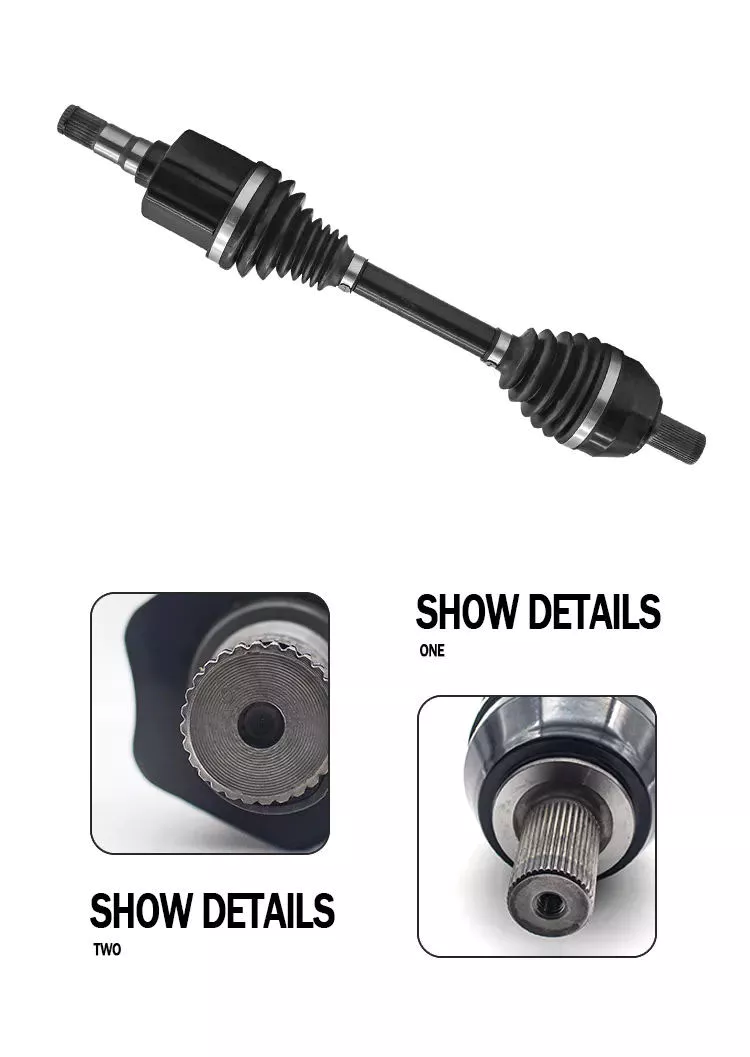
Are there any limitations or disadvantages associated with drive shafts?
While drive shafts are widely used and offer several advantages, they also have certain limitations and disadvantages that should be considered. Here’s a detailed explanation of the limitations and disadvantages associated with drive shafts:
1. Length and Misalignment Constraints:
Drive shafts have a maximum practical length due to factors such as material strength, weight considerations, and the need to maintain rigidity and minimize vibrations. Longer drive shafts can be prone to increased bending and torsional deflection, leading to reduced efficiency and potential driveline vibrations. Additionally, drive shafts require proper alignment between the driving and driven components. Misalignment can cause increased wear, vibrations, and premature failure of the drive shaft or its associated components.
2. Limited Operating Angles:
Drive shafts, especially those using U-joints, have limitations on operating angles. U-joints are typically designed to operate within specific angular ranges, and operating beyond these limits can result in reduced efficiency, increased vibrations, and accelerated wear. In applications requiring large operating angles, constant velocity (CV) joints are often used to maintain a constant speed and accommodate greater angles. However, CV joints may introduce higher complexity and cost compared to U-joints.
3. Maintenance Requirements:
Drive shafts require regular maintenance to ensure optimal performance and reliability. This includes periodic inspection, lubrication of joints, and balancing if necessary. Failure to perform routine maintenance can lead to increased wear, vibrations, and potential driveline issues. Maintenance requirements should be considered in terms of time and resources when using drive shafts in various applications.
4. Noise and Vibration:
Drive shafts can generate noise and vibrations, especially at high speeds or when operating at certain resonant frequencies. Imbalances, misalignment, worn joints, or other factors can contribute to increased noise and vibrations. These vibrations may affect the comfort of vehicle occupants, contribute to component fatigue, and require additional measures such as dampers or vibration isolation systems to mitigate their effects.
5. Weight and Space Constraints:
Drive shafts add weight to the overall system, which can be a consideration in weight-sensitive applications, such as automotive or aerospace industries. Additionally, drive shafts require physical space for installation. In compact or tightly packaged equipment or vehicles, accommodating the necessary drive shaft length and clearances can be challenging, requiring careful design and integration considerations.
6. Cost Considerations:
Drive shafts, depending on their design, materials, and manufacturing processes, can involve significant costs. Customized or specialized drive shafts tailored to specific equipment requirements may incur higher expenses. Additionally, incorporating advanced joint configurations, such as CV joints, can add complexity and cost to the drive shaft system.
7. Inherent Power Loss:
Drive shafts transmit power from the driving source to the driven components, but they also introduce some inherent power loss due to friction, bending, and other factors. This power loss can reduce overall system efficiency, particularly in long drive shafts or applications with high torque requirements. It is important to consider power loss when determining the appropriate drive shaft design and specifications.
8. Limited Torque Capacity:
While drive shafts can handle a wide range of torque loads, there are limits to their torque capacity. Exceeding the maximum torque capacity of a drive shaft can lead to premature failure, resulting in downtime and potential damage to other driveline components. It is crucial to select a drive shaft with sufficient torque capacity for the intended application.
Despite these limitations and disadvantages, drive shafts remain a widely used and effective means of power transmission in various industries. Manufacturers continuously work to address these limitations through advancements in materials, design techniques, joint configurations, and balancing processes. By carefully considering the specific application requirements and potential drawbacks, engineers and designers can mitigate the limitations and maximize the benefits of drive shafts in their respective systems.
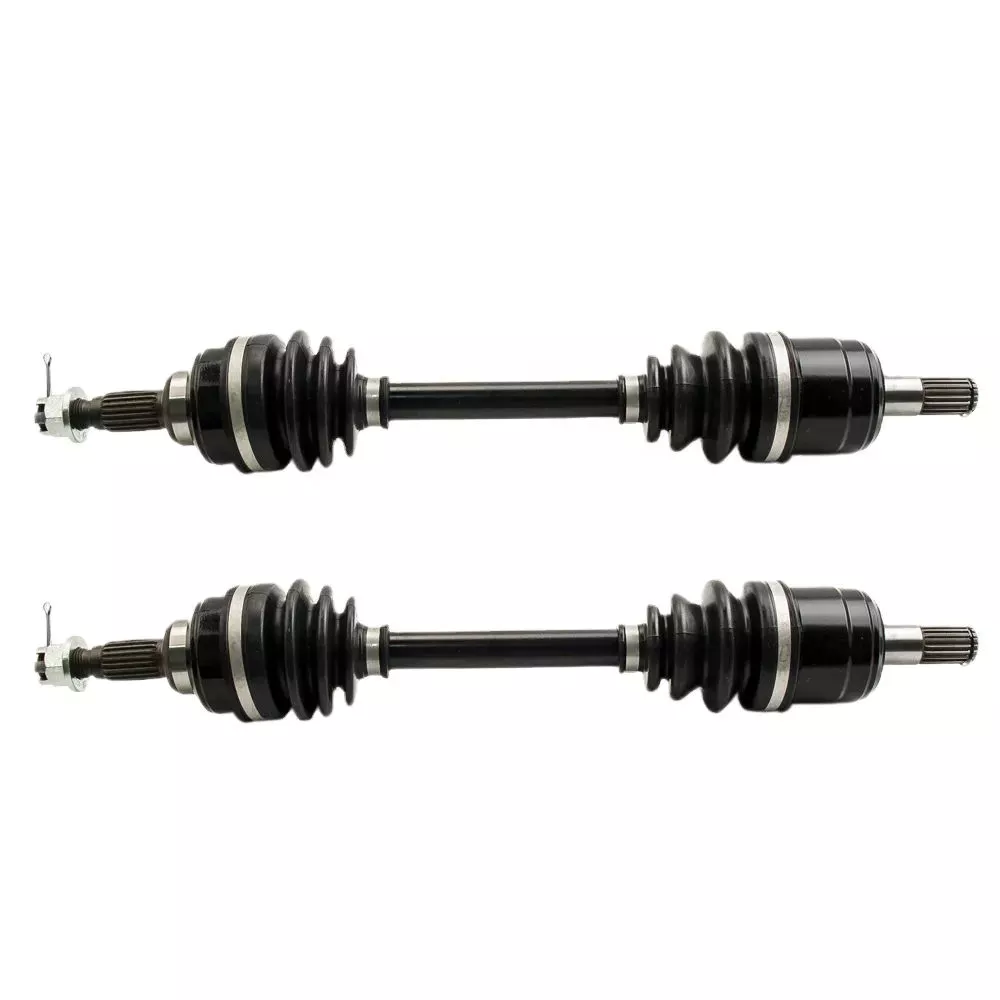
구동축 작업 시 어떤 안전 수칙을 준수해야 합니까?
구동축 작업 시에는 사고, 부상 및 장비 손상을 방지하기 위해 특정 안전 수칙을 준수해야 합니다. 구동축은 차량이나 기계의 구동계통에서 매우 중요한 부품이며, 제대로 다루지 않으면 위험을 초래할 수 있습니다. 구동축 작업 시 따라야 할 안전 수칙에 대한 자세한 설명은 다음과 같습니다.
1. 개인 보호 장비(PPE):
구동축 작업 시에는 항상 적절한 개인 보호 장비를 착용하십시오. 여기에는 보안경, 장갑, 안전화(강철 토캡 포함) 및 보호복이 포함될 수 있습니다. 개인 보호 장비는 비산물, 날카로운 모서리 또는 움직이는 부품과의 우발적인 접촉으로 인한 부상으로부터 보호하는 데 도움이 됩니다.
2. 잠금/태그아웃 절차:
구동축 작업을 시작하기 전에 전원 공급 장치를 적절히 차단하고 태그를 부착해야 합니다. 이는 엔진을 끄거나 전원을 차단하는 등의 방법으로 전원을 차단하고, 잠금/태그 부착 장치를 사용하여 고정하는 것을 의미합니다. 이렇게 하면 정비 또는 수리 작업 중 구동축이 실수로 작동하는 것을 방지할 수 있습니다.
3. 차량 또는 장비 지원:
차량이나 장비의 구동축을 다룰 때는 예기치 않은 움직임을 방지하기 위해 적절한 지지 장치를 사용해야 합니다. 구동축을 탈거하거나 설치하는 동안 차량이 굴러가거나 움직이지 않도록 차량 바퀴를 단단히 고정하거나 지지대를 사용하십시오. 이는 안정성을 유지하고 사고 위험을 줄이는 데 도움이 됩니다.
4. 올바른 물건 들기 자세:
무거운 구동축을 다룰 때는 무리한 힘을 주거나 부상을 방지하기 위해 올바른 리프팅 기술을 사용해야 합니다. 호이스트나 잭과 같은 적절한 리프팅 장비를 이용하여 들어 올리고, 하중이 고르게 분산되고 단단히 고정되었는지 확인하십시오. 무거운 구동축을 손으로 들어 올리거나 부적절한 리프팅 장비를 사용하는 것은 사고와 부상으로 이어질 수 있으므로 피해야 합니다.
5. 점검 및 유지보수:
구동축 작업을 시작하기 전에 손상, 마모 또는 정렬 불량의 징후가 있는지 꼼꼼히 검사하십시오. 이상이 발견되면 작업을 진행하기 전에 자격을 갖춘 기술자 또는 엔지니어와 상담하십시오. 구동축이 양호한 작동 상태를 유지하려면 정기적인 유지 보수가 필수적입니다. 고장이나 오작동 위험을 최소화하려면 제조업체에서 권장하는 유지 보수 일정 및 절차를 따르십시오.
6. 적절한 도구 및 장비:
구동축 작업 시에는 반드시 전용 공구와 장비를 사용하십시오. 부적절한 공구나 임시방편적인 해결책은 사고나 구동축 손상을 초래할 수 있습니다. 공구가 양호한 상태이고, 작업에 적합한 크기인지 확인하십시오. 특수 공구나 장비를 사용할 때는 제조업체의 지침과 설명서를 반드시 따르십시오.
7. 저장된 에너지의 제어된 방출:
일부 구동축, 특히 비틀림 댐퍼나 기타 에너지 저장 부품이 있는 구동축은 전원이 차단된 후에도 에너지를 저장할 수 있습니다. 이러한 구동축을 작업할 때는 주의를 기울이고 분해 또는 제거 전에 저장된 에너지를 안전하게 방출해야 합니다.
8. 교육 및 전문성:
구동축 관련 작업은 필요한 교육, 지식 및 전문성을 갖춘 사람만 수행해야 합니다. 구동축에 대한 지식이 부족하거나 필요한 기술이 없는 경우, 자격을 갖춘 기술자 또는 전문가의 도움을 받으십시오. 구동축을 부적절하게 취급하거나 설치하면 사고, 손상 또는 성능 저하가 발생할 수 있습니다.
9. 제조업체의 지침을 따르십시오:
작업 중인 구동축에 대한 제조업체의 지침, 설명서 및 경고를 항상 준수하십시오. 이러한 지침은 설치, 유지 관리 및 안전 고려 사항에 대한 중요한 정보를 제공합니다. 제조업체의 권장 사항을 따르지 않을 경우 안전상의 문제가 발생하거나 보증이 무효화될 수 있습니다.
10. 오래되거나 손상된 구동축 폐기:
오래되거나 손상된 구동축은 지역 규정 및 환경 지침에 따라 폐기하십시오. 부적절한 폐기는 환경에 부정적인 영향을 미칠 수 있으며 법적 요건을 위반할 수 있습니다. 적절한 폐기 방법을 준수하려면 지역 폐기물 관리 당국이나 재활용 센터에 문의하십시오.
이러한 안전 수칙을 준수함으로써 개인은 구동축 작업과 관련된 위험을 최소화하고 안전한 작업 환경을 조성할 수 있습니다. 구동축의 적절한 취급 및 유지 관리를 위해서는 개인 안전을 최우선으로 생각하고, 적절한 장비와 기술을 사용하며, 필요할 경우 전문가의 도움을 구하는 것이 매우 중요합니다.

What benefits do drive shafts offer for different types of vehicles and equipment?
Drive shafts offer several benefits for different types of vehicles and equipment. They play a crucial role in power transmission and contribute to the overall performance, efficiency, and functionality of various systems. Here’s a detailed explanation of the benefits that drive shafts provide:
1. Efficient Power Transmission:
Drive shafts enable efficient power transmission from the engine or power source to the wheels or driven components. By connecting the engine or motor to the driven system, drive shafts efficiently transfer rotational power, allowing vehicles and equipment to perform their intended functions. This efficient power transmission ensures that the power generated by the engine is effectively utilized, optimizing the overall performance and productivity of the system.
2. 다용성:
Drive shafts offer versatility in their applications. They are used in various types of vehicles, including cars, trucks, motorcycles, and off-road vehicles. Additionally, drive shafts are employed in a wide range of equipment and machinery, such as agricultural machinery, construction equipment, industrial machinery, and marine vessels. The ability to adapt to different types of vehicles and equipment makes drive shafts a versatile component for power transmission.
3. Torque Handling:
Drive shafts are designed to handle high levels of torque. Torque is the rotational force generated by the engine or power source. Drive shafts are engineered to efficiently transmit this torque without excessive twisting or bending. By effectively handling torque, drive shafts ensure that the power generated by the engine is reliably transferred to the wheels or driven components, enabling vehicles and equipment to overcome resistance, such as heavy loads or challenging terrains.
4. Flexibility and Compensation:
Drive shafts provide flexibility and compensation for angular movement and misalignment. In vehicles, drive shafts accommodate the movement of the suspension system, allowing the wheels to move up and down independently. This flexibility ensures a constant power transfer even when the vehicle encounters uneven terrain. Similarly, in machinery, drive shafts compensate for misalignment between the engine or motor and the driven components, ensuring smooth power transmission and preventing excessive stress on the drivetrain.
5. Weight Reduction:
Drive shafts contribute to weight reduction in vehicles and equipment. Compared to other forms of power transmission, such as belt drives or chain drives, drive shafts are typically lighter in weight. This reduction in weight helps improve fuel efficiency in vehicles and reduces the overall weight of equipment, leading to enhanced maneuverability and increased payload capacity. Additionally, lighter drive shafts contribute to a better power-to-weight ratio, resulting in improved performance and acceleration.
6. Durability and Longevity:
Drive shafts are designed to be durable and long-lasting. They are constructed using materials such as steel or aluminum, which offer high strength and resistance to wear and fatigue. Drive shafts undergo rigorous testing and quality control measures to ensure their reliability and longevity. Proper maintenance, including lubrication and regular inspections, further enhances their durability. The robust construction and long lifespan of drive shafts contribute to the overall reliability and cost-effectiveness of vehicles and equipment.
7. Safety:
Drive shafts incorporate safety features to protect operators and bystanders. In vehicles, drive shafts are often enclosed within a protective tube or housing, preventing contact with moving parts and reducing the risk of injury in the event of a failure. Similarly, in machinery, safety shields or guards are commonly installed around exposed drive shafts to minimize the potential hazards associated with rotating components. These safety measures ensure the well-being of individuals operating or working in proximity to vehicles and equipment.
In summary, drive shafts offer several benefits for different types of vehicles and equipment. They enable efficient power transmission, provide versatility in various applications, handle torque effectively, offer flexibility and compensation, contribute to weight reduction, ensure durability and longevity, and incorporate safety features. By providing these advantages, drive shafts enhance the performance, efficiency, reliability, and safety of vehicles and equipment across a wide range of industries.


editor by CX 2024-05-03























