
Opis produktu
Structure: 70#~75# high-carbon steel wire
Direction of Twist: Levorotation and dextrorotation
Applicable Scope: Vibrating machine, automobile, motorbike, counter, revolution counter, electric tools, gardening machinery mower, and various mechanical flexible rotations.
Function: Smooth, flexible, highly-elastic, and wear resistant
| Diameter (mm) |
Tolerance (mm) |
Number of Layers |
Loading Moment (N @ m) (Sample 500mm Long) |
Waga (kg/ 100m) |
|
| 2.0 |
+0.02 -0.02 |
3/5 |
0.8 |
1.8 |
|
| 2.5 |
3/5 |
1.0 |
2.8 |
||
| 3.2 |
3/5 |
1.3 |
4.6 |
||
| 3.8 |
3/5 |
1.5 |
6.5 |
||
| 5.0 |
+0.00 -0.05 |
3/4/5 |
1.8 |
11.3 |
|
| 6.0 |
3/4/5 |
2.4 |
16.2 |
||
| 6.5 |
4/5/7 |
2.9 |
18.7 |
||
| 8.0 |
|
4/5/6/7 |
7.5 |
28.8 |
|
| 10 |
4/5/6/7 |
22.5 |
45.5 |
||
| 12 |
4/5/6/7 |
39.0 |
66.5 |
||
| 13 |
4/5/6/7 |
50.5 |
77.5 |
||
| 16 |
4/5/6/7 |
115.0 |
114 |
||
| 18 |
4/5/6/7 |
160 |
145 |
||
| The flexible shafts not listed in the chart can be customized |
|||||
/* 22 stycznia 2571 19:08:37 */!function(){function s(e,r){var a,o={};try{e&&e.split(„”,).forEach(function(e,t){e&&(a=e.match(/(.*?):(.*)$/))&&1
| Tworzywo: | Stal węglowa |
|---|---|
| Obciążenie: | Wał napędowy |
| Sztywność i elastyczność: | Flexible Shaft |
| Kształt osi: | Soft Wire Shaft |
| Kształt wału: | Rzeczywista oś |
| Appearance Shape: | Round |
| Samples: |
US$ 1/Meter
1 Meter(Min.Order) | |
|---|
| Personalizacja: |
Dostępny
| Spersonalizowane żądanie |
|---|
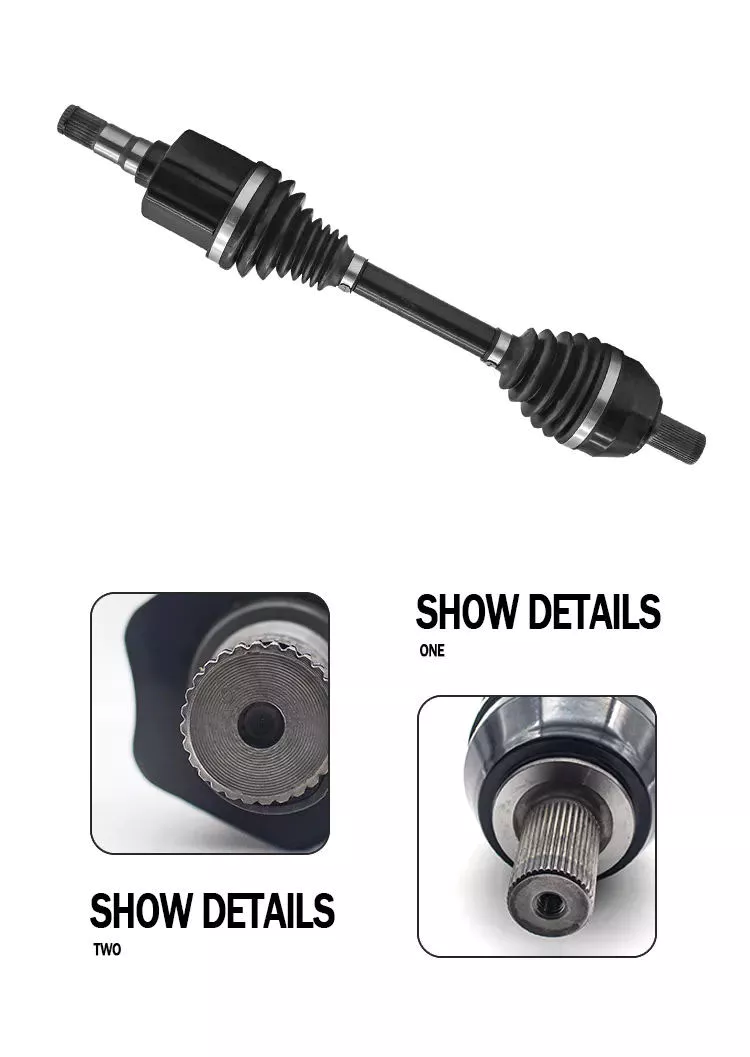
Are there any limitations or disadvantages associated with drive shafts?
While drive shafts are widely used and offer several advantages, they also have certain limitations and disadvantages that should be considered. Here’s a detailed explanation of the limitations and disadvantages associated with drive shafts:
1. Length and Misalignment Constraints:
Drive shafts have a maximum practical length due to factors such as material strength, weight considerations, and the need to maintain rigidity and minimize vibrations. Longer drive shafts can be prone to increased bending and torsional deflection, leading to reduced efficiency and potential driveline vibrations. Additionally, drive shafts require proper alignment between the driving and driven components. Misalignment can cause increased wear, vibrations, and premature failure of the drive shaft or its associated components.
2. Limited Operating Angles:
Drive shafts, especially those using U-joints, have limitations on operating angles. U-joints are typically designed to operate within specific angular ranges, and operating beyond these limits can result in reduced efficiency, increased vibrations, and accelerated wear. In applications requiring large operating angles, constant velocity (CV) joints are often used to maintain a constant speed and accommodate greater angles. However, CV joints may introduce higher complexity and cost compared to U-joints.
3. Maintenance Requirements:
Drive shafts require regular maintenance to ensure optimal performance and reliability. This includes periodic inspection, lubrication of joints, and balancing if necessary. Failure to perform routine maintenance can lead to increased wear, vibrations, and potential driveline issues. Maintenance requirements should be considered in terms of time and resources when using drive shafts in various applications.
4. Noise and Vibration:
Drive shafts can generate noise and vibrations, especially at high speeds or when operating at certain resonant frequencies. Imbalances, misalignment, worn joints, or other factors can contribute to increased noise and vibrations. These vibrations may affect the comfort of vehicle occupants, contribute to component fatigue, and require additional measures such as dampers or vibration isolation systems to mitigate their effects.
5. Weight and Space Constraints:
Drive shafts add weight to the overall system, which can be a consideration in weight-sensitive applications, such as automotive or aerospace industries. Additionally, drive shafts require physical space for installation. In compact or tightly packaged equipment or vehicles, accommodating the necessary drive shaft length and clearances can be challenging, requiring careful design and integration considerations.
6. Cost Considerations:
Drive shafts, depending on their design, materials, and manufacturing processes, can involve significant costs. Customized or specialized drive shafts tailored to specific equipment requirements may incur higher expenses. Additionally, incorporating advanced joint configurations, such as CV joints, can add complexity and cost to the drive shaft system.
7. Inherent Power Loss:
Drive shafts transmit power from the driving source to the driven components, but they also introduce some inherent power loss due to friction, bending, and other factors. This power loss can reduce overall system efficiency, particularly in long drive shafts or applications with high torque requirements. It is important to consider power loss when determining the appropriate drive shaft design and specifications.
8. Limited Torque Capacity:
While drive shafts can handle a wide range of torque loads, there are limits to their torque capacity. Exceeding the maximum torque capacity of a drive shaft can lead to premature failure, resulting in downtime and potential damage to other driveline components. It is crucial to select a drive shaft with sufficient torque capacity for the intended application.
Despite these limitations and disadvantages, drive shafts remain a widely used and effective means of power transmission in various industries. Manufacturers continuously work to address these limitations through advancements in materials, design techniques, joint configurations, and balancing processes. By carefully considering the specific application requirements and potential drawbacks, engineers and designers can mitigate the limitations and maximize the benefits of drive shafts in their respective systems.

Jakie środki ostrożności należy zachować podczas pracy z wałami napędowymi?
Praca z wałami napędowymi wymaga przestrzegania szczególnych środków ostrożności, aby zapobiec wypadkom, obrażeniom ciała i uszkodzeniom sprzętu. Wały napędowe są kluczowymi elementami układu napędowego pojazdu lub maszyny i mogą stanowić zagrożenie, jeśli nie są prawidłowo obsługiwane. Poniżej znajduje się szczegółowe wyjaśnienie środków ostrożności, które należy zachować podczas pracy z wałami napędowymi:
1. Środki ochrony indywidualnej (PPE):
Podczas pracy z wałami napędowymi należy zawsze nosić odpowiedni sprzęt ochrony osobistej. Mogą to być okulary ochronne, rękawice, buty z metalowymi noskami i odzież ochronna. Środki ochrony indywidualnej (PPE) chronią przed potencjalnymi obrażeniami spowodowanymi przez odłamki, ostre krawędzie lub przypadkowy kontakt z ruchomymi częściami.
2. Procedury blokowania/oznakowania:
Przed przystąpieniem do pracy przy wale napędowym należy upewnić się, że źródło zasilania jest prawidłowo zablokowane i oznaczone. Obejmuje to odizolowanie źródła zasilania, np. poprzez wyłączenie silnika lub odłączenie zasilania elektrycznego, i zabezpieczenie go blokadą/oznakowaniem. Zapobiega to przypadkowemu zazębieniu się wału napędowego podczas prac konserwacyjnych lub naprawczych.
3. Wsparcie pojazdu lub sprzętu:
Podczas pracy z wałami napędowymi w pojazdach lub urządzeniach należy stosować odpowiednie mechanizmy podporowe, aby zapobiec nieoczekiwanemu ruchowi. Należy bezpiecznie zablokować koła pojazdu lub użyć podpór, aby zapobiec stoczeniu się lub przesunięciu pojazdu podczas demontażu lub montażu wału napędowego. Pomaga to zachować stabilność i zmniejsza ryzyko wypadków.
4. Prawidłowe techniki podnoszenia:
Podczas podnoszenia ciężkich wałów napędowych należy stosować odpowiednie techniki podnoszenia, aby zapobiec przeciążeniom i urazom. Podnoś za pomocą odpowiedniego urządzenia podnoszącego, takiego jak wciągnik lub podnośnik, i upewnij się, że ładunek jest równomiernie rozłożony i bezpiecznie zamocowany. Unikaj podnoszenia ciężkich wałów napędowych ręcznie lub za pomocą niewłaściwego sprzętu do podnoszenia, ponieważ może to prowadzić do wypadków i obrażeń.
5. Kontrola i konserwacja:
Przed przystąpieniem do prac przy wale napędowym należy go dokładnie sprawdzić pod kątem uszkodzeń, zużycia lub niewspółosiowości. W przypadku wykrycia jakichkolwiek nieprawidłowości, przed przystąpieniem do prac należy skonsultować się z wykwalifikowanym technikiem lub inżynierem. Regularna konserwacja jest również niezbędna, aby zapewnić dobry stan techniczny wału napędowego. Należy przestrzegać zalecanego przez producenta harmonogramu i procedur konserwacji, aby zminimalizować ryzyko awarii lub usterek.
6. Odpowiednie narzędzia i sprzęt:
Używaj odpowiednich narzędzi i sprzętu przeznaczonego specjalnie do pracy z wałami napędowymi. Niewłaściwe narzędzia lub prowizoryczne rozwiązania mogą prowadzić do wypadków lub uszkodzenia wału napędowego. Upewnij się, że narzędzia są w dobrym stanie, mają odpowiedni rozmiar i są odpowiednie do danego zadania. Podczas korzystania ze specjalistycznych narzędzi lub sprzętu postępuj zgodnie z instrukcjami i wytycznymi producenta.
7. Kontrolowane uwalnianie zmagazynowanej energii:
Niektóre wały napędowe, szczególnie te z tłumikami drgań skrętnych lub innymi elementami magazynującymi energię, mogą magazynować energię nawet po odłączeniu źródła zasilania. Należy zachować ostrożność podczas pracy z takimi wałami napędowymi i upewnić się, że zgromadzona energia zostanie bezpiecznie uwolniona przed demontażem lub wymontowaniem.
8. Szkolenia i wiedza specjalistyczna:
Prace przy wałach napędowych powinny być wykonywane wyłącznie przez osoby posiadające odpowiednie przeszkolenie, wiedzę i doświadczenie. Jeśli nie znasz się na wałach napędowych lub nie posiadasz wymaganych umiejętności, zwróć się o pomoc do wykwalifikowanych techników lub specjalistów. Nieprawidłowe obchodzenie się z wałami napędowymi lub ich montaż może prowadzić do wypadków, uszkodzeń lub pogorszenia wydajności.
9. Postępuj zgodnie z wytycznymi producenta:
Zawsze należy przestrzegać wytycznych, instrukcji i ostrzeżeń producenta dotyczących wału napędowego, z którym pracujesz. Wytyczne te zawierają ważne informacje dotyczące montażu, konserwacji i bezpieczeństwa. Odstępstwa od zaleceń producenta mogą skutkować niebezpiecznymi warunkami lub unieważnieniem gwarancji.
10. Utylizacja starych lub uszkodzonych wałów napędowych:
Stare lub uszkodzone wały napędowe należy utylizować zgodnie z lokalnymi przepisami i wytycznymi dotyczącymi ochrony środowiska. Nieprawidłowa utylizacja może mieć negatywny wpływ na środowisko i naruszać wymogi prawne. Należy skonsultować się z lokalnymi władzami odpowiedzialnymi za gospodarkę odpadami lub punktami recyklingu, aby upewnić się, że stosowane są odpowiednie metody utylizacji.
Przestrzegając tych środków ostrożności, można zminimalizować ryzyko związane z pracą z wałami napędowymi i stworzyć bezpieczne środowisko pracy. Kluczowe jest priorytetowe traktowanie bezpieczeństwa osobistego, stosowanie odpowiedniego sprzętu i technik oraz w razie potrzeby korzystanie z pomocy fachowca, aby zapewnić prawidłową obsługę i konserwację wałów napędowych.

What benefits do drive shafts offer for different types of vehicles and equipment?
Drive shafts offer several benefits for different types of vehicles and equipment. They play a crucial role in power transmission and contribute to the overall performance, efficiency, and functionality of various systems. Here’s a detailed explanation of the benefits that drive shafts provide:
1. Efficient Power Transmission:
Drive shafts enable efficient power transmission from the engine or power source to the wheels or driven components. By connecting the engine or motor to the driven system, drive shafts efficiently transfer rotational power, allowing vehicles and equipment to perform their intended functions. This efficient power transmission ensures that the power generated by the engine is effectively utilized, optimizing the overall performance and productivity of the system.
2. Wszechstronność:
Drive shafts offer versatility in their applications. They are used in various types of vehicles, including cars, trucks, motorcycles, and off-road vehicles. Additionally, drive shafts are employed in a wide range of equipment and machinery, such as agricultural machinery, construction equipment, industrial machinery, and marine vessels. The ability to adapt to different types of vehicles and equipment makes drive shafts a versatile component for power transmission.
3. Torque Handling:
Drive shafts are designed to handle high levels of torque. Torque is the rotational force generated by the engine or power source. Drive shafts are engineered to efficiently transmit this torque without excessive twisting or bending. By effectively handling torque, drive shafts ensure that the power generated by the engine is reliably transferred to the wheels or driven components, enabling vehicles and equipment to overcome resistance, such as heavy loads or challenging terrains.
4. Flexibility and Compensation:
Drive shafts provide flexibility and compensation for angular movement and misalignment. In vehicles, drive shafts accommodate the movement of the suspension system, allowing the wheels to move up and down independently. This flexibility ensures a constant power transfer even when the vehicle encounters uneven terrain. Similarly, in machinery, drive shafts compensate for misalignment between the engine or motor and the driven components, ensuring smooth power transmission and preventing excessive stress on the drivetrain.
5. Redukcja wagi:
Drive shafts contribute to weight reduction in vehicles and equipment. Compared to other forms of power transmission, such as belt drives or chain drives, drive shafts are typically lighter in weight. This reduction in weight helps improve fuel efficiency in vehicles and reduces the overall weight of equipment, leading to enhanced maneuverability and increased payload capacity. Additionally, lighter drive shafts contribute to a better power-to-weight ratio, resulting in improved performance and acceleration.
6. Durability and Longevity:
Drive shafts are designed to be durable and long-lasting. They are constructed using materials such as steel or aluminum, which offer high strength and resistance to wear and fatigue. Drive shafts undergo rigorous testing and quality control measures to ensure their reliability and longevity. Proper maintenance, including lubrication and regular inspections, further enhances their durability. The robust construction and long lifespan of drive shafts contribute to the overall reliability and cost-effectiveness of vehicles and equipment.
7. Safety:
Drive shafts incorporate safety features to protect operators and bystanders. In vehicles, drive shafts are often enclosed within a protective tube or housing, preventing contact with moving parts and reducing the risk of injury in the event of a failure. Similarly, in machinery, safety shields or guards are commonly installed around exposed drive shafts to minimize the potential hazards associated with rotating components. These safety measures ensure the well-being of individuals operating or working in proximity to vehicles and equipment.
In summary, drive shafts offer several benefits for different types of vehicles and equipment. They enable efficient power transmission, provide versatility in various applications, handle torque effectively, offer flexibility and compensation, contribute to weight reduction, ensure durability and longevity, and incorporate safety features. By providing these advantages, drive shafts enhance the performance, efficiency, reliability, and safety of vehicles and equipment across a wide range of industries.


editor by CX 2024-05-03























