
제품 설명
제품 매개변수
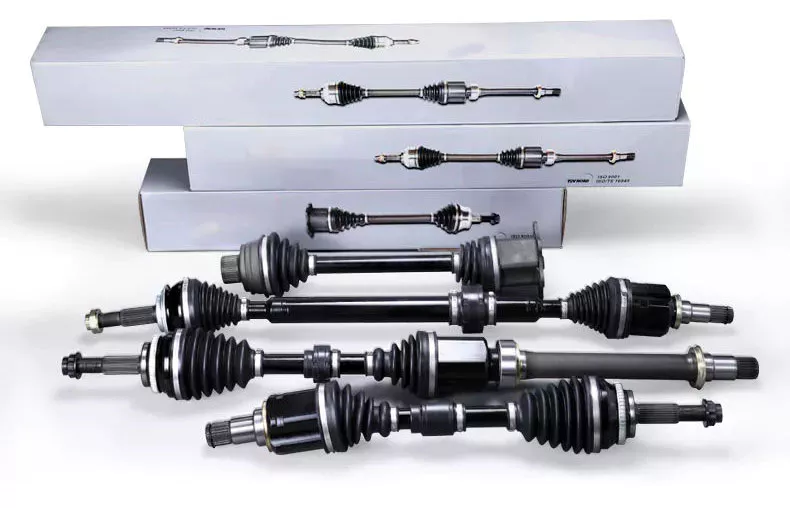
| 제품명 | Gearbox Output Shaft Assembly |
| Model NO. | HW25716XA AMT |
| 인증 | ISO9001 |
| Brake System Parts | Brake Control |
| Transmission System Parts | Gearbox |
| Steering System Parts | Steering Transmission Device |
| Measurement | 24*17*14cm |
| Transport Package | Exporting Standard |
| Specification | 18/24/32/38/41c*L530/535mm |
| 기원 | China |
| Production Capacity | 10000 PCS/Month |
| 애플리케이션 | Shacman, Sinotruk, FAW,etc |
상세 사진
Our Advantages
1. We have been committed to the heavy truck accessories industry for more than 10 years. The company’s professional team can quickly match any products you need, saving you purchasing time;
2. Excellent product quality is the foundation of our company and the cornerstone on which our company has always relied for survival;
3.Our company has formed a complete supply chain, which can process customer orders within 2 hours, arrange production plans and ship goods as soon as possible;
4. Our company has complete after-sales guarantee, and excellent after-sales service is the main factor for us to reach follow-up cooperation with customers.
회사 소개
인증
포장 및 배송
Customer Visit
자주 묻는 질문
1. About the condition of the truck:
Each product will have a test report.We guarantee that the product is in good condition.
2. About delivery:
Divided into flat frame container, bulk carrier, roll-on – roll ship
3.MOQ:
1 group
4. About OEM:
Welcome, you can send your own designed LOGO, we can open a new mold for you to print or emboss any LOGO.
5. Terms of payment:
For sample orders, you can use telegraphic transfer, sight L/C, Western Union, Paypal, MoneyGram, Alipay or credit card.
6. About delivery time:
The exact delivery time depends on the item you order and the quantity.
7. About Us:
We have a professional vehicle renewal team, 1 for every truck Test report.
/* January 22, 2571 19:08:37 */!function(){function s(e,r){var a,o={};try{e&&e.split(“,”).forEach(function(e,t){e&&(a=e.match(/(.*?):(.*)$/))&&1
| 판매 후 서비스: | 좋은 |
|---|---|
| 보증: | 12 Months |
| 유형: | Gearbox |
| 맞춤 설정: |
사용 가능
| 맞춤형 요청 |
|---|
.shipping-cost-tm .tm-status-off{background: none;padding:0;color: #1470cc}
| 배송비:
단위당 예상 운송비. |
배송비 및 예상 배송 시간에 관한 정보입니다. |
|---|
| 결제 방법: |
|
|---|---|
|
초기 납부금 전액 지불 |
| 통화: | 미국$ |
|---|
| 반품 및 환불: | 제품 수령 후 최대 30일 이내에 환불을 신청할 수 있습니다. |
|---|
What maintenance practices are crucial for prolonging the lifespan of drive shafts?
To prolong the lifespan of drive shafts and ensure their optimal performance, several maintenance practices are crucial. Regular maintenance helps identify and address potential issues before they escalate, reduces wear and tear, and ensures the drive shaft operates smoothly and efficiently. Here are some essential maintenance practices for prolonging the lifespan of drive shafts:
1. Regular Inspection:
Performing regular inspections is vital for detecting any signs of wear, damage, or misalignment. Inspect the drive shaft visually, looking for cracks, dents, or any signs of excessive wear on the shaft itself and its associated components such as joints, yokes, and splines. Check for any signs of lubrication leaks or contamination. Additionally, inspect the fasteners and mounting points to ensure they are secure. Early detection of any issues allows for timely repairs or replacements, preventing further damage to the drive shaft.
2. Lubrication:
Proper lubrication is essential for the smooth operation and longevity of drive shafts. Lubricate the joints, such as universal joints or constant velocity joints, as recommended by the manufacturer. Lubrication reduces friction, minimizes wear, and helps dissipate heat generated during operation. Use the appropriate lubricant specified for the specific drive shaft and application, considering factors such as temperature, load, and operating conditions. Regularly check the lubrication levels and replenish as necessary to ensure optimal performance and prevent premature failure.
3. Balancing and Alignment:
Maintaining proper balancing and alignment is crucial for the lifespan of drive shafts. Imbalances or misalignments can lead to vibrations, accelerated wear, and potential failure. If vibrations or unusual noises are detected during operation, it is important to address them promptly. Perform balancing procedures as necessary, including dynamic balancing, to ensure even weight distribution along the drive shaft. Additionally, verify that the drive shaft is correctly aligned with the engine or power source and the driven components. Misalignment can cause excessive stress on the drive shaft, leading to premature failure.
4. Protective Coatings:
Applying protective coatings can help prolong the lifespan of drive shafts, particularly in applications exposed to harsh environments or corrosive substances. Consider using coatings such as zinc plating, powder coating, or specialized corrosion-resistant coatings to enhance the drive shaft’s resistance to corrosion, rust, and chemical damage. Regularly inspect the coating for any signs of degradation or damage, and reapply or repair as necessary to maintain the protective barrier.
5. Torque and Fastener Checks:
Ensure that the drive shaft’s fasteners, such as bolts, nuts, or clamps, are properly torqued and secured according to the manufacturer’s specifications. Loose or improperly tightened fasteners can lead to excessive vibrations, misalignment, or even detachment of the drive shaft. Periodically check and retighten the fasteners as recommended or after any maintenance or repair procedures. Additionally, monitor the torque levels during operation to ensure they remain within the specified range, as excessive torque can strain the drive shaft and lead to premature failure.
6. Environmental Protection:
Protecting the drive shaft from environmental factors can significantly extend its lifespan. In applications exposed to extreme temperatures, moisture, chemicals, or abrasive substances, take appropriate measures to shield the drive shaft. This may include using protective covers, seals, or guards to prevent contaminants from entering and causing damage. Regular cleaning of the drive shaft, especially in dirty or corrosive environments, can also help remove debris and prevent buildup that could compromise its performance and longevity.
7. Manufacturer Guidelines:
Follow the manufacturer’s guidelines and recommendations for maintenance practices specific to the drive shaft model and application. The manufacturer’s instructions may include specific intervals for inspections, lubrication, balancing, or other maintenance tasks. Adhering to these guidelines ensures that the drive shaft is properly maintained and serviced, maximizing its lifespan and minimizing the risk of unexpected failures.
By implementing these maintenance practices, drive shafts can operate reliably, maintain efficient power transmission, and have an extended service life, ultimately reducing downtime and ensuring optimal performance in various applications.

How do drive shafts contribute to the efficiency of vehicle propulsion and power transmission?
Drive shafts play a crucial role in the efficiency of vehicle propulsion and power transmission systems. They are responsible for transferring power from the engine or power source to the wheels or driven components. Here’s a detailed explanation of how drive shafts contribute to the efficiency of vehicle propulsion and power transmission:
1. 전력 전송:
Drive shafts transmit power from the engine or power source to the wheels or driven components. By efficiently transferring rotational energy, drive shafts enable the vehicle to move forward or drive the machinery. The design and construction of drive shafts ensure minimal power loss during the transfer process, maximizing the efficiency of power transmission.
2. Torque Conversion:
Drive shafts can convert torque from the engine or power source to the wheels or driven components. Torque conversion is necessary to match the power characteristics of the engine with the requirements of the vehicle or machinery. Drive shafts with appropriate torque conversion capabilities ensure that the power delivered to the wheels is optimized for efficient propulsion and performance.
3. Constant Velocity (CV) Joints:
Many drive shafts incorporate Constant Velocity (CV) joints, which help maintain a constant speed and efficient power transmission, even when the driving and driven components are at different angles. CV joints allow for smooth power transfer and minimize vibration or power losses that may occur due to changing operating angles. By maintaining constant velocity, drive shafts contribute to efficient power transmission and improved overall vehicle performance.
4. Lightweight Construction:
Efficient drive shafts are often designed with lightweight materials, such as aluminum or composite materials. Lightweight construction reduces the rotational mass of the drive shaft, which results in lower inertia and improved efficiency. Reduced rotational mass enables the engine to accelerate and decelerate more quickly, allowing for better fuel efficiency and overall vehicle performance.
5. Minimized Friction:
Efficient drive shafts are engineered to minimize frictional losses during power transmission. They incorporate features such as high-quality bearings, low-friction seals, and proper lubrication to reduce energy losses caused by friction. By minimizing friction, drive shafts enhance power transmission efficiency and maximize the available power for propulsion or operating other machinery.
6. Balanced and Vibration-Free Operation:
Drive shafts undergo dynamic balancing during the manufacturing process to ensure smooth and vibration-free operation. Imbalances in the drive shaft can lead to power losses, increased wear, and vibrations that reduce overall efficiency. By balancing the drive shaft, it can spin evenly, minimizing vibrations and optimizing power transmission efficiency.
7. Maintenance and Regular Inspection:
Proper maintenance and regular inspection of drive shafts are essential for maintaining their efficiency. Regular lubrication, inspection of joints and components, and prompt repair or replacement of worn or damaged parts help ensure optimal power transmission efficiency. Well-maintained drive shafts operate with minimal friction, reduced power losses, and improved overall efficiency.
8. Integration with Efficient Transmission Systems:
Drive shafts work in conjunction with efficient transmission systems, such as manual, automatic, or continuously variable transmissions. These transmissions help optimize power delivery and gear ratios based on driving conditions and vehicle speed. By integrating with efficient transmission systems, drive shafts contribute to the overall efficiency of the vehicle propulsion and power transmission system.
9. Aerodynamic Considerations:
In some cases, drive shafts are designed with aerodynamic considerations in mind. Streamlined drive shafts, often used in high-performance or electric vehicles, minimize drag and air resistance to improve overall vehicle efficiency. By reducing aerodynamic drag, drive shafts contribute to the efficient propulsion and power transmission of the vehicle.
10. Optimized Length and Design:
Drive shafts are designed to have optimal lengths and designs to minimize energy losses. Excessive drive shaft length or improper design can introduce additional rotational mass, increase bending stresses, and result in energy losses. By optimizing the length and design, drive shafts maximize power transmission efficiency and contribute to improved overall vehicle efficiency.
Overall, drive shafts contribute to the efficiency of vehicle propulsion and power transmission through effective power transfer, torque conversion, utilization of CV joints, lightweight construction, minimized friction, balanced operation, regular maintenance, integration with efficient transmission systems, aerodynamic considerations, and optimized length and design. By ensuring efficient power delivery and minimizing energy losses, drive shafts play a significant role in enhancing the overall efficiency and performance of vehicles and machinery.

구동축이란 무엇이며 차량 및 기계에서 어떤 역할을 합니까?
구동축(프로펠러 샤프트 또는 프로펠러 샤프트라고도 함)은 차량 및 기계에서 엔진의 회전력을 바퀴 또는 기타 구동 부품으로 전달하는 데 중요한 역할을 하는 기계 부품입니다. 자동차, 트럭, 오토바이, 농업용 또는 산업용 기계를 포함한 다양한 종류의 차량에 일반적으로 사용됩니다. 구동축이 무엇이며 어떻게 작동하는지에 대한 자세한 설명은 다음과 같습니다.
1. 정의 및 구성: 구동축은 엔진이나 동력원을 바퀴나 구동 부품을 연결하는 원통형 금속 튜브입니다. 일반적으로 강철이나 알루미늄으로 만들어지며, 하나 이상의 관형 부분으로 구성되고 각 끝에는 유니버설 조인트(U자형 조인트)가 있습니다. 이 유니버설 조인트는 엔진/변속기와 구동 바퀴 또는 부품 사이의 각도 움직임을 허용하고 정렬 불량을 보정합니다.
2. 동력 전달: 구동축의 주요 기능은 엔진이나 동력원에서 바퀴 또는 구동 부품으로 회전력을 전달하는 것입니다. 차량에서 구동축은 변속기 또는 기어박스의 출력축을 차동장치에 연결하고, 차동장치는 다시 바퀴로 동력을 전달합니다. 기계류에서는 구동축이 엔진이나 모터에서 펌프, 발전기 또는 기타 기계 시스템과 같은 다양한 구동 부품으로 동력을 전달합니다.
3. 토크 및 속도: 구동축은 토크와 회전 속도를 모두 전달하는 역할을 합니다. 토크는 엔진이나 동력원에서 발생하는 회전력이고, 회전 속도는 분당 회전수(RPM)입니다. 구동축은 과도한 비틀림이나 굽힘 없이 필요한 토크를 전달하고, 구동 부품의 효율적인 작동을 위해 원하는 회전 속도를 유지할 수 있어야 합니다.
4. 유연한 결합: 구동축의 유니버설 조인트는 엔진/변속기와 구동 휠 또는 구성 요소 사이의 각도 움직임과 정렬 불량을 보정할 수 있는 유연한 연결 장치 역할을 합니다. 차량의 서스펜션 시스템이 움직이거나 기계가 고르지 않은 지형에서 작동할 때, 구동축은 이러한 움직임에 맞춰 길이와 각도를 조절할 수 있어 원활한 동력 전달을 보장하고 구동계 구성 요소의 손상을 방지합니다.
5. 길이와 균형: 구동축의 길이는 엔진 또는 동력원과 구동 휠 또는 부품 사이의 거리에 따라 결정됩니다. 적절한 동력 전달을 보장하고 과도한 진동이나 굽힘을 방지하기 위해 구동축의 크기는 적절해야 합니다. 또한, 구동축은 진동과 회전 불균형을 최소화하기 위해 정밀하게 균형을 맞춰야 합니다. 진동과 불균형은 불편함을 유발하고 효율을 저하시키며 구동계 부품의 조기 마모로 이어질 수 있습니다.
6. 안전 고려 사항: 차량 및 기계의 구동축에는 적절한 안전 조치가 필요합니다. 차량의 경우, 구동축은 움직이는 부품과의 접촉을 방지하고 오작동이나 고장 발생 시 부상 위험을 줄이기 위해 보호 튜브 또는 하우징으로 둘러싸여 있는 경우가 많습니다. 또한, 기계의 노출된 구동축 주변에는 회전 부품과 관련된 잠재적 위험으로부터 작업자를 보호하기 위해 안전 덮개 또는 가드가 설치되는 것이 일반적입니다.
7. 유지보수 및 점검: 구동축의 정상적인 작동과 수명 연장을 위해서는 정기적인 유지보수 및 점검이 필수적입니다. 여기에는 유니버설 조인트의 마모, 손상 또는 과도한 유격 여부 확인, 구동축의 균열이나 변형 검사, 그리고 제조사 권장 사항에 따른 유니버설 조인트 윤활이 포함됩니다. 적절한 유지보수는 고장을 예방하고 최적의 성능을 보장하며 구동축의 수명을 연장하는 데 도움이 됩니다.
요약하자면, 구동축은 차량 및 기계에서 엔진 또는 동력원으로부터 바퀴 또는 구동 부품으로 회전력을 전달하는 기계 부품입니다. 구동축은 엔진/변속기와 구동 바퀴 또는 부품 사이를 견고하게 연결하는 동시에 유니버설 조인트를 사용하여 각도 운동을 허용하고 정렬 불량을 보정하는 기능을 합니다. 구동축은 동력 전달, 토크 및 속도 전달, 유연한 연결, 길이 및 균형 고려 사항, 안전 및 유지 보수 요구 사항 측면에서 중요한 역할을 합니다. 구동축이 제대로 작동하는 것은 차량 및 기계의 원활하고 효율적인 작동에 필수적입니다.


editor by CX 2024-04-08























