
Өнім сипаттамасы
Өнім сипаттамасы
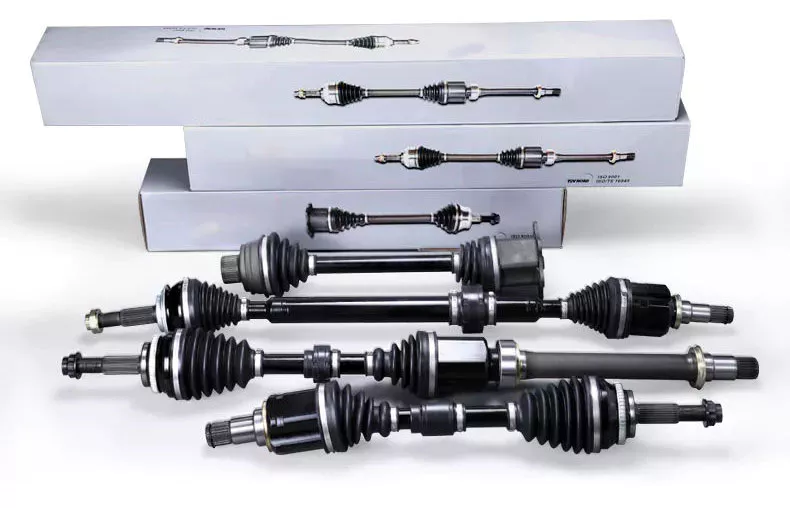
As a professional manufacturer for propeller shaft, we have +1000 items for all kinds of car, At present, our products are mainly sold in North America, Europe, Australia, South Korea, the Middle East and Southeast Asia and other regions, applicable models are European cars, American cars, Japanese and Korean cars, etc.
Our advantage:
1. Full range of products
2. MOQ qty: 1pcs/items
3. Delivery on time
4: Warranty: 1 YEAR
| OE NUMBER | 3401A018 |
| TYPE | MITSUBISHI Pajero V73 /V93/V77 rear 2003 auto |
| MATERIAL | STEEL |
| BALANCE STHangZhouRD | G16,3200RMP |
| Сатудан кейінгі қызмет көрсету: | 1year |
|---|---|
| Шарты: | Жаңа |
| Color: | Black |
| Теңшеу: |
Қолжетімді
| Теңшелген сұраныс |
|---|
.shipping-cost-tm .tm-status-off{background: none;padding:0;color: #1470cc}
| Жеткізу құны:
Бір бірлікке шаққанда жүк тасымалының болжамды көлемі. |
жеткізу құны және жеткізудің болжамды уақыты туралы. |
|---|
| Төлем әдісі: |
|
|---|---|
|
Бастапқы төлем Толық төлем |
| Валюта: | US$ |
|---|
| Қайтару және қайтару: | Өнімдерді алғаннан кейін 30 күн ішінде ақшаны қайтарып алуға өтініш бере аласыз. |
|---|
Жетек біліктерінің қызмет ету мерзімін ұзарту үшін қандай техникалық қызмет көрсету тәжірибелері маңызды?
Жетек біліктерінің қызмет ету мерзімін ұзарту және олардың оңтайлы жұмыс істеуін қамтамасыз ету үшін бірнеше техникалық қызмет көрсету тәжірибелері өте маңызды. Үнемі техникалық қызмет көрсету ықтимал мәселелерді олар асқынғанға дейін анықтауға және шешуге көмектеседі, тозуды азайтады және жетек білігінің тегіс және тиімді жұмыс істеуін қамтамасыз етеді. Жетек біліктерінің қызмет ету мерзімін ұзартуға арналған кейбір маңызды техникалық қызмет көрсету тәжірибелері:
1. Тұрақты тексеру:
Тозу, зақымдану немесе тураланбау белгілерін анықтау үшін үнемі тексерулер жүргізу өте маңызды. Жетек білігін көзбен тексеріп, біліктің өзінде және оның қосылыстары, мойынтіректер және шпиндельдер сияқты байланысты компоненттерінде жарықтар, ойықтар немесе шамадан тыс тозу белгілерін іздеңіз. Майлаудың ағып кетуінің немесе ластануының кез келген белгілерін тексеріңіз. Сонымен қатар, бекіткіштер мен бекіту нүктелерінің сенімді екеніне көз жеткізу үшін тексеріңіз. Кез келген мәселені ерте анықтау жетек білігінің одан әрі зақымдалуына жол бермей, уақтылы жөндеуге немесе ауыстыруға мүмкіндік береді.
2. Майлау:
Жетек біліктерінің үздіксіз жұмыс істеуі және ұзақ қызмет етуі үшін дұрыс майлау өте маңызды. Өндіруші ұсынғандай, әмбебап немесе тұрақты жылдамдықты қосылыстар сияқты қосылыстарды майлаңыз. Майлау үйкелісті азайтады, тозуды азайтады және жұмыс кезінде пайда болатын жылуды таратуға көмектеседі. Температура, жүктеме және жұмыс жағдайлары сияқты факторларды ескере отырып, нақты жетек білігі мен қолданылуы үшін көрсетілген тиісті майлағышты пайдаланыңыз. Оңтайлы өнімділікті қамтамасыз ету және мерзімінен бұрын істен шығудың алдын алу үшін майлау деңгейлерін үнемі тексеріп, қажет болған жағдайда толтырып отырыңыз.
3. Теңгеру және туралау:
Дұрыс теңдестіру мен туралауды сақтау жетек біліктерінің қызмет ету мерзімі үшін өте маңызды. Тепе-теңдіктің бұзылуы немесе тураланбауы дірілге, жеделдетілген тозуға және ықтимал істен шығуға әкелуі мүмкін. Егер жұмыс кезінде діріл немесе ерекше шуылдар анықталса, оларды уақтылы шешу маңызды. Жетек білігі бойымен салмақтың біркелкі таралуын қамтамасыз ету үшін динамикалық теңдестіруді қоса алғанда, қажет болған жағдайда теңдестіру процедураларын орындаңыз. Сонымен қатар, жетек білігінің қозғалтқышпен немесе қуат көзімен және жетек компоненттерімен дұрыс тураланғанын тексеріңіз. Дұрыс емес туралау жетек білігіне шамадан тыс күш түсіріп, мерзімінен бұрын істен шығуға әкелуі мүмкін.
4. Қорғаныш жабындары:
Қорғаныш жабындарын жағу, әсіресе қатал орталарға немесе коррозиялық заттарға ұшыраған жағдайларда, жетек біліктерінің қызмет ету мерзімін ұзартуға көмектеседі. Жетек білігінің коррозияға, тотқа және химиялық зақымға төзімділігін арттыру үшін мырышпен қаптау, ұнтақпен қаптау немесе арнайы коррозияға төзімді жабындар сияқты жабындарды пайдалануды қарастырыңыз. Жабынның тозу немесе зақымдану белгілерін үнемі тексеріп отырыңыз және қорғаныс тосқауылын сақтау үшін қажет болған жағдайда қайта жағыңыз немесе жөндеңіз.
5. Айналдыру моментін және бекіткішті тексеру:
Жетек білігінің бекіткіштерінің, мысалы, болттар, гайкалар немесе қысқыштардың, өндірушінің сипаттамаларына сәйкес дұрыс бұралғанына және бекітілгеніне көз жеткізіңіз. Бос немесе дұрыс тартылмаған бекіткіштер жетек білігінің шамадан тыс дірілдеуіне, тураланбауына немесе тіпті ажырауына әкелуі мүмкін. Ұсынылғандай немесе кез келген техникалық қызмет көрсету немесе жөндеу процедураларынан кейін бекіткіштерді мезгіл-мезгіл тексеріп, қайта қатайтыңыз. Сонымен қатар, жұмыс кезінде бұрау моментінің деңгейлерін белгіленген диапазонда қалуын қамтамасыз ету үшін бақылаңыз, себебі шамадан тыс бұрау моменті жетек білігіне кернеу түсіріп, мерзімінен бұрын істен шығуға әкелуі мүмкін.
6. Қоршаған ортаны қорғау:
Жетек білігін қоршаған орта факторларынан қорғау оның қызмет ету мерзімін айтарлықтай ұзартуы мүмкін. Төтенше температураға, ылғалға, химиялық заттарға немесе абразивті заттарға ұшыраған қолданбаларда жетек білігін қорғау үшін тиісті шараларды қолданыңыз. Бұған ластаушы заттардың енуіне және зақымдалуына жол бермеу үшін қорғаныш қақпақтарды, тығыздағыштарды немесе күзетшілерді пайдалану кіруі мүмкін. Жетек білігін үнемі тазалау, әсіресе лас немесе коррозиялық ортада, қоқысты кетіруге және оның жұмысына және қызмет ету мерзіміне әсер етуі мүмкін жиналулардың алдын алуға көмектеседі.
7. Өндірушінің нұсқаулары:
Жетек білігінің моделі мен қолданылуына тән техникалық қызмет көрсету тәжірибелері бойынша өндірушінің нұсқаулары мен ұсынымдарын орындаңыз. Өндірушінің нұсқауларында тексерулер, майлау, теңестіру немесе басқа техникалық қызмет көрсету тапсырмалары үшін нақты аралықтарды қамтуы мүмкін. Осы нұсқауларды орындау жетек білігінің дұрыс күтілуін және қызмет көрсетілуін қамтамасыз етеді, оның қызмет ету мерзімін барынша арттырады және күтпеген ақаулар қаупін азайтады.
Осы техникалық қызмет көрсету тәжірибелерін енгізу арқылы жетек біліктері сенімді жұмыс істей алады, тиімді қуат берілісін сақтай алады және қызмет ету мерзімін ұзарта алады, сайып келгенде, тоқтап қалу уақытын азайтады және әртүрлі қолданбаларда оңтайлы өнімділікті қамтамасыз етеді.

Can you provide real-world examples of vehicles and machinery that use drive shafts?
Drive shafts are widely used in various vehicles and machinery to transmit power from the engine or power source to the wheels or driven components. Here are some real-world examples of vehicles and machinery that utilize drive shafts:
1. Automobiles:
Drive shafts are commonly found in automobiles, especially those with rear-wheel drive or four-wheel drive systems. In these vehicles, the drive shaft transfers power from the transmission or transfer case to the rear differential or front differential, respectively. This allows the engine’s power to be distributed to the wheels, propelling the vehicle forward.
2. Trucks and Commercial Vehicles:
Drive shafts are essential components in trucks and commercial vehicles. They are used to transfer power from the transmission or transfer case to the rear axle or multiple axles in the case of heavy-duty trucks. Drive shafts in commercial vehicles are designed to handle higher torque loads and are often larger and more robust than those used in passenger cars.
3. Construction and Earthmoving Equipment:
Various types of construction and earthmoving equipment, such as excavators, loaders, bulldozers, and graders, rely on drive shafts for power transmission. These machines typically have complex drivetrain systems that use drive shafts to transfer power from the engine to the wheels or tracks, enabling them to perform heavy-duty tasks on construction sites or in mining operations.
4. Agricultural Machinery:
Agricultural machinery, including tractors, combines, and harvesters, utilize drive shafts to transmit power from the engine to the wheels or driven components. Drive shafts in agricultural machinery are often subjected to demanding conditions and may have additional features such as telescopic sections to accommodate variable distances between components.
5. Industrial Machinery:
Industrial machinery, such as manufacturing equipment, generators, pumps, and compressors, often incorporate drive shafts in their power transmission systems. These drive shafts transfer power from electric motors, engines, or other power sources to various driven components, enabling the machinery to perform specific tasks in industrial settings.
6. Marine Vessels:
In marine applications, drive shafts are commonly used to transmit power from the engine to the propeller in boats, ships, and other watercraft. Marine drive shafts are typically longer and designed to withstand the unique challenges posed by water environments, including corrosion resistance and appropriate sealing mechanisms.
7. Recreational Vehicles (RVs) and Motorhomes:
RVs and motorhomes often employ drive shafts as part of their drivetrain systems. These drive shafts transfer power from the transmission to the rear axle, allowing the vehicle to move and providing propulsion. Drive shafts in RVs may have additional features such as dampers or vibration-reducing components to enhance comfort during travel.
8. Off-Road and Racing Vehicles:
Off-road vehicles, such as SUVs, trucks, and all-terrain vehicles (ATVs), as well as racing vehicles, frequently utilize drive shafts. These drive shafts are designed to withstand the rigors of off-road conditions or high-performance racing, transmitting power efficiently to the wheels and ensuring optimal traction and performance.
9. Railway Rolling Stock:
In railway systems, drive shafts are employed in locomotives and some types of rolling stock. They transfer power from the locomotive’s engine to the wheels or propulsion system, enabling the train to move along the tracks. Railway drive shafts are typically much longer and may have additional features to accommodate the articulated or flexible nature of some train configurations.
10. Wind Turbines:
Large-scale wind turbines used for generating electricity incorporate drive shafts in their power transmission systems. The drive shafts transfer rotational energy from the turbine’s blades to the generator, where it is converted into electrical power. Drive shafts in wind turbines are designed to handle the significant torque and rotational forces generated by the wind.
These examples demonstrate the broad range of vehicles and machinery that rely on drive shafts for efficient power transmission and propulsion. Drive shafts are essential components in various industries, enabling the transfer of power from the source to the driven components, ultimately facilitating movement, operation, or the performance of specific tasks.

What is a drive shaft and how does it function in vehicles and machinery?
A drive shaft, also known as a propeller shaft or prop shaft, is a mechanical component that plays a critical role in transmitting rotational power from the engine to the wheels or other driven components in vehicles and machinery. It is commonly used in various types of vehicles, including cars, trucks, motorcycles, and agricultural or industrial machinery. Here’s a detailed explanation of what a drive shaft is and how it functions:
1. Definition and Construction: A drive shaft is a cylindrical metal tube that connects the engine or power source to the wheels or driven components. It is typically made of steel or aluminum and consists of one or more tubular sections with universal joints (U-joints) at each end. These U-joints allow for angular movement and compensation of misalignment between the engine/transmission and the driven wheels or components.
2. Power Transmission: The primary function of a drive shaft is to transmit rotational power from the engine or power source to the wheels or driven components. In vehicles, the drive shaft connects the transmission or gearbox output shaft to the differential, which then transfers power to the wheels. In machinery, the drive shaft transfers power from the engine or motor to various driven components such as pumps, generators, or other mechanical systems.
3. Torque and Speed: The drive shaft is responsible for transmitting both torque and rotational speed. Torque is the rotational force generated by the engine or power source, while rotational speed is the number of revolutions per minute (RPM). The drive shaft must be capable of transmitting the required torque without excessive twisting or bending and maintaining the desired rotational speed for efficient operation of the driven components.
4. Flexible Coupling: The U-joints on the drive shaft provide a flexible coupling that allows for angular movement and compensation of misalignment between the engine/transmission and the driven wheels or components. As the suspension system of a vehicle moves or the machinery operates on uneven terrain, the drive shaft can adjust its length and angle to accommodate these movements, ensuring smooth power transmission and preventing damage to the drivetrain components.
5. Length and Balance: The length of the drive shaft is determined by the distance between the engine or power source and the driven wheels or components. It should be appropriately sized to ensure proper power transmission and avoid excessive vibrations or bending. Additionally, the drive shaft is carefully balanced to minimize vibrations and rotational imbalances, which can cause discomfort, reduce efficiency, and lead to premature wear of drivetrain components.
6. Safety Considerations: Drive shafts in vehicles and machinery require proper safety measures. In vehicles, drive shafts are often enclosed within a protective tube or housing to prevent contact with moving parts and reduce the risk of injury in the event of a malfunction or failure. Additionally, safety shields or guards are commonly installed around exposed drive shafts in machinery to protect operators from potential hazards associated with rotating components.
7. Maintenance and Inspection: Regular maintenance and inspection of drive shafts are essential to ensure their proper functioning and longevity. This includes checking for signs of wear, damage, or excessive play in the U-joints, inspecting the drive shaft for any cracks or deformations, and lubricating the U-joints as recommended by the manufacturer. Proper maintenance helps prevent failures, ensures optimal performance, and prolongs the service life of the drive shaft.
In summary, a drive shaft is a mechanical component that transmits rotational power from the engine or power source to the wheels or driven components in vehicles and machinery. It functions by providing a rigid connection between the engine/transmission and the driven wheels or components, while also allowing for angular movement and compensation of misalignment through the use of U-joints. The drive shaft plays a crucial role in power transmission, torque and speed delivery, flexible coupling, length and balance considerations, safety, and maintenance requirements. Its proper functioning is essential for the smooth and efficient operation of vehicles and machinery.


editor by CX 2023-11-14























