
製品説明
DESCRIPTION
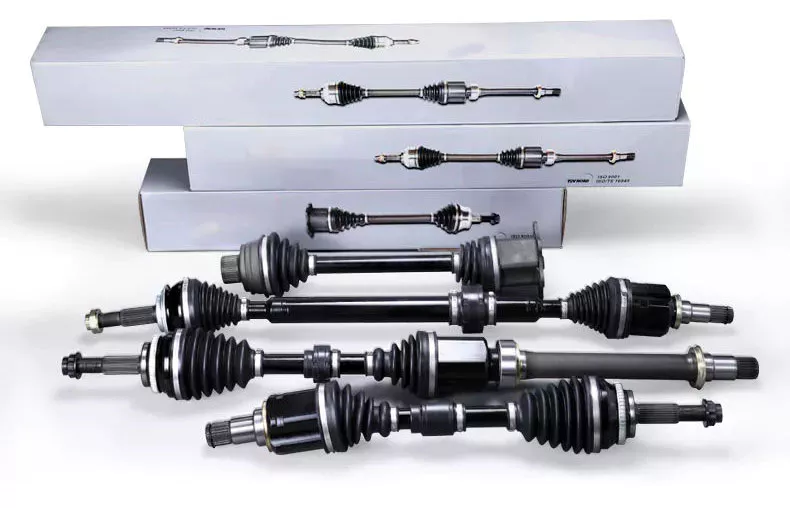
: Drive Shaft Assembly, Front, Polaris, Part ,1334071
Weight: 2 kg
PART NUMBER: 1334071
FITMENT
: This part fits the following models:
Polaris Side by Side 2019 PRO XD (R03) – D19BBPD4B4-BAPD4B4 DRIVE TRAIN, DRIVE SHAFT, FRONT – D19BBPD4B4 (702660)
Polaris Side by Side 2019 PRO XD CREW (R03) – D19BEPD4B4 DRIVE TRAIN, DRIVE SHAFT, FRONT – D19BEPD4B4 (702660)
Polaris Side by Side 2571 PRO XD (R01) – D20BBP99A4-B4 DRIVE TRAIN, DRIVE SHAFT, FRONT – D20BBP99A4/B4 (702660)
Polaris Side by Side 2571 PRO XD 2000D (R01) – D20BBPD4B4-APD4B4 DRIVE TRAIN, DRIVE SHAFT, FRONT – D20BBPD4B4 (702660)
Polaris Side by Side 2571 PRO XD CREW(R01) – D20BEP99A4-B4-GP99A4 DRIVE TRAIN, DRIVE SHAFT, FRONT – D20BEP99A4/B4/GP99A4 (702660)
Polaris Side by Side 2571 PRO XD 4000D (R01) – D20BEPD4B4 DRIVE TRAIN, DRIVE SHAFT, FRONT – D20BEPD4B4 (702660)
Polaris Side by Side 2571 PRO XD 2000G (2571) (R01) – D21BBP99A4/B4/FP99A4 DRIVE TRAIN, DRIVE SHAFT, FRONT – D21BBP99A4/B4/FP99A4 (702660)
Polaris Side by Side 2571 PRO XD 2000D (R02) – D21BBPD4B4 DRIVE TRAIN, DRIVE SHAFT, FRONT – D21BBPD4B4 (702660)
Polaris Side by Side 2571 PRO XD 4000G (R01) – D21BEP99A4/B4/GP99A4 DRIVE TRAIN, DRIVE SHAFT, FRONT – D21BEP99A4/B4/GP99A4 (702660)
Polaris Side by Side 2571 PRO XD 4000D (R02) – D21BEPD4B4 DRIVE TRAIN, DRIVE SHAFT, FRONT – D21BEPD4B4 (702660)
Polaris Side by Side 2571 PRO XD FULL-SIZE GAS – D22P2A99A4/A99B4/E99A4/F99A4/G99A4 DRIVE TRAIN, DRIVE SHAFT, FRONT – D22P2A99A4/A99B4/E99A4/F99A4/G99A4 (702660)
Polaris Side by Side 2571 PRO XD FULL-SIZE DIESEL – D22P2AD4B4/ED4B4/FD4B4/GD4B4 DRIVE TRAIN, DRIVE SHAFT, FRONT – D22P2AD4B4/ED4B4/FD4B4/GD4B4 (702660)
Polaris Side by Side 2571 PRO XD CREW FULL-SIZE DIESEL – D22P4ED4B4/FD4B DRIVE TRAIN, DRIVE SHAFT, FRONT – D22P4ED4B4/FD4B4 (702660)
Polaris Side by Side 2571 PRO XD CREW FULL-SIZE GAS – D22P4E99A4/B4/F99A4 DRIVE TRAIN, DRIVE SHAFT, FRONT – D22P4EP99A4/B4/F99A4 (702660)
Polaris Side by Side 2571 PRO XD FULL-SIZE GAS – D23P2A99A4/B4/F99A4/G99A4/E99A4/U99A4/B4/V99A4/W99A4/Y99A4 DRIVE TRAIN, DRIVE SHAFT, FRONT – D23P2A99A4/B4/F99A4/G99A4/U99A4/B4/V99A4/W99A4 (702660)
Polaris Side by Side 2571 PRO XD FULL-SIZE DIESEL – D23P2AD4B4/ED4B4/FD4B4/GD4B4/UD4B4/VD4B4/WD4B4/YD4B4 DRIVE TRAIN, DRIVE SHAFT, FRONT – D23P2AD4B4/ED4B4/FD4B4/GD4B4/UD4B4/VD4B4/WD4B4/YD4B4 (702660)
Polaris Side by Side 2571 PRO XD FULL-SIZE DIESEL INTL – D23P2ED4D4 DRIVE TRAIN, DRIVE SHAFT, FRONT – D23P2ED4D4 (702660)
Polaris Side by Side 2571 PRO XD FULL-SIZE DIESEL CREW – D23P4ED4B4/FD4B4/VD4B4/YD4B4 DRIVE TRAIN, DRIVE SHAFT, FRONT – D23P4ED4B4/FD4B4/VD4B4/YD4B4 (702660)
Polaris Side by Side 2571 PRO XD FULL-SIZE DIESEL CREW INTL – D23P4ED4D4 DRIVE TRAIN, DRIVE SHAFT, FRONT – D23P4ED4D4 (702660)
Polaris Side by Side 2571 PRO XD FULL-SIZE GAS CREW – D23P4EP99A4/B4/F99A4/V99A4/B4/Y99A DRIVE TRAIN, DRIVE SHAFT, FRONT – D23P4EP99A4/B4/F99A4/V99A4/B4/Y99A4 (702660)
Polaris Side by Side 2571 PRO XD FULL-SIZE GAS – D24P2A99A4/B4/E99A4/F99A4/G99A4/U99A4/B4/V99A4/W99A4/Y99A4 DRIVE TRAIN, DRIVE SHAFT, FRONT – D24P2A99A4/B4/E99A4/F99A4/G99A4/U99A4/B4/V99A4/W99A4/Y99A4 (702660)
Polaris Side by Side 2571 PRO XD FULL-SIZE DIESEL – D24P2AD4B4/ED4B4/FD4B4/GD4B4/UD4B4/VD4B4/WD4B4/YD4B4 DRIVE TRAIN, DRIVE SHAFT, FRONT – D24P2AD4B4/ED4B4/FD4B4/GD4B4/UD4B4/VD4B4/WD4B4/YD4B4 (702660)
Polaris Side by Side 2571 PRO XD FULL-SIZE DIESEL INTL – D24P2ED4D4 DRIVE TRAIN, DRIVE SHAFT, FRONT – D24P2ED4D4 (702660)
Polaris Side by Side 2571 PRO XD FULL-SIZE GAS CREW – D24P4E99A4/B4/F99A4/V99A4/B4/Y99A4 DRIVE TRAIN, DRIVE SHAFT, FRONT – D24P4E99A4/B4/F99A4/V99A4/B4/Y99A4 (702660)
Polaris Side by Side 2571 PRO XD FULL-SIZE DIESEL CREW – D24P4ED4B4/FD4B4/VD4B4/YD4B4 DRIVE TRAIN, DRIVE SHAFT, FRONT – D24P4ED4B4/FD4B4/VD4B4/YD4B4 (702660)
Polaris Side by Side 2571 PRO XD FULL-SIZE DIESEL CREW INTL – D24P4ED4D4 DRIVE TRAIN, DRIVE SHAFT, FRONT – D24P4ED4D4 (702660)
/* 2571 年 1 月 22 日 19:08:37 */!function(){function s(e,r){var a,o={};try{e&&e.split(“,”).forEach(function(e,t){e&&(a=e.match(/(.*?):(.*)$/))&&1
| アフターサービス: | 7*24*300 |
|---|---|
| 状態: | 新しい |
| Axle Number: | 1 |
| 応用: | UTV |
| 材料: | Steel |
| タイプ: | Front Axles |
| サンプル: |
US$ 160.00/Piece
1個(最小注文数) | |
|---|
What maintenance practices are crucial for prolonging the lifespan of drive shafts?
To prolong the lifespan of drive shafts and ensure their optimal performance, several maintenance practices are crucial. Regular maintenance helps identify and address potential issues before they escalate, reduces wear and tear, and ensures the drive shaft operates smoothly and efficiently. Here are some essential maintenance practices for prolonging the lifespan of drive shafts:
1. Regular Inspection:
Performing regular inspections is vital for detecting any signs of wear, damage, or misalignment. Inspect the drive shaft visually, looking for cracks, dents, or any signs of excessive wear on the shaft itself and its associated components such as joints, yokes, and splines. Check for any signs of lubrication leaks or contamination. Additionally, inspect the fasteners and mounting points to ensure they are secure. Early detection of any issues allows for timely repairs or replacements, preventing further damage to the drive shaft.
2. Lubrication:
Proper lubrication is essential for the smooth operation and longevity of drive shafts. Lubricate the joints, such as universal joints or constant velocity joints, as recommended by the manufacturer. Lubrication reduces friction, minimizes wear, and helps dissipate heat generated during operation. Use the appropriate lubricant specified for the specific drive shaft and application, considering factors such as temperature, load, and operating conditions. Regularly check the lubrication levels and replenish as necessary to ensure optimal performance and prevent premature failure.
3. Balancing and Alignment:
Maintaining proper balancing and alignment is crucial for the lifespan of drive shafts. Imbalances or misalignments can lead to vibrations, accelerated wear, and potential failure. If vibrations or unusual noises are detected during operation, it is important to address them promptly. Perform balancing procedures as necessary, including dynamic balancing, to ensure even weight distribution along the drive shaft. Additionally, verify that the drive shaft is correctly aligned with the engine or power source and the driven components. Misalignment can cause excessive stress on the drive shaft, leading to premature failure.
4. Protective Coatings:
Applying protective coatings can help prolong the lifespan of drive shafts, particularly in applications exposed to harsh environments or corrosive substances. Consider using coatings such as zinc plating, powder coating, or specialized corrosion-resistant coatings to enhance the drive shaft’s resistance to corrosion, rust, and chemical damage. Regularly inspect the coating for any signs of degradation or damage, and reapply or repair as necessary to maintain the protective barrier.
5. Torque and Fastener Checks:
Ensure that the drive shaft’s fasteners, such as bolts, nuts, or clamps, are properly torqued and secured according to the manufacturer’s specifications. Loose or improperly tightened fasteners can lead to excessive vibrations, misalignment, or even detachment of the drive shaft. Periodically check and retighten the fasteners as recommended or after any maintenance or repair procedures. Additionally, monitor the torque levels during operation to ensure they remain within the specified range, as excessive torque can strain the drive shaft and lead to premature failure.
6. Environmental Protection:
Protecting the drive shaft from environmental factors can significantly extend its lifespan. In applications exposed to extreme temperatures, moisture, chemicals, or abrasive substances, take appropriate measures to shield the drive shaft. This may include using protective covers, seals, or guards to prevent contaminants from entering and causing damage. Regular cleaning of the drive shaft, especially in dirty or corrosive environments, can also help remove debris and prevent buildup that could compromise its performance and longevity.
7. Manufacturer Guidelines:
Follow the manufacturer’s guidelines and recommendations for maintenance practices specific to the drive shaft model and application. The manufacturer’s instructions may include specific intervals for inspections, lubrication, balancing, or other maintenance tasks. Adhering to these guidelines ensures that the drive shaft is properly maintained and serviced, maximizing its lifespan and minimizing the risk of unexpected failures.
By implementing these maintenance practices, drive shafts can operate reliably, maintain efficient power transmission, and have an extended service life, ultimately reducing downtime and ensuring optimal performance in various applications.

What safety precautions should be followed when working with drive shafts?
Working with drive shafts requires adherence to specific safety precautions to prevent accidents, injuries, and damage to equipment. Drive shafts are critical components of a vehicle or machinery’s driveline system and can pose hazards if not handled properly. Here’s a detailed explanation of the safety precautions that should be followed when working with drive shafts:
1. Personal Protective Equipment (PPE):
Always wear appropriate personal protective equipment when working with drive shafts. This may include safety goggles, gloves, steel-toed boots, and protective clothing. PPE helps protect against potential injuries from flying debris, sharp edges, or accidental contact with moving parts.
2. Lockout/Tagout Procedures:
Before working on a drive shaft, ensure that the power source is properly locked out and tagged out. This involves isolating the power supply, such as shutting off the engine or disconnecting the electrical power, and securing it with a lockout/tagout device. This prevents accidental engagement of the drive shaft while maintenance or repair work is being performed.
3. Vehicle or Equipment Support:
When working with drive shafts in vehicles or equipment, use proper support mechanisms to prevent unexpected movement. Securely block the vehicle’s wheels or utilize support stands to prevent the vehicle from rolling or shifting during drive shaft removal or installation. This helps maintain stability and reduces the risk of accidents.
4. Proper Lifting Techniques:
When handling heavy drive shafts, use proper lifting techniques to prevent strain or injuries. Lift with the help of a suitable lifting device, such as a hoist or jack, and ensure that the load is evenly distributed and securely attached. Avoid lifting heavy drive shafts manually or with improper lifting equipment, as this can lead to accidents and injuries.
5. Inspection and Maintenance:
Prior to working on a drive shaft, thoroughly inspect it for any signs of damage, wear, or misalignment. If any abnormalities are detected, consult a qualified technician or engineer before proceeding. Regular maintenance is also essential to ensure the drive shaft is in good working condition. Follow the manufacturer’s recommended maintenance schedule and procedures to minimize the risk of failures or malfunctions.
6. Proper Tools and Equipment:
Use appropriate tools and equipment specifically designed for working with drive shafts. Improper tools or makeshift solutions can lead to accidents or damage to the drive shaft. Ensure that tools are in good condition, properly sized, and suitable for the task at hand. Follow the manufacturer’s instructions and guidelines when using specialized tools or equipment.
7. Controlled Release of Stored Energy:
Some drive shafts, particularly those with torsional dampers or other energy-storing components, can store energy even when the power source is disconnected. Exercise caution when working on such drive shafts and ensure that the stored energy is safely released before disassembly or removal.
8. Training and Expertise:
Work on drive shafts should only be performed by individuals with the necessary training, knowledge, and expertise. If you are not familiar with drive shafts or lack the required skills, seek assistance from qualified technicians or professionals. Improper handling or installation of drive shafts can lead to accidents, damage, or compromised performance.
9. Follow Manufacturer’s Guidelines:
Always follow the manufacturer’s guidelines, instructions, and warnings specific to the drive shaft you are working with. These guidelines provide important information regarding installation, maintenance, and safety considerations. Deviating from the manufacturer’s recommendations may result in unsafe conditions or void warranty coverage.
10. Disposal of Old or Damaged Drive Shafts:
Dispose of old or damaged drive shafts in accordance with local regulations and environmental guidelines. Improper disposal can have negative environmental impacts and may violate legal requirements. Consult with local waste management authorities or recycling centers to ensure appropriate disposal methods are followed.
By following these safety precautions, individuals can minimize the risks associated with working with drive shafts and promote a safe working environment. It is crucial to prioritize personal safety, use proper equipment and techniques, and seek professional help when needed to ensure the proper handling and maintenance of drive shafts.

ドライブシャフトは、様々な用途において回転動力の伝達にどのように貢献するのでしょうか?
ドライブシャフトは、様々な用途において、エンジンや動力源から車輪や駆動部品へ回転動力を伝達する上で重要な役割を果たします。車両であれ機械であれ、ドライブシャフトは効率的な動力伝達を可能にし、様々なシステムの機能を促進します。ドライブシャフトが回転動力の伝達にどのように貢献するかを、以下に詳しく説明します。
1. 車両への適用例:
車両において、ドライブシャフトはエンジンから車輪へ回転動力を伝達し、車両を動かす役割を担っています。ドライブシャフトはギアボックスまたはトランスミッションの出力軸をディファレンシャルに接続し、ディファレンシャルがさらに動力を車輪に分配します。エンジンがトルクを発生させると、それがドライブシャフトを介して車輪に伝達され、車両を前進させます。この動力伝達により、車両は加速し、速度を維持し、摩擦や坂道などの抵抗を克服することができます。
2. 機械への応用例:
機械において、駆動軸はエンジンやモーターから様々な駆動部品へ回転動力を伝達するために用いられます。例えば、産業機械では、駆動軸はポンプ、発電機、コンベア、その他の機械システムに動力を伝達するために使用されます。農業機械では、駆動軸は一般的に、動力源を収穫機、梱包機、灌漑システムなどの機器に接続するために用いられます。駆動軸は、必要な部品に回転動力を伝達することで、これらの機械が本来の機能を果たすことを可能にします。
3. 動力伝達:
ドライブシャフトは、回転動力を効率的かつ確実に伝達するように設計されています。エンジンから車輪や駆動部品へ相当量のトルクを伝達することが可能です。エンジンで発生したトルクは、大きな動力損失なくドライブシャフトを通して伝達されます。ドライブシャフトは、エンジンと駆動部品との間に強固な接続を維持することで、エンジンが生み出す動力が有効な作業に効果的に利用されることを保証します。
4. フレキシブルカップリング:
ドライブシャフトの重要な機能の一つは、エンジン/トランスミッションと車輪または駆動部品との間に柔軟な連結を提供することです。この柔軟性により、ドライブシャフトは角度方向の動きに対応し、エンジンと駆動システム間の位置ずれを補正することができます。車両においては、サスペンションシステムが動いたり、車輪が不整地を通過したりすると、ドライブシャフトはその長さと角度を調整して、一定の動力伝達を維持します。この柔軟性により、駆動系部品への過度のストレスを防ぎ、スムーズな動力伝達が保証されます。
5. トルクと速度の伝達:
ドライブシャフトは、トルクと回転速度の両方を伝達する役割を担っています。トルクとは、エンジンや動力源によって発生する回転力であり、回転速度とは、1分あたりの回転数(RPM)のことです。ドライブシャフトは、過度のねじれや曲がりを生じることなく、用途に応じたトルク要件に対応できる必要があります。さらに、駆動部品が適切に機能するように、所定の回転速度を維持する必要があります。ドライブシャフトの適切な設計、材料選定、およびバランス調整は、効率的なトルクと速度の伝達に貢献します。
6. 長さとバランス:
ドライブシャフトの長さとバランスは、その性能を左右する重要な要素です。ドライブシャフトの長さは、エンジンまたは動力源と駆動部品との距離によって決まります。過度の振動や曲がりを避けるため、適切な長さにする必要があります。ドライブシャフトは、振動や回転の不均衡を最小限に抑えるために、慎重にバランス調整されています。これらの不均衡は、駆動系全体の性能、快適性、および寿命に影響を与える可能性があります。
7. 安全性とメンテナンス:
ドライブシャフトには適切な安全対策と定期的なメンテナンスが必要です。車両では、ドライブシャフトは可動部品との接触を防ぎ、怪我のリスクを軽減するために、保護チューブやハウジングで覆われていることがよくあります。機械では、露出したドライブシャフトの周囲に安全シールドやガードが設置され、作業者を潜在的な危険から保護します。定期的なメンテナンスには、ドライブシャフトの摩耗、損傷、または位置ずれの点検、およびユニバーサルジョイントの適切な潤滑が含まれます。これらの対策は、故障の防止、最適な性能の確保、およびドライブシャフトの耐用年数の延長に役立ちます。
要約すると、ドライブシャフトは様々な用途において回転動力を伝達する上で重要な役割を果たします。車両や機械を問わず、ドライブシャフトはエンジンや動力源から車輪や駆動部品への効率的な動力伝達を可能にします。ドライブシャフトは柔軟な連結部を提供し、トルクと速度の伝達に対応し、角度運動を吸収し、システムの安全性とメンテナンスに貢献します。回転動力を効果的に伝達することで、ドライブシャフトは多くの産業における車両や機械の機能と性能を向上させます。


editor by CX 2024-05-07























