
Descrizione del prodotto
OEM ODM Cardan Transmission Tractor Parts Pto Drive Shaft for Agriculture Machinery
1. Tubes or Pipes
We’ve already got Triangular profile tube and Lemon profile tube for all the series we provide.
And we have some star tube, splined tube and other profile tubes required by our customers (for a certain series). (Please notice that our catalog doesnt contain all the items we produce)
If you want tubes other than triangular or lemon, please provide drawings or pictures.
2.End yokes
We’ve got several types of quick release yokes and plain bore yoke. I will suggest the usual type for your reference.
You can also send drawings or pictures to us if you cannot find your item in our catalog.
3. Safety devices or clutches
I will attach the details of safety devices for your reference. We’ve already have Free wheel (RA), Ratchet torque limiter(SA), Shear bolt torque limiter(SB), 3types of friction torque limiter (FF,FFS,FCS) and overrunning couplers(adapters) (FAS).
4.For any other more special requirements with plastic guard, connection method, color of painting, package, etc., please feel free to let me know.
Features:
1. We have been specialized in designing, manufacturing drive shaft, steering coupler shaft, universal joints, which have exported to the USA, Europe, Australia etc for years
2. Application to all kinds of general mechanical situation
3. Our products are of high intensity and rigidity.
4. Heat resistant & Acid resistant
5. OEM orders are welcomed
Our factory is a leading manufacturer of PTO shaft yoke and universal joint.
We manufacture high quality PTO yokes for various vehicles, construction machinery and equipment. All products are constructed with rotating lighter.
We are currently exporting our products throughout the world, especially to North America, South America, Europe, and Russia. If you are interested in any item, please do not hesitate to contact us. We are looking CZPT to becoming your suppliers in the near future.
/* 22 gennaio 2571 19:08:37 */!function(){function s(e,r){var a,o={};try{e&&e.split(“,”).forEach(function(e,t){e&&(a=e.match(/(.*?):(.*)$/))&&1
| Tipo: | Fork |
|---|---|
| Utilizzo: | Agricultural Products Processing, Farmland Infrastructure, Tillage, Harvester, Planting and Fertilization, Grain Threshing, Cleaning and Drying |
| Materiale: | Acciaio al carbonio |
| Fonte di alimentazione: | Pto Shaft Tube |
| Transport Package: | Standard Sea Worthy Package |
| Specification: | ISO |
| Personalizzazione: |
Disponibile
| Richiesta personalizzata |
|---|
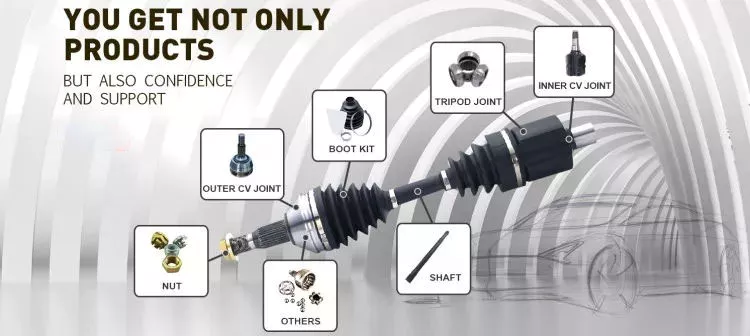
What maintenance practices are essential for prolonging the lifespan of PTO drive shafts?
To prolong the lifespan and ensure the optimal performance of PTO (Power Take-Off) drive shafts, regular maintenance practices are essential. By following these maintenance practices, operators can prevent premature wear, identify potential issues early on, and maximize the longevity of the drive shaft. Here are some key maintenance practices to consider:
1. Lubrication:
Proper lubrication is crucial for the smooth operation and longevity of PTO drive shafts. Regularly lubricate the drive shaft’s universal joints, splines, and other moving parts as per the manufacturer’s recommendations. Choose a high-quality lubricant suitable for the specific application and environmental conditions. Lubrication helps reduce friction, prevent excessive wear, and protect against corrosion.
2. Inspection:
Regular visual inspections are important for identifying any signs of wear, damage, or misalignment in the PTO drive shaft. Inspect the drive shaft and its components for cracks, dents, loose bolts, or signs of excessive wear. Pay attention to the universal joints, splines, shielding, and safety features. If any issues are detected, take prompt action to rectify them to prevent further damage and ensure safe operation.
3. Torque Checks:
Periodically check the torque on fasteners, such as bolts and nuts, that secure the PTO drive shaft and its components. Vibrations and normal operation can cause these fasteners to loosen over time, potentially leading to misalignment or damage. Use a torque wrench to ensure that the fasteners are properly tightened according to the manufacturer’s specifications. Regular torque checks help maintain the integrity and stability of the drive shaft assembly.
4. Alignment:
Maintaining proper alignment between the PTO drive shaft, the primary power source, and the implement is essential for efficient power transfer and preventing excessive wear. Check the alignment of the drive shaft regularly, ensuring that it is straight and properly seated in its connections. Misalignment can cause vibration, increased stress, and premature failure. Make adjustments as necessary to achieve proper alignment.
5. Shear Pin or Torque Limiter Replacement:
If the PTO drive shaft is equipped with a shear pin or torque limiter as a safety feature, it is important to replace these components when they have been activated or damaged. Shear pins are sacrificial components that break under excessive torque, protecting the drive shaft and connected equipment. Replace the shear pin or torque limiter with the correct type and specifications recommended by the manufacturer to ensure continued safety and proper function.
6. Shielding and Guarding:
Inspect the shielding and guarding of the PTO drive shaft regularly to ensure they are intact and in good condition. These protective covers are designed to prevent contact with moving parts and reduce the risk of entanglement or injury. Replace any damaged or missing shielding promptly to maintain operator safety and prevent debris from entering the drive shaft assembly.
7. Environmental Protection:
Consider the environmental conditions in which the PTO drive shaft operates and take appropriate measures to protect it. If the drive shaft is exposed to moisture, dirt, or corrosive substances, clean it regularly and apply appropriate coatings or protective measures to prevent rust and corrosion. Additionally, ensure that the drive shaft is stored in a dry and clean environment when not in use.
8. Manufacturer’s Guidelines:
Follow the maintenance guidelines provided by the manufacturer of the PTO drive shaft. These guidelines may include specific maintenance intervals, recommended lubricants, torque specifications, and other important instructions. Adhering to the manufacturer’s guidelines ensures that the drive shaft is maintained in accordance with its design and engineering specifications, maximizing its lifespan and performance.
By implementing these essential maintenance practices, operators can significantly prolong the lifespan of PTO drive shafts. Regular lubrication, inspections, torque checks, alignment checks, timely replacement of safety features, proper shielding and guarding, environmental protection, and adherence to manufacturer’s guidelines all contribute to the drive shaft’s longevity, reliability, and safe operation.
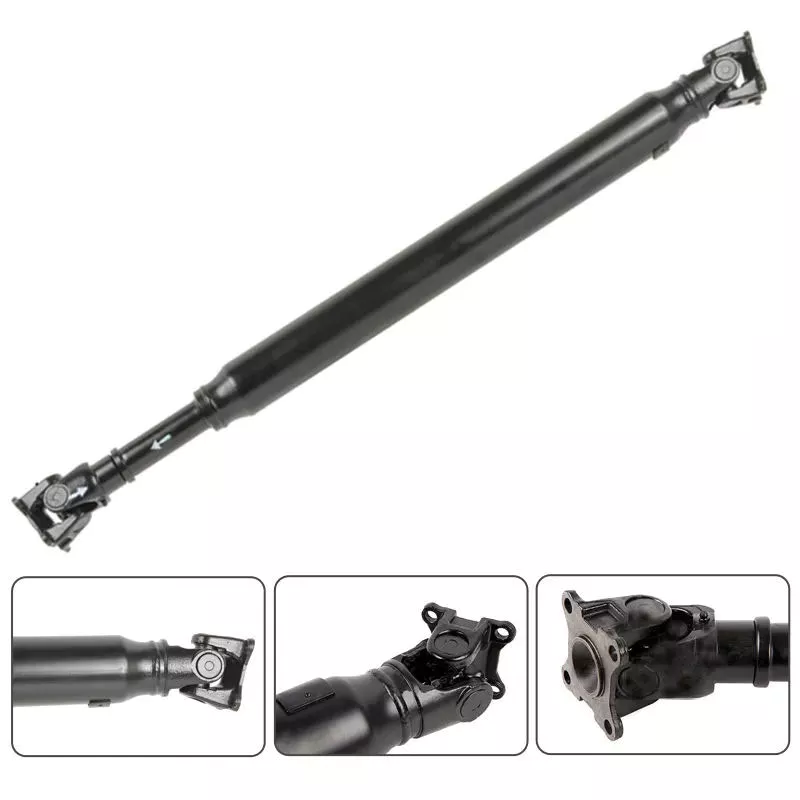
How do PTO drive shafts handle variations in load and torque during operation?
PTO (Power Take-Off) drive shafts are designed to handle variations in load and torque during operation, providing a flexible and efficient power transmission solution. They incorporate several mechanisms and features that enable them to accommodate changes in load and torque. Here’s how PTO drive shafts handle variations in load and torque:
1. Flexible Couplings:
PTO drive shafts typically utilize flexible couplings, such as universal joints or constant velocity joints, at both ends. These couplings allow for angular misalignment and compensate for variations in load and torque. They can accommodate changes in the orientation and position of the driven equipment relative to the power source, reducing stress on the drive shaft and its components.
2. Spring-Loaded Friction Discs:
Some PTO drive shafts incorporate spring-loaded friction discs, commonly known as torque limiters or overload clutches. These devices provide a mechanical means of protecting the drive shaft and connected equipment from excessive torque. When the torque exceeds a predetermined threshold, the friction discs slip, effectively disconnecting the drive shaft from the power source. This protects the drive shaft from damage and allows the system to handle sudden increases or spikes in torque.
3. Slip Clutches:
Slip clutches are another mechanism used in PTO drive shafts to handle variations in torque. Slip clutches allow controlled slippage between the input and output shafts when a certain torque level is exceeded. They provide a means of limiting torque transmission and protecting the drive shaft from overload. Slip clutches can be adjustable, allowing the desired torque setting to be customized based on the specific application.
4. Torque Converters:
In certain applications, PTO drive shafts may incorporate torque converters. Torque converters are fluid coupling devices that use hydraulic principles to transmit torque. They provide a smooth and gradual ramp-up of torque, which helps in handling variations in load and torque. Torque converters can also provide additional benefits such as dampening vibrations and mitigating shock loads.
5. Load-Bearing Capacity:
PTO drive shafts are designed with sufficient load-bearing capacity to handle variations in load during operation. The material selection, diameter, and wall thickness of the drive shaft are optimized based on the anticipated loads and torque requirements. This allows the drive shaft to effectively transmit power without excessive deflection or deformation, ensuring reliable and efficient operation under different load conditions.
6. Regular Maintenance:
Proper maintenance is essential for the reliable operation of PTO drive shafts. Regular inspection, lubrication, and adjustment of the drive shaft components help ensure optimal performance and longevity. By maintaining the drive shaft in good condition, its ability to handle variations in load and torque can be preserved, reducing the risk of failures or unexpected downtime.
It’s important to note that while PTO drive shafts are designed to handle variations in load and torque, there are limits to their capacity. Exceeding the recommended load or torque limits can lead to premature wear, damage to the drive shaft and connected equipment, and compromise safety. It is crucial to operate within the specified parameters and consult the manufacturer’s guidelines for the specific PTO drive shaft model being used.
By incorporating flexible couplings, torque limiters, slip clutches, torque converters, and ensuring adequate load-bearing capacity, PTO drive shafts can effectively handle variations in load and torque during operation. These features contribute to the versatility, efficiency, and reliability of PTO drive shaft systems across a wide range of applications.

In che modo gli alberi di trasmissione della presa di forza gestiscono le variazioni di velocità, coppia e angoli di rotazione?
Gli alberi di trasmissione PTO (Power Take-Off) sono progettati per gestire variazioni di velocità, coppia e angoli di rotazione, consentendo un'efficiente trasmissione di potenza tra la fonte di alimentazione primaria e l'attrezzo o il macchinario. Queste variazioni possono verificarsi a causa di differenze nelle dimensioni delle attrezzature, nelle condizioni operative e nelle attività specifiche svolte. Ecco una spiegazione dettagliata di come gli alberi di trasmissione PTO gestiscono queste variazioni:
1. Variazioni di velocità:
Gli alberi di trasmissione della presa di forza sono progettati per adattarsi alle variazioni di velocità tra la fonte di potenza primaria e l'attrezzo. Questo risultato è ottenuto grazie a una combinazione di fattori:
- Connessioni scanalate: Gli alberi di trasmissione della presa di forza sono dotati di connessioni scanalate su entrambe le estremità, consentendo un collegamento sicuro e preciso all'albero di uscita della presa di forza e all'albero di ingresso dell'attrezzo. Queste scanalature offrono la flessibilità necessaria per regolare la lunghezza dell'albero di trasmissione e adattarsi a diverse esigenze di velocità.
- Meccanismo telescopico o scorrevole: Alcuni alberi di trasmissione della presa di forza sono dotati di un meccanismo telescopico o scorrevole che consente la regolazione della lunghezza. Questo meccanismo consente all'albero di trasmissione di gestire le variazioni di velocità estendendosi o ritraendosi per mantenere il corretto allineamento ed evitare tensioni o inceppamenti eccessivi. Permette all'albero di trasmissione di funzionare in modo efficiente anche quando la distanza tra la fonte di potenza primaria e l'attrezzo varia.
- Perni di taglio o meccanismo di frizione: In situazioni di improvviso aumento di velocità o sovraccarico, gli alberi di trasmissione della presa di forza possono essere dotati di perni di sicurezza o di un meccanismo di frizione. Questi dispositivi di sicurezza sono progettati per scollegare l'albero di trasmissione dalla fonte di alimentazione primaria, prevenendo danni all'albero di trasmissione e alle apparecchiature associate.
2. Variazioni di coppia:
Gli alberi di trasmissione della presa di forza sono progettati per gestire le variazioni di coppia, che si verificano spesso quando si azionano diversi tipi di attrezzi e macchinari. Ecco come gestiscono le variazioni di coppia:
- Connessioni scanalate: I collegamenti scanalati sull'albero motore e sull'albero di uscita della presa di forza garantiscono una connessione sicura e robusta, in grado di trasmettere elevati livelli di coppia. Le scanalature assicurano il corretto allineamento e trasferimento della coppia tra i due alberi, consentendo all'albero motore di gestire diverse richieste di coppia.
- Perni di taglio o meccanismo di frizione: Analogamente alla gestione delle variazioni di velocità, è possibile integrare perni di sicurezza o un meccanismo di frizione negli alberi di trasmissione della presa di forza per proteggerli da una coppia eccessiva. In caso di sovraccarico o di un improvviso aumento di coppia, questi dispositivi di sicurezza disinnestano l'albero di trasmissione dalla fonte di alimentazione primaria, prevenendo danni all'albero di trasmissione e alle apparecchiature collegate.
- Costruzione rinforzata: Gli alberi di trasmissione della presa di forza sono in genere realizzati con materiali durevoli come acciaio o leghe composite. Questa struttura robusta consente loro di sopportare elevati livelli di coppia e di gestire variazioni senza compromettere la loro integrità strutturale.
3. Angoli di rotazione:
Gli alberi di trasmissione della presa di forza sono progettati per adattarsi alle variazioni degli angoli di rotazione tra la fonte di potenza primaria e l'attrezzo. Ecco come gestiscono queste variazioni:
- Design flessibile: Gli alberi di trasmissione della presa di forza sono flessibili per natura, il che consente loro di adattarsi a diversi angoli di rotazione. Le connessioni scanalate e i meccanismi telescopici o scorrevoli menzionati in precedenza forniscono la flessibilità necessaria per gestire le variazioni angolari senza compromettere la trasmissione di potenza.
- Giunti universali: In situazioni in cui si verificano variazioni angolari significative, gli alberi di trasmissione della presa di forza possono incorporare giunti cardanici. I giunti cardanici consentono una trasmissione di potenza fluida anche quando gli alberi di ingresso e di uscita sono disallineati o presentano angolazioni diverse. Assorbono i cambiamenti nel senso di rotazione e compensano le variazioni angolari, garantendo un trasferimento di potenza efficiente.
Grazie all'integrazione di caratteristiche quali connessioni scanalate, meccanismi telescopici o scorrevoli, perni di sicurezza o meccanismi di frizione, strutture rinforzate e giunti cardanici, gli alberi di trasmissione della presa di forza sono in grado di gestire variazioni di velocità, variazioni di coppia e angoli di rotazione. Questi elementi progettuali consentono una trasmissione efficiente della potenza e garantiscono il funzionamento regolare di attrezzi e macchinari in diverse attività e condizioni operative.


editor by CX 2024-04-03























