
Tuotekuvaus
OEM ODM Cardan Transmission Tractor Parts Pto Drive Shaft for Agriculture Machinery
1. Tubes or Pipes
We’ve already got Triangular profile tube and Lemon profile tube for all the series we provide.
And we have some star tube, splined tube and other profile tubes required by our customers (for a certain series). (Please notice that our catalog doesnt contain all the items we produce)
If you want tubes other than triangular or lemon, please provide drawings or pictures.
2.End yokes
We’ve got several types of quick release yokes and plain bore yoke. I will suggest the usual type for your reference.
You can also send drawings or pictures to us if you cannot find your item in our catalog.
3. Safety devices or clutches
I will attach the details of safety devices for your reference. We’ve already have Free wheel (RA), Ratchet torque limiter(SA), Shear bolt torque limiter(SB), 3types of friction torque limiter (FF,FFS,FCS) and overrunning couplers(adapters) (FAS).
4.For any other more special requirements with plastic guard, connection method, color of painting, package, etc., please feel free to let me know.
Ominaisuudet:
1. We have been specialized in designing, manufacturing drive shaft, steering coupler shaft, universal joints, which have exported to the USA, Europe, Australia etc for years
2. Application to all kinds of general mechanical situation
3. Our products are of high intensity and rigidity.
4. Heat resistant & Acid resistant
5. OEM orders are welcomed
Our factory is a leading manufacturer of PTO shaft yoke and universal joint.
We manufacture high quality PTO yokes for various vehicles, construction machinery and equipment. All products are constructed with rotating lighter.
We are currently exporting our products throughout the world, especially to North America, South America, Europe, and Russia. If you are interested in any item, please do not hesitate to contact us. We are looking CZPT to becoming your suppliers in the near future.
/* 22. tammikuuta 2571 19:08:37 */!function(){function s(e,r){var a,o={};try{e&&e.split(“,”).forEach(function(e,t){e&&(a=e.match(/(.*?):(.*))&TP6T/)
| Tyyppi: | Haarukka |
|---|---|
| Käyttö: | Maataloustuotteiden jalostus, viljelysmaan infrastruktuuri, maanmuokkaus, puimuri, kylvö ja lannoitus, viljan puinti, puhdistus ja kuivaus |
| Materiaali: | hiiliteräs |
| Virtalähde: | Nivelakselin putki |
| Kuljetuspaketti: | Standard Sea Worth -paketti |
| Tekniset tiedot: | ISO |
| Mukauttaminen: |
Saatavilla
| Mukautettu pyyntö |
|---|
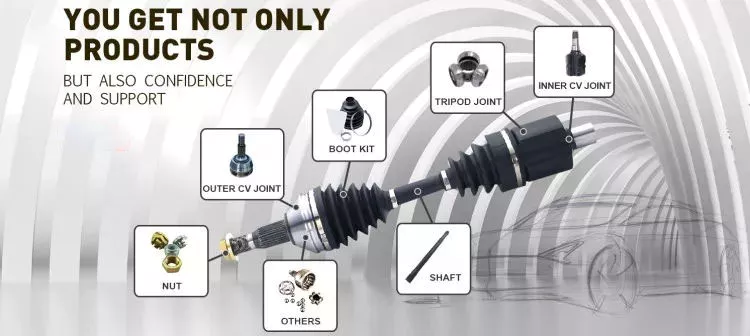
Mitkä huoltotoimenpiteet ovat olennaisia voimanottoakseleiden käyttöiän pidentämiseksi?
PIT-vetoakseleiden käyttöiän pidentämiseksi ja optimaalisen suorituskyvyn varmistamiseksi säännölliset huoltotoimenpiteet ovat välttämättömiä. Näitä huoltotoimenpiteitä noudattamalla käyttäjät voivat estää ennenaikaisen kulumisen, tunnistaa mahdolliset ongelmat varhaisessa vaiheessa ja maksimoida vetoakselin käyttöiän. Tässä on joitakin tärkeitä huoltotoimenpiteitä, jotka on otettava huomioon:
1. Voitelu:
Oikea voitelu on ratkaisevan tärkeää voimanottoakselien sujuvan toiminnan ja pitkän käyttöiän kannalta. Voitele säännöllisesti vetoakselin murrosnivelet, urat ja muut liikkuvat osat valmistajan suositusten mukaisesti. Valitse korkealaatuinen voiteluaine, joka sopii tiettyyn käyttötarkoitukseen ja ympäristöolosuhteisiin. Voitelu auttaa vähentämään kitkaa, estämään liiallista kulumista ja suojaamaan korroosiolta.
2. Tarkastus:
Säännölliset silmämääräiset tarkastukset ovat tärkeitä voimanottoakselin kulumisen, vaurioiden tai linjausvirheiden havaitsemiseksi. Tarkasta voimansiirtoakseli ja sen osat halkeamien, kolhujen, löysien pulttien tai liiallisen kulumisen merkkien varalta. Kiinnitä huomiota murrosniveliin, uriin, suojaukseen ja turvaominaisuuksiin. Jos havaitset ongelmia, ryhdy viipymättä korjaamaan ne lisävaurioiden estämiseksi ja turvallisen käytön varmistamiseksi.
3. Vääntömomentin tarkistukset:
Tarkista säännöllisesti voimanottoakselia ja sen osia kiinnittävien kiinnikkeiden, kuten pulttien ja muttereiden, kiristysmomentti. Tärinä ja normaali käyttö voivat saada nämä kiinnikkeet löystymään ajan myötä, mikä voi johtaa linjausvirheisiin tai vaurioihin. Käytä momenttiavainta varmistaaksesi, että kiinnikkeet on kiristetty oikein valmistajan ohjeiden mukaisesti. Säännölliset momentin tarkastukset auttavat ylläpitämään voimanottoakselin kokoonpanon eheyttä ja vakautta.
4. Kohdistus:
Oikean linjauksen ylläpitäminen voimanottoakselin, ensisijaisen voimanlähteen ja työlaitteen välillä on välttämätöntä tehokkaan voimansiirron ja liiallisen kulumisen estämiseksi. Tarkista nivelakselin linjaus säännöllisesti ja varmista, että se on suorassa ja oikein kiinni liitoksissaan. Linjausvirhe voi aiheuttaa tärinää, lisääntynyttä rasitusta ja ennenaikaista vikaantumista. Tee tarvittavat säädöt oikean linjauksen saavuttamiseksi.
5. Murtotapin tai vääntömomentin rajoittimen vaihto:
Jos voimanottoakselissa on turvaominaisuutena murtotappi tai vääntömomentin rajoitin, on tärkeää vaihtaa nämä komponentit, kun ne ovat aktivoituneet tai vaurioituneet. Murtotapit ovat uhrautuvia komponentteja, jotka rikkoutuvat liiallisen vääntömomentin vaikutuksesta ja suojaavat vetoakselia ja siihen kytkettyjä laitteita. Vaihda murtotappi tai vääntömomentin rajoitin oikeanlaiseen ja valmistajan suosittelemaan osaan, jotta turvallisuus ja asianmukainen toiminta pysyvät voimassa.
6. Suojaus ja vartiointi:
Tarkista voimanottoakselin suojaus säännöllisesti varmistaaksesi, että ne ovat ehjät ja hyvässä kunnossa. Nämä suojat on suunniteltu estämään kosketus liikkuviin osiin ja vähentämään sotkeutumis- tai loukkaantumisriskiä. Vaihda kaikki vaurioituneet tai puuttuvat suojat viipymättä käyttäjän turvallisuuden ylläpitämiseksi ja estääksesi roskien pääsyn voimanottoakseliin.
7. Ympäristönsuojelu:
Ota huomioon voimansiirtoakselin käyttöolosuhteet ja ryhdy asianmukaisiin toimenpiteisiin sen suojaamiseksi. Jos voimansiirtoakseli altistuu kosteudelle, lialle tai syövyttäville aineille, puhdista se säännöllisesti ja käytä asianmukaisia pinnoitteita tai suojatoimenpiteitä ruosteen ja korroosion estämiseksi. Varmista lisäksi, että voimansiirtoakseli säilytetään kuivassa ja puhtaassa ympäristössä, kun sitä ei käytetä.
8. Valmistajan ohjeet:
Noudata voimanottoakselin valmistajan antamia huolto-ohjeita. Nämä ohjeet voivat sisältää erityisiä huoltovälejä, suositeltuja voiteluaineita, kiristysmomentteja ja muita tärkeitä ohjeita. Valmistajan ohjeiden noudattaminen varmistaa, että voimansiirtoakseli huolletaan sen suunnittelun ja teknisten tietojen mukaisesti, mikä maksimoi sen käyttöiän ja suorituskyvyn.
Toteuttamalla nämä olennaiset huoltotoimenpiteet käyttäjät voivat pidentää merkittävästi voimanottoakseleiden käyttöikää. Säännöllinen voitelu, tarkastukset, vääntömomentin tarkastukset, linjaustarkastukset, turvaominaisuuksien oikea-aikainen vaihtaminen, asianmukainen suojaus, ympäristönsuojelu ja valmistajan ohjeiden noudattaminen edistävät kaikki voimanottoakselin pitkäikäisyyttä, luotettavuutta ja turvallista käyttöä.
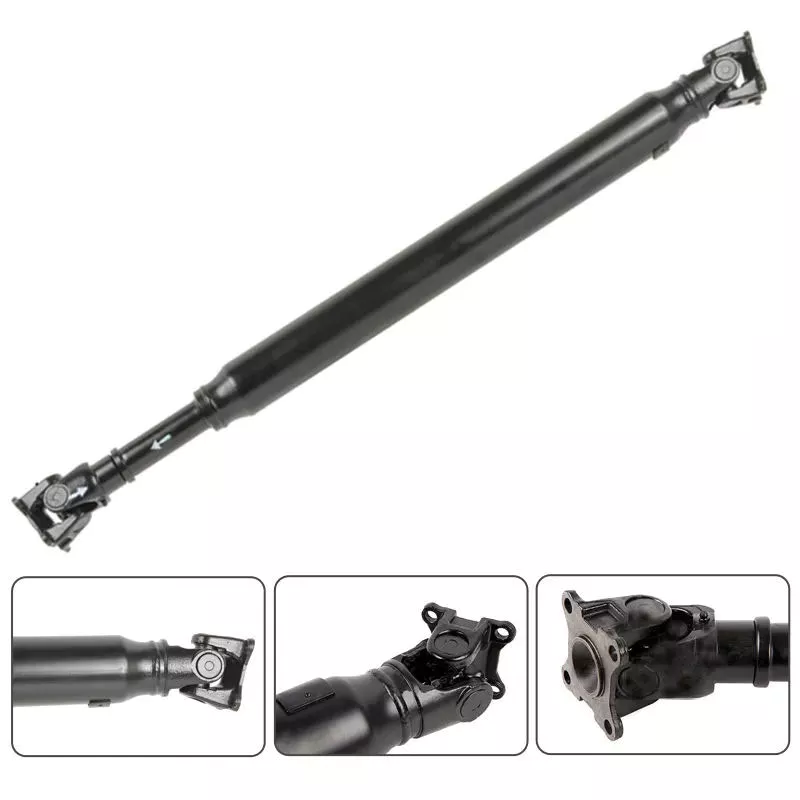
How do PTO drive shafts handle variations in load and torque during operation?
PTO (Power Take-Off) drive shafts are designed to handle variations in load and torque during operation, providing a flexible and efficient power transmission solution. They incorporate several mechanisms and features that enable them to accommodate changes in load and torque. Here’s how PTO drive shafts handle variations in load and torque:
1. Joustavat kytkimet:
PTO drive shafts typically utilize flexible couplings, such as universal joints or constant velocity joints, at both ends. These couplings allow for angular misalignment and compensate for variations in load and torque. They can accommodate changes in the orientation and position of the driven equipment relative to the power source, reducing stress on the drive shaft and its components.
2. Spring-Loaded Friction Discs:
Some PTO drive shafts incorporate spring-loaded friction discs, commonly known as torque limiters or overload clutches. These devices provide a mechanical means of protecting the drive shaft and connected equipment from excessive torque. When the torque exceeds a predetermined threshold, the friction discs slip, effectively disconnecting the drive shaft from the power source. This protects the drive shaft from damage and allows the system to handle sudden increases or spikes in torque.
3. Slip Clutches:
Slip clutches are another mechanism used in PTO drive shafts to handle variations in torque. Slip clutches allow controlled slippage between the input and output shafts when a certain torque level is exceeded. They provide a means of limiting torque transmission and protecting the drive shaft from overload. Slip clutches can be adjustable, allowing the desired torque setting to be customized based on the specific application.
4. Torque Converters:
In certain applications, PTO drive shafts may incorporate torque converters. Torque converters are fluid coupling devices that use hydraulic principles to transmit torque. They provide a smooth and gradual ramp-up of torque, which helps in handling variations in load and torque. Torque converters can also provide additional benefits such as dampening vibrations and mitigating shock loads.
5. Load-Bearing Capacity:
PTO drive shafts are designed with sufficient load-bearing capacity to handle variations in load during operation. The material selection, diameter, and wall thickness of the drive shaft are optimized based on the anticipated loads and torque requirements. This allows the drive shaft to effectively transmit power without excessive deflection or deformation, ensuring reliable and efficient operation under different load conditions.
6. Regular Maintenance:
Proper maintenance is essential for the reliable operation of PTO drive shafts. Regular inspection, lubrication, and adjustment of the drive shaft components help ensure optimal performance and longevity. By maintaining the drive shaft in good condition, its ability to handle variations in load and torque can be preserved, reducing the risk of failures or unexpected downtime.
It’s important to note that while PTO drive shafts are designed to handle variations in load and torque, there are limits to their capacity. Exceeding the recommended load or torque limits can lead to premature wear, damage to the drive shaft and connected equipment, and compromise safety. It is crucial to operate within the specified parameters and consult the manufacturer’s guidelines for the specific PTO drive shaft model being used.
By incorporating flexible couplings, torque limiters, slip clutches, torque converters, and ensuring adequate load-bearing capacity, PTO drive shafts can effectively handle variations in load and torque during operation. These features contribute to the versatility, efficiency, and reliability of PTO drive shaft systems across a wide range of applications.

How do PTO drive shafts handle variations in speed, torque, and angles of rotation?
PTO (Power Take-Off) drive shafts are designed to handle variations in speed, torque, and angles of rotation, allowing for efficient power transmission between the primary power source and the implement or machinery. These variations can occur due to differences in equipment sizes, operating conditions, and the specific tasks being performed. Here’s a detailed explanation of how PTO drive shafts handle these variations:
1. Speed Variations:
PTO drive shafts are engineered to accommodate speed variations between the primary power source and the implement. They achieve this through a combination of factors:
- Splined Connections: PTO drive shafts are equipped with splined connections at both ends, allowing for a secure and precise connection to the PTO output shaft and the implement input shaft. These splines provide flexibility to adjust the length of the drive shaft and accommodate different speed requirements.
- Telescoping or Sliding Mechanism: Some PTO drive shafts feature a telescoping or sliding mechanism that allows for length adjustment. This mechanism enables the drive shaft to handle speed variations by extending or retracting to maintain proper alignment and prevent excessive tension or binding. It allows the drive shaft to operate efficiently even when the distance between the primary power source and the implement changes.
- Shear Pins or Clutch Mechanism: In situations where there is a sudden increase in speed or an overload, PTO drive shafts may incorporate shear pins or a clutch mechanism. These safety features are designed to disconnect the drive shaft from the primary power source, preventing damage to the drive shaft and associated equipment.
2. Torque Variations:
PTO drive shafts are built to handle variations in torque, which are often encountered when powering different types of implements and machinery. Here’s how they manage torque variations:
- Splined Connections: The splined connections on the drive shaft and the PTO output shaft provide a secure and robust connection that can transmit high levels of torque. The splines ensure proper alignment and torque transfer between the two shafts, allowing the drive shaft to handle varying torque demands.
- Shear Pins or Clutch Mechanism: Similar to handling speed variations, shear pins or a clutch mechanism can be incorporated into PTO drive shafts to protect them from excessive torque. In the event of an overload or sudden increase in torque, these safety features disengage the drive shaft from the primary power source, preventing damage to the drive shaft and the connected equipment.
- Reinforced Construction: PTO drive shafts are typically constructed using durable materials such as steel or composite alloys. This robust construction allows them to withstand high torque levels and handle variations without compromising their structural integrity.
3. Angles of Rotation:
PTO drive shafts are designed to accommodate variations in angles of rotation between the primary power source and the implement. Here’s how they address these variations:
- Flexible Design: PTO drive shafts are flexible in nature, allowing them to adapt to different angles of rotation. The splined connections and telescoping or sliding mechanisms mentioned earlier provide the necessary flexibility to handle angular variations without compromising power transmission.
- Universal Joints: In situations where there are significant angular variations, PTO drive shafts may incorporate universal joints. Universal joints allow for smooth power transmission even when the input and output shafts are misaligned or at different angles. They accommodate the changes in rotational direction and compensate for angular variations, ensuring efficient power transfer.
By incorporating features such as splined connections, telescoping or sliding mechanisms, shear pins or clutch mechanisms, reinforced construction, and universal joints, PTO drive shafts can handle speed variations, torque variations, and angles of rotation. These design elements enable efficient power transmission and ensure the smooth operation of implements and machinery across different tasks and operating conditions.


editor by CX 2024-04-03























