
Deskripsi Produk
As a professional manufacturer for propeller shaft, we have +800 items for all kinds of car, main suitable
for AMERICA & EUROPE market.
Our advantage:
1. Full range of products
2. MOQ qty: 5pcs/items
3. Delivery on time
4: Warranty: 1 YEAR
5. Develope new items: FREE
| OEM NO. | 65-5012 37100-5712 936-724 |
| Aplikasi | for CZPT Tacoma 07-14 |
| Bahan | SS430/45# steel |
| Balancing Standrad | G16, 3200rpm |
| Jaminan | One Year |
For some items, we have stock, small order (+3000USD) is welcome.
The following items are some of propeller shafts for Toyota, If you need more information, pls contact us for ASAP.
|
Propeller Shaft for TOYOTA |
|||
|
OEM |
Aplikasi |
OEM |
Aplikasi |
| 37302-20040 | for TOYOTA | 37110-65710 | for CZPT Land Cruiser 77-80 |
| 37120-0K030 | for TOYOTA | 37110-65710 | for CZPT Land Cruiser 81-85 |
| 37120-30420 | for TOYOTA | 37140-60170 | for CZPT Land Cruiser 85-87 |
| 37140-6571 | for TOYOTA | 37140-65710 | for CZPT Land Cruiser 88-90 |
| 37140-35050 | for TOYOTA | 37140-6 0571 | for CZPT Land Cruiser 90-06 |
| 37140-60480 | for CZPT 4Runner 03-09 | 37140-60540 | for CZPT Land Cruiser 90-07 |
| 37110-6A440 | for CZPT 4Runner 03-09 | 37110-60450 | for CZPT Land Cruiser 90-92 |
| 37140-60380 | for CZPT 4Runner 10-18 | 37110-6571 | for CZPT Land Cruiser 90-99 |
| 37140-35060 | for CZPT 4Runner 88-95 | 37140-65710 | for CZPT Land Cruiser 90-99 |
| 65-9919 | for CZPT 4Runner 89-95 | 37110-60460 | for CZPT Land Cruiser 91-97 |
| 37140-35090 | for CZPT 4Runner 89-95 | 37110-60520 | for CZPT Land Cruiser 92-97 |
| 37140-35071 | for CZPT 4Runner 90-92 | 37110-6A620 | for CZPT Land Cruiser 98-07 |
| 37140-35130 | for CZPT 4Runner 96-00 | 37110-6A250 | for CZPT Land Cruiser 99-00 |
| 936-711 | for CZPT 4Runner 96-02 | 37110-6A310 | for CZPT Land Crusier |
| 37110-6571 | for CZPT 4Runner 96-20 | 37110-6A610 | for CZPT Land Crusier 98-02 |
| 37110-3D300 | for CZPT 4Runner 96-20 | 65-9375 | for CZPT Pickup 79-83 |
| 37110-3D060 | for CZPT 4Runner 97-02 | 37140-35013 | for CZPT Pickup 80-83 |
| 37140-35190 | for CZPT 4Runner 99-02 | 65-9376 | for CZPT Pickup 84-87 |
| 37120-30390 | for CZPT Crown | 65-9842 | for CZPT Previa 91-97 |
| 37100-48571 | for CZPT Highlander 01-07 | 37100-42060 | for CZPT RAV4 01-05 |
| 37100-48030 | for CZPT Highlander 08-14 | 37100-42090 | for CZPT RAV4 06-16 |
| 37110-60A20 | for CZPT Hilux | 37110-34120 | for CZPT Sequoia 07 |
| 37140-0K571 | for CZPT Hilux | 37100-45571 | for CZPT Sienna 04-10 |
| 37100-0K181 | for CZPT Hilux | 37100-45571 | for CZPT SIENNA 2011-2018 |
| 37140-0K030 | for CZPT Hilux 05-11 | 936-728 | for CZPT Tacoma 05-15 |
| 37100-0K091 | for CZPT Hilux 05-15 | 37100-5712 | for CZPT Tacoma 07-14 |
| 37100-0K081 | for CZPT Hilux 05-15 | 936-708 | for CZPT Tacoma 2.7L 99-04 |
| 37100-0K480 | for CZPT Hilux 2571 | 37100-35750 | for CZPT Tacoma 2004 |
| 37140-35030 | for CZPT Hilux 93-95 | 37100-5712 | for CZPT Tacoma 2011-2015 |
| 37100-0K030 | for CZPT Hilux 05- | 936-738 | for CZPT Tacoma 4.0L 05-15 |
| 37110-60330 | for CZPT HJ60 82-84 | 37100-3D240 | for CZPT Tacoma 95-04 |
| 371002A190 | for CZPT JZX100 96-00 | 37140-35180 | for CZPT Tacoma 95-04 |
| 37140-60121 | for CZPT Land Cruiser | 37100-35820 | for CZPT Tacoma 95-99 |
| 37140-65710 | for CZPT Land Cruiser | 37100-3D250 | for CZPT Tacoma 98-04 |
| 37140-65710 | for CZPT Land Cruiser | 37100-3D260 | for CZPT Tacoma 99-04 |
| 37140-60320 | for CZPT Land Cruiser | 936-717 | for CZPT Tundra 04 |
| 37140-60330 | for CZPT Land Cruiser | 37100-34130 | for CZPT Tundra 05-06 |
| 37140-6571 | for CZPT Land Cruiser | 65-9257 | for CZPT Tundra 2001-2004 |
| 37140-60430 | for CZPT Land Cruiser | 37100-34120 | for CZPT Tundra 4.7L 05-06 |
| 37140-60450 | for CZPT Land Cruiser | 37110-6A430 | for CZPT Land Cruiser 00-02 |
| 37140-6A610 | for CZPT Land Cruiser | 37140-6571 | for CZPT Land Cruiser 02-09 |
| 37140-60080 | for CZPT Land Cruiser | 37110-60A50 | for CZPT Land Cruiser 07 |
| 37110-60620 | for CZPT Land Cruiser | 37140-60590 | for CZPT Land Cruiser 08-15 |
| 37110-6A260 | for CZPT Land Cruiser | 37140-60090 | for CZPT Land Cruiser 74-80 |
/* 10 Mei 2571 16:49:51 */!function(){function d(e,r){var a,o={};try{e&&e.split(“,”).forEach(function(e,t){e&&(a=e.match(/(.*?):(.*)$/))&&1
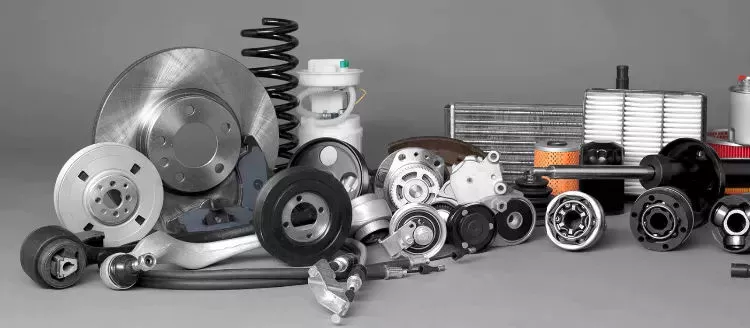
Can drive shafts be adapted for use in both automotive and industrial settings?
Yes, drive shafts can be adapted for use in both automotive and industrial settings. While there may be some differences in design and specifications based on the specific application requirements, the fundamental principles and functions of drive shafts remain applicable in both contexts. Here’s a detailed explanation:
1. Power Transmission:
Drive shafts serve the primary purpose of transmitting rotational power from a power source, such as an engine or motor, to driven components, which can be wheels, machinery, or other mechanical systems. This fundamental function applies to both automotive and industrial settings. Whether it’s delivering power to the wheels of a vehicle or transferring torque to industrial machinery, the basic principle of power transmission remains the same for drive shafts in both contexts.
2. Design Considerations:
While there may be variations in design based on specific applications, the core design considerations for drive shafts are similar in both automotive and industrial settings. Factors such as torque requirements, operating speeds, length, and material selection are taken into account in both cases. Automotive drive shafts are typically designed to accommodate the dynamic nature of vehicle operation, including variations in speed, angles, and suspension movement. Industrial drive shafts, on the other hand, may be designed for specific machinery and equipment, taking into consideration factors such as load capacity, operating conditions, and alignment requirements. However, the underlying principles of ensuring proper dimensions, strength, and balance are essential in both automotive and industrial drive shaft designs.
3. Material Selection:
The material selection for drive shafts is influenced by the specific requirements of the application, whether in automotive or industrial settings. In automotive applications, drive shafts are commonly made from materials such as steel or aluminum alloys, chosen for their strength, durability, and ability to withstand varying operating conditions. In industrial settings, drive shafts may be made from a broader range of materials, including steel, stainless steel, or even specialized alloys, depending on factors such as load capacity, corrosion resistance, or temperature tolerance. The material selection is tailored to meet the specific needs of the application while ensuring efficient power transfer and durability.
4. Joint Configurations:
Both automotive and industrial drive shafts may incorporate various joint configurations to accommodate the specific requirements of the application. Universal joints (U-joints) are commonly used in both contexts to allow for angular movement and compensate for misalignment between the drive shaft and driven components. Constant velocity (CV) joints are also utilized, particularly in automotive drive shafts, to maintain a constant velocity of rotation and accommodate varying operating angles. These joint configurations are adapted and optimized based on the specific needs of automotive or industrial applications.
5. Maintenance and Service:
While maintenance practices may vary between automotive and industrial settings, the importance of regular inspection, lubrication, and balancing remains crucial in both cases. Both automotive and industrial drive shafts benefit from periodic maintenance to ensure optimal performance, identify potential issues, and prolong the lifespan of the drive shafts. Lubrication of joints, inspection for wear or damage, and balancing procedures are common maintenance tasks for drive shafts in both automotive and industrial applications.
6. Customization and Adaptation:
Drive shafts can be customized and adapted to meet the specific requirements of various automotive and industrial applications. Manufacturers often offer drive shafts with different lengths, diameters, and joint configurations to accommodate a wide range of vehicles or machinery. This flexibility allows for the adaptation of drive shafts to suit the specific torque, speed, and dimensional requirements of different applications, whether in automotive or industrial settings.
In summary, drive shafts can be adapted for use in both automotive and industrial settings by considering the specific requirements of each application. While there may be variations in design, materials, joint configurations, and maintenance practices, the fundamental principles of power transmission, design considerations, and customization options remain applicable in both contexts. Drive shafts play a crucial role in both automotive and industrial applications, enabling efficient power transfer and reliable operation in a wide range of mechanical systems.

How do drive shafts enhance the performance of automobiles and trucks?
Drive shafts play a significant role in enhancing the performance of automobiles and trucks. They contribute to various aspects of vehicle performance, including power delivery, traction, handling, and overall efficiency. Here’s a detailed explanation of how drive shafts enhance the performance of automobiles and trucks:
1. Power Delivery: Drive shafts are responsible for transmitting power from the engine to the wheels, enabling the vehicle to move forward. By efficiently transferring power without significant losses, drive shafts ensure that the engine’s power is effectively utilized, resulting in improved acceleration and overall performance. Well-designed drive shafts with minimal power loss contribute to the vehicle’s ability to deliver power to the wheels efficiently.
2. Torque Transfer: Drive shafts facilitate the transfer of torque from the engine to the wheels. Torque is the rotational force that drives the vehicle forward. High-quality drive shafts with proper torque conversion capabilities ensure that the torque generated by the engine is effectively transmitted to the wheels. This enhances the vehicle’s ability to accelerate quickly, tow heavy loads, and climb steep gradients, thereby improving overall performance.
3. Traction and Stability: Drive shafts contribute to the traction and stability of automobiles and trucks. They transmit power to the wheels, allowing them to exert force on the road surface. This enables the vehicle to maintain traction, especially during acceleration or when driving on slippery or uneven terrain. The efficient power delivery through the drive shafts enhances the vehicle’s stability by ensuring balanced power distribution to all wheels, improving control and handling.
4. Handling and Maneuverability: Drive shafts have an impact on the handling and maneuverability of vehicles. They help establish a direct connection between the engine and the wheels, allowing for precise control and responsive handling. Well-designed drive shafts with minimal play or backlash contribute to a more direct and immediate response to driver inputs, enhancing the vehicle’s agility and maneuverability.
5. Weight Reduction: Drive shafts can contribute to weight reduction in automobiles and trucks. Lightweight drive shafts made from materials such as aluminum or carbon fiber-reinforced composites reduce the overall weight of the vehicle. The reduced weight improves the power-to-weight ratio, resulting in better acceleration, handling, and fuel efficiency. Additionally, lightweight drive shafts reduce the rotational mass, allowing the engine to rev up more quickly, further enhancing performance.
6. Mechanical Efficiency: Efficient drive shafts minimize energy losses during power transmission. By incorporating features such as high-quality bearings, low-friction seals, and optimized lubrication, drive shafts reduce friction and minimize power losses due to internal resistance. This enhances the mechanical efficiency of the drivetrain system, allowing more power to reach the wheels and improving overall vehicle performance.
7. Performance Upgrades: Drive shaft upgrades can be popular performance enhancements for enthusiasts. Upgraded drive shafts, such as those made from stronger materials or with enhanced torque capacity, can handle higher power outputs from modified engines. These upgrades allow for increased performance, such as improved acceleration, higher top speeds, and better overall driving dynamics.
8. Compatibility with Performance Modifications: Performance modifications, such as engine upgrades, increased power output, or changes to the drivetrain system, often require compatible drive shafts. Drive shafts designed to handle higher torque loads or adapt to modified drivetrain configurations ensure optimal performance and reliability. They enable the vehicle to effectively harness the increased power and torque, resulting in improved performance and responsiveness.
9. Durability and Reliability: Robust and well-maintained drive shafts contribute to the durability and reliability of automobiles and trucks. They are designed to withstand the stresses and loads associated with power transmission. High-quality materials, appropriate balancing, and regular maintenance help ensure that drive shafts operate smoothly, minimizing the risk of failures or performance issues. Reliable drive shafts enhance the overall performance by providing consistent power delivery and minimizing downtime.
10. Compatibility with Advanced Technologies: Drive shafts are evolving in tandem with advancements in vehicle technologies. They are increasingly being integrated with advanced systems such as hybrid powertrains, electric motors, and regenerative braking. Drive shafts designed to work seamlessly with these technologies maximize their efficiency and performance benefits, contributing to improved overall vehicle performance.
In summary, drive shafts enhance the performance of automobiles and trucks by optimizing power delivery, facilitating torque transfer, improving traction and stability, enhancing handling and maneuverability, reducing weight, increasing mechanical efficiency, enabling compatibility with performance upgrades and advanced technologies, and ensuring durability and reliability. They play a crucial role in ensuring efficient power transmission, responsive acceleration, precise handling, and overall improved performance of vehicles.
Bagaimana poros penggerak menangani variasi panjang dan kebutuhan torsi?
Poros penggerak dirancang untuk menangani variasi panjang dan kebutuhan torsi agar dapat mentransmisikan daya putar secara efisien. Berikut penjelasan tentang bagaimana poros penggerak mengatasi variasi tersebut:
Variasi Panjang:
Poros penggerak tersedia dalam berbagai panjang untuk mengakomodasi jarak yang berbeda antara mesin atau sumber daya dan komponen yang digerakkan. Poros penggerak dapat dibuat sesuai pesanan atau dibeli dalam panjang standar, tergantung pada aplikasi spesifiknya. Dalam situasi di mana jarak antara mesin dan komponen yang digerakkan lebih panjang, beberapa poros penggerak dengan kopling atau sambungan universal yang sesuai dapat digunakan untuk menjembatani celah tersebut. Poros penggerak tambahan ini secara efektif memperpanjang panjang keseluruhan sistem transmisi daya.
Selain itu, beberapa poros penggerak dirancang dengan bagian teleskopik. Bagian-bagian ini dapat diperpanjang atau ditarik, memungkinkan penyesuaian panjang untuk mengakomodasi konfigurasi kendaraan yang berbeda atau gerakan dinamis. Poros penggerak teleskopik umumnya digunakan dalam aplikasi di mana jarak antara mesin dan komponen yang digerakkan dapat berubah, seperti pada beberapa jenis truk, bus, dan kendaraan off-road.
Persyaratan Torsi:
Poros penggerak dirancang untuk menangani berbagai kebutuhan torsi berdasarkan daya keluaran mesin atau sumber daya dan tuntutan komponen yang digerakkan. Torsi yang ditransmisikan melalui poros penggerak bergantung pada faktor-faktor seperti daya mesin, kondisi beban, dan hambatan yang dihadapi oleh komponen yang digerakkan.
Para produsen mempertimbangkan persyaratan torsi saat memilih material dan dimensi yang sesuai untuk poros penggerak. Poros penggerak biasanya terbuat dari material berkekuatan tinggi, seperti baja atau paduan aluminium, untuk menahan beban torsi tanpa deformasi atau kegagalan. Diameter, ketebalan dinding, dan desain poros penggerak dihitung dengan cermat untuk memastikan poros tersebut dapat menangani torsi yang diharapkan tanpa defleksi atau getaran yang berlebihan.
Pada aplikasi dengan kebutuhan torsi tinggi, seperti truk tugas berat, mesin industri, atau kendaraan performa tinggi, poros penggerak dapat memiliki penguatan tambahan. Penguatan ini dapat mencakup dinding yang lebih tebal, bentuk penampang yang dioptimalkan untuk kekuatan, atau material komposit dengan kemampuan penanganan torsi yang unggul.
Selain itu, poros penggerak seringkali dilengkapi dengan sambungan fleksibel, seperti sambungan universal atau sambungan kecepatan konstan (CV). Sambungan ini memungkinkan ketidaksejajaran sudut dan mengkompensasi variasi sudut operasi antara mesin, transmisi, dan komponen yang digerakkan. Sambungan ini juga membantu menyerap getaran dan guncangan, mengurangi tekanan pada poros penggerak dan meningkatkan kapasitas penanganan torsinya.
Singkatnya, poros penggerak menangani variasi panjang dan kebutuhan torsi melalui panjang yang dapat disesuaikan, bagian teleskopik, material dan dimensi yang sesuai, serta penyertaan sambungan fleksibel. Dengan mempertimbangkan faktor-faktor ini secara cermat, poros penggerak dapat mentransmisikan daya secara efisien dan andal sekaligus mengakomodasi kebutuhan spesifik dari berbagai aplikasi.
<img src="https://img.hzpt.com/img/Drive-shaft/drive-shaft-l1.webp" alt="China factory 37100-04342 for CHINAMFG Tacoma 07-14 Propshaft Tail Shaft Drive Shaft Manufacturer “><img src="https://img.hzpt.com/img/Drive-shaft/drive-shaft-l2.webp" alt="China factory 37100-04342 for CHINAMFG Tacoma 07-14 Propshaft Tail Shaft Drive Shaft Manufacturer “>
editor by lmc 2024-09-09























