
Tuotekuvaus
Ammattilaisena valmistaja potkuriakselille meillä on +800 kaikenlaisiin autoihin sopivia tuotteita, pääasiassa sopivia
varten AMERIKKA JA EUROOPPA markkinoida.
Etumme:
1. Täydellinen tuotevalikoima
2. Määrä: 5 kpl/esineet
3. Toimitus ajallaan
4: Takuu: 1 VUOSI
5. Kehitä uusia kohteita: ILMAINEN
| OEM-nro. | 65-5012 37100-5712 936-724 |
| Hakemus | CZPT Tacomalle vuosimallia 07-14 |
| Materiaali | SS430/45#-teräs |
| Tasapainotusstandardi | G16, 3200 rpm |
| Takuu | Yksi vuosi |
Joillekin tuotteille meillä on varastossa, pieniä tilauksia (+3000 Yhdysvaltain dollaria) on tervetullut.
Seuraavat tuotteet ovat joitakin Toyotan potkuriakseleita. Jos tarvitset lisätietoja, ota meihin yhteyttä mahdollisimman pian.
|
Kardaanin Akseli Varten TOYOTA |
|||
|
OEM-valmistaja |
Hakemus |
OEM-valmistaja |
Hakemus |
| 37302-20040 | TOYOTA:lle | 37110-65710 | CZPT Land Cruiser 77-80:lle |
| 37120-0K030 | TOYOTA:lle | 37110-65710 | CZPT Land Cruiserille 81-85 |
| 37120-30420 | TOYOTA:lle | 37140-60170 | CZPT Land Cruiserille 85-87 |
| 37140-6571 | TOYOTA:lle | 37140-65710 | CZPT Land Cruiserille 88-90 |
| 37140-35050 | TOYOTA:lle | 37140-6 0571 | CZPT Land Cruiserille 90-06 |
| 37140-60480 | CZPT 4Runnerille 03-09 | 37140-60540 | CZPT Land Cruiserille 90-07 |
| 37110-6A440 | CZPT 4Runnerille 03-09 | 37110-60450 | CZPT Land Cruiserille 90-92 |
| 37140-60380 | CZPT 4Runnerille 10-18 | 37110-6571 | CZPT Land Cruiserille 90-99 |
| 37140-35060 | CZPT 4Runner 88-95:lle | 37140-65710 | CZPT Land Cruiserille 90-99 |
| 65-9919 | CZPT 4Runner 89-95:lle | 37110-60460 | CZPT Land Cruiserille 91-97 |
| 37140-35090 | CZPT 4Runner 89-95:lle | 37110-60520 | CZPT Land Cruiserille 92-97 |
| 37140-35071 | CZPT 4Runner 90-92 -malliin | 37110-6A620 | CZPT Land Cruiserille 98-07 |
| 37140-35130 | CZPT 4Runnerille 96-00 | 37110-6A250 | CZPT Land Cruiserille 99-00 |
| 936-711 | CZPT 4Runnerille 96-02 | 37110-6A310 | CZPT Land Crusierille |
| 37110-6571 | CZPT 4Runner 96-20 -malliin | 37110-6A610 | CZPT Land Crusierille 98-02 |
| 37110-3D300 | CZPT 4Runner 96-20 -malliin | 65-9375 | CZPT Pickup 79-83:lle |
| 37110-3D060 | CZPT 4Runnerille 97-02 | 37140-35013 | CZPT Pickup 80-83:lle |
| 37140-35190 | CZPT 4Runnerille 99-02 | 65-9376 | CZPT Pickup 84-87:lle |
| 37120-30390 | CZPT Crownille | 65-9842 | CZPT Previalle 91-97 |
| 37100-48571 | CZPT Highlanderille 01-07 | 37100-42060 | CZPT RAV4:lle 01-05 |
| 37100-48030 | CZPT Highlanderille 08-14 | 37100-42090 | CZPT RAV4:lle 06-16 |
| 37110-60A20 | CZPT Hiluxille | 37110-34120 | CZPT Sequoia 07:lle |
| 37140-0K571 | CZPT Hiluxille | 37100-45571 | CZPT Siennalle 04-10 |
| 37100-0K181 | CZPT Hiluxille | 37100-45571 | CZPT SIENNA -kilpailuun 2011–2018 |
| 37140-0K030 | CZPT Hiluxille 05-11 | 936-728 | CZPT Tacomalle 05-15 |
| 37100-0K091 | CZPT Hiluxille 05-15 | 37100-5712 | CZPT Tacomalle vuosimallia 07-14 |
| 37100-0K081 | CZPT Hiluxille 05-15 | 936-708 | CZPT Tacoma 2.7L 99-04:lle |
| 37100-0K480 | CZPT Hilux 2571:lle | 37100-35750 | CZPT Tacoma 2004 -mallille |
| 37140-35030 | CZPT Hiluxille 93-95 | 37100-5712 | CZPT Tacomalle 2011-2015 |
| 37100-0K030 | CZPT Hiluxille 05- | 936-738 | CZPT Tacoma 4.0L 05-15 -malliin |
| 37110-60330 | CZPT HJ60 82-84:lle | 37100-3D240 | CZPT Tacoma 95-04:lle |
| 371002A190 | mallille CZPT JZX100 96-00 | 37140-35180 | CZPT Tacoma 95-04:lle |
| 37140-60121 | CZPT Land Cruiserille | 37100-35820 | CZPT Tacoma 95-99:lle |
| 37140-65710 | CZPT Land Cruiserille | 37100-3D250 | CZPT Tacoma 98-04:lle |
| 37140-65710 | CZPT Land Cruiserille | 37100-3D260 | CZPT Tacoma 99-04:lle |
| 37140-60320 | CZPT Land Cruiserille | 936-717 | CZPT Tundra 04:lle |
| 37140-60330 | CZPT Land Cruiserille | 37100-34130 | CZPT Tundralle 05-06 |
| 37140-6571 | CZPT Land Cruiserille | 65-9257 | CZPT Tundralle 2001-2004 |
| 37140-60430 | CZPT Land Cruiserille | 37100-34120 | CZPT Tundra 4.7L 05-06 -malliin |
| 37140-60450 | CZPT Land Cruiserille | 37110-6A430 | CZPT Land Cruiserille 00-02 |
| 37140-6A610 | CZPT Land Cruiserille | 37140-6571 | CZPT Land Cruiserille 02-09 |
| 37140-60080 | CZPT Land Cruiserille | 37110-60A50 | CZPT Land Cruiserille 07 |
| 37110-60620 | CZPT Land Cruiserille | 37140-60590 | CZPT Land Cruiserille 08-15 |
| 37110-6A260 | CZPT Land Cruiserille | 37140-60090 | CZPT Land Cruiser 74-80:lle |
/* 10. toukokuuta 2571 klo 16.49.51 */!function(){function d(e,r){var a,o={};try{e&&e.split(“,”).forEach(function(e,t){e&&(a=e.match(/(.*?):(.*)$/))&&1
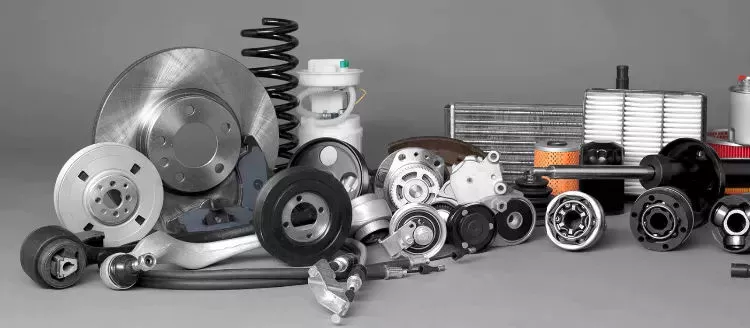
Can drive shafts be adapted for use in both automotive and industrial settings?
Yes, drive shafts can be adapted for use in both automotive and industrial settings. While there may be some differences in design and specifications based on the specific application requirements, the fundamental principles and functions of drive shafts remain applicable in both contexts. Here’s a detailed explanation:
1. Power Transmission:
Drive shafts serve the primary purpose of transmitting rotational power from a power source, such as an engine or motor, to driven components, which can be wheels, machinery, or other mechanical systems. This fundamental function applies to both automotive and industrial settings. Whether it’s delivering power to the wheels of a vehicle or transferring torque to industrial machinery, the basic principle of power transmission remains the same for drive shafts in both contexts.
2. Suunnittelunäkökohdat:
While there may be variations in design based on specific applications, the core design considerations for drive shafts are similar in both automotive and industrial settings. Factors such as torque requirements, operating speeds, length, and material selection are taken into account in both cases. Automotive drive shafts are typically designed to accommodate the dynamic nature of vehicle operation, including variations in speed, angles, and suspension movement. Industrial drive shafts, on the other hand, may be designed for specific machinery and equipment, taking into consideration factors such as load capacity, operating conditions, and alignment requirements. However, the underlying principles of ensuring proper dimensions, strength, and balance are essential in both automotive and industrial drive shaft designs.
3. Material Selection:
The material selection for drive shafts is influenced by the specific requirements of the application, whether in automotive or industrial settings. In automotive applications, drive shafts are commonly made from materials such as steel or aluminum alloys, chosen for their strength, durability, and ability to withstand varying operating conditions. In industrial settings, drive shafts may be made from a broader range of materials, including steel, stainless steel, or even specialized alloys, depending on factors such as load capacity, corrosion resistance, or temperature tolerance. The material selection is tailored to meet the specific needs of the application while ensuring efficient power transfer and durability.
4. Joint Configurations:
Both automotive and industrial drive shafts may incorporate various joint configurations to accommodate the specific requirements of the application. Universal joints (U-joints) are commonly used in both contexts to allow for angular movement and compensate for misalignment between the drive shaft and driven components. Constant velocity (CV) joints are also utilized, particularly in automotive drive shafts, to maintain a constant velocity of rotation and accommodate varying operating angles. These joint configurations are adapted and optimized based on the specific needs of automotive or industrial applications.
5. Maintenance and Service:
While maintenance practices may vary between automotive and industrial settings, the importance of regular inspection, lubrication, and balancing remains crucial in both cases. Both automotive and industrial drive shafts benefit from periodic maintenance to ensure optimal performance, identify potential issues, and prolong the lifespan of the drive shafts. Lubrication of joints, inspection for wear or damage, and balancing procedures are common maintenance tasks for drive shafts in both automotive and industrial applications.
6. Customization and Adaptation:
Drive shafts can be customized and adapted to meet the specific requirements of various automotive and industrial applications. Manufacturers often offer drive shafts with different lengths, diameters, and joint configurations to accommodate a wide range of vehicles or machinery. This flexibility allows for the adaptation of drive shafts to suit the specific torque, speed, and dimensional requirements of different applications, whether in automotive or industrial settings.
In summary, drive shafts can be adapted for use in both automotive and industrial settings by considering the specific requirements of each application. While there may be variations in design, materials, joint configurations, and maintenance practices, the fundamental principles of power transmission, design considerations, and customization options remain applicable in both contexts. Drive shafts play a crucial role in both automotive and industrial applications, enabling efficient power transfer and reliable operation in a wide range of mechanical systems.

Miten vetoakselit parantavat autojen ja kuorma-autojen suorituskykyä?
Vetoakseleilla on merkittävä rooli autojen ja kuorma-autojen suorituskyvyn parantamisessa. Ne vaikuttavat ajoneuvon suorituskyvyn eri osa-alueisiin, kuten tehonsiirtoon, pitoon, käsiteltävyyteen ja kokonaistehokkuuteen. Tässä on yksityiskohtainen selitys siitä, miten vetoakselit parantavat autojen ja kuorma-autojen suorituskykyä:
1. Virransyöttö: Drive shafts are responsible for transmitting power from the engine to the wheels, enabling the vehicle to move forward. By efficiently transferring power without significant losses, drive shafts ensure that the engine’s power is effectively utilized, resulting in improved acceleration and overall performance. Well-designed drive shafts with minimal power loss contribute to the vehicle’s ability to deliver power to the wheels efficiently.
2. Vääntömomentin siirto: Vetoakselit helpottavat vääntömomentin siirtymistä moottorista pyöriin. Vääntömomentti on pyörimisvoima, joka ajaa ajoneuvoa eteenpäin. Korkealaatuiset vetoakselit, joilla on asianmukaiset vääntömomentin muuntamisominaisuudet, varmistavat, että moottorin tuottama vääntömomentti välittyy tehokkaasti pyöriin. Tämä parantaa ajoneuvon kykyä kiihdyttää nopeasti, vetää raskaita kuormia ja kiivetä jyrkissä mäissä, mikä parantaa kokonaissuorituskykyä.
3. Pito ja vakaus: Vetoakselit edistävät autojen ja kuorma-autojen pitoa ja vakautta. Ne välittävät voiman pyörille, jolloin ne voivat kohdistaa voimaa tienpintaan. Tämä mahdollistaa ajoneuvon pidon säilyttämisen erityisesti kiihdytyksen aikana tai ajettaessa liukkaalla tai epätasaisella maastolla. Tehokas voimansiirto vetoakseleiden kautta parantaa ajoneuvon vakautta varmistamalla tasapainoisen voimanjaon kaikille pyörille, mikä parantaa hallintaa ja käsiteltävyyttä.
4. Käsittely ja ohjattavuus: Vetoakseleilla on vaikutusta ajoneuvojen käsiteltävyyteen ja ohjattavuuteen. Ne auttavat luomaan suoran yhteyden moottorin ja pyörien välille, mikä mahdollistaa tarkan hallinnan ja herkän käsiteltävyyden. Hyvin suunnitellut vetoakselit, joissa on minimaalinen välys tai vastavirta, edistävät suorempaa ja välittömämpää vastetta kuljettajan liikkeisiin, mikä parantaa ajoneuvon ketteryyttä ja ohjattavuutta.
5. Painonpudotus: Vetoakselit voivat auttaa vähentämään autojen ja kuorma-autojen painoa. Kevyet vetoakselit, jotka on valmistettu esimerkiksi alumiinista tai hiilikuituvahvisteisista komposiiteista, vähentävät ajoneuvon kokonaispainoa. Pienempi paino parantaa teho-painosuhdetta, mikä johtaa parempaan kiihtyvyyteen, käsiteltävyyteen ja polttoainetehokkuuteen. Lisäksi kevyet vetoakselit vähentävät pyörimismassaa, jolloin moottorin kierrokset nousevat nopeammin, mikä parantaa entisestään suorituskykyä.
6. Mekaaninen hyötysuhde: Tehokkaat vetoakselit minimoivat energiahäviöitä voimansiirron aikana. Korkealaatuisten laakereiden, pienikitkaisten tiivisteiden ja optimoidun voitelun kaltaisten ominaisuuksien ansiosta vetoakselit vähentävät kitkaa ja minimoivat sisäisen vastuksesta johtuvat tehohäviöt. Tämä parantaa voimansiirtojärjestelmän mekaanista tehokkuutta, jolloin pyörille pääsee enemmän tehoa ja ajoneuvon kokonaissuorituskyky paranee.
7. Suorituskyvyn päivitykset: Drive shaft upgrades can be popular performance enhancements for enthusiasts. Upgraded drive shafts, such as those made from stronger materials or with enhanced torque capacity, can handle higher power outputs from modified engines. These upgrades allow for increased performance, such as improved acceleration, higher top speeds, and better overall driving dynamics.
8. Yhteensopivuus suorituskykymuutosten kanssa: Suorituskyvyn muutokset, kuten moottorin päivitykset, tehonlisäys tai voimansiirtojärjestelmän muutokset, vaativat usein yhteensopivia vetoakseleita. Suurempia vääntömomentteja käsittelemään tai muokattuihin voimansiirtokokoonpanoihin mukautumaan suunnitellut vetoakselit varmistavat optimaalisen suorituskyvyn ja luotettavuuden. Ne mahdollistavat ajoneuvon tehokkaan tehon ja vääntömomentin hyödyntämisen, mikä parantaa suorituskykyä ja reagointikykyä.
9. Kestävyys ja luotettavuus: Kestävät ja hyvin huolletut vetoakselit edistävät autojen ja kuorma-autojen kestävyyttä ja luotettavuutta. Ne on suunniteltu kestämään voimansiirtoon liittyviä rasituksia ja kuormia. Korkealaatuiset materiaalit, asianmukainen tasapainotus ja säännöllinen huolto varmistavat vetoakselien sujuvan toiminnan, mikä minimoi vikojen tai suorituskykyongelmien riskin. Luotettavat vetoakselit parantavat yleistä suorituskykyä tarjoamalla tasaisen tehonsyötön ja minimoimalla seisokkiajat.
10. Yhteensopivuus edistyneiden teknologioiden kanssa: Vetoakselit kehittyvät ajoneuvotekniikan kehityksen tahdissa. Niitä integroidaan yhä enemmän edistyneisiin järjestelmiin, kuten hybridivoimansiirtoihin, sähkömoottoreihin ja regeneratiiviseen jarrutukseen. Näiden teknologioiden kanssa saumattomasti toimimaan suunnitellut vetoakselit maksimoivat niiden tehokkuuden ja suorituskyvyn hyödyt, mikä parantaa ajoneuvon kokonaissuorituskykyä.
In summary, drive shafts enhance the performance of automobiles and trucks by optimizing power delivery, facilitating torque transfer, improving traction and stability, enhancing handling and maneuverability, reducing weight, increasing mechanical efficiency, enabling compatibility with performance upgrades and advanced technologies, and ensuring durability and reliability. They play a crucial role in ensuring efficient power transmission, responsive acceleration, precise handling, and overall improved performance of vehicles.
How do drive shafts handle variations in length and torque requirements?
Drive shafts are designed to handle variations in length and torque requirements in order to efficiently transmit rotational power. Here’s an explanation of how drive shafts address these variations:
Length Variations:
Drive shafts are available in different lengths to accommodate varying distances between the engine or power source and the driven components. They can be custom-made or purchased in standardized lengths, depending on the specific application. In situations where the distance between the engine and the driven components is longer, multiple drive shafts with appropriate couplings or universal joints can be used to bridge the gap. These additional drive shafts effectively extend the overall length of the power transmission system.
Additionally, some drive shafts are designed with telescopic sections. These sections can be extended or retracted, allowing for adjustments in length to accommodate different vehicle configurations or dynamic movements. Telescopic drive shafts are commonly used in applications where the distance between the engine and the driven components may change, such as in certain types of trucks, buses, and off-road vehicles.
Torque Requirements:
Drive shafts are engineered to handle varying torque requirements based on the power output of the engine or power source and the demands of the driven components. The torque transmitted through the drive shaft depends on factors such as the engine power, load conditions, and the resistance encountered by the driven components.
Manufacturers consider torque requirements when selecting the appropriate materials and dimensions for drive shafts. Drive shafts are typically made from high-strength materials, such as steel or aluminum alloys, to withstand the torque loads without deformation or failure. The diameter, wall thickness, and design of the drive shaft are carefully calculated to ensure it can handle the expected torque without excessive deflection or vibration.
In applications with high torque demands, such as heavy-duty trucks, industrial machinery, or performance vehicles, drive shafts may have additional reinforcements. These reinforcements can include thicker walls, cross-sectional shapes optimized for strength, or composite materials with superior torque-handling capabilities.
Furthermore, drive shafts often incorporate flexible joints, such as universal joints or constant velocity (CV) joints. These joints allow for angular misalignment and compensate for variations in the operating angles between the engine, transmission, and driven components. They also help absorb vibrations and shocks, reducing stress on the drive shaft and enhancing its torque-handling capacity.
In summary, drive shafts handle variations in length and torque requirements through customizable lengths, telescopic sections, appropriate materials and dimensions, and the inclusion of flexible joints. By carefully considering these factors, drive shafts can efficiently and reliably transmit power while accommodating the specific needs of different applications.
<img src="https://img.hzpt.com/img/Drive-shaft/drive-shaft-l1.webp" alt="China factory 37100-04342 for CHINAMFG Tacoma 07-14 Propshaft Tail Shaft Drive Shaft Manufacturer “><img src="https://img.hzpt.com/img/Drive-shaft/drive-shaft-l2.webp" alt="China factory 37100-04342 for CHINAMFG Tacoma 07-14 Propshaft Tail Shaft Drive Shaft Manufacturer “>
toimittaja lmc 2024-09-09























