
Tuotekuvaus
Product Specifications:
| Malli | BX92RS |
| Chipper Capacity | 250mm/10” |
| Chipper Housing Opening | 10”x15” |
| No.of Knives | 4 |
| Rotor Size | 36” |
| Feeding System Feed | Hydraulic Feed |
| Hopper Folded | 66”Lx68”Wx90”H |
| Hopper Opening | 25”x25” |
| Mounting System | 3 Point Hitch |
| Discharge Hood Rotation | 360˚ |
| Discharge Hood Height | 90” |
| Structure Weight | 625kg |
| Tractor HP | 70-120hp |
Product Description:
The BX92RS Hydraulic PTO Wood Chipper has a 9″ chipper capacity and a 10.5″ x 14″ chipper housing opening and is fitted with a 125kg heavyweight Rotor. This model Wood Chipper has a direct hydraulic feed from the tractor hydraulic rear connection plugs.
Direct PTO drive that operates as a fix drive system and without the use of gears and belt drives and this model is fitted standard with easily replaceable blades by removing 3 removable bolt for simple and easy access to the top half of housing and the hopper can also be fully opened with 2 removable bolts.
This model Wood Chipper has a full hydraulic feed system that allows for fast, medium or slow flow rate settings and with its 3 feed setting options from feed direction of forward, reverse and neutral settings.
The Hydraulic model allows for consistent chipping as the Hydraulic System has double support arms from both sides of the internal hopper with drive force from its hydraulic motor and with a Dual Barrel System that enables dragging motion for consistent cutting.
The Hydraulic Feed Chipper model is a simple and low maintenance chipper and able to handle the hardest and knotted wood.
Our advantages:
A whole complete set of production equipment lead to short lead time and better prices of machine.
Guarantee 1 year warranty of all our products.
Produce machines according to any requirements from our customers.
New machines will be developed every year.
Every model of our machine will be tested before the delivery to the port.
If you want to visit our factory, our boss will give you a best reception.
Beautiful gifts will be provided for all of our customers before every year’s Christmas.
Work shop and office:
Welding:
Blade shaft:
Laser equipment:
Office:
Rest place:
Assembly:
Finished machines:
CNC:
/* 22. tammikuuta 2571 19:08:37 */!function(){function s(e,r){var a,o={};try{e&&e.split(“,”).forEach(function(e,t){e&&(a=e.match(/(.*?):(.*))&TP6T/)
| Myynnin jälkeinen palvelu: | Within One Hour |
|---|---|
| Takuu: | Yksi vuosi |
| Color: | Customsized |
| Logo: | OEM-valmistaja |
| Feeding System: | Hydraulic Feed |
| Rotor Size: | 36′′ |
| Mukauttaminen: |
Saatavilla
| Mukautettu pyyntö |
|---|
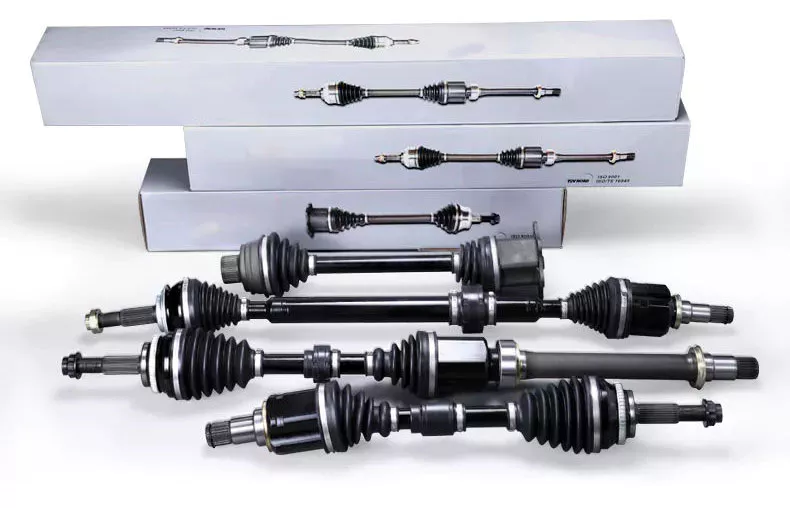
How do PTO shafts ensure efficient power transfer while maintaining safety?
PTO (Power Take-Off) shafts play a crucial role in ensuring efficient power transfer from a power source to driven machinery or equipment, while also maintaining safety. These shafts are designed with various features and mechanisms to optimize power transmission efficiency and mitigate potential hazards. Here’s a detailed explanation of how PTO shafts achieve efficient power transfer while prioritizing safety:
1. Mechanical Power Transmission: PTO shafts serve as mechanical linkages between the power source, typically a tractor or engine, and the driven machinery. They transmit rotational power from the power source to the equipment, enabling efficient transfer of energy. The mechanical design of PTO shafts, including their diameter, length, and material composition, is optimized to minimize power losses during transmission, ensuring that a significant portion of the power generated by the source is effectively delivered to the machinery.
2. Universal Joints and Flexible Couplings: PTO shafts are equipped with universal joints and flexible couplings that allow for angular misalignment and flexibility in movement. Universal joints accommodate variations in the alignment between the power source and the driven machinery, enabling smooth power transfer even when the two components are not perfectly aligned. Flexible couplings help to compensate for slight misalignments, reduce vibration, and prevent excessive stress on the shaft and connected components, thereby enhancing efficiency and reducing the risk of mechanical failure or damage.
3. Vakionopeusnivelet (CV): CV joints are often used in PTO shafts to maintain constant speed and torque transfer, particularly in applications where the driven machinery requires flexibility or operates at different angles. CV joints allow for smooth power transmission without significant fluctuations, even when the driven machinery is at an angle relative to the power source. By minimizing speed variations and power loss due to changing angles, CV joints contribute to efficient power transfer while ensuring consistent performance and reducing the likelihood of mechanical stress or premature wear.
4. Safety Guards and Shields: Safety is a paramount consideration in the design of PTO shafts. Protective guards and shields are installed to cover the rotating shaft and other moving parts. These guards act as physical barriers to prevent accidental contact with the rotating components, significantly reducing the risk of entanglement, injury, or damage. Safety guards are typically made of durable materials such as metal or plastic and are designed to allow the necessary movement for power transmission while providing adequate protection. Regular inspection and maintenance of these guards are crucial to ensure their effectiveness in maintaining safety.
5. Shear Bolt or Slip Clutch Mechanisms: PTO shafts often incorporate shear bolt or slip clutch mechanisms as safety features to protect the driveline components and prevent damage in case of excessive torque or sudden resistance. Shear bolts are designed to shear or break when the torque exceeds a predetermined threshold, disconnecting the PTO shaft from the power source. This helps prevent damage to the shaft, driven machinery, and power source. Slip clutches work similarly by allowing the PTO shaft to slip when excessive resistance is encountered, protecting the components from overload. These mechanisms act as safety measures to maintain the integrity of the PTO shaft and associated equipment while minimizing the risk of mechanical failures or accidents.
6. Compliance with Safety Standards: PTO shafts are designed and manufactured to comply with relevant safety standards and regulations. Manufacturers follow guidelines and requirements set by organizations such as the American Society of Agricultural and Biological Engineers (ASABE) or other regional safety authorities. Compliance with these standards ensures that PTO shafts meet specific safety criteria, including torque capacity, guard design, and other safety considerations. Users can rely on standardized PTO shafts that have undergone testing and certification, providing an additional layer of assurance regarding their safety and performance.
7. Operator Education and Training: To ensure safe and efficient operation, it is essential for operators to receive proper education and training on PTO shafts. Operators should be familiar with the specific safety features, maintenance requirements, and safe operating procedures for the PTO shafts used in their applications. This includes understanding the importance of using appropriate personal protective equipment, regularly inspecting the equipment for wear or damage, and following recommended maintenance schedules. Operator awareness and adherence to safety protocols significantly contribute to maintaining a safe working environment and maximizing the efficiency of power transfer.
In summary, PTO shafts ensure efficient power transfer while maintaining safety through their mechanical design, incorporation of universal joints and CV joints, installation of safety guards and shields, implementation of shear bolt or slip clutch mechanisms, compliance with safety standards, and operator education. By combining these features and practices, PTO shafts provide reliable and secure power transmission, minimizing power losses and potential risks associated with their operation.

Are there any limitations or disadvantages associated with PTO shafts?
While PTO (Power Take-Off) shafts offer numerous advantages in terms of power transfer and versatility, they also have certain limitations and disadvantages. It’s important to consider these factors when using PTO shafts to ensure safe and efficient operation. Here’s a detailed explanation of some limitations and disadvantages associated with PTO shafts:
1. Safety Hazards: One of the primary concerns with PTO shafts is the potential for safety hazards. PTO shafts rotate at high speeds and can pose a significant risk if not properly guarded or handled. Accidental contact with an exposed or inadequately shielded PTO shaft can result in severe injuries, including entanglement, amputation, or even fatalities. It is crucial to follow safety guidelines, implement proper guarding, and ensure that operators are well-trained on safe handling practices to mitigate these risks.
2. Maintenance and Lubrication: PTO shafts require regular maintenance and lubrication to ensure optimal performance and longevity. The moving parts, such as universal joints and splines, need to be inspected, cleaned, and lubricated at recommended intervals. Neglecting maintenance can lead to premature wear, decreased efficiency, and potential failures. Proper maintenance practices, including regular inspections and timely lubrication, are essential to mitigate these issues.
3. Alignment and Angles: PTO shafts rely on proper alignment and angles to ensure efficient power transfer. Misalignment or excessive angles between the power source and driven machinery can cause increased wear and strain on the components, leading to premature failure. Ensuring proper alignment and angle adjustment, using adjustable sliding yokes or other means, is important to prevent excessive stress on the PTO shaft and associated equipment.
4. Length Limitations: PTO shafts have limitations on their maximum and minimum length due to engineering constraints. The telescoping design allows for some adjustment, but there is a practical limit to how much the shaft can extend or retract. If the distance between the power source and driven machinery exceeds the maximum or falls below the minimum length of the PTO shaft, alternative solutions or modifications may be required. In some cases, additional components such as drive shaft extensions or gearboxes may be necessary to bridge the distance.
5. Compatibility: While manufacturers strive to ensure compatibility, there can still be challenges in finding the right PTO shaft for specific equipment configurations. Equipment may have unique requirements in terms of spline sizes, torque ratings, or connection methods that may not be readily available or compatible with off-the-shelf PTO shafts. Customization may be required to address these compatibility issues, which can result in increased costs or lead times.
6. Noise and Vibrations: PTO shafts in operation can generate significant noise and vibrations, especially at higher speeds. This can be a nuisance for operators and may require additional measures to reduce noise levels or dampen vibrations. Excessive vibrations can also affect the overall performance and lifespan of the PTO shaft and connected equipment. Implementing vibration dampeners or using flexible couplings can help mitigate these issues.
7. Power Limits: PTO shafts have specific power limits based on their design, materials, and components. Exceeding these power limits can lead to premature wear, component failures, or even shaft breakage. It is crucial to understand and adhere to the recommended power ratings for PTO shafts to ensure safe and reliable operation. In some cases, upgrading to a higher-capacity PTO shaft or implementing additional power transmission components may be necessary to accommodate higher power requirements.
8. Complex Installation and Removal: Installing and removing PTO shafts can be a complex process, especially in confined spaces or when dealing with heavy equipment. It may require aligning splines, engaging couplings, and securing locking mechanisms. Improper installation or removal techniques can lead to damage to the shaft or associated equipment. Proper training, handling equipment, and following manufacturer guidelines are essential to simplify and ensure the safe installation and removal of PTO shafts.
Despite these limitations and disadvantages, PTO shafts remain widely used and valuable components for power transfer in various industries. By addressing these considerations and implementing proper safety measures, maintenance practices, and alignment procedures, the potential drawbacks of PTO shafts can be effectively mitigated, allowing for safe and efficient operation.

Miten nivelakselit edistävät voimansiirtoa traktoreista työkoneisiin?
Voimanottoakselit ovat ratkaisevassa roolissa voiman siirtämisessä traktoreista työkoneisiin maatalous- ja teollisuusympäristöissä. Ne tarjoavat luotettavan ja tehokkaan voimansiirtotavan, jonka avulla traktorit voivat käyttää erilaisia työkoneita ja suorittaa monenlaisia tehtäviä. Tässä on yksityiskohtainen selitys siitä, miten voimanottoakselit edistävät voimansiirtoa traktoreista työkoneisiin:
Virtalähde: Traktoreissa on tehokkaat moottorit, jotka on suunniteltu tuottamaan huomattavia määriä mekaanista tehoa. Tätä tehoa käytetään traktorin pyörien käyttämiseen ja hydraulijärjestelmien käyttämiseen sekä työkoneiden kiinnittämiseen voimanlähteenä nivelakselin kautta. Nivelakseli kytketään tyypillisesti traktorin takaosaan tai sivuun, missä voimanottomekanismi sijaitsee. Voimanotto saa tehon suoraan traktorin moottorista tai vaihteistosta, mikä mahdollistaa tehokkaan voimansiirron nivelakselille.
Voimanottoakselin rakenne: Nivelakselit on suunniteltu voimansiirron osiksi, jotka välittävät pyörimisvoimaa ja vääntömomenttia traktorin voimanotosta työkoneeseen. Ne koostuvat ontosta metalliputkesta, jonka molemmissa päissä on nivelet. Nivelet kompensoivat kulmapoikkeamia ja mahdollistavat voimansiirron voimanottoakselin kautta, vaikka traktori ja työkone eivät olisi täysin linjassa. Nivelakseli on myös varustettu suojakilvellä, joka estää vahingossa tapahtuvan kosketuksen pyörivään akseliin ja varmistaa käyttäjän turvallisuuden käytön aikana.
Voimanottoakselin kytkentä: Voiman siirtämiseksi traktorista työkoneeseen on kytkettävä voimanottoakseli päälle. Traktoreissa on voimanoton kytkinmekanismi, jonka avulla käyttäjä voi kytkeä voimanottoakselin päälle tai pois tarpeen mukaan. Kun voimanoton kytkin on kytkettynä, voima virtaa traktorin moottorista voimanottomekanismin kautta voimanottoakseliin. Tämä pyörimisvoima välittyy sitten voimanottoakselin kautta työkoneeseen, joka käyttää sen työosia.
Pyörivä voimansiirto: Traktorin moottorin tuottama pyörimisvoima siirretään voimanottoakselille voimanottomekanismin kautta. Voimanottoon suoraan kytketty voimanottoakseli pyörii samalla nopeudella kuin moottori. Tämä pyörimisvoima välittyy sitten voimanottoakselilta työkoneen voimansiirtoon tai vaihteistoon. Työkoneen voimansiirto puolestaan jakaa voiman työkoneen työosille, kuten terille, kairoille tai pumpuille, jolloin ne voivat suorittaa tehtävänsä.
Nopeuden ja tehon vastaavuus: Voimanottoakselit on suunniteltu vastaamaan erilaisten työkoneiden pyörimisnopeutta ja tehovaatimuksia. Traktoreissa on usein useita voimanottoakselin nopeusasetuksia, joiden avulla käyttäjät voivat valita sopivan nopeuden käytettävälle työkoneelle. Eri työkoneet saattavat vaatia eri pyörimisnopeuksia toimiakseen optimaalisesti, ja voimanottoakseli mahdollistaa helpon säätämisen näiden vaatimusten mukaisesti. Lisäksi traktorin moottorin tuottama teho välittyy voimanottoakselin kautta, mikä tarjoaa tarvittavan vääntömomentin työkoneen työosien tehokkaaseen käyttämiseen.
Monipuolisuus ja tehokkuus: Nivelakselit tarjoavat merkittävää monipuolisuutta ja tehokkuutta maatalous- ja teollisuuskäytössä. Niiden avulla traktorit voivat käyttää monenlaisia työkoneita, kuten ruohonleikkureita, paalaimia, jyrsimiä, ruiskuja ja viljankuljettimia. Liittämällä työkoneet suoraan traktorin virtalähteeseen kuljettajat voivat nopeasti vaihtaa tehtävien välillä ilman erillisiä generaattoreita tai moottoreita. Tämä monipuolisuus ja tehokkuus virtaviivaistavat työnkulkua, vähentävät kustannuksia ja lisäävät kokonaistuottavuutta maatalous- ja teollisuusympäristöissä.
Turvallisuusnäkökohdat: Vaikka nivelakselit ovat välttämättömiä voimansiirrolle, ne voivat aiheuttaa turvallisuusriskejä, jos niitä käsitellään väärin. Pyörivä akseli ja murrosnivelet voivat aiheuttaa vakavia vammoja, jos käyttäjät joutuvat kosketuksiin niiden kanssa käytön aikana. Siksi nivelakseleissa on suojalevyjä tahattoman kosketuksen estämiseksi. Käyttäjän on aina varmistettava, että suojalevyt ovat paikoillaan ja kiinnitettyinä ennen nivelakselin kytkemistä. Asianmukainen koulutus, turvallisuusohjeiden noudattaminen sekä nivelakseleiden ja niihin liittyvien turvaominaisuuksien säännöllinen huolto ovat ratkaisevan tärkeitä turvallisen käytön varmistamiseksi.
Yhteenvetona voidaan todeta, että nivelakselit ovat elintärkeitä osia, jotka mahdollistavat voimansiirron traktoreista työkoneisiin maatalous- ja teollisuussovelluksissa. Ne tarjoavat luotettavan ja tehokkaan voimansiirtotavan, jonka avulla traktorit voivat käyttää erilaisia työkoneita ja suorittaa monenlaisia tehtäviä. Kytkemällä voimanottoakselin kytkimen ja siirtämällä pyörimisvoimaa voimanottoakselin kautta traktorit käyttävät työkoneiden työosia, mikä tarjoaa monipuolisuutta, tehokkuutta ja tuottavuutta maatalous- ja teollisuuskäytössä.


editor by CX 2024-05-06























