
Descripción del Producto
Factory Directly Provide rotavator pto shaft With Shear Bolt Torque Limiter
1. Tubes or Pipes
We’ve already got Triangular profile tube and Lemon profile tube for all the series we provide.
And we have some star tube, splined tube and other profile tubes required by our customers (for a certain series). (Please notice that our catalog doesnt contain all the items we produce)
If you want tubes other than triangular or lemon, please provide drawings or pictures.
2.End yokes
We’ve got several types of quick release yokes and plain bore yoke. I will suggest the usual type for your reference.
You can also send drawings or pictures to us if you cannot find your item in our catalog.
3. Safety devices or clutches
I will attach the details of safety devices for your reference. We’ve already have Free wheel (RA), Ratchet torque limiter(SA), Shear bolt torque limiter(SB), 3types of friction torque limiter (FF,FFS,FCS) and overrunning couplers(adapters) (FAS).
4.For any other more special requirements with plastic guard, connection method, color of painting, package, etc., please feel free to let me know.
Características:
1. We have been specialized in designing, manufacturing drive shaft, steering coupler shaft, universal joints, which have exported to the USA, Europe, Australia etc for years
2. Application to all kinds of general mechanical situation
3. Our products are of high intensity and rigidity.
4. Heat resistant & Acid resistant
5. OEM orders are welcomed
Our factory is a leading manufacturer of PTO shaft yoke and universal joint.
We manufacture high quality PTO yokes for various vehicles, construction machinery and equipment. All products are constructed with rotating lighter.
We are currently exporting our products throughout the world, especially to North America, South America, Europe, and Russia. If you are interested in any item, please do not hesitate to contact us. We are looking CHINAMFG to becoming your suppliers in the near future.
/* 22 de enero de 2571 19:08:37 */!function(){function s(e,r){var a,o={};try{e&&e.split(“”,).forEach(function(e,t){e&&(a=e.match(/(.*?):(.*)$/))&&1
| Tipo: | Fork |
|---|---|
| Uso: | Procesamiento de productos agrícolas, infraestructura agrícola, labranza, cosechadora, siembra y fertilización, trilla de grano, limpieza y secado. |
| Material: | Carbon Steel |
| Personalización: |
Disponible
| Solicitud personalizada |
|---|
.shipping-cost-tm .tm-status-off{fondo: ninguno;relleno:0;color: #1470cc}
| Costo de envío:
Flete estimado por unidad. |
Sobre el costo de envío y el tiempo estimado de entrega. |
|---|
| Método de pago: |
|
|---|---|
|
Pago inicial Pago completo |
| Divisa: | US$ |
|---|
| Devoluciones y reembolsos: | Puede solicitar un reembolso hasta 30 días después de la recepción de los productos. |
|---|
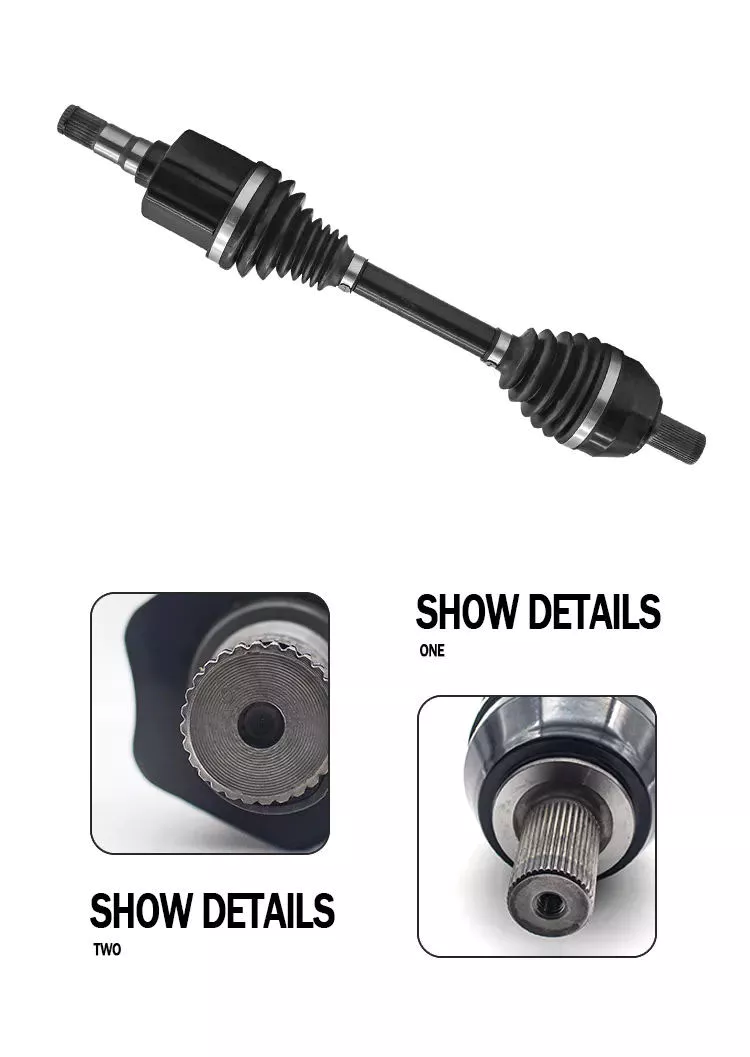
¿Cómo garantizan los fabricantes la compatibilidad de los ejes de toma de fuerza con los diferentes equipos?
Los fabricantes emplean diversas medidas para garantizar la compatibilidad de los ejes de toma de fuerza (TDF) con diferentes equipos. La compatibilidad es fundamental para asegurar que los ejes de TDF transfieran eficazmente la potencia desde la fuente de alimentación a la maquinaria accionada sin comprometer el rendimiento, la seguridad ni la facilidad de uso. A continuación, se explica detalladamente cómo los fabricantes garantizan la compatibilidad:
1. Estandarización: Los ejes de toma de fuerza (TDF) se diseñan y fabrican según especificaciones estandarizadas. Estas especificaciones definen los parámetros esenciales, como las dimensiones del eje, el tamaño de las estrías, el par de apriete y los requisitos de seguridad. Al seguir diseños estandarizados, los fabricantes garantizan la compatibilidad de los ejes de TDF con una amplia gama de equipos que cumplen con los mismos estándares. La estandarización permite la intercambiabilidad, lo que significa que los ejes de TDF de un fabricante pueden utilizarse con equipos de otro fabricante siempre que cumplan con las mismas especificaciones.
2. Colaboración con fabricantes de equipos: Los fabricantes de ejes de toma de fuerza (TDF) suelen colaborar estrechamente con los fabricantes de equipos para garantizar la compatibilidad. Trabajan juntos para comprender los requisitos específicos del equipo y diseñar ejes de TDF que se integren a la perfección con la maquinaria. Esta colaboración puede incluir el intercambio de especificaciones técnicas, la realización de pruebas conjuntas y el intercambio de opiniones. Al trabajar en conjunto, los fabricantes pueden abordar cualquier problema de compatibilidad en las primeras etapas del proceso de diseño y desarrollo, lo que da como resultado ejes de TDF adaptados a las necesidades del equipo.
3. Opciones de personalización: Los fabricantes de ejes de toma de fuerza (TDF) ofrecen opciones de personalización para adaptarse a diferentes configuraciones de equipos. Proporcionan flexibilidad en cuanto a la longitud del eje, el tamaño de las estrías, el diseño de la horquilla y los mecanismos de acoplamiento. Los fabricantes de equipos pueden especificar los parámetros necesarios, y los ejes de TDF se personalizan en consecuencia. Esto garantiza que los ejes de TDF se ajusten con precisión a los requisitos de entrada/salida de potencia y a los métodos de conexión del equipo, asegurando la compatibilidad y una transferencia de potencia eficiente.
4. Pruebas y validación: Los fabricantes realizan rigurosos procesos de prueba y validación para garantizar la compatibilidad y el rendimiento de los ejes de toma de fuerza (TDF). Someten los ejes a diversas pruebas, incluyendo pruebas de torsión, velocidad de rotación y durabilidad. Estas pruebas verifican que los ejes de TDF puedan soportar las cargas de potencia y las condiciones de funcionamiento previstas sin fallar. Al validar el rendimiento de los ejes de TDF, los fabricantes pueden asegurar su compatibilidad con una amplia gama de equipos y su capacidad para transferir potencia de forma fiable en diferentes escenarios operativos.
5. Cumplimiento de las normas del sector: Los fabricantes de ejes de toma de fuerza (TDF) cumplen con las normas y regulaciones del sector para garantizar la compatibilidad. Organizaciones como la Sociedad Estadounidense de Ingenieros Agrícolas y Biológicos (ASABE) establecen estándares de seguridad y rendimiento para los ejes de TDF. Los fabricantes diseñan y producen sus ejes de acuerdo con estas normas, asegurando que sus productos cumplan con los requisitos necesarios de compatibilidad y seguridad. El cumplimiento de las normas del sector garantiza a los fabricantes de equipos y a los usuarios finales que los ejes de TDF son compatibles y adecuados para su uso con diferentes equipos.
6. Documentación y directrices: Los fabricantes proporcionan documentación y directrices completas para ayudar a los fabricantes de equipos y a los usuarios finales a garantizar la compatibilidad. Esta documentación incluye especificaciones técnicas, instrucciones de instalación, directrices de mantenimiento y recomendaciones de seguridad. La documentación ayuda a los fabricantes de equipos a seleccionar el eje de toma de fuerza (TDF) adecuado para sus equipos y proporciona orientación sobre la instalación y el uso correctos. Siguiendo las directrices del fabricante, los fabricantes de equipos pueden garantizar la compatibilidad y optimizar el rendimiento de los ejes de TDF.
7. Investigación y desarrollo en curso: Los fabricantes de ejes de toma de fuerza invierten continuamente en investigación y desarrollo para mejorar la compatibilidad con diferentes equipos. Se mantienen al día con las tendencias del sector, los avances tecnológicos y la evolución de los requisitos de los equipos. Esta investigación y desarrollo constantes les permiten mejorar el diseño, los materiales y las características de los ejes de toma de fuerza, garantizando la compatibilidad con las últimas innovaciones en equipos y resolviendo cualquier problema de compatibilidad que pueda surgir.
Mediante la estandarización, la colaboración con los fabricantes de equipos, la oferta de opciones de personalización, la realización de pruebas exhaustivas, el cumplimiento de las normas del sector, la provisión de documentación y directrices, y la inversión en investigación y desarrollo, los fabricantes garantizan la compatibilidad de los ejes de toma de fuerza con diferentes equipos. Esta compatibilidad permite una integración perfecta, una transferencia de potencia eficiente y un rendimiento óptimo en una amplia gama de maquinaria y equipos de diversos sectores.
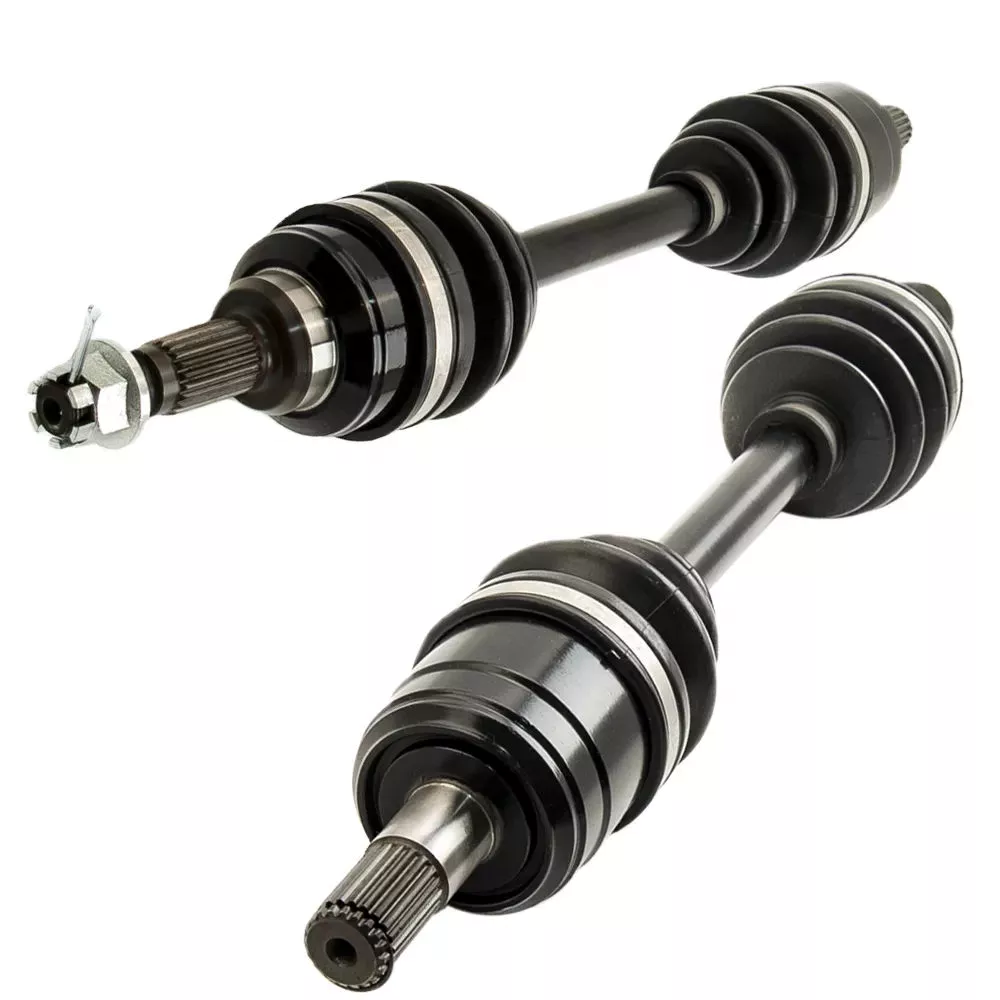
Can PTO shafts be customized for specific machinery and power requirements?
Yes, PTO (Power Take-Off) shafts can be customized to meet the specific machinery and power requirements of different applications. Manufacturers offer customization options to ensure that PTO shafts are precisely tailored to the power source, driven machinery, and the intended application. Here’s a detailed explanation of how PTO shafts can be customized:
1. Shaft Length: PTO shafts can be customized in terms of length to accommodate different equipment configurations. The length of the PTO shaft is critical to ensure proper alignment and connection between the power source and driven machinery. Manufacturers can provide PTO shafts with adjustable or fixed-length options, allowing for flexibility in meeting specific length requirements. Customizing the shaft length ensures that the PTO shaft fits the equipment properly, optimizing power transfer efficiency and reducing the risk of misalignment or excessive stress.
2. Spline Sizes: PTO shafts are available with different spline sizes to match the input and output shafts of various equipment. Spline size customization allows the PTO shaft to seamlessly connect to the power source and driven machinery. Manufacturers can offer different spline configurations, such as 1-3/8 inch, 1-3/4 inch, or metric sizes, to accommodate specific machinery requirements. Customizing the spline size ensures a proper fit and secure connection, enabling efficient power transfer without the need for additional adapters or modifications.
3. Yoke Designs: PTO shafts can be customized with different yoke designs to match the connection points on the power source and driven machinery. The yoke is the component that attaches to the shaft and connects to the equipment. Manufacturers can provide various yoke designs, such as round, triangular, or splined yokes, to ensure compatibility with specific machinery. Customizing the yoke design allows for a secure and reliable connection, aligning the PTO shaft with the equipment’s input/output shafts and optimizing power transmission efficiency.
4. Torque Ratings: PTO shafts can be customized to handle specific torque requirements based on the power demands of the application. Torque is the rotational force that the PTO shaft needs to transmit from the power source to the driven machinery. Manufacturers can design PTO shafts with different torque ratings by using appropriate materials, dimensions, and reinforcement techniques. Customizing the torque rating ensures that the PTO shaft can safely and reliably handle the required power levels without premature wear or failure.
5. Coupling Mechanisms: PTO shafts can be customized with different coupling mechanisms to match the connection requirements of specific equipment. Coupling mechanisms are the means by which the PTO shaft connects and disconnects from the power source and driven machinery. Manufacturers can provide various coupling options, such as quick-release couplings, shear pin couplings, or mechanical lock couplings, to accommodate different machinery designs and operational needs. Customizing the coupling mechanism ensures ease of use, secure attachment, and quick disengagement when necessary.
6. Protective Features: PTO shafts can be customized with additional protective features to enhance safety and durability. These features may include guard shields, safety covers, or slip clutches. Guard shields and safety covers provide physical protection by enclosing the rotating shaft and preventing accidental contact, reducing the risk of injuries. Slip clutches offer overload protection by allowing the PTO shaft to slip or disengage when excessive torque or resistance is encountered, preventing damage to the shaft and associated equipment. Customizing the protective features ensures compliance with safety regulations and addresses specific safety requirements of the machinery or application.
7. Material Selection: PTO shafts can be customized with different materials based on the application’s demands. Manufacturers can offer a range of material options, such as steel, aluminum, or composite materials, with varying strength, weight, and corrosion resistance properties. Customizing the material selection allows for optimizing the PTO shaft’s performance, considering factors like operating conditions, environmental exposure, and weight restrictions.
By providing customization options such as shaft length, spline sizes, yoke designs, torque ratings, coupling mechanisms, protective features, and material selection, manufacturers can ensure that PTO shafts are specifically tailored to meet the machinery and power requirements of different applications. Customized PTO shafts facilitate seamless integration, efficient power transfer, and reliable operation, enhancing the overall performance and productivity of the equipment.

What is a PTO shaft and how is it used in agricultural and industrial equipment?
A power take-off (PTO) shaft is a mechanical component used in agricultural and industrial equipment to transfer power from a power source, such as an engine or motor, to another machine or implement. It is a driveline shaft that transmits rotational power and torque, allowing the connected equipment to perform various tasks. PTO shafts are commonly used in agricultural machinery, such as tractors, as well as in industrial equipment, including generators, pumps, and construction machinery. Here’s a detailed explanation of what a PTO shaft is and how it is used:
Structure and Components: A typical PTO shaft consists of a hollow metal tube with universal joints at each end. The hollow tube allows the shaft to rotate freely, while the universal joints accommodate angular misalignments between the power source and the driven equipment. The universal joints consist of a cross-shaped yoke with needle bearings, providing flexibility and allowing the transmission of power at varying angles. Some PTO shafts may also include a telescopic section to adjust the length for different equipment setups or to accommodate varying distances between the power source and the driven machine.
Power Transfer: The primary function of a PTO shaft is to transfer power and torque from the power source to the driven equipment. The power source, typically an engine or motor, drives the PTO shaft through a mechanical connection, such as a gearbox or a clutch. As the power source rotates, it transmits rotational force to the PTO shaft. The PTO shaft, in turn, transfers this rotational power and torque to the driven equipment, enabling it to perform its intended function. The torque and rotational speed transmitted through the PTO shaft depend on the power source’s characteristics and the gear ratio or clutch engagement.
Agricultural Applications: In agriculture, PTO shafts are commonly used in tractors to power various implements and attachments. The PTO shaft is connected to the tractor’s power take-off, a rotating drive shaft located at the rear of the tractor. By engaging the PTO clutch, the tractor’s engine power is transferred through the PTO shaft to the attached implements. Agricultural machinery, such as mowers, balers, tillers, sprayers, and grain augers, often rely on PTO shafts to receive power for their operation. The PTO shaft allows the implements to be powered directly by the tractor’s engine, eliminating the need for separate power sources and increasing the versatility and efficiency of agricultural operations.
Industrial Applications: PTO shafts also find extensive use in various industrial applications. Industrial equipment, such as generators, pumps, compressors, and industrial mixers, often incorporate PTO shafts to receive power from engines or electric motors. The PTO shaft connects the power source to the driven equipment, allowing it to operate and perform its intended function. In construction machinery, PTO shafts can be found in equipment like concrete mixers, hydraulic hammers, and post hole diggers, enabling the transfer of power from the machinery’s engine to the specific attachment or tool being used.
Safety Considerations: It is important to note that PTO shafts can pose safety risks if not handled properly. The rotating shaft can cause serious injuries if operators come into contact with it while it is in operation. To ensure safety, PTO shafts are often equipped with shielding or guards that cover the rotating shaft and universal joints, preventing accidental contact. It is crucial to maintain and inspect these safety features regularly to ensure their effectiveness. Additionally, operators should receive proper training on PTO shaft operation, including safe attachment and detachment procedures, as well as the use of personal protective equipment when working near PTO-driven machinery.
In summary, a PTO shaft is a mechanical component used in agricultural and industrial equipment to transmit power and torque from a power source to a driven machine or implement. It enables the direct power transfer from engines or motors to various equipment, increasing efficiency and versatility in agricultural and industrial operations. While PTO shafts offer significant benefits, operators must be aware of the associated safety considerations and take appropriate precautions to prevent accidents and injuries.


editor by CX 2024-03-10























