
Descrizione del prodotto
Factory Directly Provide rotavator pto shaft With Shear Bolt Torque Limiter
1. Tubes or Pipes
We’ve already got Triangular profile tube and Lemon profile tube for all the series we provide.
And we have some star tube, splined tube and other profile tubes required by our customers (for a certain series). (Please notice that our catalog doesnt contain all the items we produce)
If you want tubes other than triangular or lemon, please provide drawings or pictures.
2.End yokes
We’ve got several types of quick release yokes and plain bore yoke. I will suggest the usual type for your reference.
You can also send drawings or pictures to us if you cannot find your item in our catalog.
3. Safety devices or clutches
I will attach the details of safety devices for your reference. We’ve already have Free wheel (RA), Ratchet torque limiter(SA), Shear bolt torque limiter(SB), 3types of friction torque limiter (FF,FFS,FCS) and overrunning couplers(adapters) (FAS).
4.For any other more special requirements with plastic guard, connection method, color of painting, package, etc., please feel free to let me know.
Features:
1. We have been specialized in designing, manufacturing drive shaft, steering coupler shaft, universal joints, which have exported to the USA, Europe, Australia etc for years
2. Application to all kinds of general mechanical situation
3. Our products are of high intensity and rigidity.
4. Heat resistant & Acid resistant
5. OEM orders are welcomed
Our factory is a leading manufacturer of PTO shaft yoke and universal joint.
We manufacture high quality PTO yokes for various vehicles, construction machinery and equipment. All products are constructed with rotating lighter.
We are currently exporting our products throughout the world, especially to North America, South America, Europe, and Russia. If you are interested in any item, please do not hesitate to contact us. We are looking CHINAMFG to becoming your suppliers in the near future.
/* 22 gennaio 2571 19:08:37 */!function(){function s(e,r){var a,o={};try{e&&e.split(“,”).forEach(function(e,t){e&&(a=e.match(/(.*?):(.*)$/))&&1
| Tipo: | Fork |
|---|---|
| Utilizzo: | Agricultural Products Processing, Farmland Infrastructure, Tillage, Harvester, Planting and Fertilization, Grain Threshing, Cleaning and Drying |
| Materiale: | Acciaio al carbonio |
| Personalizzazione: |
Disponibile
| Richiesta personalizzata |
|---|
.shipping-cost-tm .tm-status-off{background: none;padding:0;color: #1470cc}
| Costi di spedizione:
Trasporto stimato per unità. |
informazioni sui costi di spedizione e sui tempi di consegna stimati. |
|---|
| Metodo di pagamento: |
|
|---|---|
|
Pagamento iniziale Pagamento completo |
| Valuta: | US$ |
|---|
| Resi e rimborsi: | È possibile richiedere un rimborso entro 30 giorni dalla ricezione dei prodotti. |
|---|
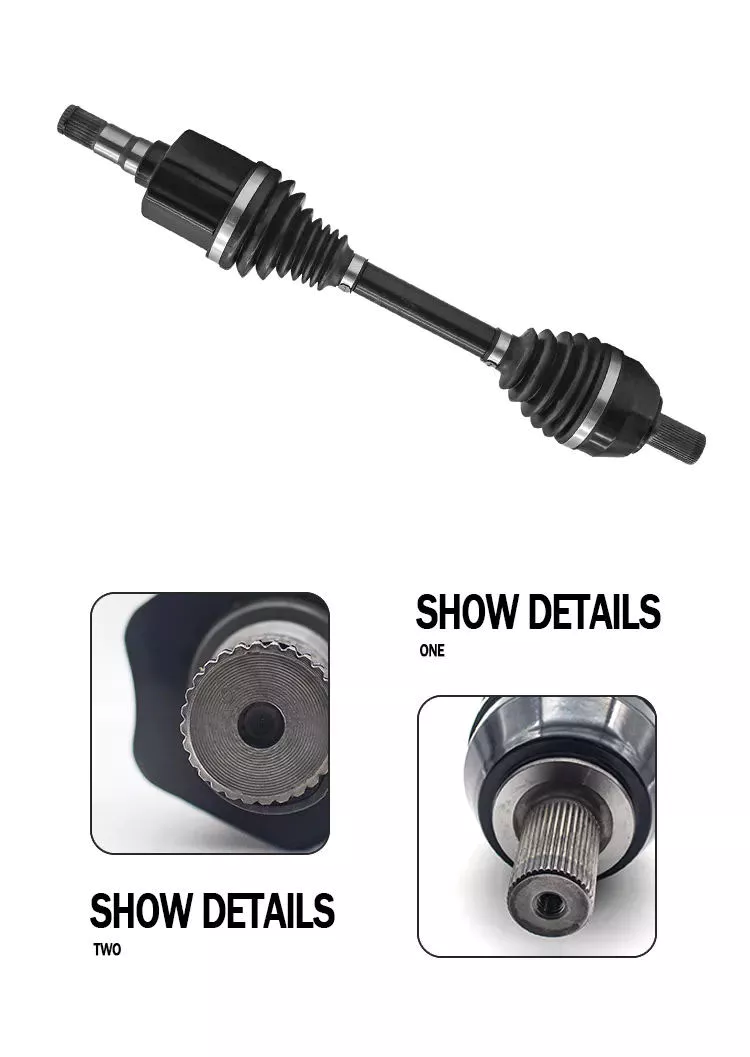
In che modo i produttori garantiscono la compatibilità degli alberi cardanici con diverse attrezzature?
I produttori adottano diverse misure per garantire la compatibilità degli alberi cardanici (PTO) con diverse attrezzature. La compatibilità è fondamentale per garantire che gli alberi cardanici possano trasferire efficacemente la potenza dalla fonte di alimentazione alla macchina azionata senza compromettere prestazioni, sicurezza o facilità d'uso. Ecco una spiegazione dettagliata di come i produttori garantiscono la compatibilità:
1. Standardizzazione: Gli alberi cardanici sono progettati e realizzati sulla base di specifiche standardizzate. Queste specifiche definiscono i parametri essenziali come le dimensioni dell'albero, le dimensioni delle scanalature, i valori di coppia e i requisiti di sicurezza. Aderendo a progetti standardizzati, i produttori garantiscono la compatibilità degli alberi cardanici con un'ampia gamma di attrezzature che soddisfano gli stessi standard. La standardizzazione consente l'intercambiabilità, il che significa che gli alberi cardanici di un produttore possono essere utilizzati con attrezzature di un altro produttore, purché conformi alle stesse specifiche.
2. Collaborazione con i produttori di apparecchiature: I produttori di alberi cardanici spesso collaborano a stretto contatto con i produttori di attrezzature per garantirne la compatibilità. Collaborano per comprendere i requisiti specifici delle attrezzature e progettare alberi cardanici che si integrino perfettamente con i macchinari. Questa collaborazione può comportare la condivisione di specifiche tecniche, l'esecuzione di test congiunti e lo scambio di feedback. Lavorando in partnership, i produttori possono affrontare eventuali problemi di compatibilità fin dalle prime fasi del processo di progettazione e sviluppo, ottenendo alberi cardanici su misura per le esigenze delle attrezzature.
3. Opzioni di personalizzazione: I produttori di alberi cardanici offrono opzioni di personalizzazione per adattarsi a diverse configurazioni delle apparecchiature. Offrono flessibilità in termini di lunghezza dell'albero, dimensioni delle scanalature, design del giogo e meccanismi di accoppiamento. I produttori di apparecchiature possono specificare i parametri richiesti e gli alberi cardanici possono essere personalizzati di conseguenza. Ciò garantisce che gli alberi cardanici corrispondano esattamente ai requisiti di potenza in ingresso/uscita e ai metodi di collegamento dell'apparecchiatura, garantendo compatibilità ed efficiente trasferimento di potenza.
4. Test e convalida: I produttori conducono rigorosi processi di test e convalida per garantire la compatibilità e le prestazioni degli alberi cardanici. Sottopongono gli alberi a vari test, tra cui test di coppia, test di velocità di rotazione e test di durata. Questi test verificano che gli alberi cardanici siano in grado di gestire i carichi di potenza previsti e le condizioni operative senza guasti. Convalidando le prestazioni degli alberi cardanici, i produttori possono garantire che siano compatibili con un'ampia gamma di apparecchiature e che possano trasferire potenza in modo affidabile in diversi scenari operativi.
5. Conformità agli standard del settore: I produttori di alberi cardanici aderiscono agli standard e alle normative di settore per garantirne la compatibilità. Organizzazioni come l'American Society of Agricultural and Biological Engineers (ASABE) stabiliscono standard di sicurezza e prestazioni per gli alberi cardanici. I produttori progettano e producono i loro alberi in conformità a questi standard, garantendo che i loro prodotti soddisfino i requisiti necessari di compatibilità e sicurezza. Il rispetto degli standard di settore garantisce ai produttori di attrezzature e agli utenti finali che gli alberi cardanici siano compatibili e adatti all'uso con diverse attrezzature.
6. Documentazione e linee guida: I produttori forniscono documentazione e linee guida complete per assistere i produttori di apparecchiature e gli utenti finali nel garantire la compatibilità. Questa documentazione include specifiche tecniche, istruzioni di installazione, linee guida per la manutenzione e raccomandazioni di sicurezza. La documentazione aiuta i produttori di apparecchiature a selezionare l'albero cardanico appropriato per le loro apparecchiature e fornisce indicazioni sulla corretta installazione e utilizzo. Seguendo le linee guida del produttore, i produttori di apparecchiature possono garantire la compatibilità e ottimizzare le prestazioni degli alberi cardanici.
7. Ricerca e sviluppo continui: I produttori di alberi cardanici investono costantemente in ricerca e sviluppo per migliorare la compatibilità con diverse attrezzature. Si mantengono aggiornati sulle tendenze del settore, sui progressi tecnologici e sui requisiti in continua evoluzione delle attrezzature. Questa continua ricerca e sviluppo consente ai produttori di migliorare il design, i materiali e le caratteristiche degli alberi cardanici, garantendo la compatibilità con le più recenti innovazioni delle attrezzature e affrontando qualsiasi problema di compatibilità che possa presentarsi.
Grazie all'adozione di standard, alla collaborazione con i produttori di apparecchiature, all'offerta di opzioni di personalizzazione, all'esecuzione di test approfonditi, al rispetto degli standard di settore, alla fornitura di documentazione e linee guida e agli investimenti in ricerca e sviluppo, i produttori garantiscono la compatibilità degli alberi cardanici con diverse apparecchiature. Questa compatibilità consente un'integrazione perfetta, un trasferimento di potenza efficiente e prestazioni ottimali su un'ampia gamma di macchinari e attrezzature in vari settori.
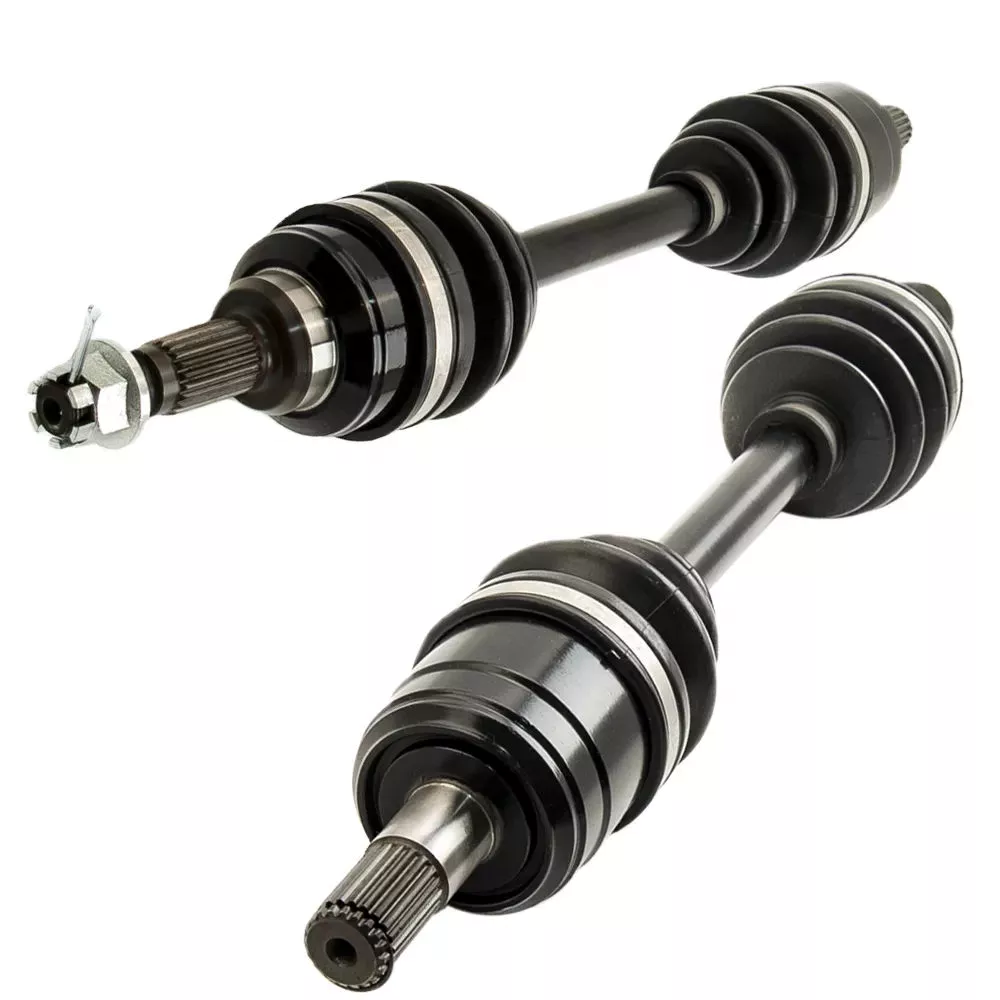
Can PTO shafts be customized for specific machinery and power requirements?
Yes, PTO (Power Take-Off) shafts can be customized to meet the specific machinery and power requirements of different applications. Manufacturers offer customization options to ensure that PTO shafts are precisely tailored to the power source, driven machinery, and the intended application. Here’s a detailed explanation of how PTO shafts can be customized:
1. Shaft Length: PTO shafts can be customized in terms of length to accommodate different equipment configurations. The length of the PTO shaft is critical to ensure proper alignment and connection between the power source and driven machinery. Manufacturers can provide PTO shafts with adjustable or fixed-length options, allowing for flexibility in meeting specific length requirements. Customizing the shaft length ensures that the PTO shaft fits the equipment properly, optimizing power transfer efficiency and reducing the risk of misalignment or excessive stress.
2. Spline Sizes: PTO shafts are available with different spline sizes to match the input and output shafts of various equipment. Spline size customization allows the PTO shaft to seamlessly connect to the power source and driven machinery. Manufacturers can offer different spline configurations, such as 1-3/8 inch, 1-3/4 inch, or metric sizes, to accommodate specific machinery requirements. Customizing the spline size ensures a proper fit and secure connection, enabling efficient power transfer without the need for additional adapters or modifications.
3. Yoke Designs: PTO shafts can be customized with different yoke designs to match the connection points on the power source and driven machinery. The yoke is the component that attaches to the shaft and connects to the equipment. Manufacturers can provide various yoke designs, such as round, triangular, or splined yokes, to ensure compatibility with specific machinery. Customizing the yoke design allows for a secure and reliable connection, aligning the PTO shaft with the equipment’s input/output shafts and optimizing power transmission efficiency.
4. Torque Ratings: PTO shafts can be customized to handle specific torque requirements based on the power demands of the application. Torque is the rotational force that the PTO shaft needs to transmit from the power source to the driven machinery. Manufacturers can design PTO shafts with different torque ratings by using appropriate materials, dimensions, and reinforcement techniques. Customizing the torque rating ensures that the PTO shaft can safely and reliably handle the required power levels without premature wear or failure.
5. Coupling Mechanisms: PTO shafts can be customized with different coupling mechanisms to match the connection requirements of specific equipment. Coupling mechanisms are the means by which the PTO shaft connects and disconnects from the power source and driven machinery. Manufacturers can provide various coupling options, such as quick-release couplings, shear pin couplings, or mechanical lock couplings, to accommodate different machinery designs and operational needs. Customizing the coupling mechanism ensures ease of use, secure attachment, and quick disengagement when necessary.
6. Protective Features: PTO shafts can be customized with additional protective features to enhance safety and durability. These features may include guard shields, safety covers, or slip clutches. Guard shields and safety covers provide physical protection by enclosing the rotating shaft and preventing accidental contact, reducing the risk of injuries. Slip clutches offer overload protection by allowing the PTO shaft to slip or disengage when excessive torque or resistance is encountered, preventing damage to the shaft and associated equipment. Customizing the protective features ensures compliance with safety regulations and addresses specific safety requirements of the machinery or application.
7. Material Selection: PTO shafts can be customized with different materials based on the application’s demands. Manufacturers can offer a range of material options, such as steel, aluminum, or composite materials, with varying strength, weight, and corrosion resistance properties. Customizing the material selection allows for optimizing the PTO shaft’s performance, considering factors like operating conditions, environmental exposure, and weight restrictions.
By providing customization options such as shaft length, spline sizes, yoke designs, torque ratings, coupling mechanisms, protective features, and material selection, manufacturers can ensure that PTO shafts are specifically tailored to meet the machinery and power requirements of different applications. Customized PTO shafts facilitate seamless integration, efficient power transfer, and reliable operation, enhancing the overall performance and productivity of the equipment.
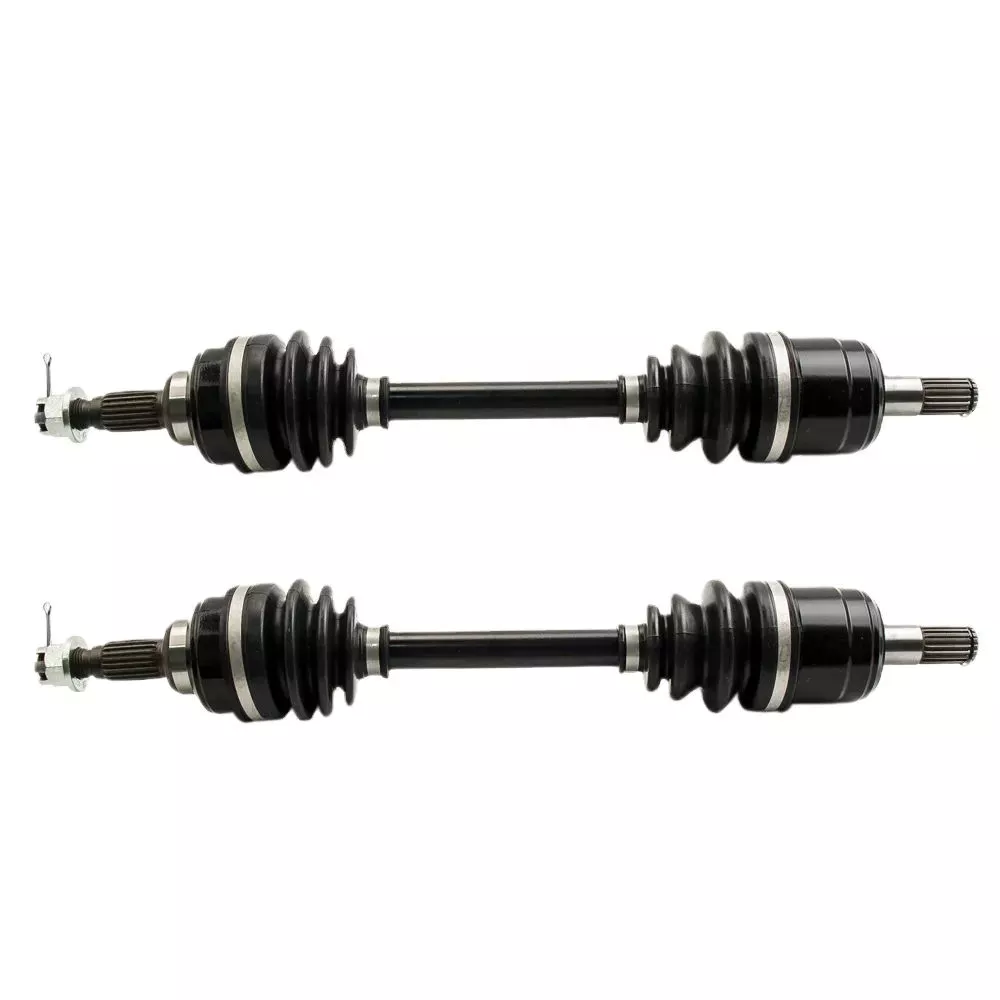
What is a PTO shaft and how is it used in agricultural and industrial equipment?
A power take-off (PTO) shaft is a mechanical component used in agricultural and industrial equipment to transfer power from a power source, such as an engine or motor, to another machine or implement. It is a driveline shaft that transmits rotational power and torque, allowing the connected equipment to perform various tasks. PTO shafts are commonly used in agricultural machinery, such as tractors, as well as in industrial equipment, including generators, pumps, and construction machinery. Here’s a detailed explanation of what a PTO shaft is and how it is used:
Structure and Components: A typical PTO shaft consists of a hollow metal tube with universal joints at each end. The hollow tube allows the shaft to rotate freely, while the universal joints accommodate angular misalignments between the power source and the driven equipment. The universal joints consist of a cross-shaped yoke with needle bearings, providing flexibility and allowing the transmission of power at varying angles. Some PTO shafts may also include a telescopic section to adjust the length for different equipment setups or to accommodate varying distances between the power source and the driven machine.
Power Transfer: The primary function of a PTO shaft is to transfer power and torque from the power source to the driven equipment. The power source, typically an engine or motor, drives the PTO shaft through a mechanical connection, such as a gearbox or a clutch. As the power source rotates, it transmits rotational force to the PTO shaft. The PTO shaft, in turn, transfers this rotational power and torque to the driven equipment, enabling it to perform its intended function. The torque and rotational speed transmitted through the PTO shaft depend on the power source’s characteristics and the gear ratio or clutch engagement.
Agricultural Applications: In agriculture, PTO shafts are commonly used in tractors to power various implements and attachments. The PTO shaft is connected to the tractor’s power take-off, a rotating drive shaft located at the rear of the tractor. By engaging the PTO clutch, the tractor’s engine power is transferred through the PTO shaft to the attached implements. Agricultural machinery, such as mowers, balers, tillers, sprayers, and grain augers, often rely on PTO shafts to receive power for their operation. The PTO shaft allows the implements to be powered directly by the tractor’s engine, eliminating the need for separate power sources and increasing the versatility and efficiency of agricultural operations.
Industrial Applications: PTO shafts also find extensive use in various industrial applications. Industrial equipment, such as generators, pumps, compressors, and industrial mixers, often incorporate PTO shafts to receive power from engines or electric motors. The PTO shaft connects the power source to the driven equipment, allowing it to operate and perform its intended function. In construction machinery, PTO shafts can be found in equipment like concrete mixers, hydraulic hammers, and post hole diggers, enabling the transfer of power from the machinery’s engine to the specific attachment or tool being used.
Safety Considerations: It is important to note that PTO shafts can pose safety risks if not handled properly. The rotating shaft can cause serious injuries if operators come into contact with it while it is in operation. To ensure safety, PTO shafts are often equipped with shielding or guards that cover the rotating shaft and universal joints, preventing accidental contact. It is crucial to maintain and inspect these safety features regularly to ensure their effectiveness. Additionally, operators should receive proper training on PTO shaft operation, including safe attachment and detachment procedures, as well as the use of personal protective equipment when working near PTO-driven machinery.
In summary, a PTO shaft is a mechanical component used in agricultural and industrial equipment to transmit power and torque from a power source to a driven machine or implement. It enables the direct power transfer from engines or motors to various equipment, increasing efficiency and versatility in agricultural and industrial operations. While PTO shafts offer significant benefits, operators must be aware of the associated safety considerations and take appropriate precautions to prevent accidents and injuries.


editor by CX 2024-03-10























