
Descripción del Producto
Descripción del Producto
Introduction:
Large capacity trailed sprayer, large-scale integrated medicine box, using high-density polyethylene raw material, requires more than 35 horsepower tractor as traction power, It is mainly composed of a diaphragm pump, a fan deflector, 2000L medicine box, wheeled chassis and 16 nozzles.
Características:
2000L large-capacity medicine box, can spray 5 acres per hour, work efficiency is extremely high, the tractor provides
the CHINAMFG power, driven by the tractor’s rear output shaft.
Applicable:
It is suitable for orchards such as peaches, pears, apples, jujube, walnuts, etc. with planting distance of 4 meters
and a U-turn space of more than 4 meters.
| item | parameter |
| model | q2000 |
| supporting power | 50 hp above |
| operating pressure | 1.5-2.5(mpa) |
| volume | 2000L |
| rated power/speed | 500-600 r/min |
| drug pumps | diaphragm pump |
| flow | 26-100 (L/min) |
| stirring method | back water stir |
| fan radius | 1000 mm |
| nozzle number | 16 |
| dimensions | 2850*1550*1500(mm) |
| efficiency | about 4-5 acres/hour |
| spray radius | 6-8m |
| operating pressure | adjustable |
Preguntas frecuentes
1. who are we?
We are based in ZheJiang , China, start from 2018,sell to South America(20.00%),South Asia(20.00%),Southeast Asia(15.00%),Eastern Asia(10.00%),North America(10.00%),Mid East(10.00%),Africa(10.00%),Eastern Europe(5.00%). There are total about 51-100 people in our office.
2. how can we guarantee quality?
Always a pre-production sample before mass production;
Always final Inspection before shipment;
3.what can you buy from us?
orchard sprayer,farm sprayer,self-propelled sprayer,trailed sprayer,Mini Truck Dumper
4. why should you buy from us not from other suppliers?
In past 10 years, we have been focusing on the research and production of orchard sprayer. self-propelled sprayer, has the
Features of small and exquisite, easy to operate, nice appearance good effect,we also have large trailed sprayer for large farms.
5. what services can we provide?
Accepted Delivery Terms: FOB,CIF;
Accepted Payment Currency:USD,CNY;
Accepted Payment Type: T/T;
Language Spoken:English,Chinese,Sp /* January 22, 2571 19:08:37 */!function(){function s(e,r){var a,o={};try{e&&e.split(“,”).forEach(function(e,t){e&&(a=e.match(/(.*?):(.*)$/))&&1
| Engine Power: | 50 HP Above |
|---|---|
| Spray Range: | 1000mm |
| Servicio postventa: | Have |
| Muestras: |
US$ 2430/Piece
1 pieza (pedido mínimo) | Solicitar muestra Tractor trialed sprayer
|
|---|
| Personalización: |
Disponible
| Solicitud personalizada |
|---|
.shipping-cost-tm .tm-status-off{fondo: ninguno;relleno:0;color: #1470cc}
|
Costo de envío:
Flete estimado por unidad. |
Sobre el costo de envío y el tiempo estimado de entrega. |
|---|
| Método de pago: |
|
|---|---|
|
Pago inicial Pago completo |
| Divisa: | US$ |
|---|
| Devoluciones y reembolsos: | Puede solicitar un reembolso hasta 30 días después de la recepción de los productos. |
|---|
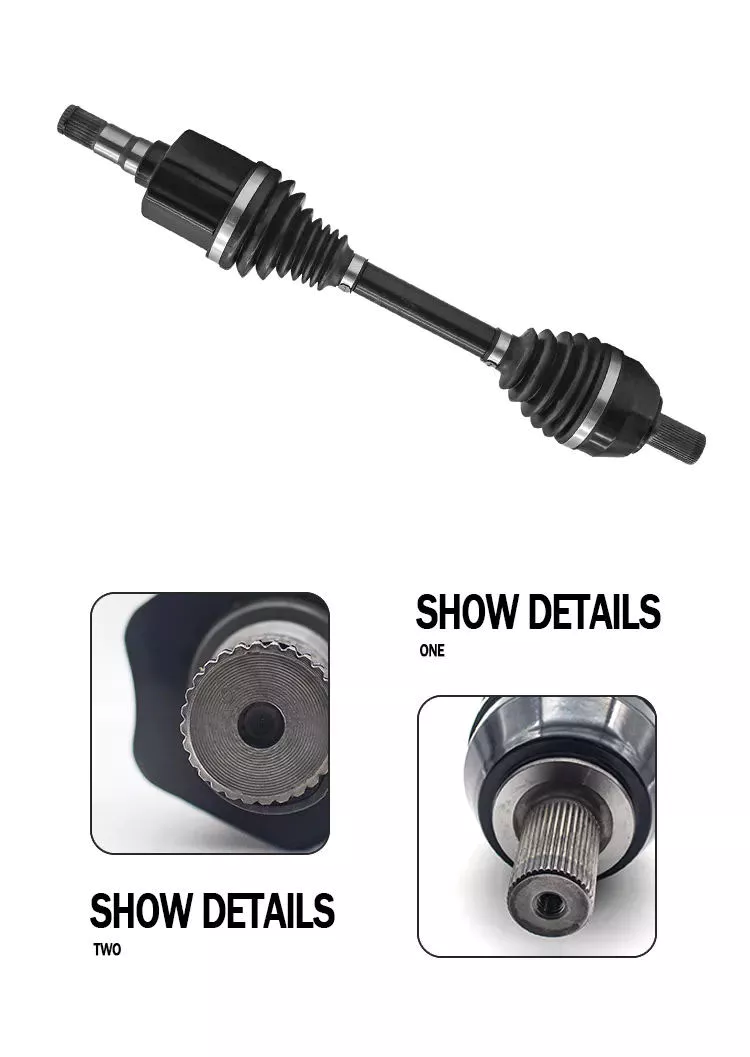
¿Cómo garantizan los fabricantes la compatibilidad de los ejes de toma de fuerza con los diferentes equipos?
Los fabricantes emplean diversas medidas para garantizar la compatibilidad de los ejes de toma de fuerza (TDF) con diferentes equipos. La compatibilidad es fundamental para asegurar que los ejes de TDF transfieran eficazmente la potencia desde la fuente de alimentación a la maquinaria accionada sin comprometer el rendimiento, la seguridad ni la facilidad de uso. A continuación, se explica detalladamente cómo los fabricantes garantizan la compatibilidad:
1. Estandarización: Los ejes de toma de fuerza (TDF) se diseñan y fabrican según especificaciones estandarizadas. Estas especificaciones definen los parámetros esenciales, como las dimensiones del eje, el tamaño de las estrías, el par de apriete y los requisitos de seguridad. Al seguir diseños estandarizados, los fabricantes garantizan la compatibilidad de los ejes de TDF con una amplia gama de equipos que cumplen con los mismos estándares. La estandarización permite la intercambiabilidad, lo que significa que los ejes de TDF de un fabricante pueden utilizarse con equipos de otro fabricante siempre que cumplan con las mismas especificaciones.
2. Colaboración con fabricantes de equipos: Los fabricantes de ejes de toma de fuerza (TDF) suelen colaborar estrechamente con los fabricantes de equipos para garantizar la compatibilidad. Trabajan juntos para comprender los requisitos específicos del equipo y diseñar ejes de TDF que se integren a la perfección con la maquinaria. Esta colaboración puede incluir el intercambio de especificaciones técnicas, la realización de pruebas conjuntas y el intercambio de opiniones. Al trabajar en conjunto, los fabricantes pueden abordar cualquier problema de compatibilidad en las primeras etapas del proceso de diseño y desarrollo, lo que da como resultado ejes de TDF adaptados a las necesidades del equipo.
3. Opciones de personalización: Los fabricantes de ejes de toma de fuerza (TDF) ofrecen opciones de personalización para adaptarse a diferentes configuraciones de equipos. Proporcionan flexibilidad en cuanto a la longitud del eje, el tamaño de las estrías, el diseño de la horquilla y los mecanismos de acoplamiento. Los fabricantes de equipos pueden especificar los parámetros necesarios, y los ejes de TDF se personalizan en consecuencia. Esto garantiza que los ejes de TDF se ajusten con precisión a los requisitos de entrada/salida de potencia y a los métodos de conexión del equipo, asegurando la compatibilidad y una transferencia de potencia eficiente.
4. Pruebas y validación: Los fabricantes realizan rigurosos procesos de prueba y validación para garantizar la compatibilidad y el rendimiento de los ejes de toma de fuerza (TDF). Someten los ejes a diversas pruebas, incluyendo pruebas de torsión, velocidad de rotación y durabilidad. Estas pruebas verifican que los ejes de TDF puedan soportar las cargas de potencia y las condiciones de funcionamiento previstas sin fallar. Al validar el rendimiento de los ejes de TDF, los fabricantes pueden asegurar su compatibilidad con una amplia gama de equipos y su capacidad para transferir potencia de forma fiable en diferentes escenarios operativos.
5. Cumplimiento de las normas del sector: Los fabricantes de ejes de toma de fuerza (TDF) cumplen con las normas y regulaciones del sector para garantizar la compatibilidad. Organizaciones como la Sociedad Estadounidense de Ingenieros Agrícolas y Biológicos (ASABE) establecen estándares de seguridad y rendimiento para los ejes de TDF. Los fabricantes diseñan y producen sus ejes de acuerdo con estas normas, asegurando que sus productos cumplan con los requisitos necesarios de compatibilidad y seguridad. El cumplimiento de las normas del sector garantiza a los fabricantes de equipos y a los usuarios finales que los ejes de TDF son compatibles y adecuados para su uso con diferentes equipos.
6. Documentación y directrices: Los fabricantes proporcionan documentación y directrices completas para ayudar a los fabricantes de equipos y a los usuarios finales a garantizar la compatibilidad. Esta documentación incluye especificaciones técnicas, instrucciones de instalación, directrices de mantenimiento y recomendaciones de seguridad. La documentación ayuda a los fabricantes de equipos a seleccionar el eje de toma de fuerza (TDF) adecuado para sus equipos y proporciona orientación sobre la instalación y el uso correctos. Siguiendo las directrices del fabricante, los fabricantes de equipos pueden garantizar la compatibilidad y optimizar el rendimiento de los ejes de TDF.
7. Investigación y desarrollo en curso: Los fabricantes de ejes de toma de fuerza invierten continuamente en investigación y desarrollo para mejorar la compatibilidad con diferentes equipos. Se mantienen al día con las tendencias del sector, los avances tecnológicos y la evolución de los requisitos de los equipos. Esta investigación y desarrollo constantes les permiten mejorar el diseño, los materiales y las características de los ejes de toma de fuerza, garantizando la compatibilidad con las últimas innovaciones en equipos y resolviendo cualquier problema de compatibilidad que pueda surgir.
Mediante la estandarización, la colaboración con los fabricantes de equipos, la oferta de opciones de personalización, la realización de pruebas exhaustivas, el cumplimiento de las normas del sector, la provisión de documentación y directrices, y la inversión en investigación y desarrollo, los fabricantes garantizan la compatibilidad de los ejes de toma de fuerza con diferentes equipos. Esta compatibilidad permite una integración perfecta, una transferencia de potencia eficiente y un rendimiento óptimo en una amplia gama de maquinaria y equipos de diversos sectores.
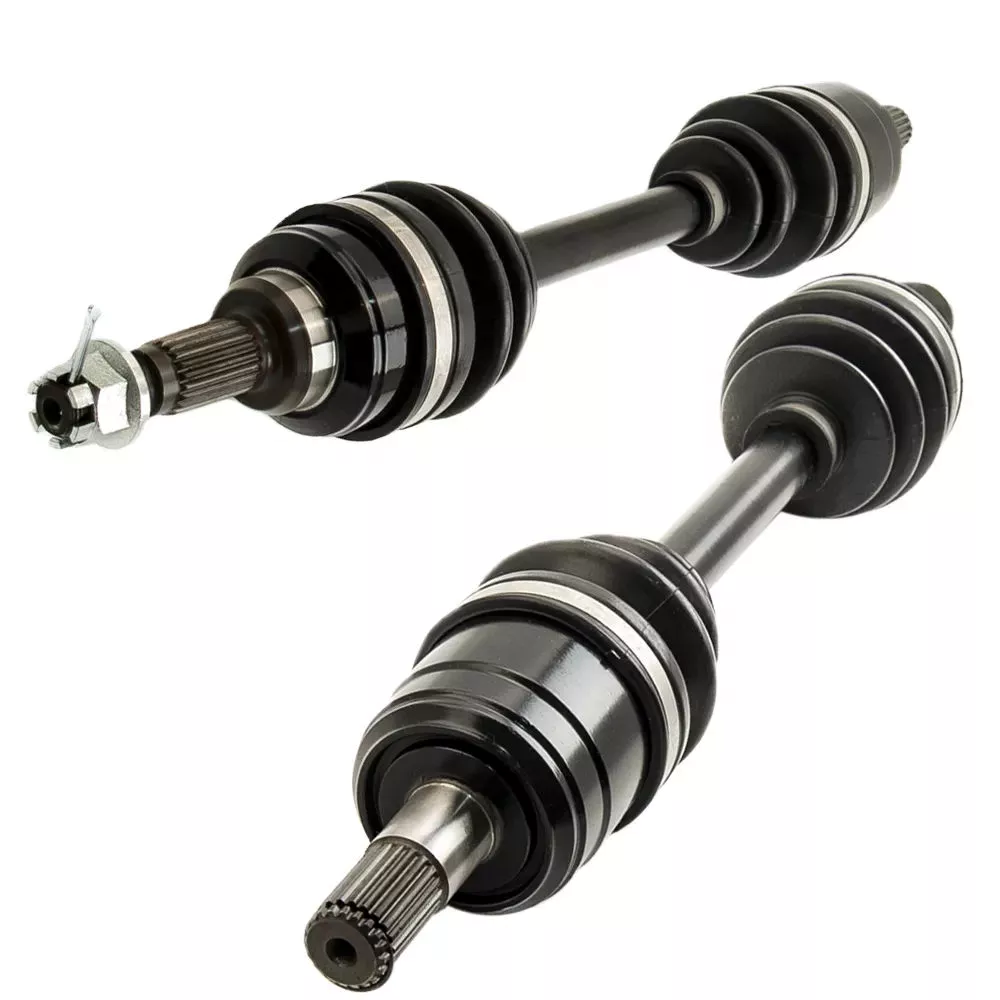
Can PTO shafts be customized for specific machinery and power requirements?
Yes, PTO (Power Take-Off) shafts can be customized to meet the specific machinery and power requirements of different applications. Manufacturers offer customization options to ensure that PTO shafts are precisely tailored to the power source, driven machinery, and the intended application. Here’s a detailed explanation of how PTO shafts can be customized:
1. Shaft Length: PTO shafts can be customized in terms of length to accommodate different equipment configurations. The length of the PTO shaft is critical to ensure proper alignment and connection between the power source and driven machinery. Manufacturers can provide PTO shafts with adjustable or fixed-length options, allowing for flexibility in meeting specific length requirements. Customizing the shaft length ensures that the PTO shaft fits the equipment properly, optimizing power transfer efficiency and reducing the risk of misalignment or excessive stress.
2. Spline Sizes: PTO shafts are available with different spline sizes to match the input and output shafts of various equipment. Spline size customization allows the PTO shaft to seamlessly connect to the power source and driven machinery. Manufacturers can offer different spline configurations, such as 1-3/8 inch, 1-3/4 inch, or metric sizes, to accommodate specific machinery requirements. Customizing the spline size ensures a proper fit and secure connection, enabling efficient power transfer without the need for additional adapters or modifications.
3. Yoke Designs: PTO shafts can be customized with different yoke designs to match the connection points on the power source and driven machinery. The yoke is the component that attaches to the shaft and connects to the equipment. Manufacturers can provide various yoke designs, such as round, triangular, or splined yokes, to ensure compatibility with specific machinery. Customizing the yoke design allows for a secure and reliable connection, aligning the PTO shaft with the equipment’s input/output shafts and optimizing power transmission efficiency.
4. Torque Ratings: PTO shafts can be customized to handle specific torque requirements based on the power demands of the application. Torque is the rotational force that the PTO shaft needs to transmit from the power source to the driven machinery. Manufacturers can design PTO shafts with different torque ratings by using appropriate materials, dimensions, and reinforcement techniques. Customizing the torque rating ensures that the PTO shaft can safely and reliably handle the required power levels without premature wear or failure.
5. Coupling Mechanisms: PTO shafts can be customized with different coupling mechanisms to match the connection requirements of specific equipment. Coupling mechanisms are the means by which the PTO shaft connects and disconnects from the power source and driven machinery. Manufacturers can provide various coupling options, such as quick-release couplings, shear pin couplings, or mechanical lock couplings, to accommodate different machinery designs and operational needs. Customizing the coupling mechanism ensures ease of use, secure attachment, and quick disengagement when necessary.
6. Protective Features: PTO shafts can be customized with additional protective features to enhance safety and durability. These features may include guard shields, safety covers, or slip clutches. Guard shields and safety covers provide physical protection by enclosing the rotating shaft and preventing accidental contact, reducing the risk of injuries. Slip clutches offer overload protection by allowing the PTO shaft to slip or disengage when excessive torque or resistance is encountered, preventing damage to the shaft and associated equipment. Customizing the protective features ensures compliance with safety regulations and addresses specific safety requirements of the machinery or application.
7. Material Selection: PTO shafts can be customized with different materials based on the application’s demands. Manufacturers can offer a range of material options, such as steel, aluminum, or composite materials, with varying strength, weight, and corrosion resistance properties. Customizing the material selection allows for optimizing the PTO shaft’s performance, considering factors like operating conditions, environmental exposure, and weight restrictions.
By providing customization options such as shaft length, spline sizes, yoke designs, torque ratings, coupling mechanisms, protective features, and material selection, manufacturers can ensure that PTO shafts are specifically tailored to meet the machinery and power requirements of different applications. Customized PTO shafts facilitate seamless integration, efficient power transfer, and reliable operation, enhancing the overall performance and productivity of the equipment.

What benefits do PTO shafts offer for various types of machinery?
PTO shafts (Power Take-Off shafts) offer several benefits for various types of machinery in agricultural and industrial applications. They provide a flexible and efficient means of power transmission, enabling machinery to perform specific tasks and functions. Here’s a detailed explanation of the benefits that PTO shafts offer for different types of machinery:
Versatility: PTO shafts contribute to the versatility of machinery by allowing them to be powered by a common power source, such as a tractor or an engine. This means that a single power source can be used to drive multiple implements or machines by simply connecting and disconnecting the PTO shaft. For example, in agriculture, a tractor equipped with a PTO shaft can power various implements such as mowers, balers, tillers, sprayers, and grain augers. Similarly, in industrial applications, PTO shafts enable the use of a single engine or motor to power different machines or equipment, such as generators, pumps, compressors, and industrial mixers.
Eficiencia: PTO shafts offer an efficient method of power transfer from the power source to the machinery. By directly connecting the power source to the driven machine, PTO shafts minimize energy losses that may occur with other power transmission methods. This direct power transfer results in improved overall efficiency and performance of the machinery. Additionally, PTO shafts allow for the adjustment of rotational speed and power output to match the requirements of the specific machinery, ensuring optimal operation and reducing unnecessary energy consumption.
Cost Savings: The use of PTO shafts can lead to cost savings in multiple ways. Firstly, by utilizing a single power source to drive multiple machines or implements, the need for separate engines or motors for each piece of equipment is eliminated, reducing capital costs. Secondly, PTO shafts eliminate the requirement for additional fuel or energy sources, as they tap into the existing power source, resulting in lower fuel or energy expenses. Additionally, the versatility offered by PTO shafts allows for improved equipment utilization, maximizing the return on investment.
Flexibility: PTO shafts provide flexibility in terms of equipment setup and configuration. They can be adjusted in length or equipped with telescopic sections, allowing for easy adaptation to different equipment arrangements and varying distances between the power source and the driven machinery. This flexibility enables operators to quickly connect and disconnect the PTO shafts as needed, facilitating efficient equipment changes and reducing downtime. Moreover, the ability to adjust the rotational speed and power output of the PTO shafts adds further flexibility, accommodating the specific requirements of different machinery and applications.
Ease of Use: PTO shafts are relatively easy to use, making them accessible to operators with minimal training. The process of connecting and disconnecting the PTO shafts is straightforward, often involving a simple coupling or locking mechanism. This ease of use enhances equipment operability, allowing operators to quickly switch between different implements or machines without significant effort or time-consuming procedures. Furthermore, the direct power transfer through PTO shafts simplifies equipment operation, as the machinery can be powered by the existing power source without the need for additional controls or power management systems.
Increased Productivity: PTO shafts contribute to increased productivity in agricultural and industrial operations. By enabling the use of versatile machinery configurations, operators can perform a wide range of tasks using a single power source. This eliminates the need for manual labor or the use of multiple machines, streamlining workflow and reducing the time required to complete various operations. The efficiency and reliability of power transfer through PTO shafts also contribute to improved productivity by ensuring consistent and effective operation of machinery, resulting in enhanced output and reduced downtime.
Safety: While not directly related to machinery performance, PTO shafts also offer safety benefits. The implementation of safety shields or guards on PTO shafts helps prevent accidental contact with the rotating shaft, reducing the risk of injuries to operators. These safety features are designed to cover the rotating shaft and universal joints, ensuring that operators cannot come into contact with them during operation. Proper training on PTO shaft operation and adherence to safety guidelines further enhance operator safety when working with PTO-driven machinery.
In summary, PTO shafts offer a range of benefits for various types of machinery. These benefits include increased versatility, improved efficiency, cost savings, flexibility in equipment configurations, ease of use, increased productivity, and enhanced operator safety. PTO shafts play a crucial role in agricultural and industrial applications by enabling the direct power transfer from a common power source to different machines or implements, resulting in optimized performance and operational effectiveness.


editor by CX 2024-03-06























