
Descripción del Producto
OEM ODM Pto Drive Cardan Transmission Shaft Tractor Parts for Agriculture Machinery with Ce Certificate
1. Tubes or Pipes
We’ve already got Triangular profile tube and Lemon profile tube for all the series we provide.
And we have some star tube, splined tube and other profile tubes required by our customers (for a certain series). (Please notice that our catalog doesnt contain all the items we produce)
If you want tubes other than triangular or lemon, please provide drawings or pictures.
2.End yokes
We’ve got several types of quick release yokes and plain bore yoke. I will suggest the usual type for your reference.
You can also send drawings or pictures to us if you cannot find your item in our catalog.
3. Safety devices or clutches
I will attach the details of safety devices for your reference. We’ve already have Free wheel (RA), Ratchet torque limiter(SA), Shear bolt torque limiter(SB), 3types of friction torque limiter (FF,FFS,FCS) and overrunning couplers(adapters) (FAS).
4.For any other more special requirements with plastic guard, connection method, color of painting, package, etc., please feel free to let me know.
Características:
1. We have been specialized in designing, manufacturing drive shaft, steering coupler shaft, universal joints, which have exported to the USA, Europe, Australia etc for years
2. Application to all kinds of general mechanical situation
3. Our products are of high intensity and rigidity.
4. Heat resistant & Acid resistant
5. OEM orders are welcomed
Our factory is a leading manufacturer of PTO shaft yoke and universal joint.
We manufacture high quality PTO yokes for various vehicles, construction machinery and equipment. All products are constructed with rotating lighter.
We are currently exporting our products throughout the world, especially to North America, South America, Europe, and Russia. If you are interested in any item, please do not hesitate to contact us. We are looking CZPT to becoming your suppliers in the near future.
FAQ:
Q1: Are you trading company or manufacturer ?
A: We are factory.
Q2: How long is your delivery time and shipment?
1.Sample Lead-times: generally 10 workdays.
2.Production Lead-times: 20-40 workdays after getting your deposit.
Q3. What is your terms of payment?
A: T/T 30% as deposit, and 70% before delivery.
Q4: What is your advantages?
1. Manufacturer,the most competitive price and good quality.
2. Perfect technical engineers give you the best support.
3. OEM is available.
4. Rich stock and quick delivery.
Q5. If you can’t find the product on our website,what do you next?
Please send us inquiry with product pictures and drawings by email or other ways and we’ll check.
| Tipo: | Fork |
|---|---|
| Uso: | Procesamiento de productos agrícolas, infraestructura agrícola, labranza, cosechadora, siembra y fertilización, trilla de grano, limpieza y secado. |
| Material: | Carbon Steel |
| Fuente de energía: | Pto Shaft Tube |
| Transport Package: | Standard Sea Worthy Package |
| Specification: | ISO |
| Personalización: |
Disponible
| Solicitud personalizada |
|---|
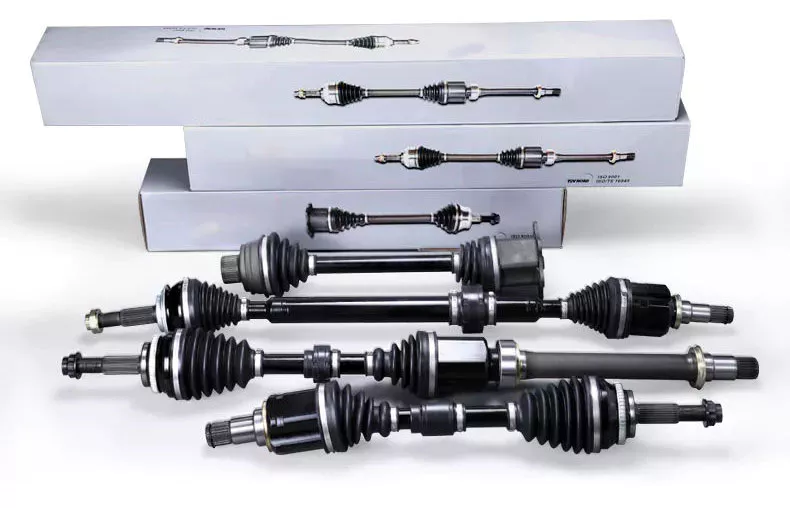
What maintenance practices are crucial for prolonging the lifespan of drive shafts?
To prolong the lifespan of drive shafts and ensure their optimal performance, several maintenance practices are crucial. Regular maintenance helps identify and address potential issues before they escalate, reduces wear and tear, and ensures the drive shaft operates smoothly and efficiently. Here are some essential maintenance practices for prolonging the lifespan of drive shafts:
1. Regular Inspection:
Performing regular inspections is vital for detecting any signs of wear, damage, or misalignment. Inspect the drive shaft visually, looking for cracks, dents, or any signs of excessive wear on the shaft itself and its associated components such as joints, yokes, and splines. Check for any signs of lubrication leaks or contamination. Additionally, inspect the fasteners and mounting points to ensure they are secure. Early detection of any issues allows for timely repairs or replacements, preventing further damage to the drive shaft.
2. Lubrication:
Proper lubrication is essential for the smooth operation and longevity of drive shafts. Lubricate the joints, such as universal joints or constant velocity joints, as recommended by the manufacturer. Lubrication reduces friction, minimizes wear, and helps dissipate heat generated during operation. Use the appropriate lubricant specified for the specific drive shaft and application, considering factors such as temperature, load, and operating conditions. Regularly check the lubrication levels and replenish as necessary to ensure optimal performance and prevent premature failure.
3. Balancing and Alignment:
Maintaining proper balancing and alignment is crucial for the lifespan of drive shafts. Imbalances or misalignments can lead to vibrations, accelerated wear, and potential failure. If vibrations or unusual noises are detected during operation, it is important to address them promptly. Perform balancing procedures as necessary, including dynamic balancing, to ensure even weight distribution along the drive shaft. Additionally, verify that the drive shaft is correctly aligned with the engine or power source and the driven components. Misalignment can cause excessive stress on the drive shaft, leading to premature failure.
4. Protective Coatings:
Applying protective coatings can help prolong the lifespan of drive shafts, particularly in applications exposed to harsh environments or corrosive substances. Consider using coatings such as zinc plating, powder coating, or specialized corrosion-resistant coatings to enhance the drive shaft’s resistance to corrosion, rust, and chemical damage. Regularly inspect the coating for any signs of degradation or damage, and reapply or repair as necessary to maintain the protective barrier.
5. Torque and Fastener Checks:
Ensure that the drive shaft’s fasteners, such as bolts, nuts, or clamps, are properly torqued and secured according to the manufacturer’s specifications. Loose or improperly tightened fasteners can lead to excessive vibrations, misalignment, or even detachment of the drive shaft. Periodically check and retighten the fasteners as recommended or after any maintenance or repair procedures. Additionally, monitor the torque levels during operation to ensure they remain within the specified range, as excessive torque can strain the drive shaft and lead to premature failure.
6. Environmental Protection:
Protecting the drive shaft from environmental factors can significantly extend its lifespan. In applications exposed to extreme temperatures, moisture, chemicals, or abrasive substances, take appropriate measures to shield the drive shaft. This may include using protective covers, seals, or guards to prevent contaminants from entering and causing damage. Regular cleaning of the drive shaft, especially in dirty or corrosive environments, can also help remove debris and prevent buildup that could compromise its performance and longevity.
7. Manufacturer Guidelines:
Follow the manufacturer’s guidelines and recommendations for maintenance practices specific to the drive shaft model and application. The manufacturer’s instructions may include specific intervals for inspections, lubrication, balancing, or other maintenance tasks. Adhering to these guidelines ensures that the drive shaft is properly maintained and serviced, maximizing its lifespan and minimizing the risk of unexpected failures.
By implementing these maintenance practices, drive shafts can operate reliably, maintain efficient power transmission, and have an extended service life, ultimately reducing downtime and ensuring optimal performance in various applications.

¿Cómo mejoran los ejes de transmisión el rendimiento de los automóviles y camiones?
Los ejes de transmisión desempeñan un papel fundamental en la mejora del rendimiento de automóviles y camiones. Contribuyen a diversos aspectos del desempeño del vehículo, como la entrega de potencia, la tracción, el manejo y la eficiencia general. A continuación, se presenta una explicación detallada de cómo los ejes de transmisión mejoran el rendimiento de automóviles y camiones:
1. Suministro de energía: Drive shafts are responsible for transmitting power from the engine to the wheels, enabling the vehicle to move forward. By efficiently transferring power without significant losses, drive shafts ensure that the engine’s power is effectively utilized, resulting in improved acceleration and overall performance. Well-designed drive shafts with minimal power loss contribute to the vehicle’s ability to deliver power to the wheels efficiently.
2. Transferencia de par: Los ejes de transmisión facilitan la transferencia del par motor a las ruedas. El par motor es la fuerza de rotación que impulsa el vehículo hacia adelante. Los ejes de transmisión de alta calidad con una adecuada capacidad de conversión de par garantizan que el par generado por el motor se transmita eficazmente a las ruedas. Esto mejora la capacidad del vehículo para acelerar rápidamente, remolcar cargas pesadas y subir pendientes pronunciadas, optimizando así su rendimiento general.
3. Tracción y estabilidad: Los ejes de transmisión contribuyen a la tracción y estabilidad de automóviles y camiones. Transmiten potencia a las ruedas, permitiéndoles ejercer fuerza sobre la superficie de la carretera. Esto permite que el vehículo mantenga la tracción, especialmente durante la aceleración o al circular por terrenos resbaladizos o irregulares. La eficiente transmisión de potencia a través de los ejes de transmisión mejora la estabilidad del vehículo al garantizar una distribución equilibrada de la potencia a todas las ruedas, lo que optimiza el control y la maniobrabilidad.
4. Manejo y maniobrabilidad: Los ejes de transmisión influyen en el manejo y la maniobrabilidad de los vehículos. Establecen una conexión directa entre el motor y las ruedas, lo que permite un control preciso y una respuesta ágil. Los ejes de transmisión bien diseñados, con una holgura mínima, contribuyen a una respuesta más directa e inmediata a las acciones del conductor, mejorando la agilidad y la maniobrabilidad del vehículo.
5. Reducción de peso: Los ejes de transmisión pueden contribuir a la reducción de peso en automóviles y camiones. Los ejes de transmisión ligeros, fabricados con materiales como aluminio o compuestos reforzados con fibra de carbono, reducen el peso total del vehículo. Esta reducción de peso mejora la relación potencia-peso, lo que se traduce en una mejor aceleración, manejo y eficiencia de combustible. Además, los ejes de transmisión ligeros reducen la masa rotacional, lo que permite que el motor acelere más rápidamente, mejorando aún más el rendimiento.
6. Eficiencia mecánica: Los ejes de transmisión eficientes minimizan las pérdidas de energía durante la transmisión de potencia. Al incorporar características como rodamientos de alta calidad, sellos de baja fricción y lubricación optimizada, los ejes de transmisión reducen la fricción y minimizan las pérdidas de potencia debidas a la resistencia interna. Esto mejora la eficiencia mecánica del sistema de transmisión, permitiendo que llegue más potencia a las ruedas y optimizando el rendimiento general del vehículo.
7. Mejoras de rendimiento: Drive shaft upgrades can be popular performance enhancements for enthusiasts. Upgraded drive shafts, such as those made from stronger materials or with enhanced torque capacity, can handle higher power outputs from modified engines. These upgrades allow for increased performance, such as improved acceleration, higher top speeds, and better overall driving dynamics.
8. Compatibilidad con modificaciones de rendimiento: Las modificaciones de rendimiento, como las mejoras del motor, el aumento de la potencia o los cambios en el sistema de transmisión, suelen requerir ejes de transmisión compatibles. Los ejes de transmisión diseñados para soportar mayores cargas de torsión o adaptarse a configuraciones de transmisión modificadas garantizan un rendimiento y una fiabilidad óptimos. Permiten que el vehículo aproveche eficazmente la mayor potencia y el par motor, lo que se traduce en un mejor rendimiento y una mayor capacidad de respuesta.
9. Durabilidad y fiabilidad: Los ejes de transmisión robustos y bien mantenidos contribuyen a la durabilidad y fiabilidad de automóviles y camiones. Están diseñados para soportar las tensiones y cargas asociadas a la transmisión de potencia. Los materiales de alta calidad, el equilibrado adecuado y el mantenimiento regular garantizan un funcionamiento suave de los ejes de transmisión, minimizando el riesgo de fallos o problemas de rendimiento. Los ejes de transmisión fiables mejoran el rendimiento general al proporcionar una entrega de potencia constante y minimizar el tiempo de inactividad.
10. Compatibilidad con tecnologías avanzadas: Los ejes de transmisión evolucionan a la par de los avances en la tecnología automotriz. Cada vez se integran más con sistemas avanzados como los sistemas de propulsión híbridos, los motores eléctricos y el frenado regenerativo. Los ejes de transmisión diseñados para funcionar a la perfección con estas tecnologías maximizan su eficiencia y rendimiento, contribuyendo a una mejora general del desempeño del vehículo.
In summary, drive shafts enhance the performance of automobiles and trucks by optimizing power delivery, facilitating torque transfer, improving traction and stability, enhancing handling and maneuverability, reducing weight, increasing mechanical efficiency, enabling compatibility with performance upgrades and advanced technologies, and ensuring durability and reliability. They play a crucial role in ensuring efficient power transmission, responsive acceleration, precise handling, and overall improved performance of vehicles.

How do drive shafts contribute to transferring rotational power in various applications?
Drive shafts play a crucial role in transferring rotational power from the engine or power source to the wheels or driven components in various applications. Whether it’s in vehicles or machinery, drive shafts enable efficient power transmission and facilitate the functioning of different systems. Here’s a detailed explanation of how drive shafts contribute to transferring rotational power:
1. Vehicle Applications:
In vehicles, drive shafts are responsible for transmitting rotational power from the engine to the wheels, enabling the vehicle to move. The drive shaft connects the gearbox or transmission output shaft to the differential, which further distributes the power to the wheels. As the engine generates torque, it is transferred through the drive shaft to the wheels, propelling the vehicle forward. This power transfer allows the vehicle to accelerate, maintain speed, and overcome resistance, such as friction and inclines.
2. Machinery Applications:
In machinery, drive shafts are utilized to transfer rotational power from the engine or motor to various driven components. For example, in industrial machinery, drive shafts may be used to transmit power to pumps, generators, conveyors, or other mechanical systems. In agricultural machinery, drive shafts are commonly employed to connect the power source to equipment such as harvesters, balers, or irrigation systems. Drive shafts enable these machines to perform their intended functions by delivering rotational power to the necessary components.
3. Power Transmission:
Drive shafts are designed to transmit rotational power efficiently and reliably. They are capable of transferring substantial amounts of torque from the engine to the wheels or driven components. The torque generated by the engine is transmitted through the drive shaft without significant power losses. By maintaining a rigid connection between the engine and the driven components, drive shafts ensure that the power produced by the engine is effectively utilized in performing useful work.
4. Acoplamiento flexible:
One of the key functions of drive shafts is to provide a flexible coupling between the engine/transmission and the wheels or driven components. This flexibility allows the drive shaft to accommodate angular movement and compensate for misalignment between the engine and the driven system. In vehicles, as the suspension system moves or the wheels encounter uneven terrain, the drive shaft adjusts its length and angle to maintain a constant power transfer. This flexibility helps prevent excessive stress on the drivetrain components and ensures smooth power transmission.
5. Torque and Speed Transmission:
Drive shafts are responsible for transmitting both torque and rotational speed. Torque is the rotational force generated by the engine or power source, while rotational speed is the number of revolutions per minute (RPM). Drive shafts must be capable of handling the torque requirements of the application without excessive twisting or bending. Additionally, they need to maintain the desired rotational speed to ensure the proper functioning of the driven components. Proper design, material selection, and balancing of the drive shafts contribute to efficient torque and speed transmission.
6. Length and Balance:
The length and balance of drive shafts are critical factors in their performance. The length of the drive shaft is determined by the distance between the engine or power source and the driven components. It should be appropriately sized to avoid excessive vibrations or bending. Drive shafts are carefully balanced to minimize vibrations and rotational imbalances, which can affect the overall performance, comfort, and longevity of the drivetrain system.
7. Safety and Maintenance:
Drive shafts require proper safety measures and regular maintenance. In vehicles, drive shafts are often enclosed within a protective tube or housing to prevent contact with moving parts, reducing the risk of injury. Safety shields or guards may also be installed around exposed drive shafts in machinery to protect operators from potential hazards. Regular maintenance includes inspecting the drive shaft for wear, damage, or misalignment, and ensuring proper lubrication of the U-joints. These measures help prevent failures, ensure optimal performance, and extend the service life of the drive shaft.
In summary, drive shafts play a vital role in transferring rotational power in various applications. Whether in vehicles or machinery, drive shafts enable efficient power transmission from the engine or power source to the wheels or driven components. They provide a flexible coupling, handle torque and speed transmission, accommodate angular movement, and contribute to the safety and maintenance of the system. By effectively transferring rotational power, drive shafts facilitate the functioning and performance of vehicles and machinery in numerous industries.


editor by CX 2023-09-14























