
Produktbeskrivning
OEM ODM Pto Drive Cardan Transmission Shaft Tractor Parts for Agriculture Machinery with Ce Certificate
1. Tubes or Pipes
We’ve already got Triangular profile tube and Lemon profile tube for all the series we provide.
And we have some star tube, splined tube and other profile tubes required by our customers (for a certain series). (Please notice that our catalog doesnt contain all the items we produce)
If you want tubes other than triangular or lemon, please provide drawings or pictures.
2.End yokes
We’ve got several types of quick release yokes and plain bore yoke. I will suggest the usual type for your reference.
You can also send drawings or pictures to us if you cannot find your item in our catalog.
3. Safety devices or clutches
I will attach the details of safety devices for your reference. We’ve already have Free wheel (RA), Ratchet torque limiter(SA), Shear bolt torque limiter(SB), 3types of friction torque limiter (FF,FFS,FCS) and overrunning couplers(adapters) (FAS).
4.For any other more special requirements with plastic guard, connection method, color of painting, package, etc., please feel free to let me know.
Drag:
1. We have been specialized in designing, manufacturing drive shaft, steering coupler shaft, universal joints, which have exported to the USA, Europe, Australia etc for years
2. Application to all kinds of general mechanical situation
3. Our products are of high intensity and rigidity.
4. Heat resistant & Acid resistant
5. OEM orders are welcomed
Our factory is a leading manufacturer of PTO shaft yoke and universal joint.
We manufacture high quality PTO yokes for various vehicles, construction machinery and equipment. All products are constructed with rotating lighter.
We are currently exporting our products throughout the world, especially to North America, South America, Europe, and Russia. If you are interested in any item, please do not hesitate to contact us. We are looking CZPT to becoming your suppliers in the near future.
Vanliga frågor:
Q1: Are you trading company or manufacturer ?
A: We are factory.
Q2: How long is your delivery time and shipment?
1.Sample Lead-times: generally 10 workdays.
2.Production Lead-times: 20-40 workdays after getting your deposit.
Q3. What is your terms of payment?
A: T/T 30% as deposit, and 70% before delivery.
Q4: What is your advantages?
1. Manufacturer,the most competitive price and good quality.
2. Perfect technical engineers give you the best support.
3. OEM is available.
4. Rich stock and quick delivery.
Q5. If you can’t find the product on our website,what do you next?
Please send us inquiry with product pictures and drawings by email or other ways and we’ll check.
| Typ: | Fork |
|---|---|
| Användande: | Agricultural Products Processing, Farmland Infrastructure, Tillage, Harvester, Planting and Fertilization, Grain Threshing, Cleaning and Drying |
| Material: | Kolstål |
| Strömkälla: | Pto Shaft Tube |
| Transportpaket: | Standard Sea Worthy Package |
| Specification: | ISO |
| Anpassning: |
Tillgänglig
| Anpassad förfrågan |
|---|
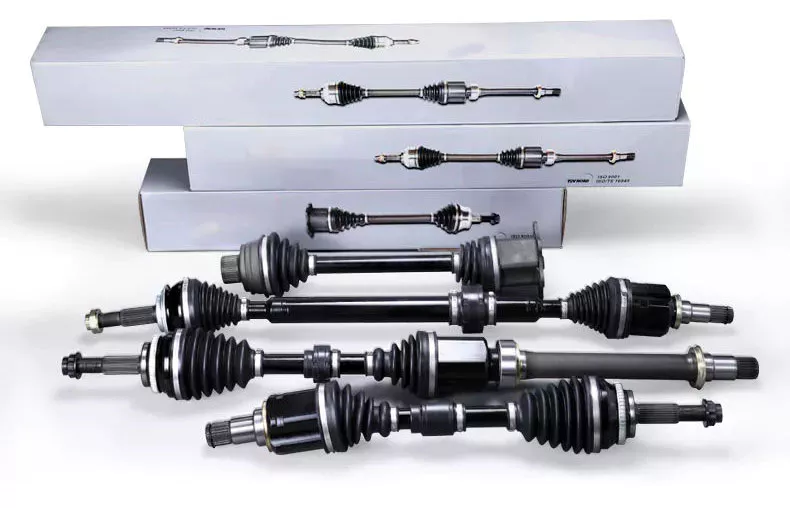
What maintenance practices are crucial for prolonging the lifespan of drive shafts?
To prolong the lifespan of drive shafts and ensure their optimal performance, several maintenance practices are crucial. Regular maintenance helps identify and address potential issues before they escalate, reduces wear and tear, and ensures the drive shaft operates smoothly and efficiently. Here are some essential maintenance practices for prolonging the lifespan of drive shafts:
1. Regular Inspection:
Performing regular inspections is vital for detecting any signs of wear, damage, or misalignment. Inspect the drive shaft visually, looking for cracks, dents, or any signs of excessive wear on the shaft itself and its associated components such as joints, yokes, and splines. Check for any signs of lubrication leaks or contamination. Additionally, inspect the fasteners and mounting points to ensure they are secure. Early detection of any issues allows for timely repairs or replacements, preventing further damage to the drive shaft.
2. Lubrication:
Proper lubrication is essential for the smooth operation and longevity of drive shafts. Lubricate the joints, such as universal joints or constant velocity joints, as recommended by the manufacturer. Lubrication reduces friction, minimizes wear, and helps dissipate heat generated during operation. Use the appropriate lubricant specified for the specific drive shaft and application, considering factors such as temperature, load, and operating conditions. Regularly check the lubrication levels and replenish as necessary to ensure optimal performance and prevent premature failure.
3. Balancing and Alignment:
Maintaining proper balancing and alignment is crucial for the lifespan of drive shafts. Imbalances or misalignments can lead to vibrations, accelerated wear, and potential failure. If vibrations or unusual noises are detected during operation, it is important to address them promptly. Perform balancing procedures as necessary, including dynamic balancing, to ensure even weight distribution along the drive shaft. Additionally, verify that the drive shaft is correctly aligned with the engine or power source and the driven components. Misalignment can cause excessive stress on the drive shaft, leading to premature failure.
4. Protective Coatings:
Applying protective coatings can help prolong the lifespan of drive shafts, particularly in applications exposed to harsh environments or corrosive substances. Consider using coatings such as zinc plating, powder coating, or specialized corrosion-resistant coatings to enhance the drive shaft’s resistance to corrosion, rust, and chemical damage. Regularly inspect the coating for any signs of degradation or damage, and reapply or repair as necessary to maintain the protective barrier.
5. Torque and Fastener Checks:
Ensure that the drive shaft’s fasteners, such as bolts, nuts, or clamps, are properly torqued and secured according to the manufacturer’s specifications. Loose or improperly tightened fasteners can lead to excessive vibrations, misalignment, or even detachment of the drive shaft. Periodically check and retighten the fasteners as recommended or after any maintenance or repair procedures. Additionally, monitor the torque levels during operation to ensure they remain within the specified range, as excessive torque can strain the drive shaft and lead to premature failure.
6. Environmental Protection:
Protecting the drive shaft from environmental factors can significantly extend its lifespan. In applications exposed to extreme temperatures, moisture, chemicals, or abrasive substances, take appropriate measures to shield the drive shaft. This may include using protective covers, seals, or guards to prevent contaminants from entering and causing damage. Regular cleaning of the drive shaft, especially in dirty or corrosive environments, can also help remove debris and prevent buildup that could compromise its performance and longevity.
7. Manufacturer Guidelines:
Follow the manufacturer’s guidelines and recommendations for maintenance practices specific to the drive shaft model and application. The manufacturer’s instructions may include specific intervals for inspections, lubrication, balancing, or other maintenance tasks. Adhering to these guidelines ensures that the drive shaft is properly maintained and serviced, maximizing its lifespan and minimizing the risk of unexpected failures.
By implementing these maintenance practices, drive shafts can operate reliably, maintain efficient power transmission, and have an extended service life, ultimately reducing downtime and ensuring optimal performance in various applications.

How do drive shafts enhance the performance of automobiles and trucks?
Drive shafts play a significant role in enhancing the performance of automobiles and trucks. They contribute to various aspects of vehicle performance, including power delivery, traction, handling, and overall efficiency. Here’s a detailed explanation of how drive shafts enhance the performance of automobiles and trucks:
1. Power Delivery: Drive shafts are responsible for transmitting power from the engine to the wheels, enabling the vehicle to move forward. By efficiently transferring power without significant losses, drive shafts ensure that the engine’s power is effectively utilized, resulting in improved acceleration and overall performance. Well-designed drive shafts with minimal power loss contribute to the vehicle’s ability to deliver power to the wheels efficiently.
2. Torque Transfer: Drive shafts facilitate the transfer of torque from the engine to the wheels. Torque is the rotational force that drives the vehicle forward. High-quality drive shafts with proper torque conversion capabilities ensure that the torque generated by the engine is effectively transmitted to the wheels. This enhances the vehicle’s ability to accelerate quickly, tow heavy loads, and climb steep gradients, thereby improving overall performance.
3. Traction and Stability: Drive shafts contribute to the traction and stability of automobiles and trucks. They transmit power to the wheels, allowing them to exert force on the road surface. This enables the vehicle to maintain traction, especially during acceleration or when driving on slippery or uneven terrain. The efficient power delivery through the drive shafts enhances the vehicle’s stability by ensuring balanced power distribution to all wheels, improving control and handling.
4. Handling and Maneuverability: Drive shafts have an impact on the handling and maneuverability of vehicles. They help establish a direct connection between the engine and the wheels, allowing for precise control and responsive handling. Well-designed drive shafts with minimal play or backlash contribute to a more direct and immediate response to driver inputs, enhancing the vehicle’s agility and maneuverability.
5. Viktminskning: Drive shafts can contribute to weight reduction in automobiles and trucks. Lightweight drive shafts made from materials such as aluminum or carbon fiber-reinforced composites reduce the overall weight of the vehicle. The reduced weight improves the power-to-weight ratio, resulting in better acceleration, handling, and fuel efficiency. Additionally, lightweight drive shafts reduce the rotational mass, allowing the engine to rev up more quickly, further enhancing performance.
6. Mechanical Efficiency: Efficient drive shafts minimize energy losses during power transmission. By incorporating features such as high-quality bearings, low-friction seals, and optimized lubrication, drive shafts reduce friction and minimize power losses due to internal resistance. This enhances the mechanical efficiency of the drivetrain system, allowing more power to reach the wheels and improving overall vehicle performance.
7. Performance Upgrades: Drive shaft upgrades can be popular performance enhancements for enthusiasts. Upgraded drive shafts, such as those made from stronger materials or with enhanced torque capacity, can handle higher power outputs from modified engines. These upgrades allow for increased performance, such as improved acceleration, higher top speeds, and better overall driving dynamics.
8. Compatibility with Performance Modifications: Performance modifications, such as engine upgrades, increased power output, or changes to the drivetrain system, often require compatible drive shafts. Drive shafts designed to handle higher torque loads or adapt to modified drivetrain configurations ensure optimal performance and reliability. They enable the vehicle to effectively harness the increased power and torque, resulting in improved performance and responsiveness.
9. Durability and Reliability: Robust and well-maintained drive shafts contribute to the durability and reliability of automobiles and trucks. They are designed to withstand the stresses and loads associated with power transmission. High-quality materials, appropriate balancing, and regular maintenance help ensure that drive shafts operate smoothly, minimizing the risk of failures or performance issues. Reliable drive shafts enhance the overall performance by providing consistent power delivery and minimizing downtime.
10. Compatibility with Advanced Technologies: Drive shafts are evolving in tandem with advancements in vehicle technologies. They are increasingly being integrated with advanced systems such as hybrid powertrains, electric motors, and regenerative braking. Drive shafts designed to work seamlessly with these technologies maximize their efficiency and performance benefits, contributing to improved overall vehicle performance.
In summary, drive shafts enhance the performance of automobiles and trucks by optimizing power delivery, facilitating torque transfer, improving traction and stability, enhancing handling and maneuverability, reducing weight, increasing mechanical efficiency, enabling compatibility with performance upgrades and advanced technologies, and ensuring durability and reliability. They play a crucial role in ensuring efficient power transmission, responsive acceleration, precise handling, and overall improved performance of vehicles.

Hur bidrar drivaxlar till överföring av rotationskraft i olika tillämpningar?
Drivaxlar spelar en avgörande roll för att överföra rotationskraft från motorn eller kraftkällan till hjulen eller drivna komponenter i olika tillämpningar. Oavsett om det är i fordon eller maskiner möjliggör drivaxlar effektiv kraftöverföring och underlättar funktionen hos olika system. Här är en detaljerad förklaring av hur drivaxlar bidrar till att överföra rotationskraft:
1. Fordonsapplikationer:
I fordon ansvarar drivaxlar för att överföra rotationskraft från motorn till hjulen, vilket gör att fordonet kan röra sig. Drivaxeln ansluter växellådans eller transmissionens utgående axel till differentialen, som vidare fördelar kraften till hjulen. När motorn genererar vridmoment överförs det via drivaxeln till hjulen, vilket driver fordonet framåt. Denna kraftöverföring gör att fordonet kan accelerera, bibehålla hastigheten och övervinna motstånd, såsom friktion och lutningar.
2. Maskinapplikationer:
I maskiner används drivaxlar för att överföra rotationskraft från motorn till olika drivna komponenter. I industrimaskiner kan drivaxlar till exempel användas för att överföra kraft till pumpar, generatorer, transportband eller andra mekaniska system. I jordbruksmaskiner används drivaxlar vanligtvis för att ansluta kraftkällan till utrustning som skördetröskor, balpressar eller bevattningssystem. Drivaxlar gör det möjligt för dessa maskiner att utföra sina avsedda funktioner genom att leverera rotationskraft till de nödvändiga komponenterna.
3. Kraftöverföring:
Drivaxlar är konstruerade för att överföra rotationskraft effektivt och tillförlitligt. De kan överföra betydande mängder vridmoment från motorn till hjulen eller drivna komponenter. Vridmomentet som genereras av motorn överförs genom drivaxeln utan betydande effektförluster. Genom att upprätthålla en styv förbindelse mellan motorn och de drivna komponenterna säkerställer drivaxlarna att den kraft som produceras av motorn effektivt utnyttjas för att utföra nyttigt arbete.
4. Flexibel koppling:
En av drivaxlarnas viktigaste funktioner är att tillhandahålla en flexibel koppling mellan motorn/växellådan och hjulen eller drivkomponenterna. Denna flexibilitet gör att drivaxeln kan hantera vinkelrörelser och kompensera för feljustering mellan motorn och det drivna systemet. I fordon, när fjädringssystemet rör sig eller hjulen stöter på ojämn terräng, justerar drivaxeln sin längd och vinkel för att bibehålla en konstant kraftöverföring. Denna flexibilitet hjälper till att förhindra överdriven belastning på drivlinans komponenter och säkerställer en smidig kraftöverföring.
5. Moment- och hastighetsöverföring:
Drivaxlar ansvarar för att överföra både vridmoment och rotationshastighet. Vridmoment är den rotationskraft som genereras av motorn eller kraftkällan, medan rotationshastighet är antalet varv per minut (RPM). Drivaxlar måste kunna hantera applikationens vridmomentkrav utan överdriven vridning eller böjning. Dessutom måste de bibehålla önskad rotationshastighet för att säkerställa att de drivna komponenterna fungerar korrekt. Korrekt design, materialval och balansering av drivaxlarna bidrar till effektiv vridmoment- och hastighetsöverföring.
6. Längd och balans:
Drivaxlarnas längd och balans är avgörande faktorer för deras prestanda. Drivaxelns längd bestäms av avståndet mellan motorn eller kraftkällan och de drivna komponenterna. Den bör vara lämpligt dimensionerad för att undvika överdrivna vibrationer eller böjning. Drivaxlar är noggrant balanserade för att minimera vibrationer och rotationsobalanser, vilket kan påverka drivlinesystemets totala prestanda, komfort och livslängd.
7. Säkerhet och underhåll:
Drivaxlar kräver lämpliga säkerhetsåtgärder och regelbundet underhåll. I fordon är drivaxlar ofta inneslutna i ett skyddande rör eller hölje för att förhindra kontakt med rörliga delar, vilket minskar risken för skador. Säkerhetsskydd eller skydd kan också installeras runt exponerade drivaxlar i maskiner för att skydda operatörer från potentiella faror. Regelbundet underhåll inkluderar inspektion av drivaxeln för slitage, skador eller feljustering, och att säkerställa korrekt smörjning av kardanlederna. Dessa åtgärder hjälper till att förhindra fel, säkerställa optimal prestanda och förlänga drivaxelns livslängd.
Sammanfattningsvis spelar drivaxlar en viktig roll för att överföra rotationskraft i olika tillämpningar. Oavsett om det gäller fordon eller maskiner möjliggör drivaxlar effektiv kraftöverföring från motorn eller kraftkällan till hjulen eller drivna komponenter. De ger en flexibel koppling, hanterar vridmoment och hastighetsöverföring, möjliggör vinkelrörelser och bidrar till systemets säkerhet och underhåll. Genom att effektivt överföra rotationskraft underlättar drivaxlar funktionen och prestandan hos fordon och maskiner i många branscher.


editor by CX 2023-09-14























