
Descripción del Producto
CHINAMFG tractor parts PTO Power Transmission Shaft PTO drive shaft
Our Services
Why choosing us?
1.We are manufacturer, we have Well and High Quality Control
2.Prompt Delivery
3.Customer’s Design and Logo are Welcome
4.Competitive Prices directly from factory
5.Small Order Acceptable
6.OEM / ODM Accepted
Pre-sales service After-sales Service
*Inquiry and consulting support * training how to instal the machine
* View factory * training how to use the machine
company information :
SHUNYU company mainly supply Farm tractors, Combine harvesters and related Implements, as well as their spare parts.
Also we offer OEM service for Different brands tractors PTO Driving shafts, Gears, Rotary blades.
If you could not find the products on our website, Welcome to send us drawing or sample, we could custom as your needs.
/* 22 de enero de 2571 19:08:37 */!function(){function s(e,r){var a,o={};try{e&&e.split(“”,).forEach(function(e,t){e&&(a=e.match(/(.*?):(.*)$/))&&1
| Tipo: | Shaft |
|---|---|
| Uso: | Agricultural Products Processing, Harvester |
| Fuente de energía: | Diesel |
| Servicio postventa: | Online Support |
| Warranty: | 12 Months |
| Transport Package: | Standard Export Packing or as Your Needed |
| Personalización: |
Disponible
| Solicitud personalizada |
|---|
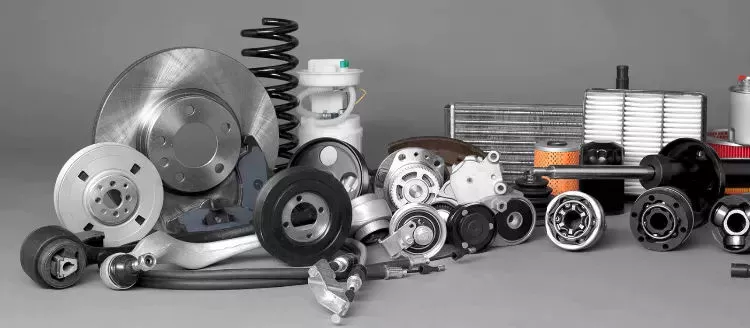
What maintenance practices are essential for prolonging the lifespan of PTO shafts?
Maintaining proper care and performing regular maintenance on Power Take-Off (PTO) shafts is crucial for prolonging their lifespan and ensuring optimal performance. By following essential maintenance practices, you can prevent premature wear, identify potential issues early on, and maximize the longevity of your PTO shafts. Here are some key maintenance practices to consider:
1. Regular Inspection: Perform routine visual inspections of the PTO shaft to check for any signs of damage, wear, or misalignment. Look for cracks, dents, bent sections, or loose components. Inspect the universal joints, coupling mechanisms, protective guards, and other associated parts. Pay attention to any unusual noises, vibrations, or changes in performance, as these can indicate underlying issues that require attention.
2. Lubrication: Proper lubrication is essential for the smooth operation and longevity of PTO shafts. Follow the manufacturer’s recommendations regarding lubrication intervals and use the recommended lubricant type. Apply lubrication to the universal joints, CV joints (if applicable), and other moving parts as specified. Regularly check for adequate lubricant levels and replenish if necessary. Ensure that the lubricant used is compatible with the shaft material and does not attract dirt or debris that could cause abrasion or damage.
3. Cleaning: Keep the PTO shaft clean and free from dirt, debris, and other contaminants. Regularly remove any accumulated dirt, grease, or residue using a brush or compressed air. Be particularly diligent in cleaning the universal joints and areas where the shaft connects to other components. Cleaning prevents the buildup of abrasive particles that can accelerate wear and compromise the shaft’s performance.
4. Guard Inspection and Maintenance: Check the protective guards and shields regularly to ensure they are securely in place and free from damage. Guards play a critical role in preventing accidental contact with the rotating shaft and minimizing the risk of injury. Repair or replace any damaged or missing guards promptly. Ensure that the guards are correctly aligned and provide sufficient coverage for all moving parts of the PTO shaft.
5. Torque and Fastener Checks: Periodically inspect and check the torque of fasteners, such as bolts and nuts, that secure the PTO shaft and associated components. Over time, vibration and normal operation can loosen these fasteners, compromising the integrity of the shaft. Use the appropriate torque specifications provided by the manufacturer to ensure proper tightening. Regularly verify the tightness of fasteners and retighten as necessary.
6. Shear Bolt or Slip Clutch Maintenance: If your PTO shaft incorporates shear bolt or slip clutch mechanisms, ensure they are functioning correctly. Inspect the shear bolts for signs of wear or damage, and replace them when necessary. Check the slip clutch for proper adjustment and smooth operation. Follow the manufacturer’s recommendations regarding maintenance and adjustment of these safety mechanisms to ensure their effectiveness in protecting the driveline components.
7. Proper Storage: When the PTO shaft is not in use, store it in a clean and dry environment. Protect the shaft from exposure to moisture, extreme temperatures, and corrosive substances. If possible, store the shaft in a vertical position to prevent bending or distortion. Consider using protective covers or cases to shield the shaft from dust, dirt, and other potential sources of damage.
8. Operator Training: Provide proper training to operators on the correct operation, maintenance, and safety procedures related to the PTO shafts. Educate them about the importance of regular inspections, lubrication, and adherence to recommended maintenance practices. Encourage operators to report any abnormalities or concerns promptly to prevent further damage and ensure timely repairs or adjustments.
9. Manufacturer and Expert Guidance: Consult the manufacturer’s guidelines and recommendations regarding maintenance practices specific to your PTO shaft model. Additionally, seek advice from experts or authorized service technicians who are knowledgeable about PTO shaft maintenance. They can provide valuable insights and assistance in implementing the best maintenance practices for your specific PTO shafts.
By following these maintenance practices, you can extend the lifespan of your PTO shafts, optimize their performance, and reduce the likelihood of unexpected failures or costly repairs. Regular inspections, lubrication, cleaning, guard maintenance, torque checks, and proper storage are all essential in ensuring the longevity and reliability of your PTO shafts.
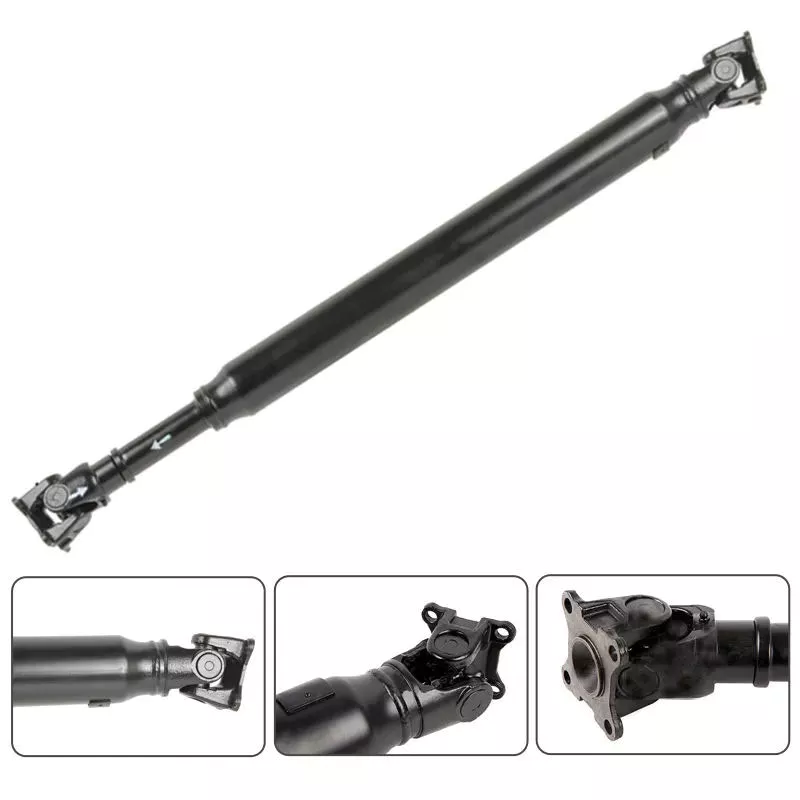
¿Existen limitaciones o desventajas asociadas a los ejes de toma de fuerza?
Si bien los ejes de toma de fuerza (TDF) ofrecen numerosas ventajas en cuanto a la transmisión de potencia y versatilidad, también presentan ciertas limitaciones y desventajas. Es importante tener en cuenta estos factores al utilizar ejes de TDF para garantizar un funcionamiento seguro y eficiente. A continuación, se ofrece una explicación detallada de algunas de las limitaciones y desventajas asociadas a los ejes de TDF:
1. Riesgos para la seguridad: Una de las principales preocupaciones con los ejes de toma de fuerza (TDF) es el riesgo potencial para la seguridad. Estos ejes giran a altas velocidades y pueden representar un riesgo significativo si no están debidamente protegidos o manipulados. El contacto accidental con un eje de TDF expuesto o con una protección insuficiente puede provocar lesiones graves, como atrapamiento, amputación o incluso la muerte. Es fundamental seguir las normas de seguridad, implementar la protección adecuada y garantizar que los operarios estén bien capacitados en prácticas de manipulación seguras para mitigar estos riesgos.
2. Mantenimiento y lubricación: Los ejes de la toma de fuerza (PTO) requieren mantenimiento y lubricación regulares para garantizar un rendimiento óptimo y una mayor durabilidad. Las piezas móviles, como las juntas universales y las estrías, deben inspeccionarse, limpiarse y lubricarse a intervalos recomendados. Descuidar el mantenimiento puede provocar un desgaste prematuro, una menor eficiencia y posibles fallos. Unas prácticas de mantenimiento adecuadas, que incluyan inspecciones periódicas y una lubricación oportuna, son esenciales para evitar estos problemas.
3. Alineación y ángulos: Los ejes de la toma de fuerza (TDF) dependen de una alineación y ángulos adecuados para garantizar una transferencia de potencia eficiente. Una desalineación o ángulos excesivos entre la fuente de energía y la maquinaria accionada pueden provocar un mayor desgaste y tensión en los componentes, lo que conlleva una falla prematura. Asegurar una alineación y un ajuste de ángulo correctos, mediante horquillas deslizantes ajustables u otros medios, es fundamental para evitar una tensión excesiva en el eje de la TDF y el equipo asociado.
4. Limitaciones de longitud: Los ejes de la toma de fuerza (TDF) tienen limitaciones en su longitud máxima y mínima debido a restricciones de ingeniería. El diseño telescópico permite cierto ajuste, pero existe un límite práctico en cuanto a cuánto puede extenderse o retraerse el eje. Si la distancia entre la fuente de energía y la maquinaria accionada supera la longitud máxima o es inferior a la mínima del eje de la TDF, podrían ser necesarias soluciones alternativas o modificaciones. En algunos casos, podrían requerirse componentes adicionales, como extensiones del eje de transmisión o cajas de engranajes, para salvar la distancia.
5. Compatibilidad: Si bien los fabricantes se esfuerzan por garantizar la compatibilidad, aún pueden surgir dificultades para encontrar el eje de toma de fuerza (TDF) adecuado para configuraciones de equipo específicas. Los equipos pueden tener requisitos únicos en cuanto a tamaños de estrías, valores de torque o métodos de conexión que podrían no estar disponibles o ser incompatibles con los ejes de TDF estándar. Para solucionar estos problemas de compatibilidad, podría ser necesario realizar modificaciones, lo que podría incrementar los costos o los plazos de entrega.
6. Ruido y vibraciones: Los ejes de toma de fuerza (TDF) en funcionamiento pueden generar ruido y vibraciones significativas, especialmente a altas velocidades. Esto puede resultar molesto para los operarios y requerir medidas adicionales para reducir el ruido o amortiguar las vibraciones. Las vibraciones excesivas también pueden afectar el rendimiento y la vida útil del eje de TDF y los equipos conectados. La instalación de amortiguadores de vibración o el uso de acoplamientos flexibles pueden ayudar a mitigar estos problemas.
7. Límites de potencia: Los ejes de toma de fuerza (TDF) tienen límites de potencia específicos según su diseño, materiales y componentes. Superar estos límites puede provocar desgaste prematuro, fallos en los componentes o incluso la rotura del eje. Es fundamental comprender y respetar las potencias recomendadas para los ejes de TDF a fin de garantizar un funcionamiento seguro y fiable. En algunos casos, puede ser necesario instalar un eje de TDF de mayor capacidad o incorporar componentes de transmisión de potencia adicionales para satisfacer mayores requerimientos de potencia.
8. Instalación y desmontaje complejos: La instalación y extracción de ejes de toma de fuerza (TDF) puede ser un proceso complejo, especialmente en espacios reducidos o al trabajar con maquinaria pesada. Puede requerir la alineación de estrías, el acoplamiento de piezas y el bloqueo de mecanismos. Las técnicas de instalación o extracción incorrectas pueden dañar el eje o el equipo asociado. Una capacitación adecuada, el manejo correcto del equipo y el cumplimiento de las instrucciones del fabricante son esenciales para simplificar y garantizar la instalación y extracción seguras de los ejes de TDF.
A pesar de estas limitaciones y desventajas, los ejes de toma de fuerza (TDF) siguen siendo componentes valiosos y ampliamente utilizados para la transmisión de potencia en diversas industrias. Al abordar estas consideraciones e implementar medidas de seguridad, prácticas de mantenimiento y procedimientos de alineación adecuados, se pueden mitigar eficazmente los posibles inconvenientes de los ejes de TDF, lo que permite un funcionamiento seguro y eficiente.

What is a PTO shaft and how is it used in agricultural and industrial equipment?
A power take-off (PTO) shaft is a mechanical component used in agricultural and industrial equipment to transfer power from a power source, such as an engine or motor, to another machine or implement. It is a driveline shaft that transmits rotational power and torque, allowing the connected equipment to perform various tasks. PTO shafts are commonly used in agricultural machinery, such as tractors, as well as in industrial equipment, including generators, pumps, and construction machinery. Here’s a detailed explanation of what a PTO shaft is and how it is used:
Structure and Components: A typical PTO shaft consists of a hollow metal tube with universal joints at each end. The hollow tube allows the shaft to rotate freely, while the universal joints accommodate angular misalignments between the power source and the driven equipment. The universal joints consist of a cross-shaped yoke with needle bearings, providing flexibility and allowing the transmission of power at varying angles. Some PTO shafts may also include a telescopic section to adjust the length for different equipment setups or to accommodate varying distances between the power source and the driven machine.
Power Transfer: The primary function of a PTO shaft is to transfer power and torque from the power source to the driven equipment. The power source, typically an engine or motor, drives the PTO shaft through a mechanical connection, such as a gearbox or a clutch. As the power source rotates, it transmits rotational force to the PTO shaft. The PTO shaft, in turn, transfers this rotational power and torque to the driven equipment, enabling it to perform its intended function. The torque and rotational speed transmitted through the PTO shaft depend on the power source’s characteristics and the gear ratio or clutch engagement.
Agricultural Applications: In agriculture, PTO shafts are commonly used in tractors to power various implements and attachments. The PTO shaft is connected to the tractor’s power take-off, a rotating drive shaft located at the rear of the tractor. By engaging the PTO clutch, the tractor’s engine power is transferred through the PTO shaft to the attached implements. Agricultural machinery, such as mowers, balers, tillers, sprayers, and grain augers, often rely on PTO shafts to receive power for their operation. The PTO shaft allows the implements to be powered directly by the tractor’s engine, eliminating the need for separate power sources and increasing the versatility and efficiency of agricultural operations.
Industrial Applications: PTO shafts also find extensive use in various industrial applications. Industrial equipment, such as generators, pumps, compressors, and industrial mixers, often incorporate PTO shafts to receive power from engines or electric motors. The PTO shaft connects the power source to the driven equipment, allowing it to operate and perform its intended function. In construction machinery, PTO shafts can be found in equipment like concrete mixers, hydraulic hammers, and post hole diggers, enabling the transfer of power from the machinery’s engine to the specific attachment or tool being used.
Safety Considerations: It is important to note that PTO shafts can pose safety risks if not handled properly. The rotating shaft can cause serious injuries if operators come into contact with it while it is in operation. To ensure safety, PTO shafts are often equipped with shielding or guards that cover the rotating shaft and universal joints, preventing accidental contact. It is crucial to maintain and inspect these safety features regularly to ensure their effectiveness. Additionally, operators should receive proper training on PTO shaft operation, including safe attachment and detachment procedures, as well as the use of personal protective equipment when working near PTO-driven machinery.
In summary, a PTO shaft is a mechanical component used in agricultural and industrial equipment to transmit power and torque from a power source to a driven machine or implement. It enables the direct power transfer from engines or motors to various equipment, increasing efficiency and versatility in agricultural and industrial operations. While PTO shafts offer significant benefits, operators must be aware of the associated safety considerations and take appropriate precautions to prevent accidents and injuries.


editor by CX 2024-03-18























