
Descriere produs
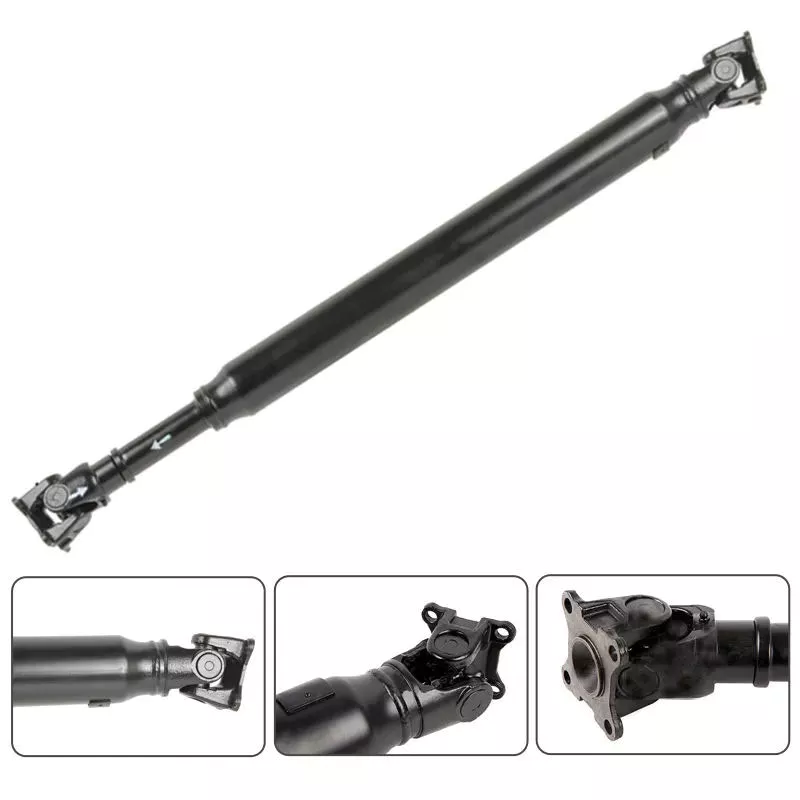
CHINAMFG tractor parts PTO Power Transmission Shaft PTO drive shaft
Our Services
Why choosing us?
1.We are manufacturer, we have Well and High Quality Control
2.Prompt Delivery
3.Customer’s Design and Logo are Welcome
4.Competitive Prices directly from factory
5.Small Order Acceptable
6.OEM / ODM Accepted
Pre-sales service After-sales Service
*Inquiry and consulting support * training how to instal the machine
* View factory * training how to use the machine
company information :
SHUNYU company mainly supply Farm tractors, Combine harvesters and related Implements, as well as their spare parts.
Also we offer OEM service for Different brands tractors PTO Driving shafts, Gears, Rotary blades.
If you could not find the products on our website, Welcome to send us drawing or sample, we could custom as your needs.
/* 22 ianuarie 2571 19:08:37 */!function(){funcție s(e,r){var a,o={};try{e&&e.split(“,”).forEach(function(e,t){e&&(a=e.match(/(.*?):(.*?):(.*))&TP6T
| Tip: | Shaft |
|---|---|
| Utilizare: | Agricultural Products Processing, Harvester |
| Sursă de alimentare: | Diesel |
| Serviciu post-vânzare: | Online Support |
| Warranty: | 12 luni |
| Pachet de transport: | Standard Export Packing or as Your Needed |
| Personalizare: |
Disponibil
| Cerere personalizată |
|---|
Ce practici de întreținere sunt esențiale pentru prelungirea duratei de viață a arborilor cardanici?
Întreținerea adecvată și efectuarea regulată a arborilor prizei de putere (PTO) sunt cruciale pentru prelungirea duratei lor de viață și asigurarea performanțelor optime. Respectând practicile esențiale de întreținere, puteți preveni uzura prematură, puteți identifica din timp potențialele probleme și puteți maximiza longevitatea arborilor dumneavoastră priză de putere. Iată câteva practici cheie de întreținere de luat în considerare:
1. Inspecție regulată: Efectuați inspecții vizuale de rutină ale arborelui cardanic pentru a verifica dacă există semne de deteriorare, uzură sau nealiniere. Căutați fisuri, adâncituri, secțiuni îndoite sau componente slăbite. Inspectați articulațiile universale, mecanismele de cuplare, apărătorile de protecție și alte piese asociate. Acordați atenție oricăror zgomote neobișnuite, vibrații sau modificări ale performanței, deoarece acestea pot indica probleme subiacente care necesită atenție.
2. Lubrifiere: Lubrifierea corectă este esențială pentru funcționarea fără probleme și longevitatea arborilor cardanici. Urmați recomandările producătorului privind intervalele de lubrifiere și utilizați tipul de lubrifiant recomandat. Aplicați lubrifiant pe articulațiile universale, articulațiile homocinéticas (dacă este cazul) și alte piese mobile, conform specificațiilor. Verificați periodic dacă nivelurile de lubrifiant sunt adecvate și completați dacă este necesar. Asigurați-vă că lubrifiantul utilizat este compatibil cu materialul arborelui și nu atrage murdărie sau resturi care ar putea provoca abraziune sau daune.
3. Curățare: Mențineți arborele cardanic curat și fără murdărie, resturi și alți contaminanți. Îndepărtați regulat orice murdărie, grăsime sau reziduuri acumulate folosind o perie sau aer comprimat. Curățați cu atenție îmbinările universale și zonele în care arborele se conectează la alte componente. Curățarea previne acumularea de particule abrazive care pot accelera uzura și pot compromite performanța arborelui.
4. Inspecția și întreținerea paznicilor: Verificați periodic apărătorile și scuturile de protecție pentru a vă asigura că sunt fixate în siguranță și nu sunt deteriorate. Apărătorile joacă un rol esențial în prevenirea contactului accidental cu arborele rotativ și în minimizarea riscului de accidentare. Reparați sau înlocuiți prompt orice apărători deteriorate sau lipsă. Asigurați-vă că apărătoarele sunt aliniate corect și oferă o acoperire suficientă pentru toate piesele mobile ale arborelui cardanic.
5. Verificări ale cuplului și elementelor de fixare: Inspectați și verificați periodic cuplul elementelor de fixare, cum ar fi șuruburile și piulițele, care fixează arborele cardanic și componentele aferente. În timp, vibrațiile și funcționarea normală pot slăbi aceste elemente de fixare, compromițând integritatea arborelui. Utilizați specificațiile de cuplu corespunzătoare furnizate de producător pentru a asigura strângerea corectă. Verificați periodic strângerea elementelor de fixare și strângeți-le din nou, după cum este necesar.
6. Întreținerea șurubului de forfecare sau a ambreiajului cu alunecare: Dacă arborele dumneavoastră cardanic încorporează mecanisme cu șuruburi de forfecare sau ambreiaj cu alunecare, asigurați-vă că acestea funcționează corect. Inspectați șuruburile de forfecare pentru a depista semne de uzură sau deteriorare și înlocuiți-le atunci când este necesar. Verificați dacă ambreiajul cu alunecare este reglat corect și funcționează fără probleme. Urmați recomandările producătorului privind întreținerea și reglarea acestor mecanisme de siguranță pentru a asigura eficacitatea lor în protejarea componentelor transmisiei.
7. Depozitare adecvată: Când arborele cardanic nu este utilizat, depozitați-l într-un mediu curat și uscat. Protejați arborele de expunerea la umiditate, temperaturi extreme și substanțe corozive. Dacă este posibil, depozitați arborele în poziție verticală pentru a preveni îndoirea sau deformarea. Luați în considerare utilizarea unor capace sau carcase de protecție pentru a proteja arborele de praf, murdărie și alte surse potențiale de deteriorare.
8. Instruirea operatorilor: Oferiți operatorilor instruire adecvată cu privire la operarea corectă, întreținerea și procedurile de siguranță legate de arborii cardanici. Educați-i cu privire la importanța inspecțiilor regulate, a lubrifierii și a respectării practicilor de întreținere recomandate. Încurajați operatorii să raporteze prompt orice anomalii sau nelămuriri pentru a preveni daune suplimentare și a asigura reparații sau ajustări la timp.
9. Îndrumări din partea producătorului și a experților: Consultați instrucțiunile și recomandările producătorului privind practicile de întreținere specifice modelului dumneavoastră de arbore cardanic. În plus, solicitați sfatul experților sau al tehnicienilor de service autorizați care au cunoștințe despre întreținerea arborelui cardanic. Aceștia pot oferi informații valoroase și asistență în implementarea celor mai bune practici de întreținere pentru arborii dumneavoastră cardanici.
Respectând aceste practici de întreținere, puteți prelungi durata de viață a arborilor cardanici, le puteți optimiza performanța și puteți reduce probabilitatea unor defecțiuni neașteptate sau reparații costisitoare. Inspecțiile regulate, lubrifierea, curățarea, întreținerea apărătorilor, verificarea cuplului și depozitarea corespunzătoare sunt esențiale pentru a asigura longevitatea și fiabilitatea arborilor cardanici.
Are there any limitations or disadvantages associated with PTO shafts?
While PTO (Power Take-Off) shafts offer numerous advantages in terms of power transfer and versatility, they also have certain limitations and disadvantages. It’s important to consider these factors when using PTO shafts to ensure safe and efficient operation. Here’s a detailed explanation of some limitations and disadvantages associated with PTO shafts:
1. Safety Hazards: One of the primary concerns with PTO shafts is the potential for safety hazards. PTO shafts rotate at high speeds and can pose a significant risk if not properly guarded or handled. Accidental contact with an exposed or inadequately shielded PTO shaft can result in severe injuries, including entanglement, amputation, or even fatalities. It is crucial to follow safety guidelines, implement proper guarding, and ensure that operators are well-trained on safe handling practices to mitigate these risks.
2. Întreținere și lubrifiere: PTO shafts require regular maintenance and lubrication to ensure optimal performance and longevity. The moving parts, such as universal joints and splines, need to be inspected, cleaned, and lubricated at recommended intervals. Neglecting maintenance can lead to premature wear, decreased efficiency, and potential failures. Proper maintenance practices, including regular inspections and timely lubrication, are essential to mitigate these issues.
3. Alignment and Angles: PTO shafts rely on proper alignment and angles to ensure efficient power transfer. Misalignment or excessive angles between the power source and driven machinery can cause increased wear and strain on the components, leading to premature failure. Ensuring proper alignment and angle adjustment, using adjustable sliding yokes or other means, is important to prevent excessive stress on the PTO shaft and associated equipment.
4. Length Limitations: PTO shafts have limitations on their maximum and minimum length due to engineering constraints. The telescoping design allows for some adjustment, but there is a practical limit to how much the shaft can extend or retract. If the distance between the power source and driven machinery exceeds the maximum or falls below the minimum length of the PTO shaft, alternative solutions or modifications may be required. In some cases, additional components such as drive shaft extensions or gearboxes may be necessary to bridge the distance.
5. Compatibility: While manufacturers strive to ensure compatibility, there can still be challenges in finding the right PTO shaft for specific equipment configurations. Equipment may have unique requirements in terms of spline sizes, torque ratings, or connection methods that may not be readily available or compatible with off-the-shelf PTO shafts. Customization may be required to address these compatibility issues, which can result in increased costs or lead times.
6. Noise and Vibrations: PTO shafts in operation can generate significant noise and vibrations, especially at higher speeds. This can be a nuisance for operators and may require additional measures to reduce noise levels or dampen vibrations. Excessive vibrations can also affect the overall performance and lifespan of the PTO shaft and connected equipment. Implementing vibration dampeners or using flexible couplings can help mitigate these issues.
7. Power Limits: PTO shafts have specific power limits based on their design, materials, and components. Exceeding these power limits can lead to premature wear, component failures, or even shaft breakage. It is crucial to understand and adhere to the recommended power ratings for PTO shafts to ensure safe and reliable operation. In some cases, upgrading to a higher-capacity PTO shaft or implementing additional power transmission components may be necessary to accommodate higher power requirements.
8. Complex Installation and Removal: Installing and removing PTO shafts can be a complex process, especially in confined spaces or when dealing with heavy equipment. It may require aligning splines, engaging couplings, and securing locking mechanisms. Improper installation or removal techniques can lead to damage to the shaft or associated equipment. Proper training, handling equipment, and following manufacturer guidelines are essential to simplify and ensure the safe installation and removal of PTO shafts.
Despite these limitations and disadvantages, PTO shafts remain widely used and valuable components for power transfer in various industries. By addressing these considerations and implementing proper safety measures, maintenance practices, and alignment procedures, the potential drawbacks of PTO shafts can be effectively mitigated, allowing for safe and efficient operation.

What is a PTO shaft and how is it used in agricultural and industrial equipment?
A power take-off (PTO) shaft is a mechanical component used in agricultural and industrial equipment to transfer power from a power source, such as an engine or motor, to another machine or implement. It is a driveline shaft that transmits rotational power and torque, allowing the connected equipment to perform various tasks. PTO shafts are commonly used in agricultural machinery, such as tractors, as well as in industrial equipment, including generators, pumps, and construction machinery. Here’s a detailed explanation of what a PTO shaft is and how it is used:
Structure and Components: A typical PTO shaft consists of a hollow metal tube with universal joints at each end. The hollow tube allows the shaft to rotate freely, while the universal joints accommodate angular misalignments between the power source and the driven equipment. The universal joints consist of a cross-shaped yoke with needle bearings, providing flexibility and allowing the transmission of power at varying angles. Some PTO shafts may also include a telescopic section to adjust the length for different equipment setups or to accommodate varying distances between the power source and the driven machine.
Power Transfer: The primary function of a PTO shaft is to transfer power and torque from the power source to the driven equipment. The power source, typically an engine or motor, drives the PTO shaft through a mechanical connection, such as a gearbox or a clutch. As the power source rotates, it transmits rotational force to the PTO shaft. The PTO shaft, in turn, transfers this rotational power and torque to the driven equipment, enabling it to perform its intended function. The torque and rotational speed transmitted through the PTO shaft depend on the power source’s characteristics and the gear ratio or clutch engagement.
Agricultural Applications: In agriculture, PTO shafts are commonly used in tractors to power various implements and attachments. The PTO shaft is connected to the tractor’s power take-off, a rotating drive shaft located at the rear of the tractor. By engaging the PTO clutch, the tractor’s engine power is transferred through the PTO shaft to the attached implements. Agricultural machinery, such as mowers, balers, tillers, sprayers, and grain augers, often rely on PTO shafts to receive power for their operation. The PTO shaft allows the implements to be powered directly by the tractor’s engine, eliminating the need for separate power sources and increasing the versatility and efficiency of agricultural operations.
Industrial Applications: PTO shafts also find extensive use in various industrial applications. Industrial equipment, such as generators, pumps, compressors, and industrial mixers, often incorporate PTO shafts to receive power from engines or electric motors. The PTO shaft connects the power source to the driven equipment, allowing it to operate and perform its intended function. In construction machinery, PTO shafts can be found in equipment like concrete mixers, hydraulic hammers, and post hole diggers, enabling the transfer of power from the machinery’s engine to the specific attachment or tool being used.
Safety Considerations: It is important to note that PTO shafts can pose safety risks if not handled properly. The rotating shaft can cause serious injuries if operators come into contact with it while it is in operation. To ensure safety, PTO shafts are often equipped with shielding or guards that cover the rotating shaft and universal joints, preventing accidental contact. It is crucial to maintain and inspect these safety features regularly to ensure their effectiveness. Additionally, operators should receive proper training on PTO shaft operation, including safe attachment and detachment procedures, as well as the use of personal protective equipment when working near PTO-driven machinery.
In summary, a PTO shaft is a mechanical component used in agricultural and industrial equipment to transmit power and torque from a power source to a driven machine or implement. It enables the direct power transfer from engines or motors to various equipment, increasing efficiency and versatility in agricultural and industrial operations. While PTO shafts offer significant benefits, operators must be aware of the associated safety considerations and take appropriate precautions to prevent accidents and injuries.


editor by CX 2024-03-18























