
Produktbeschreibung
| Modellnummer | 05(Push Pin)+RA2(Overrunning Clutch) |
| Funktion | Kraftübertragung |
| Verwenden | Traktoren und verschiedene landwirtschaftliche Geräte |
| Jochtyp | push pin/quick release/ball attachment/collar/double push pin/bolt pins/split pins |
| Verarbeitung des Jochs | Schmieden |
| Rohrtyp | Dreieckig/Stern/Zitrone |
| Spline-Typ | Spline-Typ |
|
Materlal and Surface Treatment |
|
|
Cross shaft |
Heat treatment of 20Cr2Ni4A forging |
|
Bearing cup |
20CrMOTi forging heat treatment |
|
Flange fork |
ZG35CrMo, steel casting |
|
Spline shaft |
42GrMo forging heat treatment |
|
Spline bushing |
35CrM0 forging heat treatment |
|
Sleeve body |
42CrMo forging |
|
Surface treatment: |
spraying |
|
Flat key, positioning ring |
42GrMo forging |
The above are standard models and materials.
If you have special supporting requirements, you can customize production according to customer needs.
Please click here to consult us!
Application scenarios
| Standard: | GB, EN, OEM |
|---|---|
| Oberflächenbehandlung: | All |
| Energy Source: | All |
| Material: | All |
| Processing of Tube: | Cold Drawn |
| Tube Type: | Trianglar/Star/Lemon |
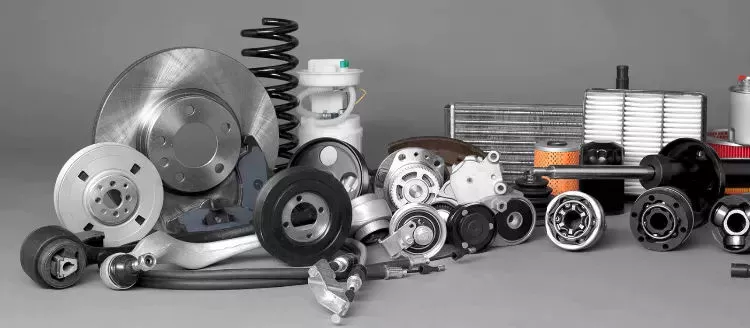
Welche Wartungsmaßnahmen sind unerlässlich, um die Lebensdauer von Zapfwellen zu verlängern?
Die richtige Pflege und regelmäßige Wartung von Zapfwellen (PTO-Wellen) ist entscheidend für deren Lebensdauer und optimale Leistung. Durch die Einhaltung grundlegender Wartungsmaßnahmen können Sie vorzeitigen Verschleiß verhindern, potenzielle Probleme frühzeitig erkennen und die Lebensdauer Ihrer Zapfwellen maximieren. Hier einige wichtige Wartungshinweise:
1. Regelmäßige Inspektion: Führen Sie regelmäßige Sichtprüfungen der Zapfwelle durch, um Anzeichen von Beschädigungen, Verschleiß oder Fehlausrichtung festzustellen. Achten Sie auf Risse, Dellen, verbogene Stellen oder lose Bauteile. Überprüfen Sie die Kreuzgelenke, Kupplungsmechanismen, Schutzvorrichtungen und andere zugehörige Teile. Achten Sie auf ungewöhnliche Geräusche, Vibrationen oder Leistungsveränderungen, da diese auf zugrunde liegende Probleme hinweisen können, die behoben werden müssen.
2. Schmierung: Eine ordnungsgemäße Schmierung ist für den reibungslosen Betrieb und die lange Lebensdauer von Zapfwellen unerlässlich. Beachten Sie die Empfehlungen des Herstellers bezüglich der Schmierintervalle und verwenden Sie den empfohlenen Schmierstoff. Schmieren Sie die Kreuzgelenke, Gleichlaufgelenke (falls vorhanden) und andere bewegliche Teile gemäß den Vorgaben. Kontrollieren Sie regelmäßig den Schmierstoffstand und füllen Sie bei Bedarf Schmierstoff nach. Stellen Sie sicher, dass der verwendete Schmierstoff mit dem Wellenmaterial kompatibel ist und keinen Schmutz oder Ablagerungen anzieht, die zu Abrieb oder Beschädigungen führen könnten.
3. Reinigung: Halten Sie die Zapfwelle sauber und frei von Schmutz, Ablagerungen und anderen Verunreinigungen. Entfernen Sie regelmäßig angesammelten Schmutz, Fett oder Rückstände mit einer Bürste oder Druckluft. Reinigen Sie insbesondere die Kreuzgelenke und die Verbindungsstellen der Welle zu anderen Bauteilen sorgfältig. Durch die Reinigung wird die Ansammlung von abrasiven Partikeln verhindert, die den Verschleiß beschleunigen und die Leistung der Welle beeinträchtigen können.
4. Wachinspektion und -wartung: Überprüfen Sie die Schutzvorrichtungen und -abdeckungen regelmäßig, um sicherzustellen, dass sie fest sitzen und unbeschädigt sind. Die Schutzvorrichtungen spielen eine entscheidende Rolle, um versehentlichen Kontakt mit der rotierenden Welle zu verhindern und das Verletzungsrisiko zu minimieren. Reparieren oder ersetzen Sie beschädigte oder fehlende Schutzvorrichtungen umgehend. Achten Sie darauf, dass die Schutzvorrichtungen korrekt ausgerichtet sind und alle beweglichen Teile der Zapfwelle ausreichend abdecken.
5. Drehmoment- und Befestigungsprüfung: Überprüfen Sie regelmäßig das Drehmoment der Befestigungselemente (Schrauben und Muttern), mit denen die Zapfwelle und zugehörige Komponenten befestigt sind. Vibrationen und der normale Betrieb können diese Befestigungselemente im Laufe der Zeit lockern und die Stabilität der Welle beeinträchtigen. Verwenden Sie die vom Hersteller angegebenen Drehmomentvorgaben, um ein korrektes Anziehen zu gewährleisten. Kontrollieren Sie regelmäßig den festen Sitz der Befestigungselemente und ziehen Sie diese gegebenenfalls nach.
6. Wartung von Scherbolzen oder Rutschkupplungen: Wenn Ihre Zapfwelle über Scherbolzen oder Rutschkupplungsmechanismen verfügt, stellen Sie deren einwandfreie Funktion sicher. Prüfen Sie die Scherbolzen auf Verschleiß oder Beschädigungen und tauschen Sie sie gegebenenfalls aus. Kontrollieren Sie die Rutschkupplung auf korrekte Einstellung und reibungslosen Betrieb. Befolgen Sie die Empfehlungen des Herstellers zur Wartung und Einstellung dieser Sicherheitsmechanismen, um deren Wirksamkeit beim Schutz der Antriebskomponenten zu gewährleisten.
7. Sachgerechte Lagerung: Lagern Sie die Zapfwelle bei Nichtgebrauch an einem sauberen und trockenen Ort. Schützen Sie die Welle vor Feuchtigkeit, extremen Temperaturen und korrosiven Substanzen. Lagern Sie die Welle möglichst senkrecht, um ein Verbiegen oder Verformen zu verhindern. Verwenden Sie gegebenenfalls Schutzhüllen oder -gehäuse, um die Welle vor Staub, Schmutz und anderen Beschädigungen zu schützen.
8. Bedienerschulung: Schulen Sie die Bediener fachgerecht in der korrekten Bedienung, Wartung und den Sicherheitsvorkehrungen für die Zapfwellen. Weisen Sie sie auf die Wichtigkeit regelmäßiger Inspektionen, Schmierung und der Einhaltung empfohlener Wartungsmaßnahmen hin. Ermutigen Sie die Bediener, jegliche Auffälligkeiten oder Probleme umgehend zu melden, um Folgeschäden zu vermeiden und rechtzeitige Reparaturen oder Justierungen zu gewährleisten.
9. Beratung durch Hersteller und Experten: Beachten Sie die Wartungsrichtlinien und -empfehlungen des Herstellers für Ihr Zapfwellenmodell. Ziehen Sie außerdem Experten oder autorisierte Servicetechniker zu Rate, die sich mit der Wartung von Zapfwellen auskennen. Sie können Ihnen wertvolle Hinweise geben und Sie bei der Umsetzung optimaler Wartungsmaßnahmen für Ihre Zapfwelle unterstützen.
Durch die Einhaltung dieser Wartungsmaßnahmen verlängern Sie die Lebensdauer Ihrer Zapfwellen, optimieren deren Leistung und reduzieren das Risiko unerwarteter Ausfälle oder kostspieliger Reparaturen. Regelmäßige Inspektionen, Schmierung, Reinigung, Wartung der Schutzvorrichtungen, Drehmomentprüfungen und sachgemäße Lagerung sind unerlässlich für die Langlebigkeit und Zuverlässigkeit Ihrer Zapfwellen.

Can you provide real-world examples of equipment that use PTO shafts?
Power Take-Off (PTO) shafts are extensively used in various industries, particularly in agriculture and construction. They provide a reliable power source for a wide range of equipment, enabling efficient operation and increased productivity. Here are some real-world examples of equipment that commonly use PTO shafts:
1. Agricultural Machinery:
- Tractor Implements: A wide array of tractor-mounted implements rely on PTO shafts for power transfer. These include:
- Mowers and rotary cutters
- Balers and hay equipment
- Tillers and cultivators
- Seeders and planters
- Sprayers
- Manure spreaders
- Harvesters, such as combine harvesters and forage harvesters
- Stationary Equipment: PTO shafts are also used in stationary agricultural equipment, including:
- Feed grinders and mixers
- Silo unloaders
- Grain augers and elevators
- Irrigation pumps
- Wood chippers and shredders
- Stump grinders
2. Construction and Earthmoving Equipment:
- Backhoes and Excavators: PTO shafts can be found in backhoes and excavators, powering attachments such as augers, hydraulic hammers, and brush cutters.
- Post Hole Diggers: Post hole diggers used for fence installation often rely on PTO shafts to transfer power to the digging mechanism.
- Trenchers: Trenching machines equipped with PTO shafts efficiently dig trenches for utility installations, drainage systems, or irrigation lines.
- Stump Grinders: Stump grinders used in land clearing and tree removal operations often utilize PTO shafts to power their cutting blades.
- Soil Stabilizers and Road Reclaimers: These machines use PTO shafts to drive the rotor and milling drums, which pulverize and mix materials for road construction and maintenance.
3. Forestry Equipment:
- Wood Chippers: Wood chippers used for processing tree branches and logs into wood chips are commonly powered by PTO shafts.
- Brush Cutters and Mulchers: PTO-driven brush cutters and mulchers are employed to clear vegetation and maintain forested areas.
- Log Splitters: Log splitters that split logs into firewood often utilize PTO shafts to power the splitting mechanism.
4. Utility Equipment:
- Generators: Some generators are designed to be driven by PTO shafts, providing an auxiliary power source for various applications in remote locations or during power outages.
- Pumps: PTO-driven pumps are commonly used for agricultural irrigation, water transfer, and dewatering applications.
5. Specialty Equipment:
- Ice Resurfacers: PTO shafts are employed in ice resurfacing machines used in ice rinks to maintain a smooth ice surface for ice hockey and figure skating.
- Air Compressors: Some air compressors are driven by PTO shafts, providing a source of compressed air for various applications.
These examples represent a range of equipment that extensively relies on PTO shafts for power transfer. PTO shafts enable the efficient operation of these machines, increasing productivity and versatility across various industries.

What is a PTO shaft and how is it used in agricultural and industrial equipment?
A power take-off (PTO) shaft is a mechanical component used in agricultural and industrial equipment to transfer power from a power source, such as an engine or motor, to another machine or implement. It is a driveline shaft that transmits rotational power and torque, allowing the connected equipment to perform various tasks. PTO shafts are commonly used in agricultural machinery, such as tractors, as well as in industrial equipment, including generators, pumps, and construction machinery. Here’s a detailed explanation of what a PTO shaft is and how it is used:
Structure and Components: A typical PTO shaft consists of a hollow metal tube with universal joints at each end. The hollow tube allows the shaft to rotate freely, while the universal joints accommodate angular misalignments between the power source and the driven equipment. The universal joints consist of a cross-shaped yoke with needle bearings, providing flexibility and allowing the transmission of power at varying angles. Some PTO shafts may also include a telescopic section to adjust the length for different equipment setups or to accommodate varying distances between the power source and the driven machine.
Power Transfer: The primary function of a PTO shaft is to transfer power and torque from the power source to the driven equipment. The power source, typically an engine or motor, drives the PTO shaft through a mechanical connection, such as a gearbox or a clutch. As the power source rotates, it transmits rotational force to the PTO shaft. The PTO shaft, in turn, transfers this rotational power and torque to the driven equipment, enabling it to perform its intended function. The torque and rotational speed transmitted through the PTO shaft depend on the power source’s characteristics and the gear ratio or clutch engagement.
Agricultural Applications: In agriculture, PTO shafts are commonly used in tractors to power various implements and attachments. The PTO shaft is connected to the tractor’s power take-off, a rotating drive shaft located at the rear of the tractor. By engaging the PTO clutch, the tractor’s engine power is transferred through the PTO shaft to the attached implements. Agricultural machinery, such as mowers, balers, tillers, sprayers, and grain augers, often rely on PTO shafts to receive power for their operation. The PTO shaft allows the implements to be powered directly by the tractor’s engine, eliminating the need for separate power sources and increasing the versatility and efficiency of agricultural operations.
Industrial Applications: PTO shafts also find extensive use in various industrial applications. Industrial equipment, such as generators, pumps, compressors, and industrial mixers, often incorporate PTO shafts to receive power from engines or electric motors. The PTO shaft connects the power source to the driven equipment, allowing it to operate and perform its intended function. In construction machinery, PTO shafts can be found in equipment like concrete mixers, hydraulic hammers, and post hole diggers, enabling the transfer of power from the machinery’s engine to the specific attachment or tool being used.
Safety Considerations: It is important to note that PTO shafts can pose safety risks if not handled properly. The rotating shaft can cause serious injuries if operators come into contact with it while it is in operation. To ensure safety, PTO shafts are often equipped with shielding or guards that cover the rotating shaft and universal joints, preventing accidental contact. It is crucial to maintain and inspect these safety features regularly to ensure their effectiveness. Additionally, operators should receive proper training on PTO shaft operation, including safe attachment and detachment procedures, as well as the use of personal protective equipment when working near PTO-driven machinery.
In summary, a PTO shaft is a mechanical component used in agricultural and industrial equipment to transmit power and torque from a power source to a driven machine or implement. It enables the direct power transfer from engines or motors to various equipment, increasing efficiency and versatility in agricultural and industrial operations. While PTO shafts offer significant benefits, operators must be aware of the associated safety considerations and take appropriate precautions to prevent accidents and injuries.


editor by CX 2023-10-07























