
Descrição do produto
| Número do modelo | 05(Push Pin)+RA2(Overrunning Clutch) |
| Função | Transmissão de potência |
| Usar | Tratores e diversos implementos agrícolas |
| Tipo de garfo | Pino de pressão/liberação rápida/fixação esférica/colarinho/pino de pressão duplo/pinos de parafuso/pinos bipartidos |
| Processamento de jugo | Forjamento |
| Tipo de tubo | Triângulo/estrela/limão |
| Tipo Spline | Tipo Spline |
|
Materlal and Surface Treatment |
|
|
Cross shaft |
Heat treatment of 20Cr2Ni4A forging |
|
Bearing cup |
20CrMOTi forging heat treatment |
|
Flange fork |
ZG35CrMo, steel casting |
|
Spline shaft |
42GrMo forging heat treatment |
|
Spline bushing |
35CrM0 forging heat treatment |
|
Sleeve body |
42CrMo forging |
|
Tratamento de superfície: |
spraying |
|
Flat key, positioning ring |
42GrMo forging |
The above are standard models and materials.
If you have special supporting requirements, you can customize production according to customer needs.
Please click here to consult us!
Application scenarios
| Padrão: | GB, EN, OEM |
|---|---|
| Tratamento de superfície: | All |
| Energy Source: | All |
| Material: | All |
| Processing of Tube: | Cold Drawn |
| Tube Type: | Trianglar/Star/Lemon |
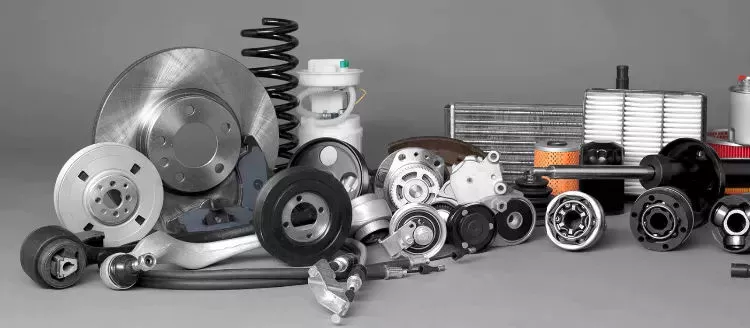
What maintenance practices are essential for prolonging the lifespan of PTO shafts?
Maintaining proper care and performing regular maintenance on Power Take-Off (PTO) shafts is crucial for prolonging their lifespan and ensuring optimal performance. By following essential maintenance practices, you can prevent premature wear, identify potential issues early on, and maximize the longevity of your PTO shafts. Here are some key maintenance practices to consider:
1. Inspeção regular: Perform routine visual inspections of the PTO shaft to check for any signs of damage, wear, or misalignment. Look for cracks, dents, bent sections, or loose components. Inspect the universal joints, coupling mechanisms, protective guards, and other associated parts. Pay attention to any unusual noises, vibrations, or changes in performance, as these can indicate underlying issues that require attention.
2. Lubrificação: Proper lubrication is essential for the smooth operation and longevity of PTO shafts. Follow the manufacturer’s recommendations regarding lubrication intervals and use the recommended lubricant type. Apply lubrication to the universal joints, CV joints (if applicable), and other moving parts as specified. Regularly check for adequate lubricant levels and replenish if necessary. Ensure that the lubricant used is compatible with the shaft material and does not attract dirt or debris that could cause abrasion or damage.
3. Cleaning: Keep the PTO shaft clean and free from dirt, debris, and other contaminants. Regularly remove any accumulated dirt, grease, or residue using a brush or compressed air. Be particularly diligent in cleaning the universal joints and areas where the shaft connects to other components. Cleaning prevents the buildup of abrasive particles that can accelerate wear and compromise the shaft’s performance.
4. Guard Inspection and Maintenance: Check the protective guards and shields regularly to ensure they are securely in place and free from damage. Guards play a critical role in preventing accidental contact with the rotating shaft and minimizing the risk of injury. Repair or replace any damaged or missing guards promptly. Ensure that the guards are correctly aligned and provide sufficient coverage for all moving parts of the PTO shaft.
5. Verificação de torque e fixadores: Periodically inspect and check the torque of fasteners, such as bolts and nuts, that secure the PTO shaft and associated components. Over time, vibration and normal operation can loosen these fasteners, compromising the integrity of the shaft. Use the appropriate torque specifications provided by the manufacturer to ensure proper tightening. Regularly verify the tightness of fasteners and retighten as necessary.
6. Shear Bolt or Slip Clutch Maintenance: If your PTO shaft incorporates shear bolt or slip clutch mechanisms, ensure they are functioning correctly. Inspect the shear bolts for signs of wear or damage, and replace them when necessary. Check the slip clutch for proper adjustment and smooth operation. Follow the manufacturer’s recommendations regarding maintenance and adjustment of these safety mechanisms to ensure their effectiveness in protecting the driveline components.
7. Proper Storage: When the PTO shaft is not in use, store it in a clean and dry environment. Protect the shaft from exposure to moisture, extreme temperatures, and corrosive substances. If possible, store the shaft in a vertical position to prevent bending or distortion. Consider using protective covers or cases to shield the shaft from dust, dirt, and other potential sources of damage.
8. Operator Training: Provide proper training to operators on the correct operation, maintenance, and safety procedures related to the PTO shafts. Educate them about the importance of regular inspections, lubrication, and adherence to recommended maintenance practices. Encourage operators to report any abnormalities or concerns promptly to prevent further damage and ensure timely repairs or adjustments.
9. Manufacturer and Expert Guidance: Consult the manufacturer’s guidelines and recommendations regarding maintenance practices specific to your PTO shaft model. Additionally, seek advice from experts or authorized service technicians who are knowledgeable about PTO shaft maintenance. They can provide valuable insights and assistance in implementing the best maintenance practices for your specific PTO shafts.
By following these maintenance practices, you can extend the lifespan of your PTO shafts, optimize their performance, and reduce the likelihood of unexpected failures or costly repairs. Regular inspections, lubrication, cleaning, guard maintenance, torque checks, and proper storage are all essential in ensuring the longevity and reliability of your PTO shafts.
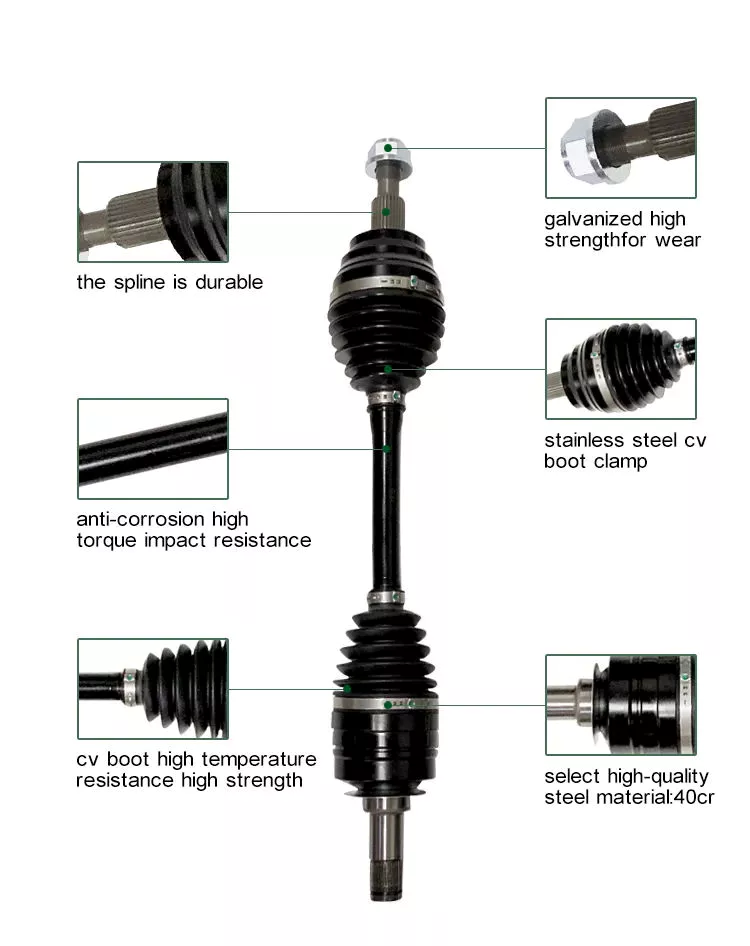
Você pode fornecer exemplos reais de equipamentos que utilizam eixos de tomada de força (PTO)?
Eixos de tomada de força (TDF) são amplamente utilizados em diversos setores, principalmente na agricultura e na construção civil. Eles fornecem uma fonte de energia confiável para uma ampla gama de equipamentos, permitindo operação eficiente e aumento da produtividade. Aqui estão alguns exemplos reais de equipamentos que comumente utilizam eixos de TDF:
1. Máquinas agrícolas:
- Implementos para tratores: Uma ampla variedade de implementos acoplados a tratores depende de eixos de tomada de força (TDF) para a transferência de potência. Estes incluem:
- Cortadores de grama e roçadeiras
- Enfardadeiras e equipamentos para feno
- Enxadas rotativas e cultivadores
- Semeadoras e plantadoras
- Pulverizadores
- Espalhadores de esterco
- Colheitadeiras, como colheitadeiras-colheitadeiras e colhedoras de forragem
- Equipamentos fixos: Os eixos de tomada de força (TDF) também são usados em equipamentos agrícolas estacionários, incluindo:
- Trituradores e misturadores de ração
- descarregadores de silos
- Rosca transportadora e elevadores de grãos
- Bombas de irrigação
- Trituradores e picadores de madeira
- Trituradores de tocos
2. Equipamentos de construção e terraplenagem:
- Retroescavadeiras e escavadeiras: Eixos de tomada de força (TDF) podem ser encontrados em retroescavadeiras e escavadeiras, acionando implementos como perfuratrizes, martelos hidráulicos e roçadeiras.
- Cavadoras de buracos para postes: As perfuradoras de solo usadas para instalação de cercas geralmente dependem de eixos de tomada de força (TDF) para transferir energia para o mecanismo de perfuração.
- Escavadores de valas: As máquinas de escavação de valas equipadas com eixos de tomada de força (TDF) abrem valas com eficiência para instalações de serviços públicos, sistemas de drenagem ou linhas de irrigação.
- Trituradores de tocos: As máquinas de destocamento usadas em operações de limpeza de terrenos e remoção de árvores geralmente utilizam eixos de tomada de força (TDF) para acionar suas lâminas de corte.
- Estabilizadores de solo e recicladores de estradas: Essas máquinas utilizam eixos de tomada de força (TDF) para acionar o rotor e os tambores de moagem, que pulverizam e misturam materiais para construção e manutenção de estradas.
3. Equipamentos Florestais:
- Trituradores de madeira: Os trituradores de madeira usados para processar galhos e toras de árvores em lascas de madeira são geralmente acionados por eixos de tomada de força (TDF).
- Roçadeiras e trituradores: Roçadeiras e trituradores acionados por tomada de força (TDF) são utilizados para limpar a vegetação e manter áreas florestais.
- Rachadores de lenha: Os rachadores de lenha que transformam toras em lenha geralmente utilizam eixos de tomada de força (PTO) para acionar o mecanismo de rachadura.
4. Equipamentos de utilidade pública:
- Geradores: Alguns geradores são projetados para serem acionados por eixos de tomada de força (PTO), fornecendo uma fonte de energia auxiliar para diversas aplicações em locais remotos ou durante quedas de energia.
- Bombas: Bombas acionadas por tomada de força (TDF) são comumente usadas para irrigação agrícola, transferência de água e drenagem.
5. Equipamentos Especiais:
- Máquinas para recapeamento de gelo: Os eixos de tomada de força (PTO) são empregados em máquinas de recapeamento de gelo usadas em pistas de gelo para manter uma superfície lisa para hóquei no gelo e patinação artística.
- Compressores de ar: Alguns compressores de ar são acionados por eixos de tomada de força (PTO), fornecendo uma fonte de ar comprimido para diversas aplicações.
Esses exemplos representam uma gama de equipamentos que dependem amplamente de eixos de tomada de força (TDF) para a transferência de potência. Os eixos de TDF permitem a operação eficiente dessas máquinas, aumentando a produtividade e a versatilidade em diversos setores industriais.

What is a PTO shaft and how is it used in agricultural and industrial equipment?
A power take-off (PTO) shaft is a mechanical component used in agricultural and industrial equipment to transfer power from a power source, such as an engine or motor, to another machine or implement. It is a driveline shaft that transmits rotational power and torque, allowing the connected equipment to perform various tasks. PTO shafts are commonly used in agricultural machinery, such as tractors, as well as in industrial equipment, including generators, pumps, and construction machinery. Here’s a detailed explanation of what a PTO shaft is and how it is used:
Structure and Components: A typical PTO shaft consists of a hollow metal tube with universal joints at each end. The hollow tube allows the shaft to rotate freely, while the universal joints accommodate angular misalignments between the power source and the driven equipment. The universal joints consist of a cross-shaped yoke with needle bearings, providing flexibility and allowing the transmission of power at varying angles. Some PTO shafts may also include a telescopic section to adjust the length for different equipment setups or to accommodate varying distances between the power source and the driven machine.
Power Transfer: The primary function of a PTO shaft is to transfer power and torque from the power source to the driven equipment. The power source, typically an engine or motor, drives the PTO shaft through a mechanical connection, such as a gearbox or a clutch. As the power source rotates, it transmits rotational force to the PTO shaft. The PTO shaft, in turn, transfers this rotational power and torque to the driven equipment, enabling it to perform its intended function. The torque and rotational speed transmitted through the PTO shaft depend on the power source’s characteristics and the gear ratio or clutch engagement.
Agricultural Applications: In agriculture, PTO shafts are commonly used in tractors to power various implements and attachments. The PTO shaft is connected to the tractor’s power take-off, a rotating drive shaft located at the rear of the tractor. By engaging the PTO clutch, the tractor’s engine power is transferred through the PTO shaft to the attached implements. Agricultural machinery, such as mowers, balers, tillers, sprayers, and grain augers, often rely on PTO shafts to receive power for their operation. The PTO shaft allows the implements to be powered directly by the tractor’s engine, eliminating the need for separate power sources and increasing the versatility and efficiency of agricultural operations.
Industrial Applications: PTO shafts also find extensive use in various industrial applications. Industrial equipment, such as generators, pumps, compressors, and industrial mixers, often incorporate PTO shafts to receive power from engines or electric motors. The PTO shaft connects the power source to the driven equipment, allowing it to operate and perform its intended function. In construction machinery, PTO shafts can be found in equipment like concrete mixers, hydraulic hammers, and post hole diggers, enabling the transfer of power from the machinery’s engine to the specific attachment or tool being used.
Safety Considerations: It is important to note that PTO shafts can pose safety risks if not handled properly. The rotating shaft can cause serious injuries if operators come into contact with it while it is in operation. To ensure safety, PTO shafts are often equipped with shielding or guards that cover the rotating shaft and universal joints, preventing accidental contact. It is crucial to maintain and inspect these safety features regularly to ensure their effectiveness. Additionally, operators should receive proper training on PTO shaft operation, including safe attachment and detachment procedures, as well as the use of personal protective equipment when working near PTO-driven machinery.
In summary, a PTO shaft is a mechanical component used in agricultural and industrial equipment to transmit power and torque from a power source to a driven machine or implement. It enables the direct power transfer from engines or motors to various equipment, increasing efficiency and versatility in agricultural and industrial operations. While PTO shafts offer significant benefits, operators must be aware of the associated safety considerations and take appropriate precautions to prevent accidents and injuries.


editor by CX 2023-10-07























