
Mô tả sản phẩm
Mô tả sản phẩm
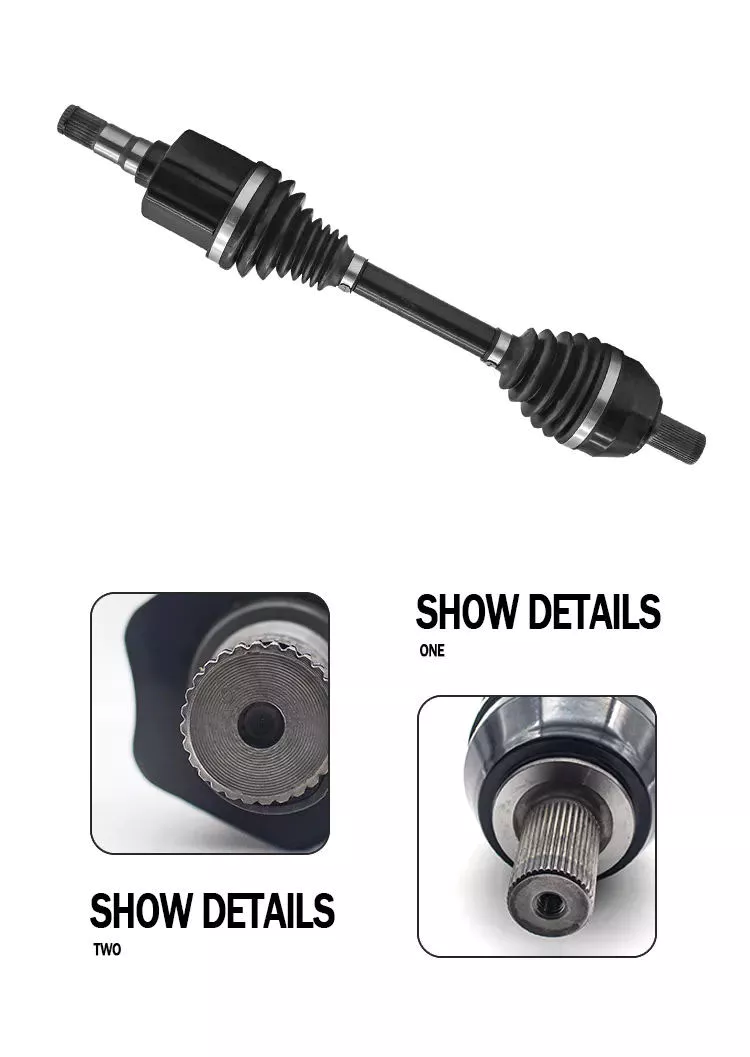
Thông số sản phẩm
| Mục | Spur Gear Axle Shaft |
| Vật liệu | 4140,4340,40Cr,42Crmo,42Crmo4,20Cr,20CrMnti, 20Crmo,35Crmo |
| OEM NO | Customize |
| Chứng nhận | ISO/TS16949 |
| Test Requirement | Magnetic Powder Test, Hardness Test, Dimension Test |
| Màu sắc | Paint , Natural Finish ,Machining All Around |
| Vật liệu | Aluminum: 5000series(5052…)/6000series(6061…)/7000series(7075…) |
| Steel: Carbon Steel,Middle Steel,Steel Alloy,etc. | |
| Stainess Steel: 303/304/316,etc. | |
| Copper/Brass/Bronze/Red Copper,etc. | |
| Plastic:ABS,PP,PC,Nylon,Delrin(POM),Bakelite,etc. | |
| Size | According to Customer’s drawing or samples |
| Process | CNC machining,Turning,Milling,Stamping,Grinding,Welding,Wire Injection,Cutting,etc. |
| Tolerance | ≥+/-0.03mm |
| Xử lý bề mặt | (Sandblast)&(Hard)&(Color)Anodizing,(Chrome,Nickel,Zinc…)Plating,Painting,Powder Coating,Polishing,Blackened,Hardened,Lasering,Engraving,etc. |
| File Formats | ProE,SolidWorks,UG,CAD,PDF(IGS,X-T,STP,STL) |
| Sample | Có sẵn |
| Packing | Spline protect cover ,Wood box ,Waterproof membrane; Or per customers’ requirements. |
Our Advantages
Why Choose US ???
1. Equipment :
Our company boasts all necessary production equipment,
including Hydraulic press machines, Japanese CNC lathe (TAKISAWA), Korean gear hobbing machine (I SNT), gear shaping machine, machining center, CNC grinder, heat treatment line etc.
2. Processing precision:
We are a professional gear & gear shafts manufacturer. Our gears are around 6-7 grade in mass production.
3. Company:
We have 90 employees, including 10 technical staffs. Covering an area of 20000 square meters.
4. Certification :
Oue company has passed ISO 14001 and TS16949
5.Sample service :
We provide free sample for confirmation and customer bears the freight charges
6.OEM service :
Having our own factory and professional technicians,we welcome OEM orders as well.We can design and produce the specific product you need according to your detail information
Cooperation Partner
Hồ sơ công ty
Our Featured Products
| Vật liệu: | Alloy Steel |
|---|---|
| Load: | Trục truyền động |
| Axis Shape: | Straight Shaft |
| Appearance Shape: | Round |
| Sample Service: | Free |
| Lester Nos: | 6468, 6469 |
| Mẫu: |
US$ 0/Piece
1 chiếc (Số lượng đặt tối thiểu) | |
|---|
| Tùy chỉnh: |
Có sẵn
| Yêu cầu tùy chỉnh |
|---|
Are there any limitations or disadvantages associated with drive shafts?
While drive shafts are widely used and offer several advantages, they also have certain limitations and disadvantages that should be considered. Here’s a detailed explanation of the limitations and disadvantages associated with drive shafts:
1. Length and Misalignment Constraints:
Drive shafts have a maximum practical length due to factors such as material strength, weight considerations, and the need to maintain rigidity and minimize vibrations. Longer drive shafts can be prone to increased bending and torsional deflection, leading to reduced efficiency and potential driveline vibrations. Additionally, drive shafts require proper alignment between the driving and driven components. Misalignment can cause increased wear, vibrations, and premature failure of the drive shaft or its associated components.
2. Limited Operating Angles:
Drive shafts, especially those using U-joints, have limitations on operating angles. U-joints are typically designed to operate within specific angular ranges, and operating beyond these limits can result in reduced efficiency, increased vibrations, and accelerated wear. In applications requiring large operating angles, constant velocity (CV) joints are often used to maintain a constant speed and accommodate greater angles. However, CV joints may introduce higher complexity and cost compared to U-joints.
3. Maintenance Requirements:
Drive shafts require regular maintenance to ensure optimal performance and reliability. This includes periodic inspection, lubrication of joints, and balancing if necessary. Failure to perform routine maintenance can lead to increased wear, vibrations, and potential driveline issues. Maintenance requirements should be considered in terms of time and resources when using drive shafts in various applications.
4. Noise and Vibration:
Drive shafts can generate noise and vibrations, especially at high speeds or when operating at certain resonant frequencies. Imbalances, misalignment, worn joints, or other factors can contribute to increased noise and vibrations. These vibrations may affect the comfort of vehicle occupants, contribute to component fatigue, and require additional measures such as dampers or vibration isolation systems to mitigate their effects.
5. Weight and Space Constraints:
Drive shafts add weight to the overall system, which can be a consideration in weight-sensitive applications, such as automotive or aerospace industries. Additionally, drive shafts require physical space for installation. In compact or tightly packaged equipment or vehicles, accommodating the necessary drive shaft length and clearances can be challenging, requiring careful design and integration considerations.
6. Cost Considerations:
Drive shafts, depending on their design, materials, and manufacturing processes, can involve significant costs. Customized or specialized drive shafts tailored to specific equipment requirements may incur higher expenses. Additionally, incorporating advanced joint configurations, such as CV joints, can add complexity and cost to the drive shaft system.
7. Inherent Power Loss:
Drive shafts transmit power from the driving source to the driven components, but they also introduce some inherent power loss due to friction, bending, and other factors. This power loss can reduce overall system efficiency, particularly in long drive shafts or applications with high torque requirements. It is important to consider power loss when determining the appropriate drive shaft design and specifications.
8. Limited Torque Capacity:
While drive shafts can handle a wide range of torque loads, there are limits to their torque capacity. Exceeding the maximum torque capacity of a drive shaft can lead to premature failure, resulting in downtime and potential damage to other driveline components. It is crucial to select a drive shaft with sufficient torque capacity for the intended application.
Despite these limitations and disadvantages, drive shafts remain a widely used and effective means of power transmission in various industries. Manufacturers continuously work to address these limitations through advancements in materials, design techniques, joint configurations, and balancing processes. By carefully considering the specific application requirements and potential drawbacks, engineers and designers can mitigate the limitations and maximize the benefits of drive shafts in their respective systems.

Bạn có thể cung cấp các ví dụ thực tế về các loại xe và máy móc sử dụng trục truyền động không?
Trục truyền động được sử dụng rộng rãi trong nhiều loại xe cộ và máy móc để truyền lực từ động cơ hoặc nguồn năng lượng đến bánh xe hoặc các bộ phận được dẫn động. Dưới đây là một số ví dụ thực tế về các loại xe cộ và máy móc sử dụng trục truyền động:
1. Ô tô:
Trục truyền động thường được tìm thấy trong ô tô, đặc biệt là những xe có hệ dẫn động cầu sau hoặc dẫn động bốn bánh. Trong những loại xe này, trục truyền động truyền lực từ hộp số hoặc hộp phân phối lực đến bộ vi sai cầu sau hoặc bộ vi sai cầu trước tương ứng. Điều này cho phép công suất của động cơ được phân bổ đến các bánh xe, đẩy xe tiến về phía trước.
2. Xe tải và xe thương mại:
Trục truyền động là bộ phận thiết yếu trong xe tải và xe thương mại. Chúng được sử dụng để truyền công suất từ hộp số hoặc hộp phân phối lực đến trục sau hoặc nhiều trục trong trường hợp xe tải hạng nặng. Trục truyền động trong xe thương mại được thiết kế để chịu tải mô-men xoắn cao hơn và thường lớn hơn và chắc chắn hơn so với trục truyền động được sử dụng trong xe hơi chở khách.
3. Thiết bị xây dựng và san lấp mặt đất:
Nhiều loại thiết bị xây dựng và san lấp mặt đất, chẳng hạn như máy xúc, máy chất tải, máy ủi và máy san gạt, đều dựa vào trục truyền động để truyền lực. Những máy móc này thường có hệ thống truyền động phức tạp sử dụng trục truyền động để truyền lực từ động cơ đến bánh xe hoặc xích, cho phép chúng thực hiện các công việc nặng nhọc tại các công trường xây dựng hoặc trong các hoạt động khai thác mỏ.
4. Máy móc nông nghiệp:
Các loại máy móc nông nghiệp, bao gồm máy kéo, máy gặt đập liên hợp và máy thu hoạch, sử dụng trục truyền động để truyền công suất từ động cơ đến bánh xe hoặc các bộ phận được dẫn động. Trục truyền động trong máy móc nông nghiệp thường phải chịu điều kiện khắc nghiệt và có thể có thêm các tính năng bổ sung như các đoạn thu gọn để phù hợp với khoảng cách thay đổi giữa các bộ phận.
5. Máy móc công nghiệp:
Các loại máy móc công nghiệp, chẳng hạn như thiết bị sản xuất, máy phát điện, máy bơm và máy nén khí, thường tích hợp trục truyền động trong hệ thống truyền lực của chúng. Các trục truyền động này truyền năng lượng từ động cơ điện, động cơ đốt trong hoặc các nguồn năng lượng khác đến các bộ phận được dẫn động khác nhau, cho phép máy móc thực hiện các nhiệm vụ cụ thể trong môi trường công nghiệp.
6. Tàu thuyền:
Trong các ứng dụng hàng hải, trục truyền động thường được sử dụng để truyền công suất từ động cơ đến chân vịt trong thuyền, tàu và các phương tiện thủy khác. Trục truyền động hàng hải thường dài hơn và được thiết kế để chịu được những thách thức đặc thù của môi trường nước, bao gồm khả năng chống ăn mòn và các cơ chế làm kín phù hợp.
7. Xe du lịch (RV) và nhà di động:
Xe RV và xe nhà di động thường sử dụng trục truyền động như một phần của hệ thống truyền động. Các trục truyền động này truyền lực từ hộp số đến trục sau, cho phép xe di chuyển và tạo lực đẩy. Trục truyền động trong xe RV có thể có thêm các tính năng như bộ giảm chấn hoặc các bộ phận giảm rung để tăng sự thoải mái trong suốt hành trình.
8. Xe địa hình và xe đua:
Các loại xe địa hình, chẳng hạn như SUV, xe tải và xe địa hình đa dụng (ATV), cũng như các loại xe đua, thường sử dụng trục truyền động. Các trục truyền động này được thiết kế để chịu được những điều kiện khắc nghiệt của địa hình gồ ghề hoặc các cuộc đua hiệu suất cao, truyền lực hiệu quả đến các bánh xe và đảm bảo lực kéo và hiệu suất tối ưu.
9. Phương tiện vận chuyển đường sắt:
Trong hệ thống đường sắt, trục truyền động được sử dụng trong đầu máy xe lửa và một số loại toa xe. Chúng truyền công suất từ động cơ của đầu máy đến bánh xe hoặc hệ thống đẩy, cho phép đoàn tàu di chuyển dọc theo đường ray. Trục truyền động đường sắt thường dài hơn nhiều và có thể có thêm các tính năng để phù hợp với tính chất khớp nối hoặc linh hoạt của một số cấu hình tàu hỏa.
10. Tuabin gió:
Các tuabin gió quy mô lớn dùng để sản xuất điện năng đều tích hợp trục truyền động vào hệ thống truyền tải điện của chúng. Trục truyền động truyền năng lượng quay từ các cánh quạt của tuabin đến máy phát điện, nơi năng lượng này được chuyển đổi thành điện năng. Trục truyền động trong tuabin gió được thiết kế để chịu được mô-men xoắn và lực quay đáng kể do gió tạo ra.
Những ví dụ này minh họa phạm vi rộng lớn của các loại xe cộ và máy móc dựa vào trục truyền động để truyền tải năng lượng và vận hành hiệu quả. Trục truyền động là bộ phận thiết yếu trong nhiều ngành công nghiệp, cho phép truyền tải năng lượng từ nguồn đến các bộ phận được dẫn động, cuối cùng tạo điều kiện thuận lợi cho chuyển động, hoạt động hoặc thực hiện các nhiệm vụ cụ thể.

How do drive shafts handle variations in length and torque requirements?
Drive shafts are designed to handle variations in length and torque requirements in order to efficiently transmit rotational power. Here’s an explanation of how drive shafts address these variations:
Length Variations:
Drive shafts are available in different lengths to accommodate varying distances between the engine or power source and the driven components. They can be custom-made or purchased in standardized lengths, depending on the specific application. In situations where the distance between the engine and the driven components is longer, multiple drive shafts with appropriate couplings or universal joints can be used to bridge the gap. These additional drive shafts effectively extend the overall length of the power transmission system.
Additionally, some drive shafts are designed with telescopic sections. These sections can be extended or retracted, allowing for adjustments in length to accommodate different vehicle configurations or dynamic movements. Telescopic drive shafts are commonly used in applications where the distance between the engine and the driven components may change, such as in certain types of trucks, buses, and off-road vehicles.
Torque Requirements:
Drive shafts are engineered to handle varying torque requirements based on the power output of the engine or power source and the demands of the driven components. The torque transmitted through the drive shaft depends on factors such as the engine power, load conditions, and the resistance encountered by the driven components.
Manufacturers consider torque requirements when selecting the appropriate materials and dimensions for drive shafts. Drive shafts are typically made from high-strength materials, such as steel or aluminum alloys, to withstand the torque loads without deformation or failure. The diameter, wall thickness, and design of the drive shaft are carefully calculated to ensure it can handle the expected torque without excessive deflection or vibration.
In applications with high torque demands, such as heavy-duty trucks, industrial machinery, or performance vehicles, drive shafts may have additional reinforcements. These reinforcements can include thicker walls, cross-sectional shapes optimized for strength, or composite materials with superior torque-handling capabilities.
Furthermore, drive shafts often incorporate flexible joints, such as universal joints or constant velocity (CV) joints. These joints allow for angular misalignment and compensate for variations in the operating angles between the engine, transmission, and driven components. They also help absorb vibrations and shocks, reducing stress on the drive shaft and enhancing its torque-handling capacity.
In summary, drive shafts handle variations in length and torque requirements through customizable lengths, telescopic sections, appropriate materials and dimensions, and the inclusion of flexible joints. By carefully considering these factors, drive shafts can efficiently and reliably transmit power while accommodating the specific needs of different applications.


editor by CX 2023-10-08























